
The Operational Shift and the Status of Forces Agreement
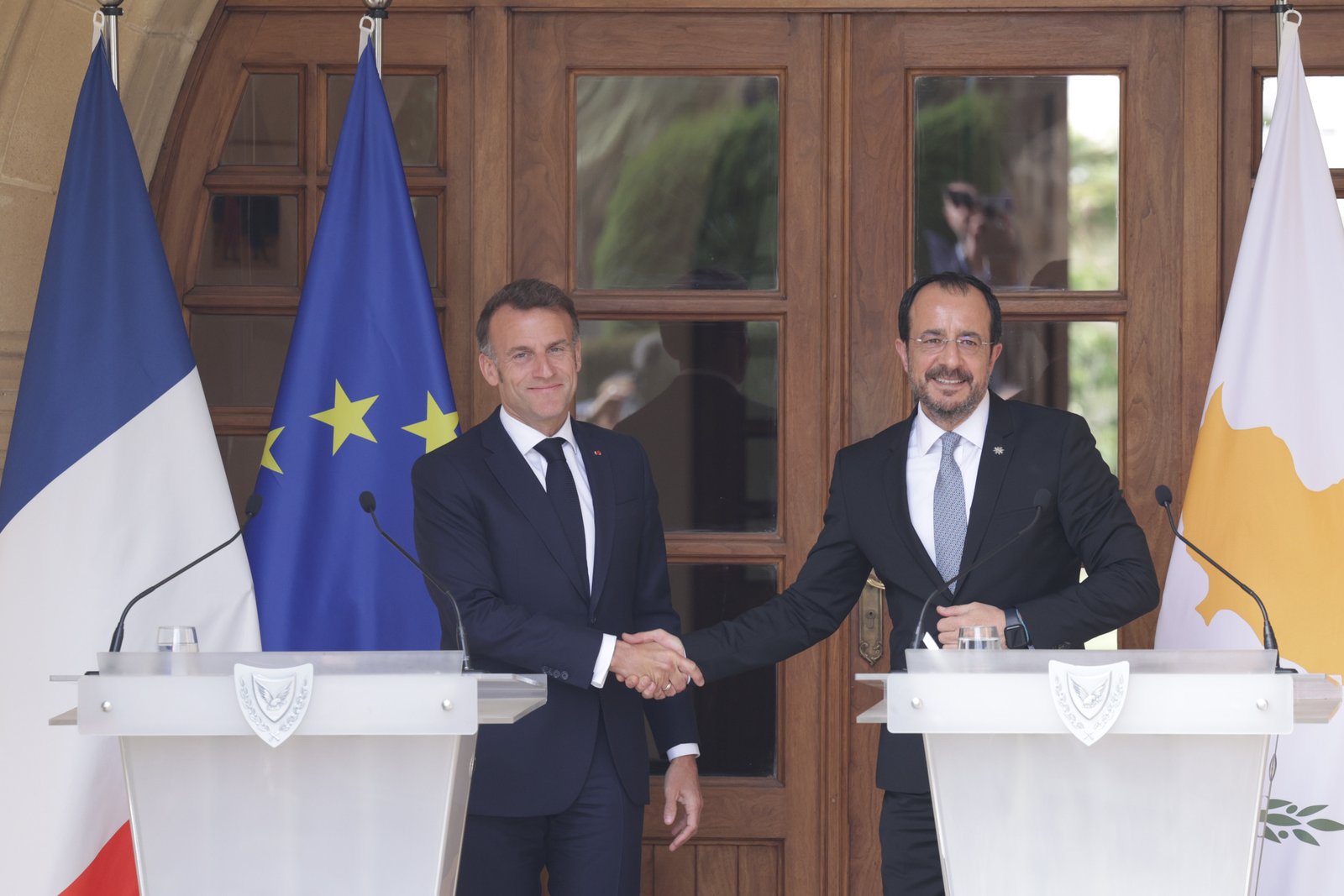
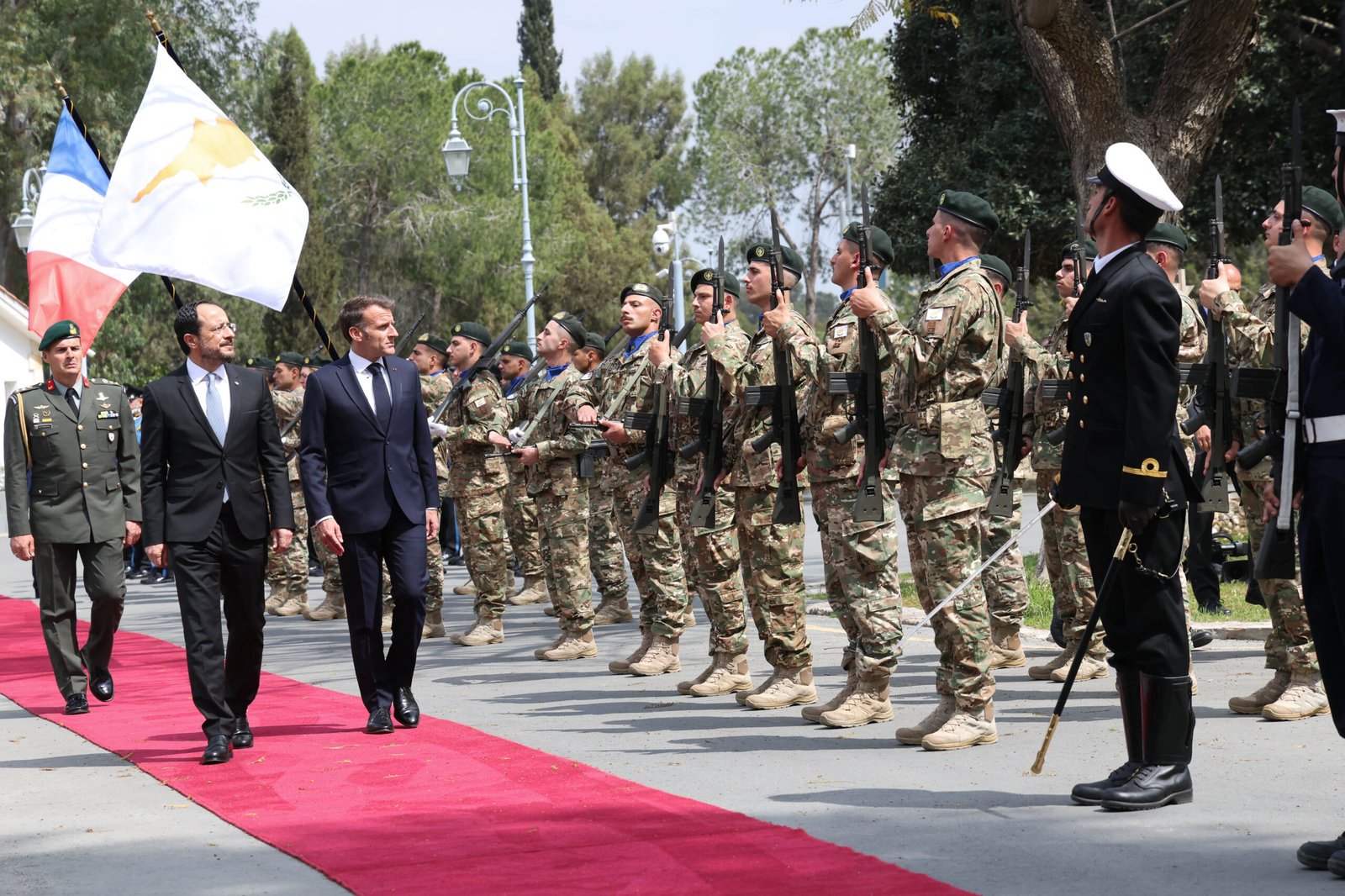
The most consequential evolution in this bilateral dynamic is the impending Status of Forces Agreement, slated for formalization at the ministerial level in June. President Nikos Christodoulides has emphasized that this landmark agreement transcends traditional diplomatic support by establishing a concrete legal and operational framework for the temporary stationing of French military forces on Cypriot territory. While ostensibly designated for humanitarian operations, the agreement grants French forces critical, sustained access to Cypriot military facilities, ensures logistical support, and institutionalizes high-level joint military exercises.
This deep operational integration is physically manifesting at the Mari naval base, where French naval engineering expertise is actively being utilized to upgrade the facility’s design and planning. This collaboration effectively transforms the island into a primary staging ground for French and European power projection across the Levant and the broader Mediterranean basin.
Arming the Hub Through Modernization and Procurement
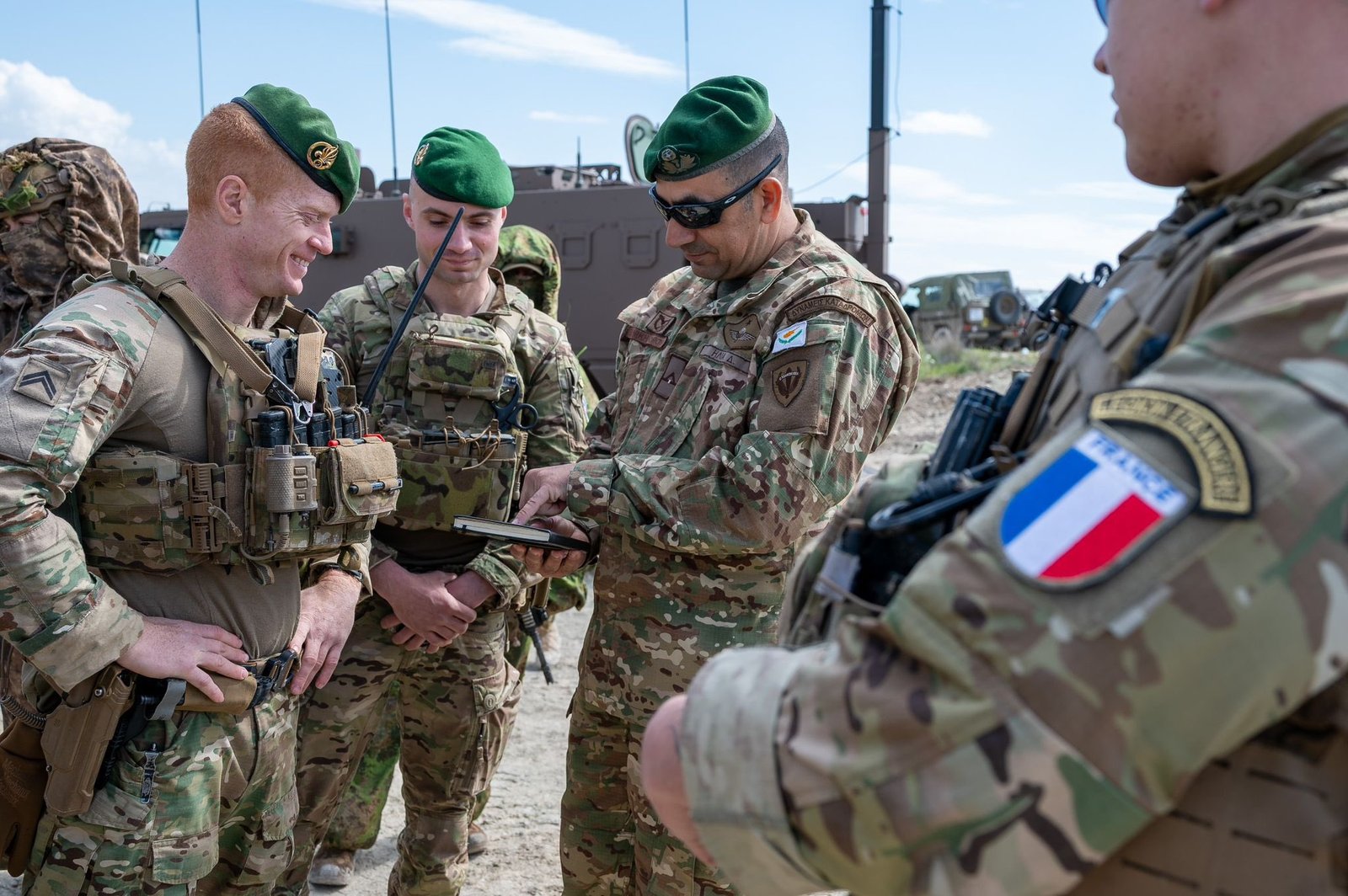
A central pillar sustaining this strategic alignment is the comprehensive modernization of the Cypriot National Guard, driven heavily by the acquisition of advanced French defence technology. Leveraging the European Union’s SAFE financing mechanism, which allocates over a billion euros for defence infrastructure, Nicosia is actively and aggressively transitioning its military away from aging Soviet-era equipment.
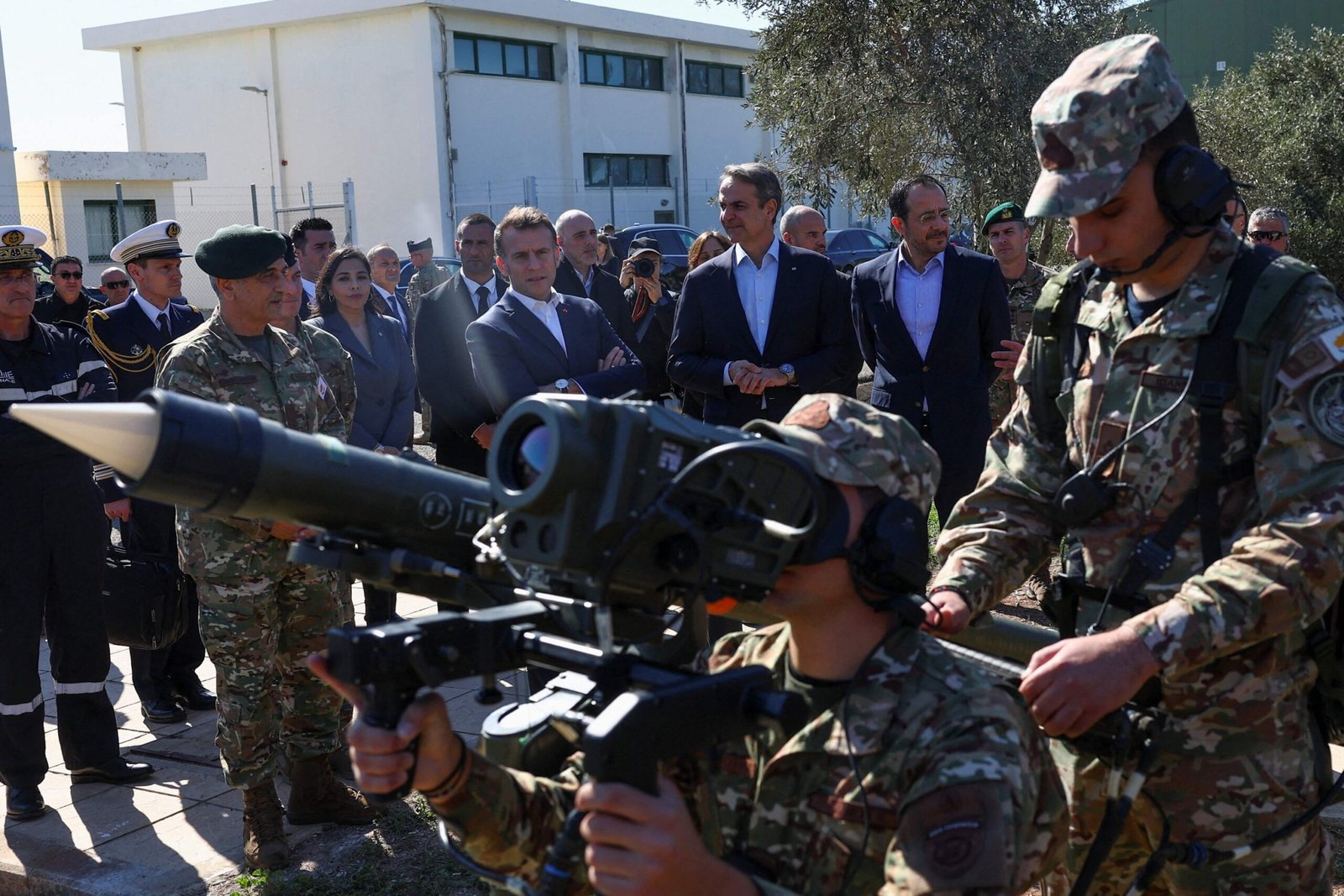
Cyprus has already formalized the acquisition of French-made Sherpa light armored vehicles outfitted with highly advanced Akeron MP anti-tank missile systems. Furthermore, ongoing military restructuring efforts highlight a massive procurement drive, with Nicosia reportedly moving to acquire dozens of Griffon armored personnel carriers and Serval light armored vehicles from premier French defence contractors. These strategic purchases are not merely about upgrading domestic arsenals; they are designed to guarantee deep battlefield interoperability with French forces and broader European military networks, ensuring seamless joint operations in future crises.
Navigating Crises: Naval Deployments and Collective Security
The practical impact and rapid response capability of this alliance have been starkly demonstrated in recent months. Following an attack by an Iranian-made drone on the British base of Akrotiri in Limassol, the region witnessed an immediate consolidation of European naval power. France rapidly deployed the aircraft carrier Charles de Gaulle to the area, projecting immense air and sea dominance to deter further escalation and provide an operational umbrella over the island. This deployment was complemented by Greek naval assets, including the frigate Kimon, which remained stationed in Cypriot waters for over forty days to provide an uninterrupted operational presence.
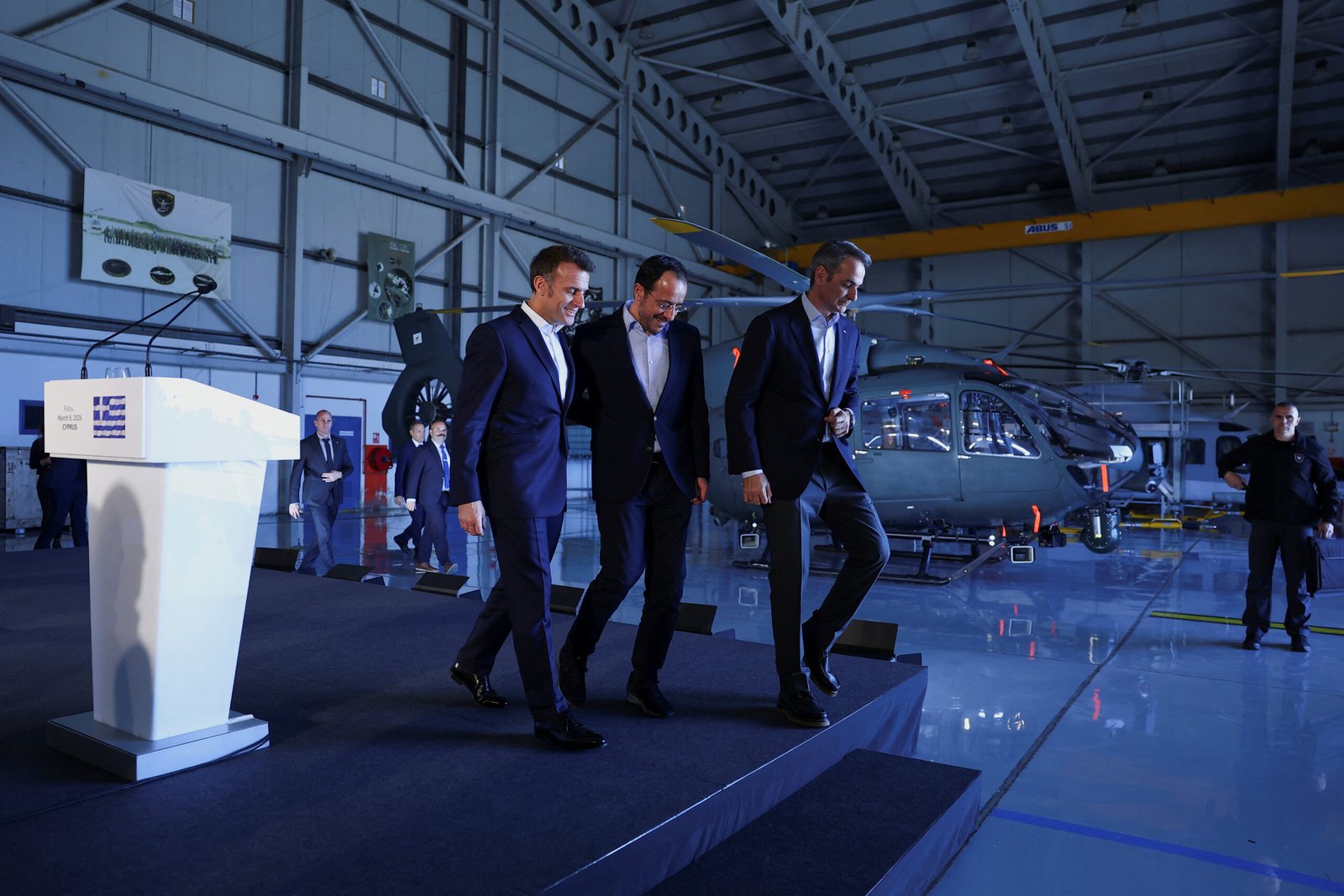
Regional leaders have framed these rapid deployments as a practical, kinetic application of the European Union’s mutual assistance clause, Article 42.7. Greek Prime Minister Kyriakos Mitsotakis explicitly characterized the collective European response to threats against Cyprus as a definitive game changer for continental defence, while President Macron reiterated that an attack on Cyprus constitutes a direct attack on Europe itself.
The Geopolitical Chessboard and Shifting Regional Axes
The Franco-Cypriot military integration is not operating within a vacuum, but rather as a direct counterbalance to competing regional axes. The Eastern Mediterranean is increasingly defined by overlapping strategies, most notably the institutionalized strategic ties between Turkey and the United Kingdom. For Nicosia, stronger ties with Paris offer vital political backing and strategic depth against Ankara’s regional ambitions, particularly given recent frictions between Nicosia and London over the operational status and sovereignty of the British military bases on the island.
While the United Kingdom attempts to balance its historical guarantor status with its post-Brexit strategic partnership with Turkey, France has positioned itself as the unequivocal defender of European borders. Ultimately, the deepening ties between Paris and Nicosia signify that the Republic of Cyprus is no longer merely a fractured island awaiting a political settlement, but an active, heavily armed, and indispensable hub for European stability in a highly volatile maritime theater.