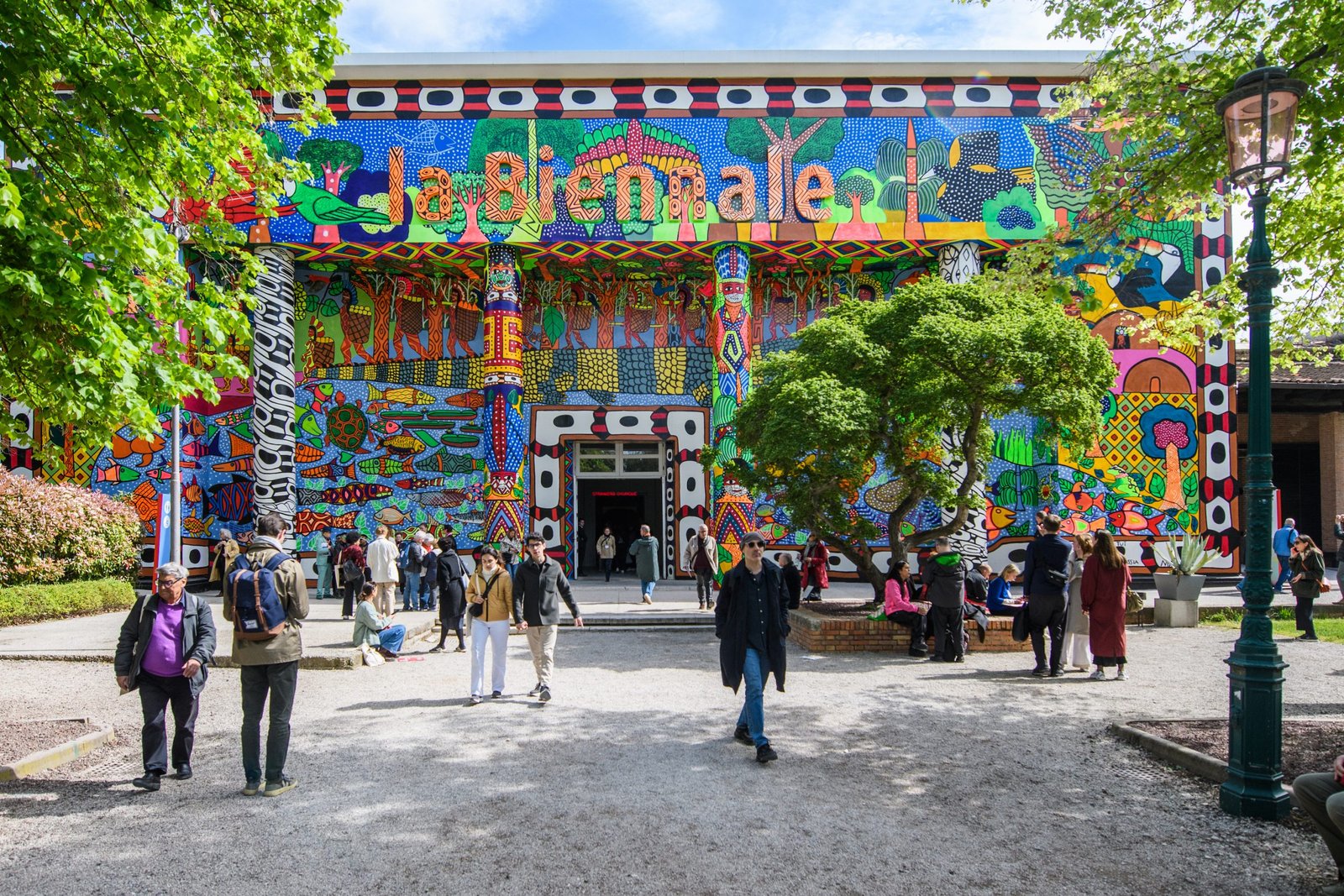

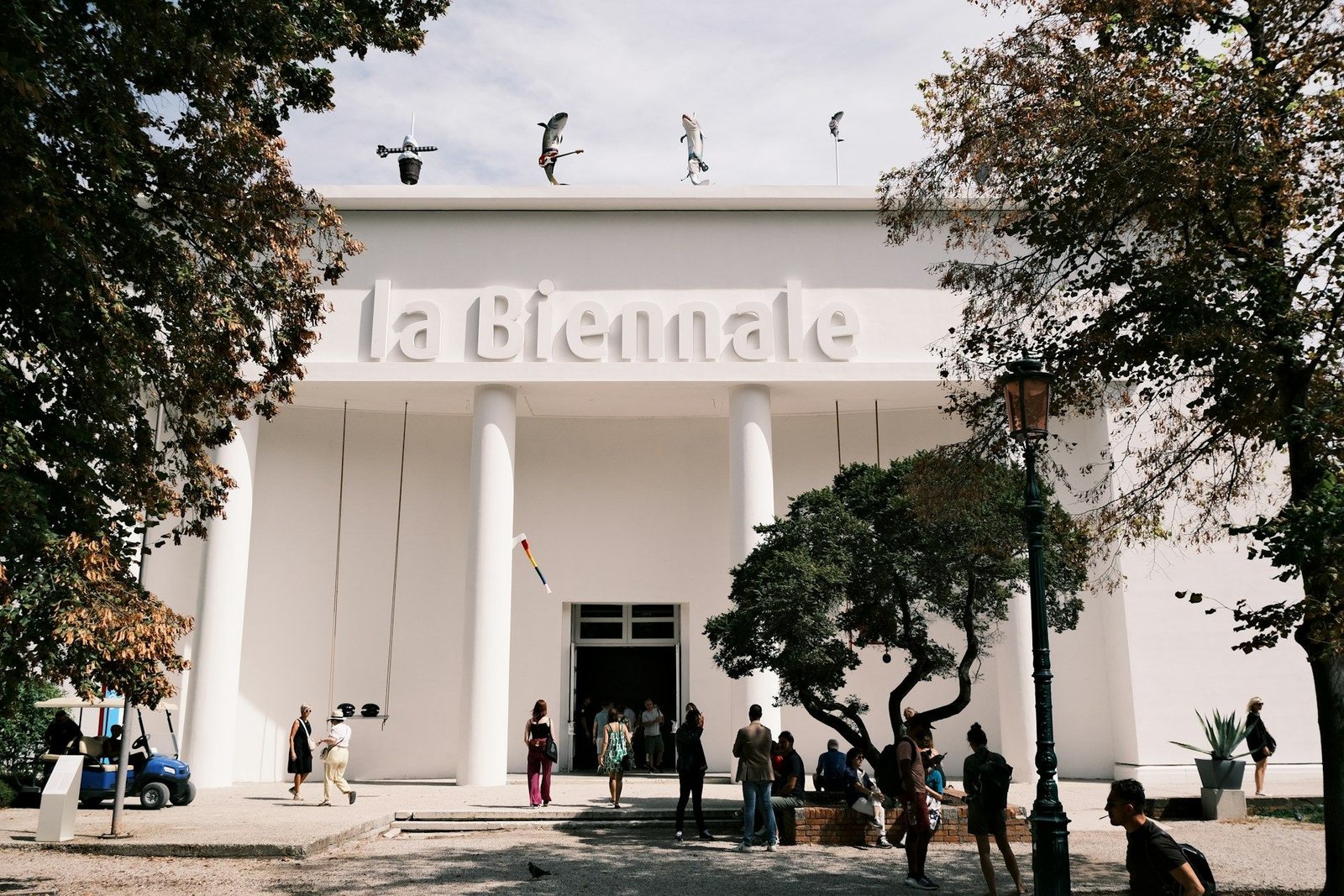
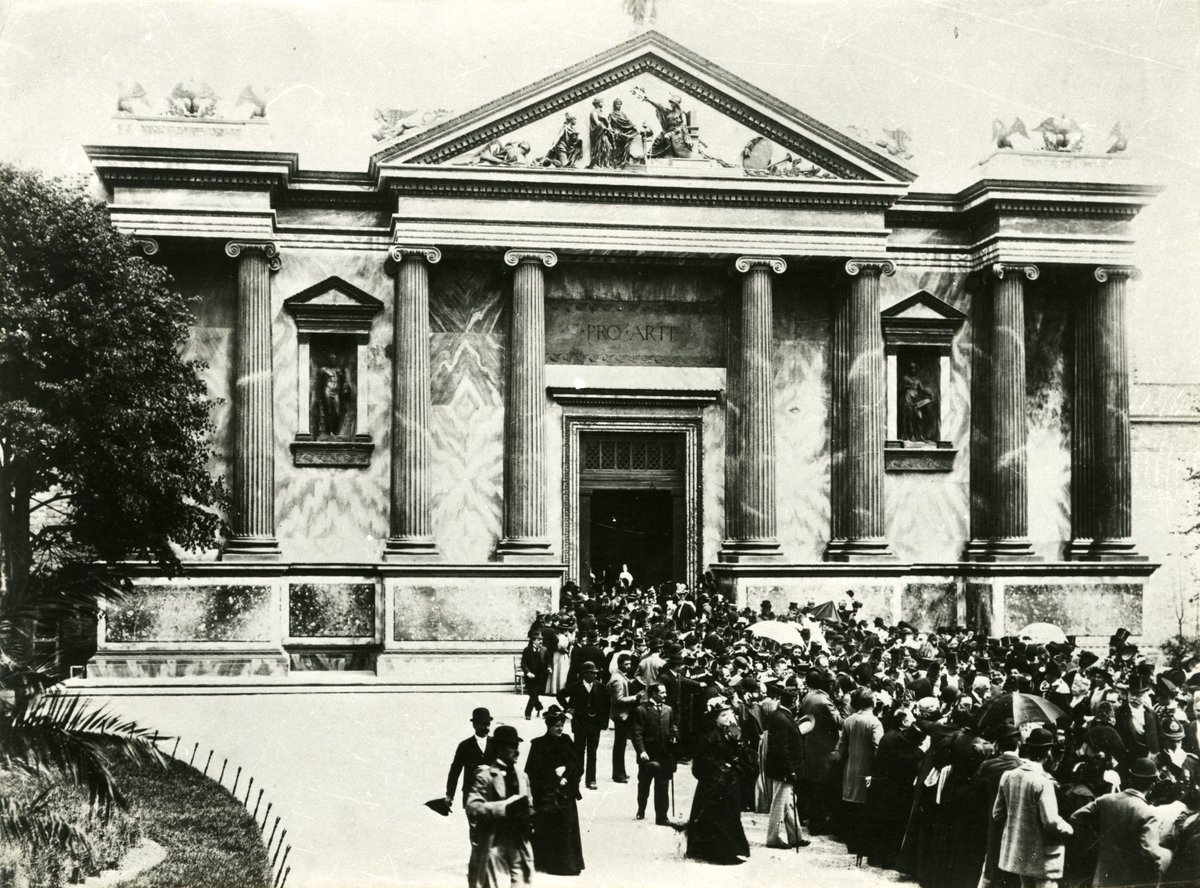
The Venice Biennale (La Biennale di Venezia), the undisputed “great mother” of international art exhibitions, has been a barometer of cultural zeitgeist since its inception in 1895. Born from the ambitions of Mayor Riccardo Selvatico, who transformed local artists’ café meetings into a global stage, the Biennale has continuously defined and redefined contemporary art. As the art world descends upon the Giardini, Arsenale, and the labyrinthine streets of Venice for the 61st edition in 2026, the Biennale faces a profound intersection of historical legacy, contemporary political friction, and a desire for quiet introspection.
Economic and Touristic Impact: The Shadow of 2024
To fully grasp the magnitude of the 2026 events, one must examine the staggering metrics of the preceding 2024 Biennale. The 60th Art Biennale, despite deep geopolitical tensions, was a massive success, attracting approximately 700,000 visitors over its seven-month run. The financial scale of this “Fine Arts Olympics” is immense: the official budget for the central exhibition alone stood at €19 million. This figure does not even account for the millions of dollars independently raised and spent by individual nations to mount their respective pavilions.
This massive influx generates what local hoteliers dub “The Biennale effect.” As the exhibition opens, it acts as a primary economic engine, historically filling up to 70% of Venice’s hotel capacity almost immediately and driving the broader Italian cultural tourism sector. However, this economic boon is a double-edged sword. The influx of hundreds of thousands of art tourists exacerbates Venice’s severe overtourism crisis, placing enormous stress on local infrastructure, waste management, and housing. This tension between cultural prestige and urban sustainability has made the Biennale a central subject in ongoing efforts to forge a model of smart and sustainable tourism for the city.
The 2026 Biennale: In Minor Keys
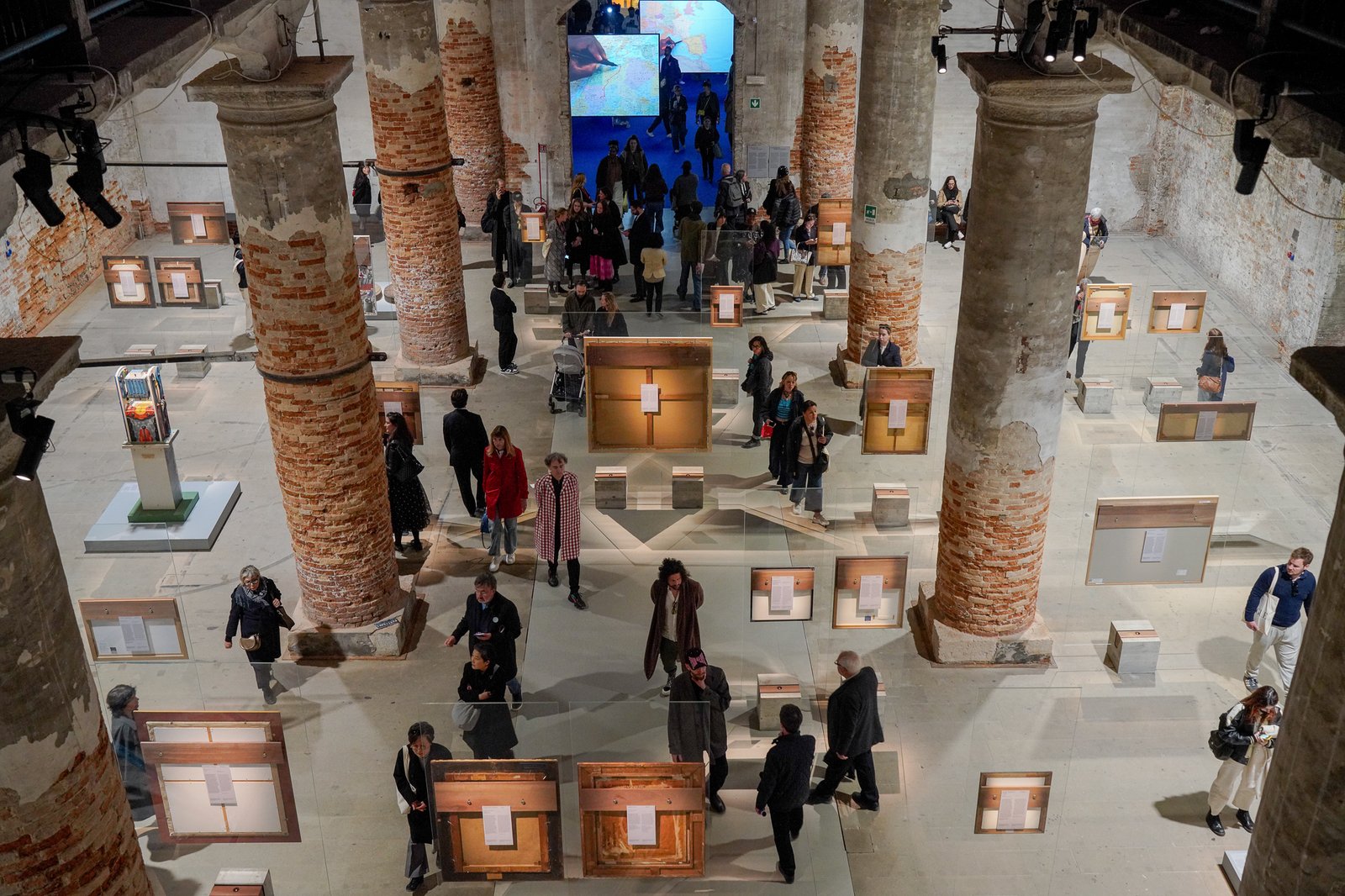
The 61st Art Biennale, directed by curator Koyo Kouoh, opens on May 9, 2026, under the overarching theme In Minor Keys. This theme proposes a deliberate retreat from loud spectacle, encouraging a more subtle, intuitive encounter with art that explores the merging of melancholy and hope. Featuring 111 participants across the main exhibition, Kouoh’s project seeks to explore the subtle affinities between artistic practices emerging from entirely different geographic and political contexts.
Regional Pavilions: Mediterranean Reflections on the Theme
The national pavilions echo this desire for contemplation amidst chaos, with Mediterranean countries offering particularly poignant interpretations of the shared history and shifting coordinates of their region:
Italy: The host nation presents With You, With Everything (Con te con tutto), realized by artist Chiara Camoni and curated by Cecilia Canziani. Located in the Arsenale, the pavilion rejects monumental solo displays in favor of a “horizontal organizational chart.” It prioritizes collective participation, accessibility, and relational practices, featuring life-sized sculptures and work-in-progress spaces that evoke the convivial creation of an artist’s studio.
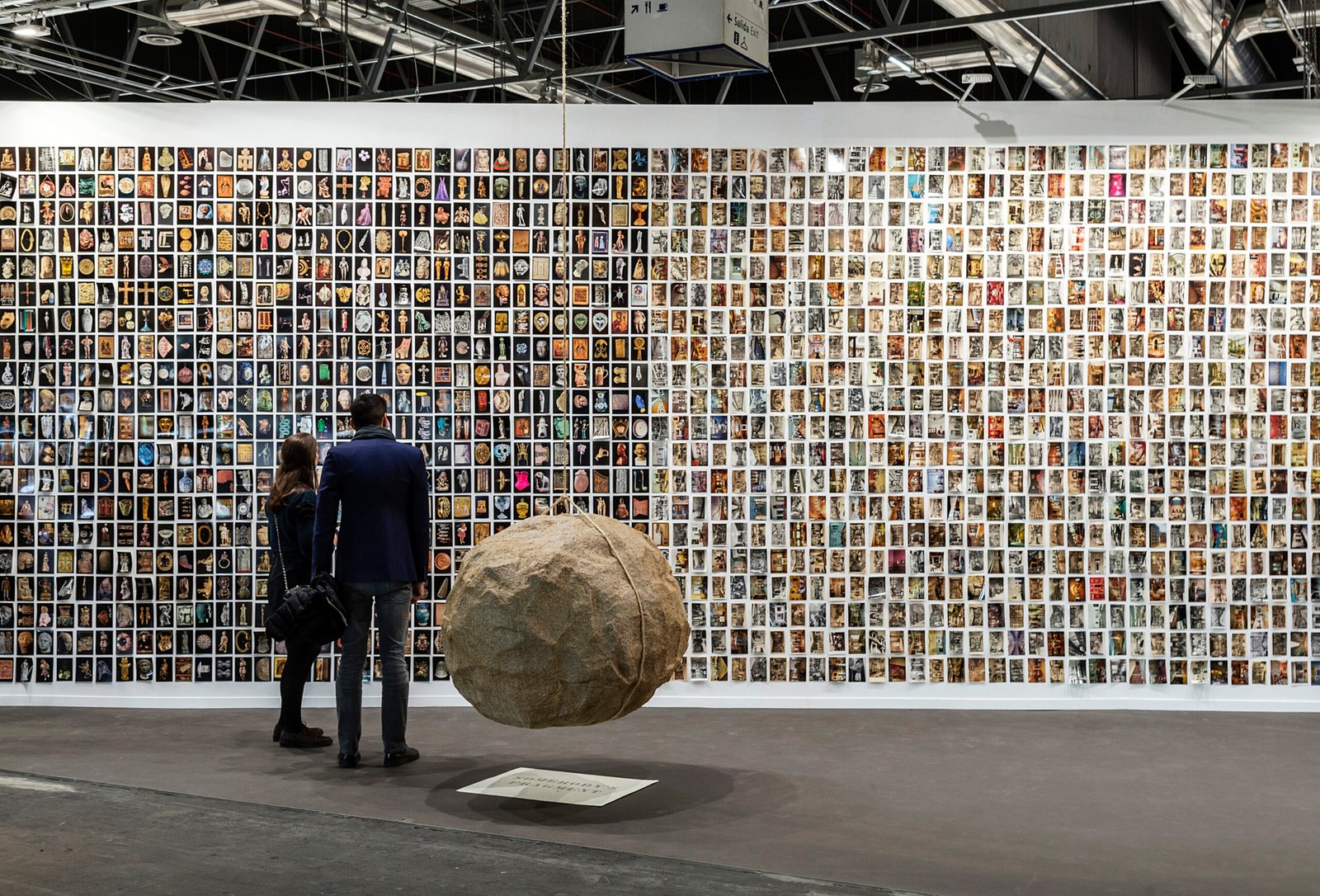
Spain: Located in the Giardini, the Spanish pavilion features Los restos by artist Oriol Vilanova, curated by Carles Guerra. Vilanova utilizes a personal archive of postcards collected over twenty years to create an endless mural that questions the economies mediating memory circulation. This is paired with The Phantom of Liberty, a performative intervention taking place in the streets between the Giardini and the Arsenale.
Morocco: Making a historic debut with a national pavilion at the Arsenale, Morocco presents Asǝṭṭa (an Amazigh word for ritual weaving) by artist Amina Agueznay and curator Meriem Berrada. The installation explores the concept of the âatba (threshold)—the passage between interior and exterior, private and public. By focusing on the silent, generational transmission of traditional craftsmanship, it perfectly embodies the quiet resilience central to the In Minor Keys theme.
Croatia: Artist Dubravka Lošić presents Compelled by Fright and Beauty, a visceral exploration of the space between fear and attraction. Featuring swollen, canvas-covered bodies and massive, silent metal bells, Lošić notes that the pavilion represents “quiet rebellions and places for contemplation” offering “resistance through silence”.
Slovenia: The Nonument Group collective offers Soundtrack for an Invisible House, an immersive auditory experience based on a historic Alpine meadow that served as a bloody World War I battlefield and the site of a long-lost mosque for Bosnian Muslim soldiers. The curators emphasize that the pavilion functions as “a space of listening,” aiming to reveal complexity as “an act of defiance against omnipresent destruction”.
The Unexpected Vatican Pavilion
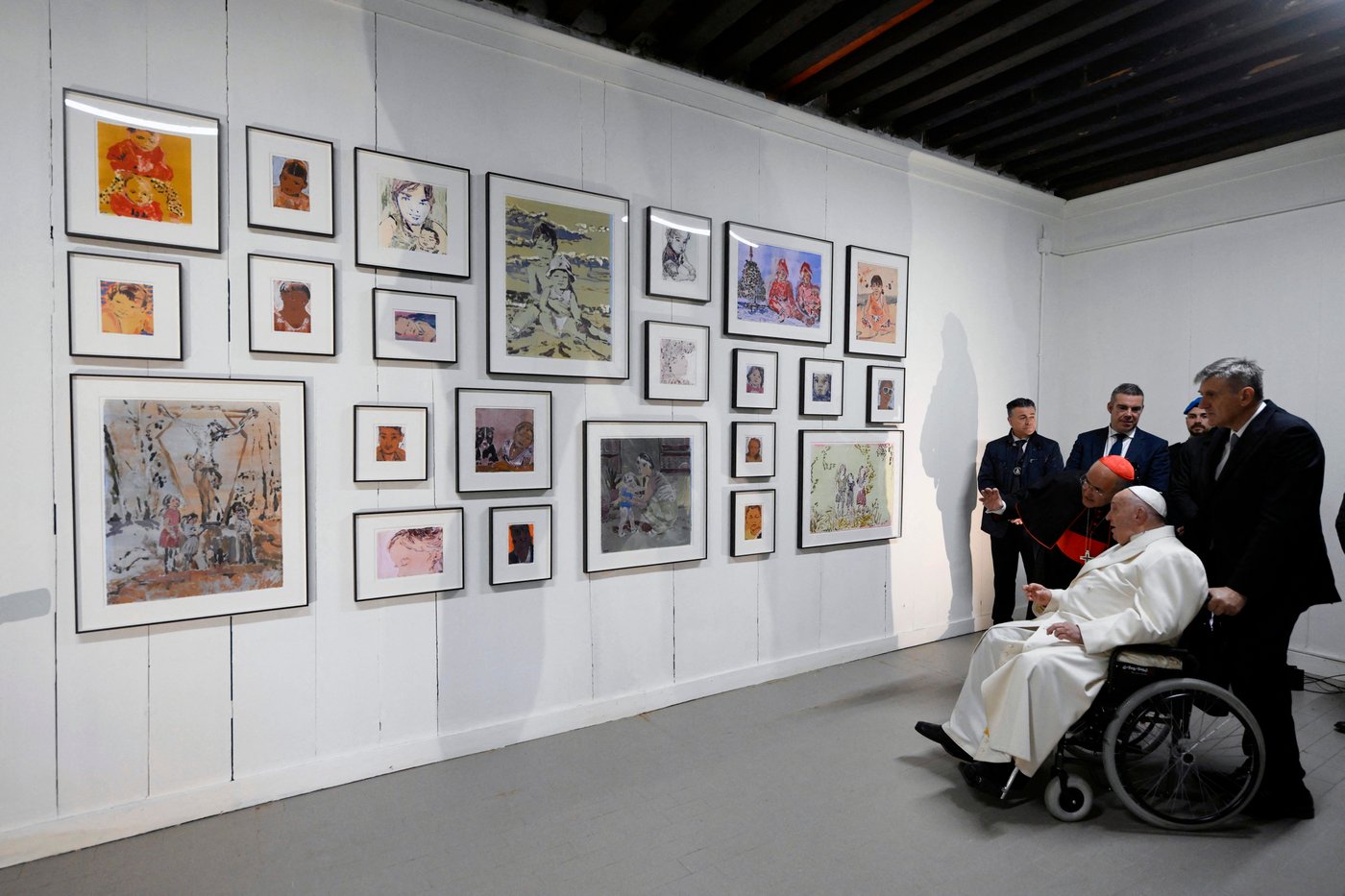
Perhaps the most surprising interpretation of the 2026 theme comes from the Holy See. Building on the historic 2024 visit by Pope Francis, the Vatican Pavilion presents The Ear Is the Eye of the Soul. Commissioned by Cardinal José Tolentino de Mendonça and curated by Hans Ulrich Obrist and Ben Vickers, the pavilion pays tribute to the medieval mystic Saint Hildegard of Bingen. Unfolding across two locations, it features an incredibly eclectic, star-studded lineup including Patti Smith, Jim Jarmusch, FKA Twigs, and Brian Eno. Designed to offer a “sound prayer” and a moment of peace, Pope Leo XIV noted, “Beauty is not merely a means of escape; above all, it is a call”.
Simultaneous Exhibitions: A City Saturated in Art
Beyond the formal Biennale, Venice in 2026 is hosting major independent exhibitions that capitalize on the international influx:
Marina Abramović: Returning to Venice nearly 30 years after winning the Golden Lion, Abramović presents Transforming Energy at the Gallerie dell’Accademia, becoming the first woman to hold a solo exhibition there. The show boldly places her performance photography alongside Titian’s masterpieces.
Peggy Guggenheim Collection: The Making of a Collector sheds light on Guggenheim’s crucial early years in London on the eve of World War II, showcasing the network of influential friends that shaped her visionary collection.
Lorna Simpson & Arthur Jafa: Simpson presents Third Person at Punta della Dogana, exploring memory and representation through painting, while Fondazione Prada hosts Helter Skelter, a powerful dialogue on American identity and mass media between Arthur Jafa and Richard Prince.
The 2026 Controversy: Geopolitics and the Jury Resignation
Despite its artistic triumphs, the 2026 Biennale is heavily overshadowed by intense geopolitical friction. Just nine days before the May 9th inauguration, the entire five-person international prize jury, comprising curators Solange Oliveira Farkas, Zoe Butt, Elvira Dyangani Ose, Marta Kuzma, and Giovanna Zapperi resigned.
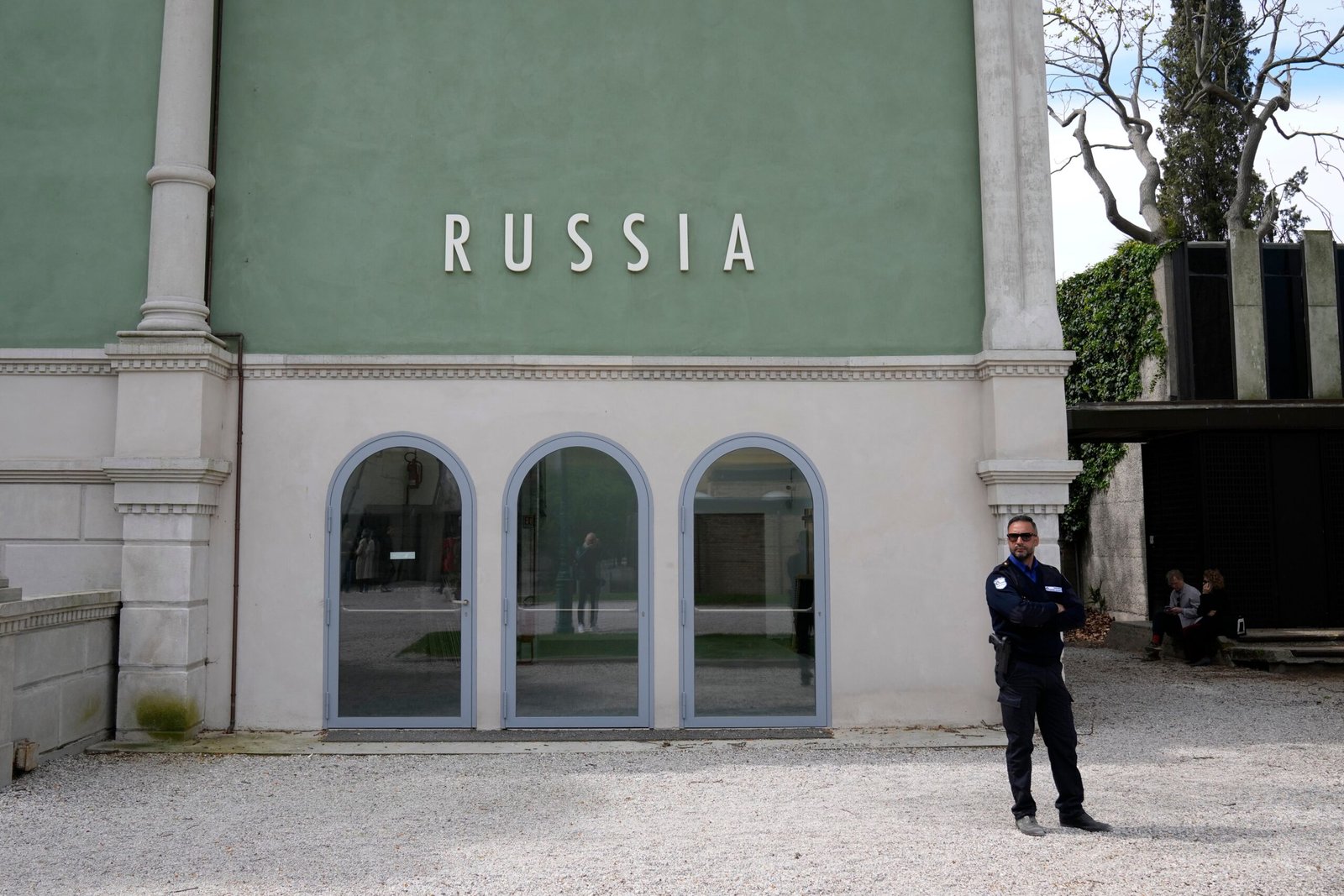
The mass resignation was in acknowledgment of their prior, highly controversial decision to ban artists representing countries whose leaders are under ICC investigation for crimes against humanity (specifically Russia and Israel) from receiving awards. This move sparked fierce debate. The Israeli representative, Belu-Simion Fainaru, argued the ban was discriminatory, stating, “I should just be judged on the quality and message of my art”. Conversely, the EU pulled a two million Euro grant over Russia’s return to the Biennale, deeming it “morally wrong” as Moscow attempts to “erase Ukrainian culture”. While Italian Prime Minister Giorgia Meloni publicly disagreed with allowing Russia to participate, the Biennale maintained it could not legally bar countries that own their permanent pavilions.
Consequently, the traditional awards ceremony has been canceled. Instead, the Biennale has pivoted to a public voting system, where visitors will determine the best national pavilion, with winners announced on November 22.
Beyond the Pavilions
The 2026 Venice Biennale perfectly encapsulates the paradox of the event itself. It is a space where the profound quietude sought by the In Minor Keys theme and the spiritual introspection of the Vatican pavilion violently collide with the very real, loud geopolitical crises of the modern world. As visitors navigate the pavilions, deciding the fate of the Golden Lion through popular vote, the Biennale proves once again that it is not merely an exhibition of art, but a vibrant, contested reflection of humanity itself.