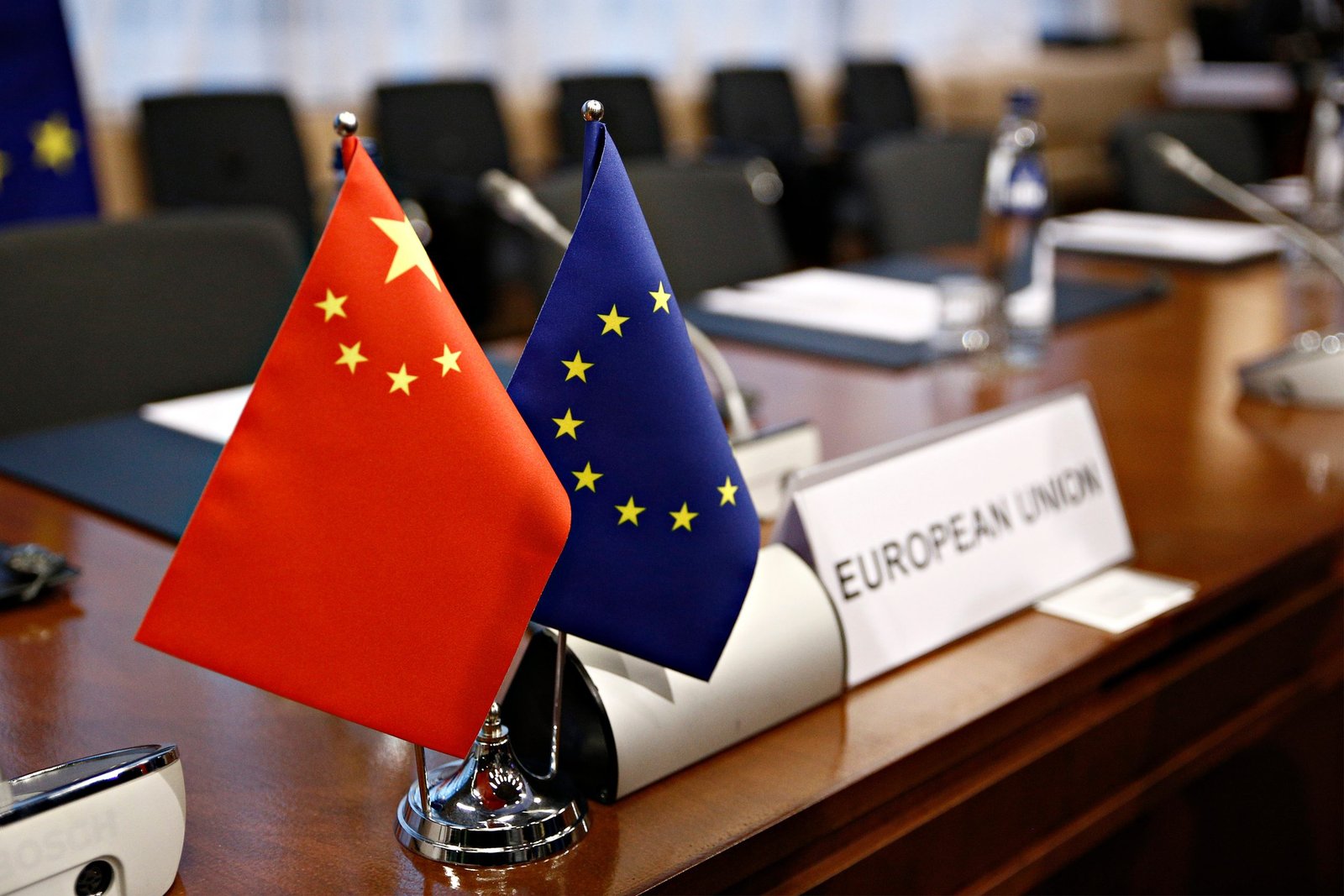

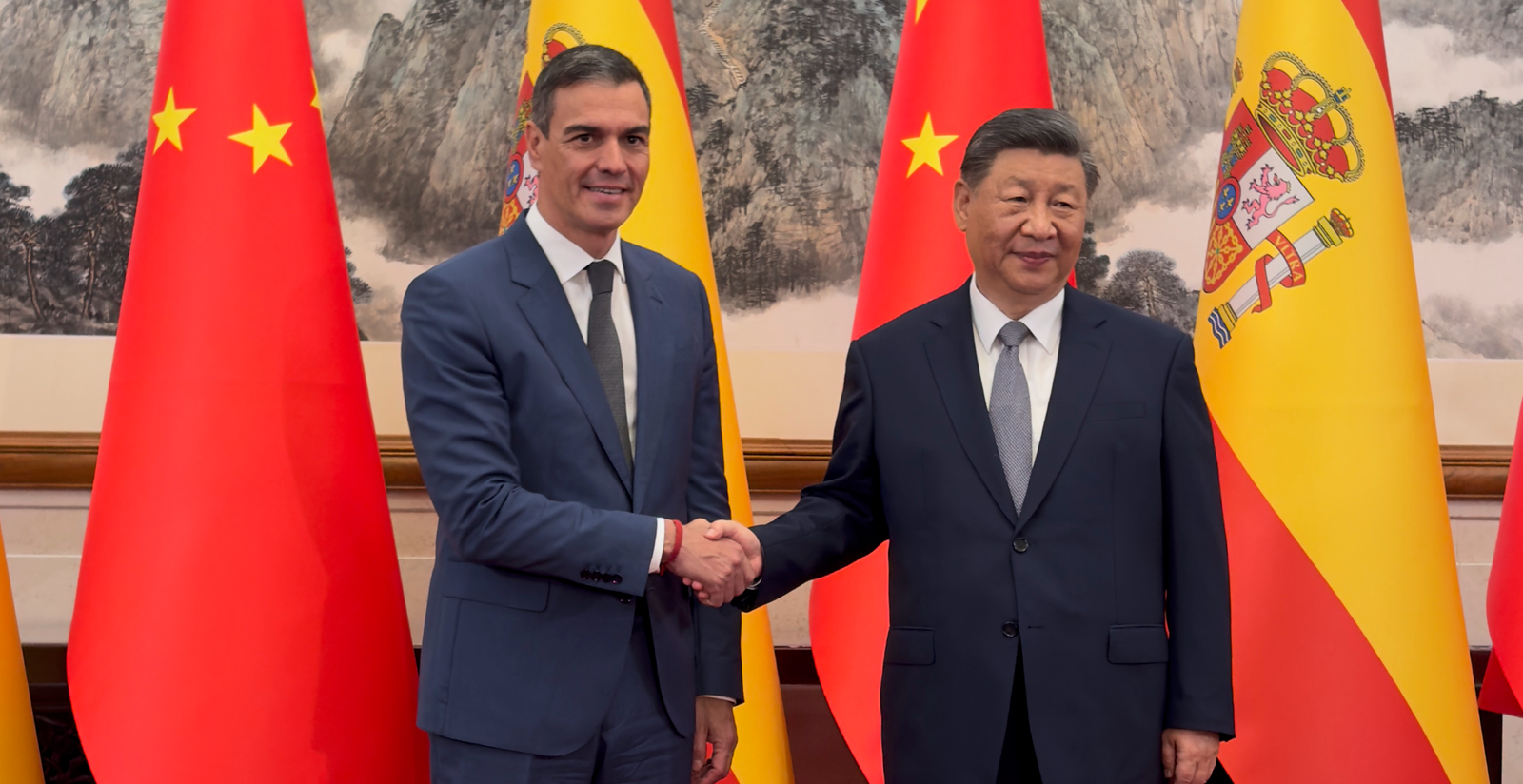
The Economic Imperative: Addressing an “Unsustainable” Imbalance
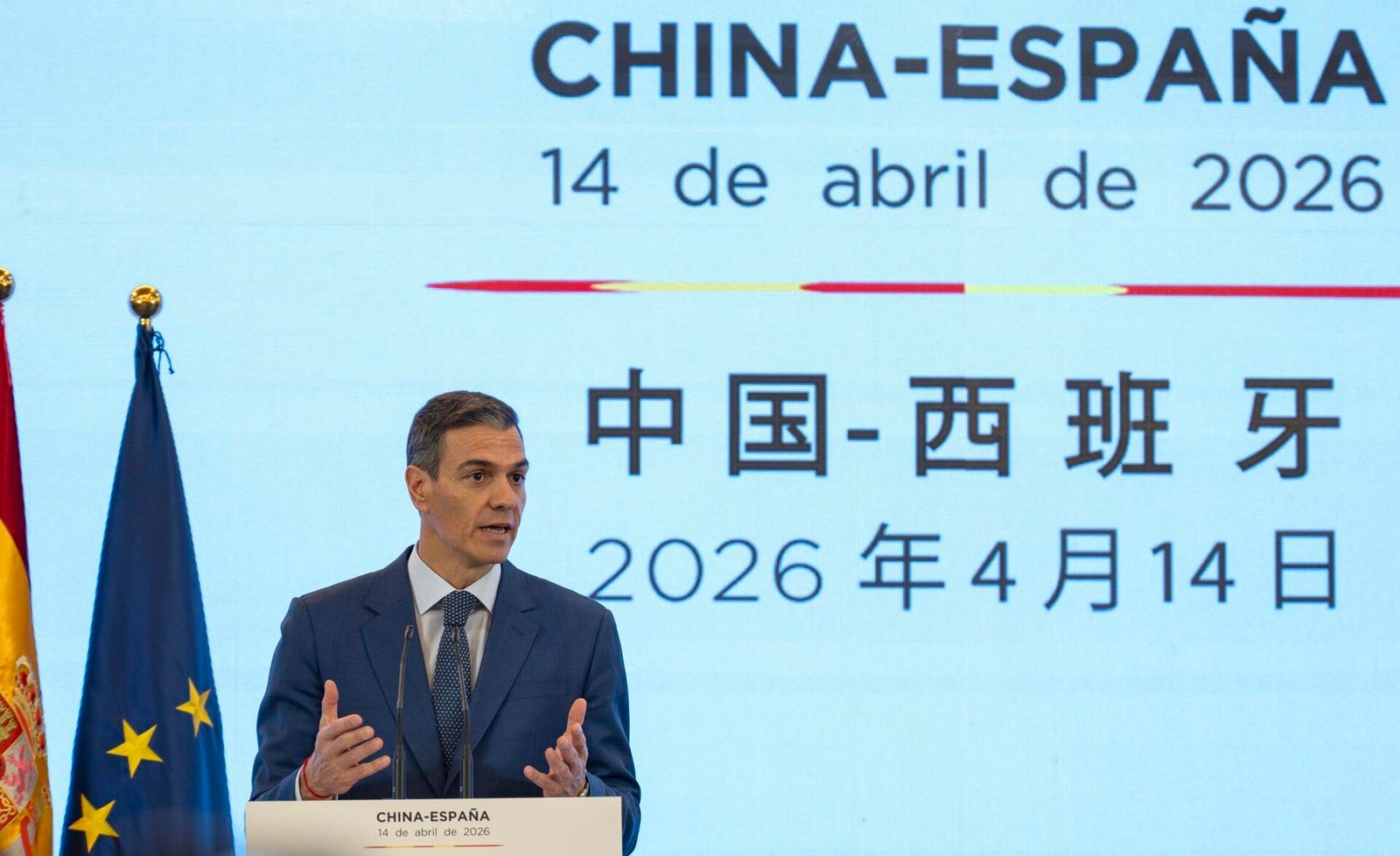
At the core of Sánchez’s visit is a pragmatic drive to recalibrate a heavily skewed economic relationship. While China represents Spain’s largest trading partner outside the European Union, the bilateral trade dynamics have become a structural vulnerability for Madrid. In 2025, bilateral goods trade grew by 9.8 percent year-on-year to exceed $55 billion. However, Madrid’s trade gap with Beijing has more than doubled over the past four years, approaching a staggering $50 billion in 2025.
During his visit, Sánchez bluntly described this dynamic as an “excessive” deficit, noting that China now accounts for 74 percent of Spain’s total trade deficit—a figure he labeled long-term “unsustainable”. To address this, the two nations announced 19 new bilateral agreements, a dozen of which are strictly economic. These agreements establish a strategic dialogue and successfully secure expanded Chinese market access for Spanish agricultural products, while simultaneously fostering joint development in Spain’s transport, new energy, and infrastructure sectors.
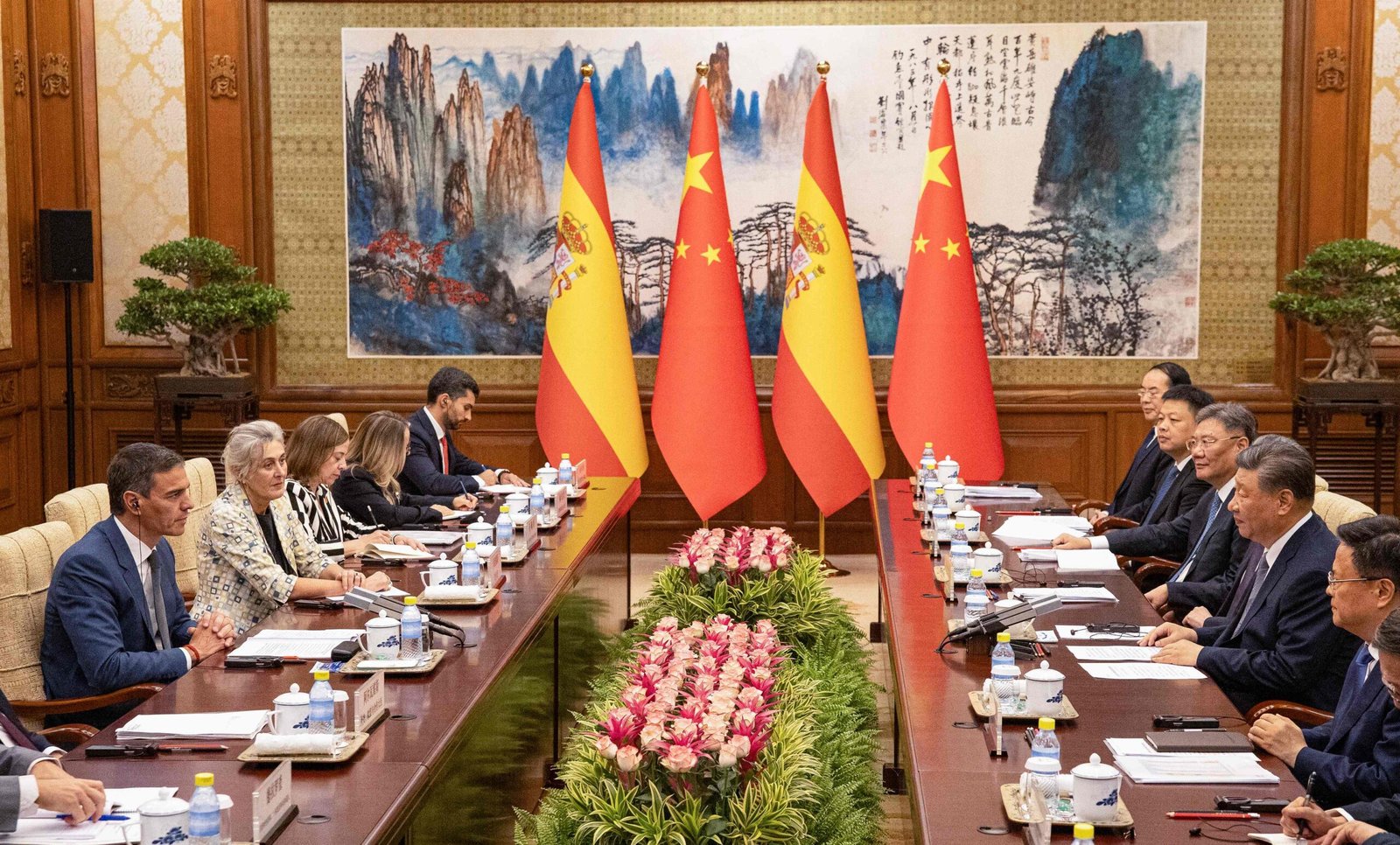
Geopolitical Friction: Defying Washington’s Isolationism
Spain’s pursuit of a multipolar economic strategy has triggered immediate and severe geopolitical friction with the United States. As the Trump administration pushes for a broader Western decoupling from Beijing, Washington views Madrid’s outreach with deep suspicion. U.S. Treasury Secretary Scott Bessent starkly warned that Spain’s attempts to forge closer trade relations with China were akin to “cutting your own throat”.
This trans-Atlantic tension is further compounded by the crisis in the Middle East. President Donald Trump has actively threatened to cut trade with Spain following the Spanish government’s refusal to allow the U.S. to use its military bases for strikes against Iran, which is a key economic partner of Beijing. Anticipating Washington’s ire, Sánchez firmly stated in Beijing that “no one should take offense at this visit,” arguing that it is fundamentally in both Spain’s and Europe’s best interests to strengthen ties with China.
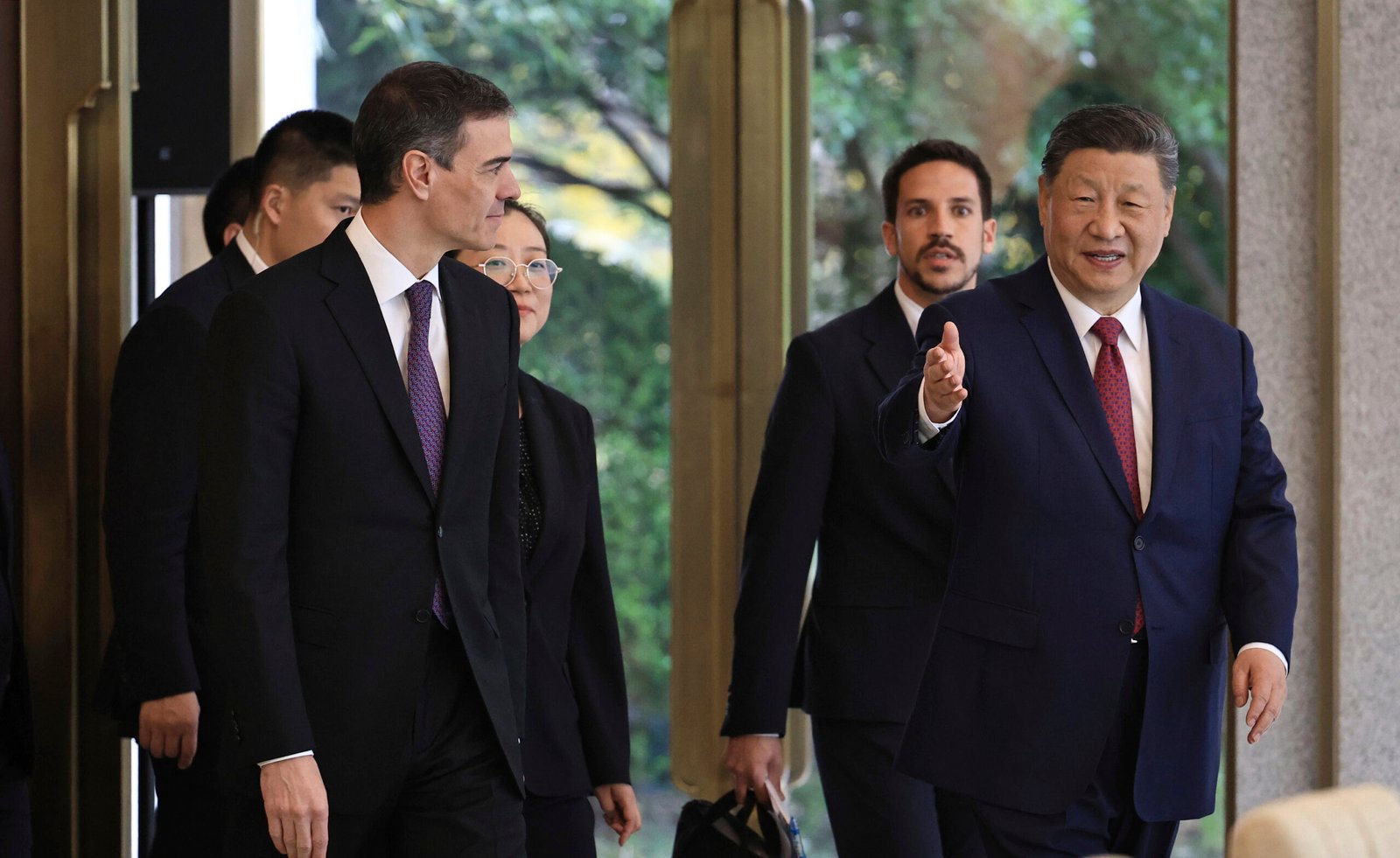
A Shared Rhetoric on Multilateralism and Middle East Peace
In Beijing, both leaders capitalized on the diplomatic space vacated by the United States. President Xi Jinping praised Spain for acting with “moral rectitude,” declaring that both nations are standing “on the right side of history”. Xi explicitly urged Sánchez to help reject a global regression into the “law of the jungle,” a warning against the selective use of international law and the prevailing “law of the strongest”.
Sánchez reciprocated by urging China to leverage its influence to mediate global conflicts, particularly in the Middle East. Citing the grave situations in Gaza, Lebanon, Iran, and the Strait of Hormuz, Sánchez noted that he finds it “very difficult to imagine any other partners capable of resolving this situation… other than China”. Both leaders ultimately called for UN reforms that accurately reflect today’s multipolar reality, rather than a system dominated by Western hegemony.
Historical Complexities and the Future of the EU-China Nexus
While the current diplomatic messaging is overwhelmingly positive, Sánchez’s historical relationship with Beijing has required navigating significant hurdles:
- In 2018, during President Xi’s state visit to Spain, Sánchez notably refused to sign a memorandum of understanding on China’s flagship Belt and Road Initiative.
- In 2019, Spain signed a joint UN letter condemning China’s alleged mistreatment of the Uyghur minority in Xinjiang.
- During the COVID-19 pandemic in 2020, diplomatic friction briefly flared when Spain received hundreds of thousands of defective test kits and faulty face masks from Chinese suppliers, leading to infections among Spanish healthcare personnel.
- More recently, in July 2025, the EU raised security concerns after the Spanish government contracted the Chinese tech giant Huawei to manage wiretaps for its intelligence services.
Despite these historical friction points, experts view the current alignment not as a sudden pivot, but as the maturation of a long-term strategy. Jordi Bacaria, an international relations expert at the Autonomous University of Barcelona, emphasized that these diplomatic relations are “not improvised,” but rather “the result of many years of work” built at the highest institutional levels.
Looking toward the future, Spain’s defiance of U.S. pressure may serve as a blueprint for the broader European Union. The European Commission is increasingly backing Sánchez’s pragmatic approach; Stéphane Séjourné, the European Commission Vice President, recently affirmed that the EU needs Chinese investment and explicitly counseled against adopting the U.S.’s isolationist stance. Ultimately, Sánchez’s visit signifies that Spain—and potentially the wider EU—is committed to managing differences responsibly and embracing a multipolar world order built on practical cooperation rather than ideological containment.