
Historical Context: A Legacy of Referendums
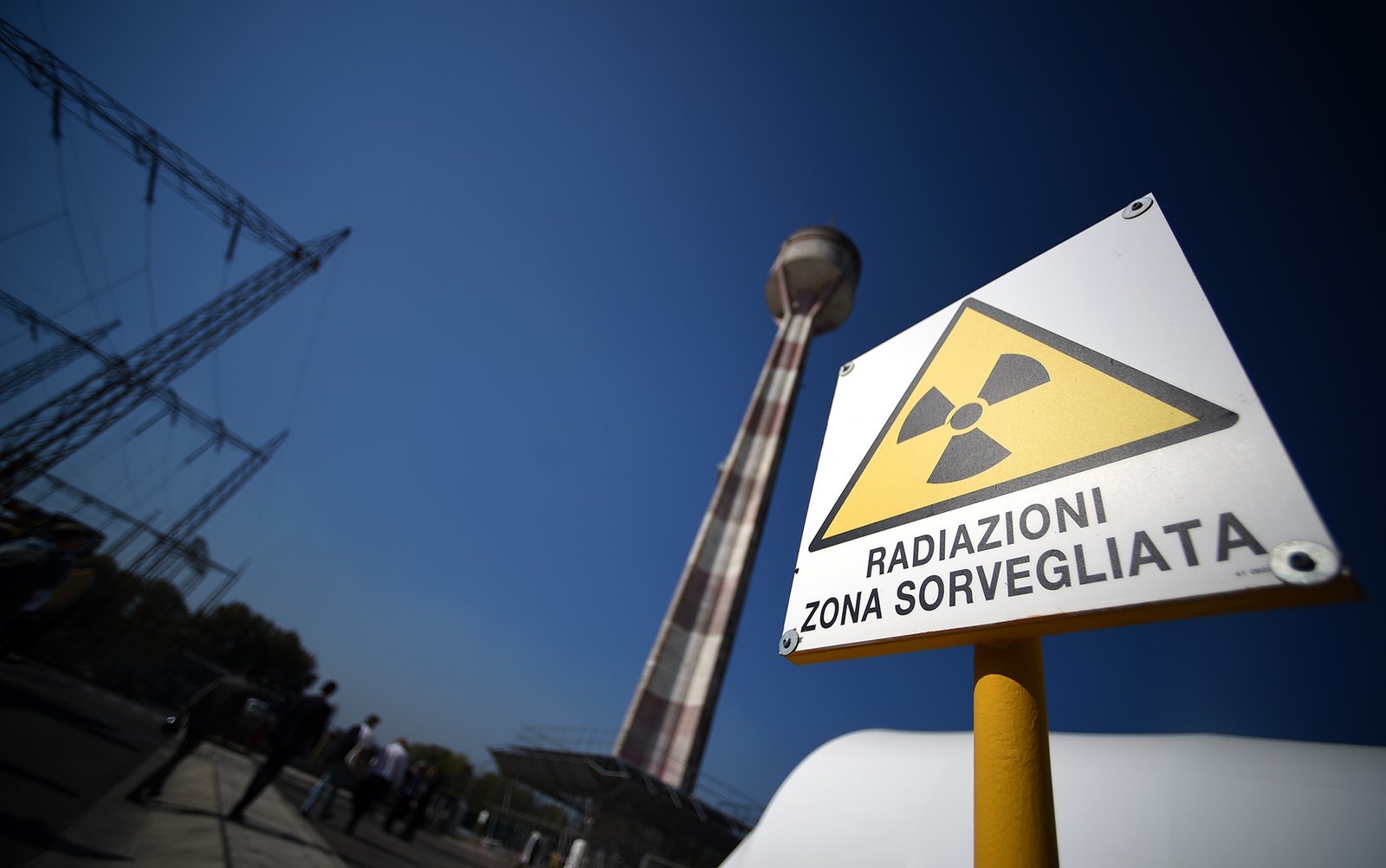
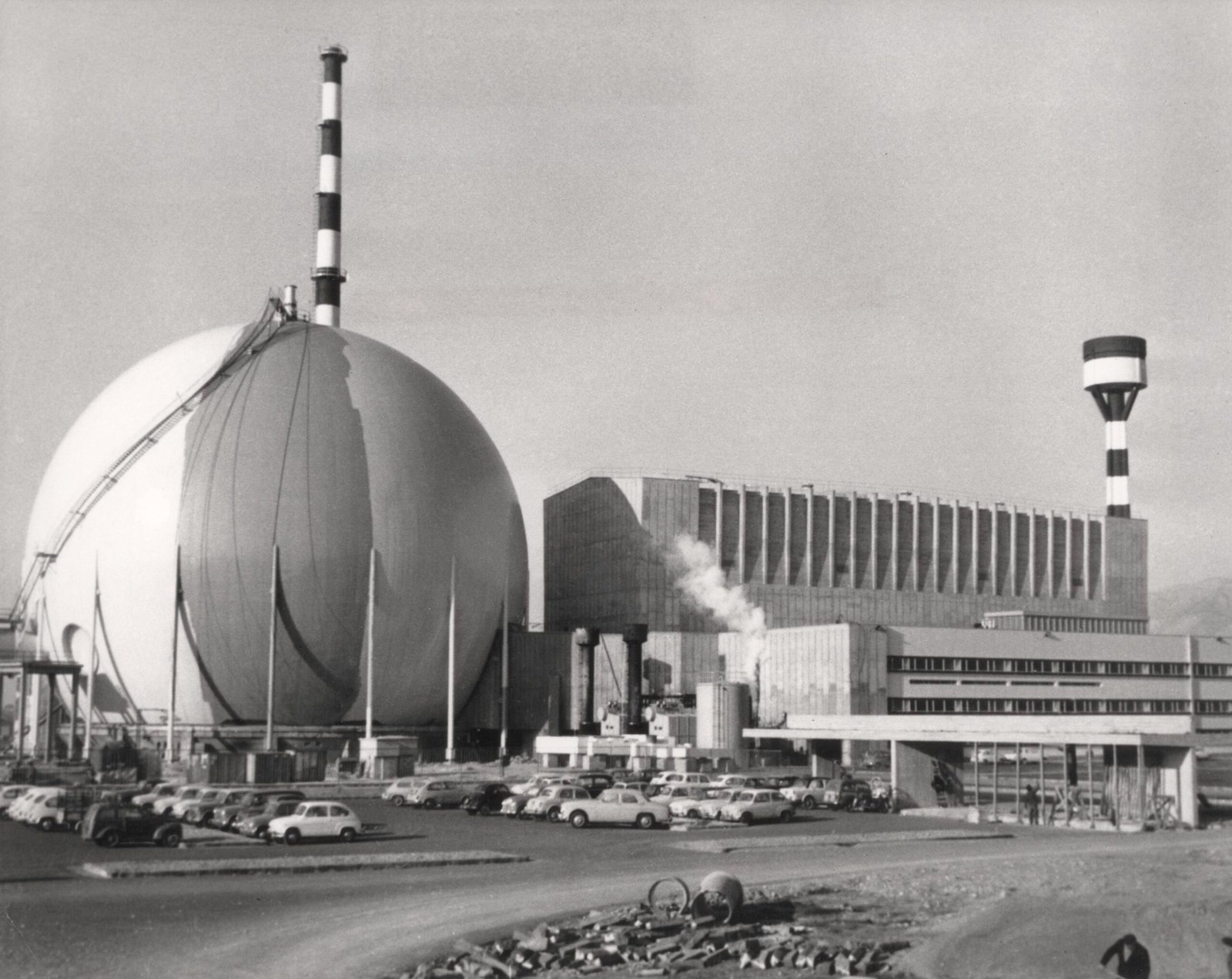
Nuclear energy has been a highly sensitive and politicized topic in Italy for forty years. As a pioneer in civil nuclear research, Italy successfully operated four nuclear power plants starting in the early 1960s. A crown jewel of this era was the Caorso plant, featuring an 860-megawatt reactor that began operating in 1978 and was considered the most modern in the country.
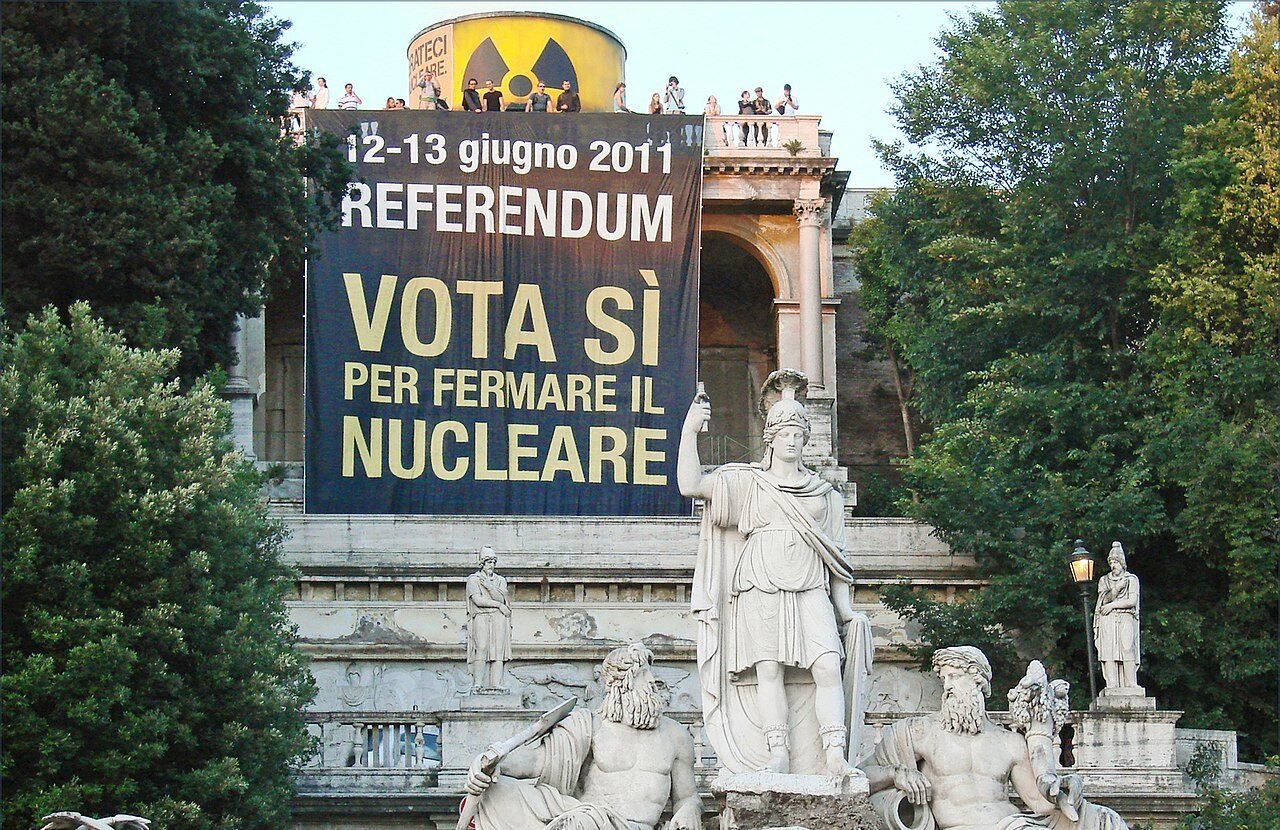
However, following the 1986 Chernobyl disaster, a 1987 national referendum led Italians to overwhelmingly reject nuclear power, resulting in a gradual phase-out and the closure of the last operating plants—Caorso and Trino Vercellese—in 1990. A second attempt to revive the sector in 2011, led by then-Prime Minister Silvio Berlusconi, was decisively defeated; following the Fukushima accident, 94% of voters rejected the construction of new nuclear reactors.
The Energy Paradox and True IEA Economic Reality
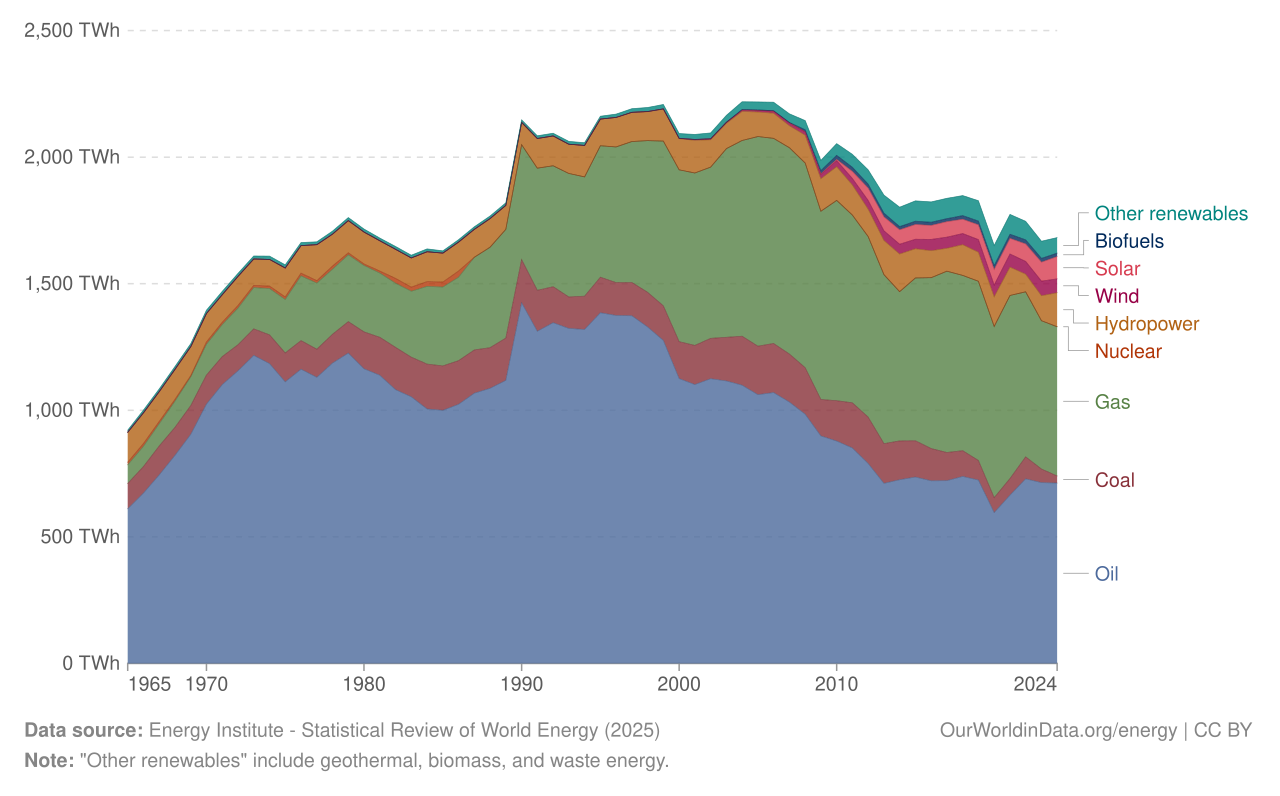
The decades-long abandonment of nuclear power has left Italy heavily dependent on foreign energy and fossil fuels. While standard political narratives frequently conflate electricity production with the broader energy landscape, data from the International Energy Agency (IEA) reveals the true, complex scale of Italy’s fossil fuel reliance:
- The Electricity Mix: Natural gas remains the dominant backbone of Italian power generation, accounting for roughly 44% of the country’s electricity mix. Coal and oil together make up approximately 5% of electricity generation. This heavy reliance on gas-fired generation leaves Italy’s wholesale power market uniquely exposed to price shocks.
- The Total Energy Supply Supply (TES) Reality: When analyzing total energy consumption—which includes transport, heavy industry, and residential heating—the reliance on fossil fuels deepens significantly. Natural gas accounts for roughly 40% of Italy’s total energy supply, while oil and oil products still command a massive 35.6% share. Coal sits at 1.8%. Combined, fossil fuels lock Italy into a 77% dependency rate for its core energy needs.
- The Import Paradox: Despite the domestic ban on nuclear reactors, Italy runs a major energy deficit, actively importing electricity from neighboring France and Switzerland. This arrangement means that approximately 5% of the electricity demanded on Italian soil is actually generated by foreign nuclear power.
The New Strategy and Technological Focus
To address these deep-rooted economic vulnerabilities and align with European decarbonization goals for 2050, the government’s new mandate includes developing a National Programme for Sustainable Nuclear Power, creating an independent Nuclear Safety Authority, and strengthening scientific and industrial research.
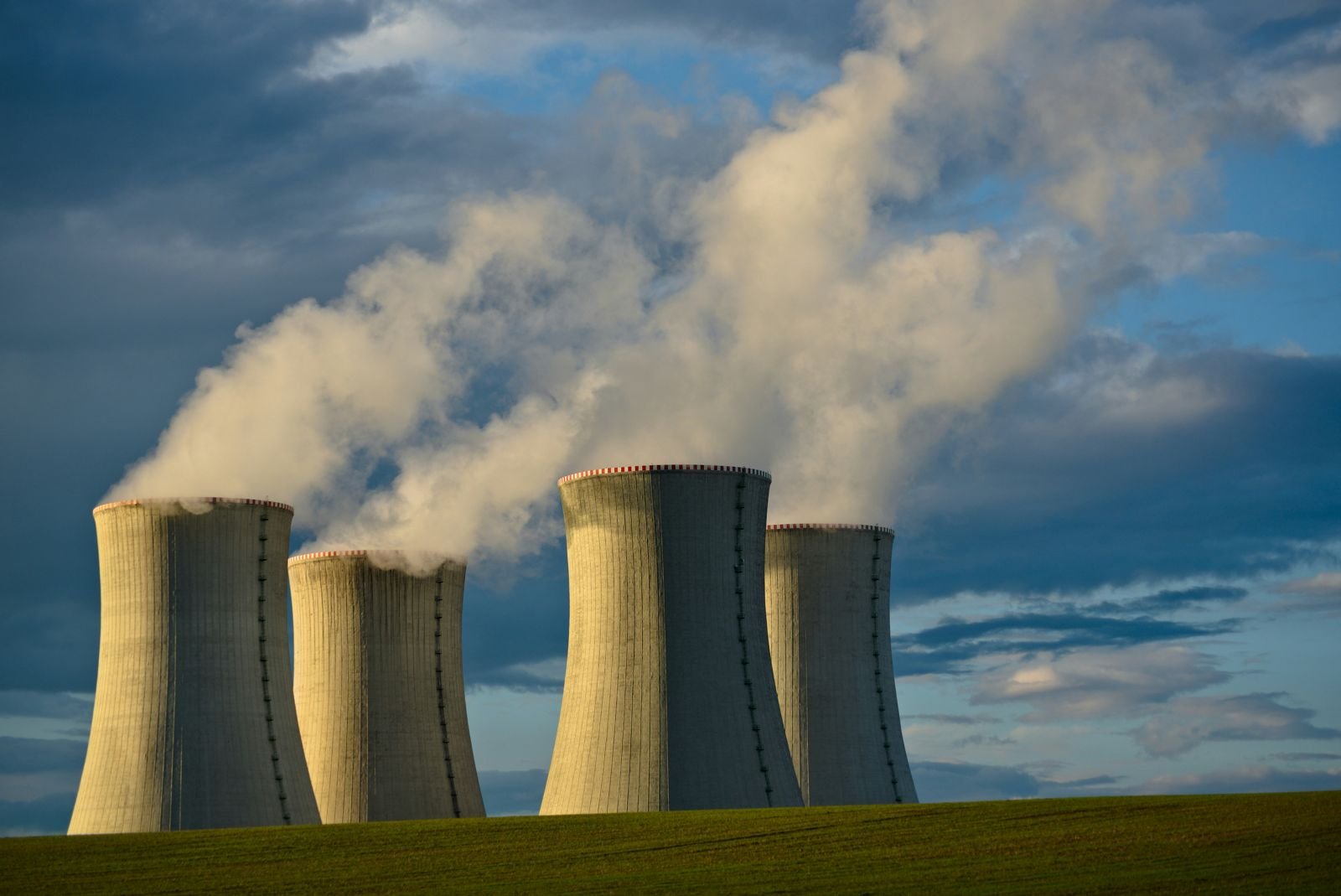
Technologically, the government is bypassing traditional, large-scale nuclear infrastructure in favor of Small Modular Reactors (SMRs). These compact units are designed to be smaller than traditional reactors and are theoretically faster and cheaper to build. To support this technological leap, Italian officials have initiated strategic contacts with international partners—including Canada, France, the United States, and South Korea—to explore collaborations on advanced reactor technologies. Simultaneously, the research body Nuclitalia is actively analyzing the economic viability of these prospective projects.
Expert Opinions and Formidable Hurdles
Despite the strong political momentum, experts warn that the transition will be arduous and time-consuming. While Deputy Prime Minister Matteo Salvini has suggested that Italy could have operational reactors by 2032, industry experts dismiss this timeline as highly optimistic for a country having to rebuild its nuclear sector from scratch. Luca Romano, a pro-nuclear commentator, estimates that building the first reactors will more likely take 12 to 15 years, cautioning that politicians “often do not have a clear idea of the nuclear ecosystem”. Dario Tamburrano, an MEP from The Left group, was far more critical, dismissing the government’s proposal as “political propaganda” and arguing that deployable, next-generation nuclear technology does not yet exist commercially.
Beyond the technological timelines, the most significant obstacles are social and administrative. Experts warn that once the framework law passes, another referendum is highly likely. Pollster Alessandra Ghisleri cautioned that a referendum campaign could easily devolve into a broader political judgment on the ruling government rather than a technical debate over energy policy.
Energy analyst Davide Tabarelli highlighted that local authorities in Italy routinely create obstacles for strategic infrastructure, and nuclear projects will undoubtedly face even stronger regional resistance and administrative court challenges.
Ultimately, while public opinion is shifting—recent polls show support for nuclear energy hovering around 50%, driven by the realities of the Ukraine war and rising costs—Italy’s path back to a nuclear-powered future remains fraught with deep-seated political, social, and logistical complexities.