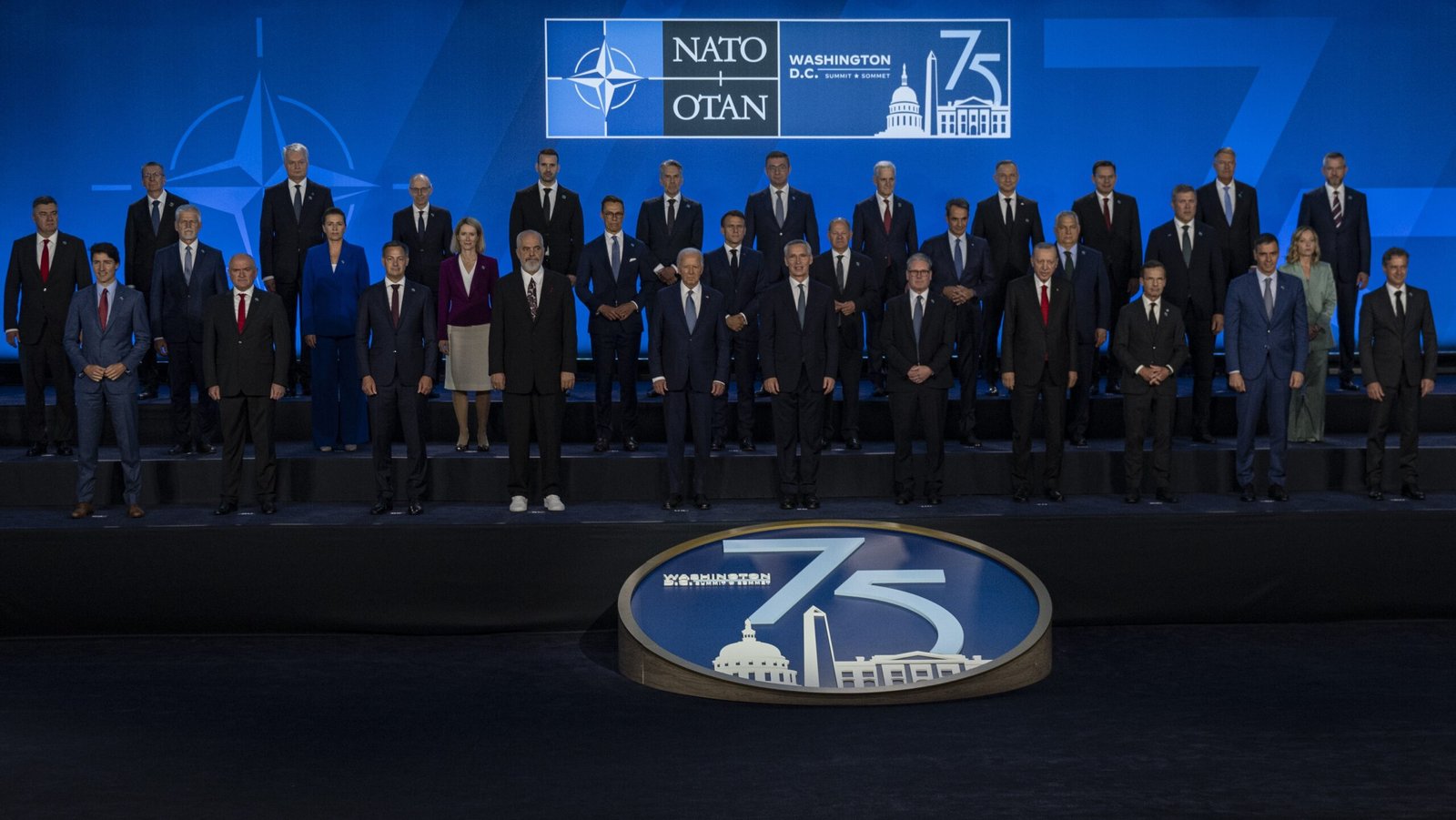

When Allied leaders gather in Ankara on July 7 and 8, 2026, for the NATO Heads of State and Government Summit, they will confront an alliance at a profound historical crossroads. Announced by NATO Secretary General Mark Rutte in August 2025, the summit will take place at the Bestepe Presidential Compound, marking the second time Turkey has hosted NATO’s premier gathering following the Istanbul Summit in 2004.
Coinciding with the 74th anniversary of Turkey’s accession to the North Atlantic Alliance, the Ankara Summit is far more than a ceremonial leaders’ meeting. As Turkish Defense Minister Yasar Guler explicitly stated ahead of the summit, it represents a “significant turning point demonstrating NATO’s determination to adapt to the evolving security environment and shaping its strategic orientation for the future”.
However, beneath the pre-crafted scripts and traditional diplomatic calls for unity lies a severe institutional rift. Driven by structural retrenchment from the United States, deep strategic divergences over the threat posed by Russia, and an urgent push for European “burden-shifting,” the Ankara Summit will force member states to grapple with what a European-led and European-owned security order practically requires.
The Transatlantic Rift and Permanent U.S. Retrenchment
For decades, the fundamental assumption among Transatlanticists has been that without the American security umbrella—which has guaranteed collective deterrence for over 75 years—NATO would devolve into a “paper tiger”. That security umbrella is now actively folding.
The root of tensions within NATO is a fundamental strategic divergence: European capitals perceive a severe, existential threat from Moscow, whereas the United States no longer views Russia as a conventional military challenge and is increasingly unwilling to commit military resources to underwrite European defense. This retrenchment is not merely an ideological posturing of President Donald Trump, but rather the culmination of a two-decade-long shift in U.S. strategic priorities.
The new U.S. National Security Strategy formally executes this pivot toward the Americas. Outlining the “Trump Corollary” to the Monroe Doctrine, Washington has explicitly stated it will prioritize America First and deny non-hemispheric competitors the ability to position military forces or control strategically vital assets in the Western Hemisphere. Furthermore, the document questions the long-term allegiance of European allies, projecting that within a few decades, certain NATO members will become “majority non-European”.
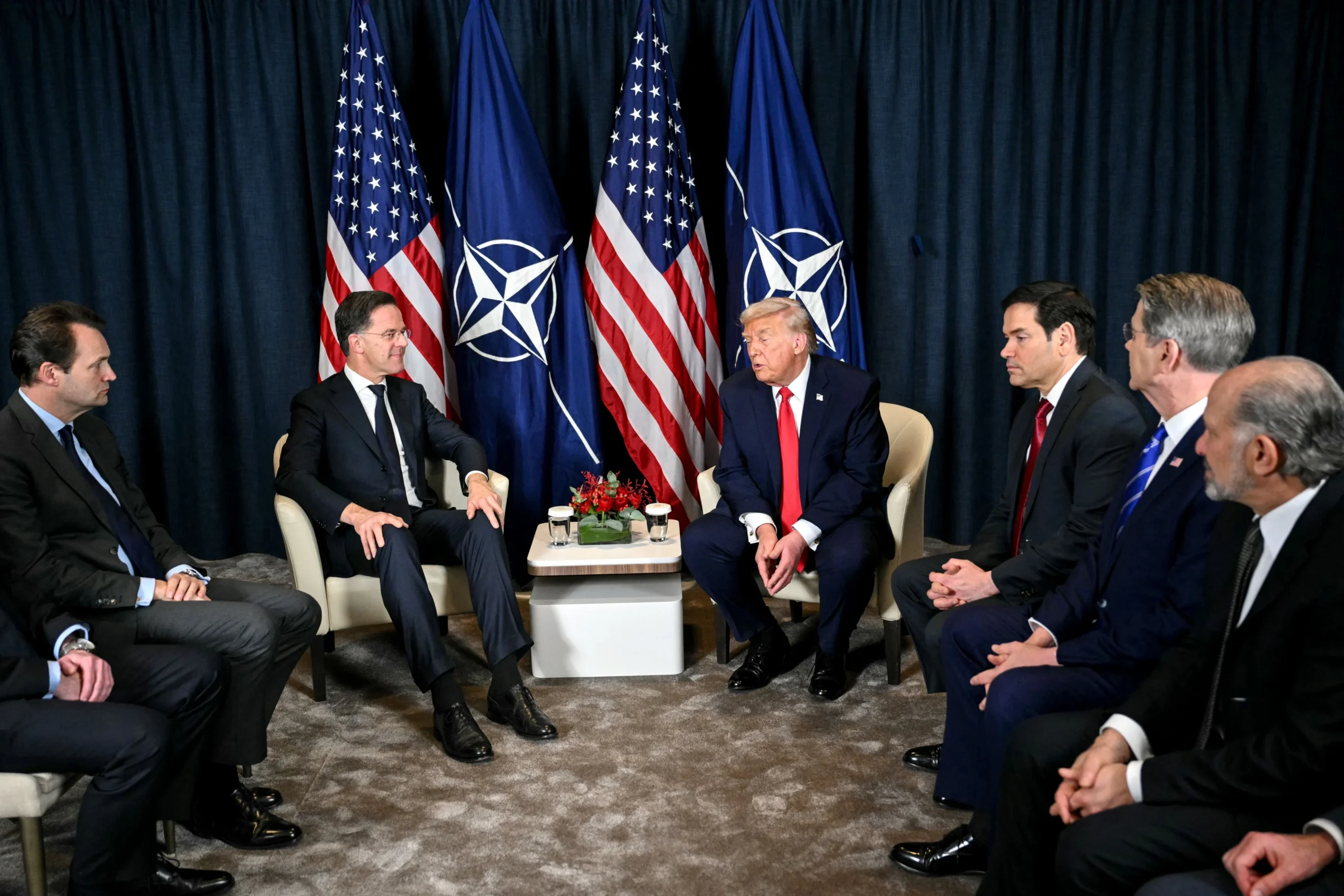
Translating this benign view of Russia into operational reality, the Trump administration already warned European allies in May 2026 that it would reduce the military capabilities available for future crises. U.S. retrenchment is expected to be permanent, with Washington increasingly treating NATO as a localized platform for U.S. power projection rather than a collective European security mechanism.
Burden-Shifting: The European Response and the 5% GDP Target
Facing a U.S. President who undermines the alliance’s deterrent capabilities while Europe remains unable to fully compensate, European leaders are actively assembling the building blocks of a “Europeanized” security order. Public opinion heavily backs this evolution; a study by the Bertelsmann Stiftung indicates that over 70% of Europeans believe Europe should “go-it-alone” on defense after decades of reliance on the United States. To build this independent capability, the Ankara Summit will focus on aggressive, tangible financial and industrial outcomes:
The 5% Defense Benchmark: Allies will be pressured to demonstrate concrete trajectories to meet the ambitious goal of allocating at least 5% of their GDP to defense and security expenditures by 2035—a vital benchmark agreed upon at The Hague Summit in 2025.
Industrial Readiness: To ensure financial pledges materialize into actual military assets, NATO will host its second Defence Industry Forum on the margins of the summit. The objective is to right-size the transatlantic defense base, reform procurement frameworks, and mobilize private capital.
The EU’s Growing Pillar: The European Union is acting as a high-level coordination body, with nascent discussions on transforming the mutual assistance clause of the EU treaties into a collective defense mechanism. The European Commission has expanded the single market to defense procurement and granted greater fiscal flexibility to eurozone members, prompting discussions that draw inspiration from the historical, unratified European Defence Community.
The Deep Strike Liability and ISR Gaps
A critical operational capability gap that European allies must address in Ankara is the European Long-Range Strike Approach (ELSA). The high-intensity conflicts in Ukraine and the Persian Gulf have demonstrated that deep strikes work best when applied continuously against an adversary’s critical infrastructure, communications, and logistics.
Currently, Europe’s conventional arsenal only ranges out to roughly 500 kilometers, leaving Russia’s 2,000-kilometer operational depth largely unthreatened. Conversely, Ukraine’s localized deployment of the Flamingo cruise missile—boasting ranges exceeding 1,400 kilometers—has successfully crippled core Russian oil export terminals in the Baltic, such as Primorsk and Ust-Luga.
However, ELSA suffers from being overly “platform-centric,” prioritizing missile purchases over building a cohesive, integrated strike complex. To make ELSA credible, Europe must build an autonomous strike chain and overcome major deficiencies in converting space-based Intelligence, Surveillance, and Reconnaissance (ISR) data into rapid, actionable targeting intelligence during high-intensity warfare.
The Black Sea Imperative
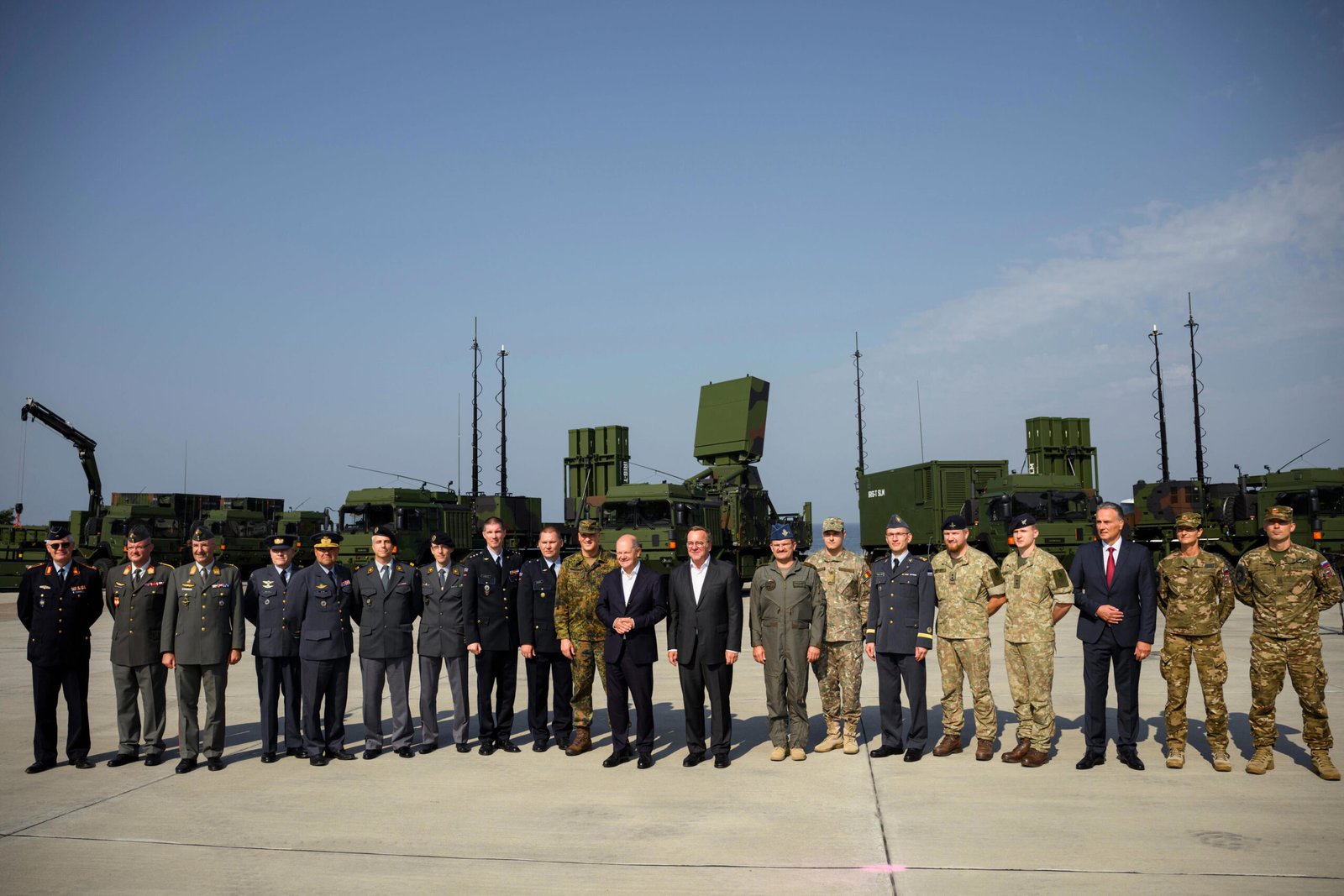
Securing the Black Sea remains a foundational strategic priority tied directly to European deterrence and the survival of any future Ukrainian ceasefire. Following Russia’s full-scale invasion in 2022 and its extensive militarization of occupied Crimea, commercial shipping and global grain corridors have faced severe hybrid coercion.
In Ankara, the “coalition of the willing” will push for a structured maritime security framework that guarantees freedom of navigation along the vital Danube and Black Sea-Baltic corridors. Primary enforcement responsibility will fall to littoral states—specifically Romania, Bulgaria, and Turkey—working alongside Ukrainian coastal defense systems (anti-ship missiles and maritime drones) while strictly adhering to the legal naval constraints of the Montreux Convention.
To enforce compliance, this military monitoring will be backed by the proposed EU Black Sea Maritime Security Hub centered in Romania, combined with an automatic attribution mechanism that triggers instant sanctions escalation and expanded military aid to Ukraine upon any predefined Russian violation.
Beyond Vague Promises
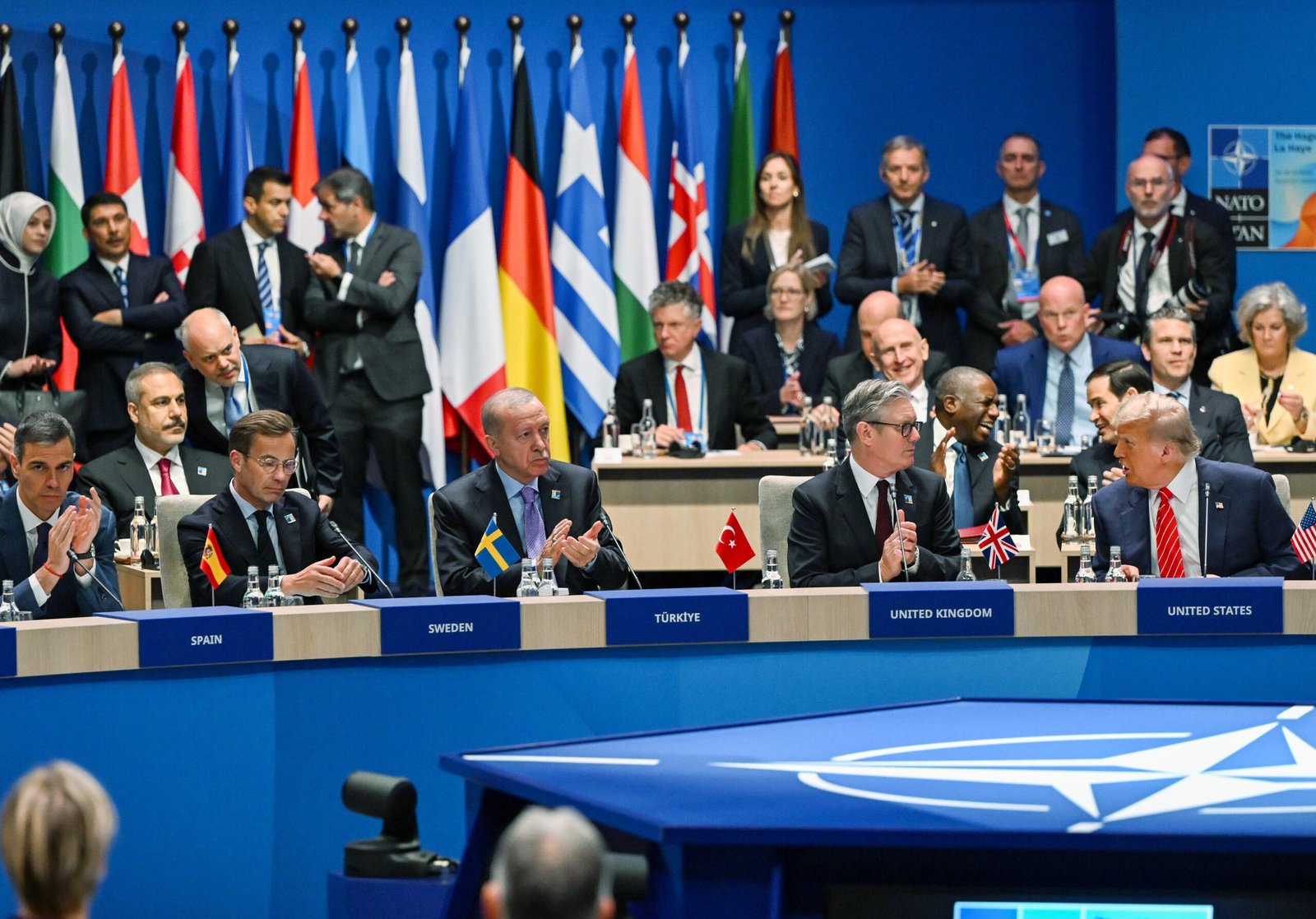
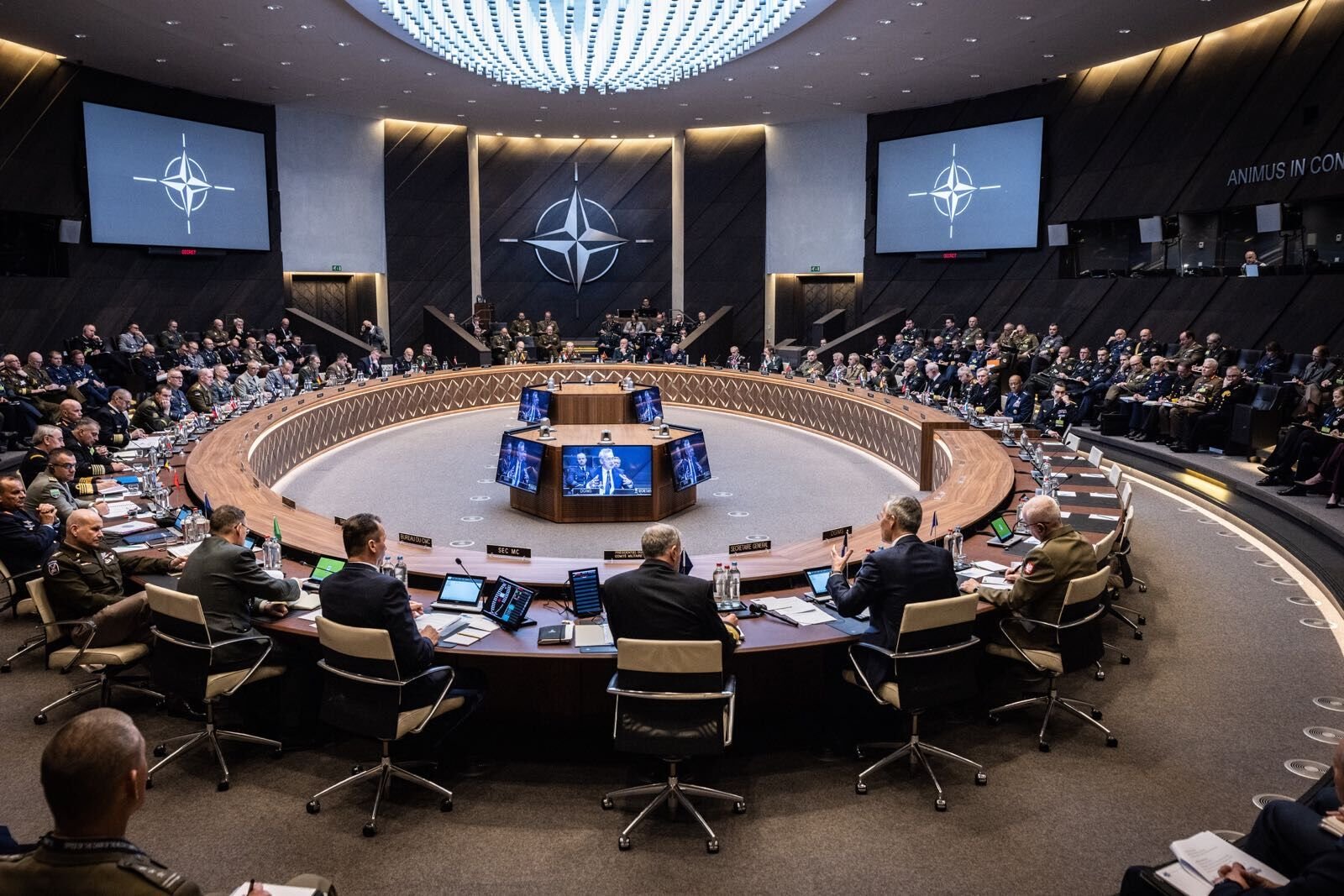
As leaders convene at the Bestepe compound, the enduring lessons of the landmark 2020 report, “NATO 2030: United for a New Era”, will hang heavily over the proceedings. The report’s core thesis—that military might is useless without mutual trust, political unity, and substantive strategic consultation—was starkly validated during recent U.S. military actions alongside Israel against Iran, where Washington launched strikes without consulting European allies and later criticized their lack of support.
Ultimately, the Ankara Summit must clearly reaffirm Article 5 while executing a true “360-degree approach” that simultaneously confronts Russian aggression, Middle Eastern instability, and terrorism. To survive its current crisis of confidence, member states must reject the temptation of adopting vague promises under the banner of “NATO 3.0”. Instead, they must honestly admit that the old transatlantic consensus is dead, roll up their sleeves, and lay the concrete institutional groundwork for a security order capable of defending Europe without the United States.