By the Numbers: A Surging and Balanced Partnership
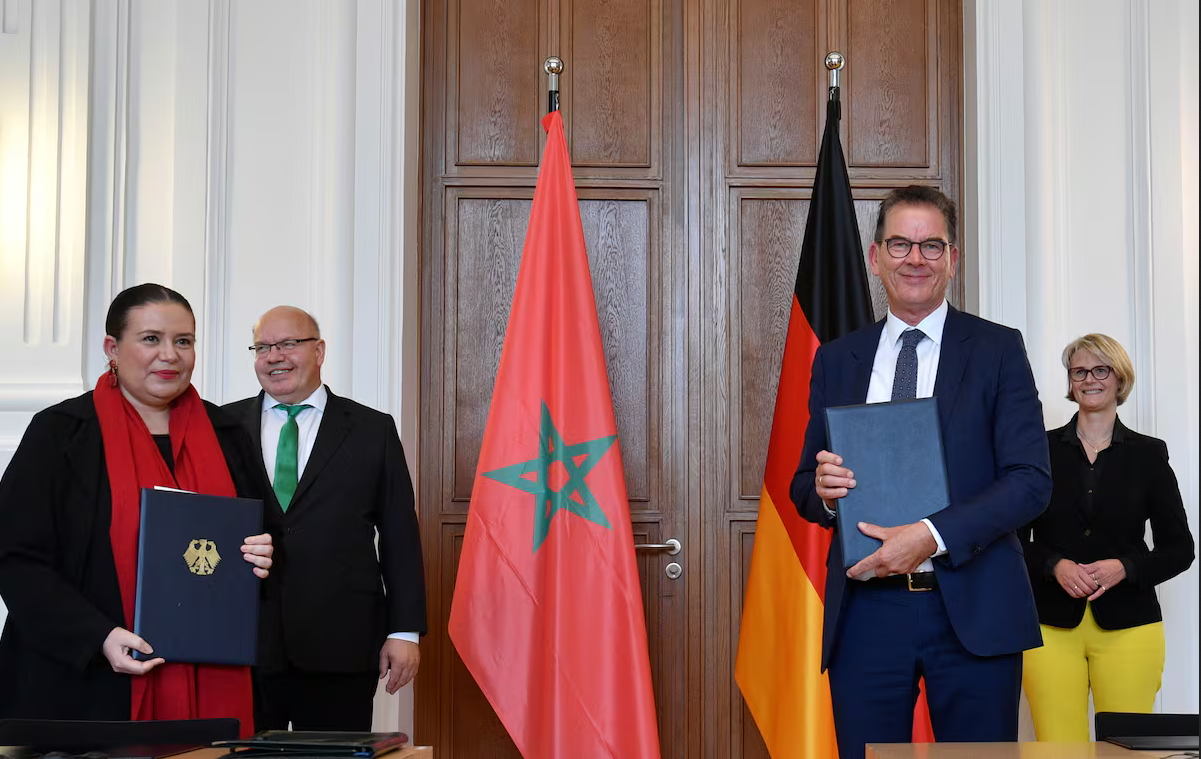
The macro-economic data underscores the rapid maturation of this alliance. In 2024, net flows of German foreign direct investment (FDI) in Morocco reached €2.1 billion. Today, nearly 300 German companies operate within the Kingdom, generating approximately 35,000 skilled jobs.
The trade dynamic is equally robust. Bilateral trade volumes surged to approximately €7.4 billion in 2025, confirming a sustained upward trajectory. German exports to Morocco stood at €3.9 billion, while Moroccan exports to Germany reached €3.5 billion, highlighting a steadily narrowing trade gap. Crucially, the nature of these exports is changing. Morocco is climbing the value ladder, exporting complex industrial products like assembled vehicles and electrical wiring systems, proving that the Kingdom is actively co-producing industrial value rather than merely participating in basic trade.
Anchoring the Physical Supply Chain: Automotive and Logistics
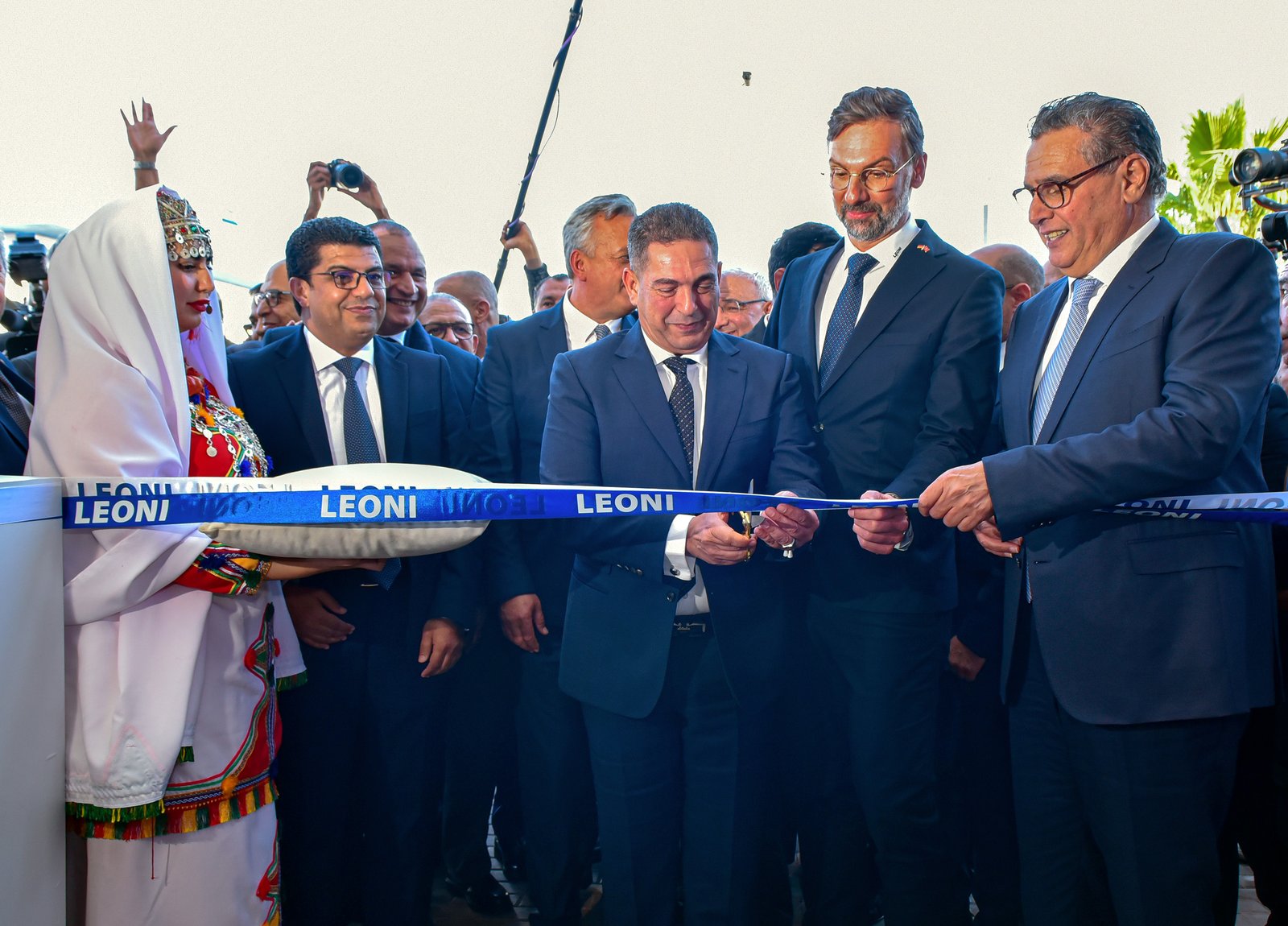
The physical backbone of German investment remains heavily anchored in the automotive and logistics sectors. Leoni, a major German automotive wiring supplier, is fast-tracking a massive expansion aimed at increasing its Moroccan workforce to 23,000 employees by 2027. This includes a landmark €230 million investment in Agadir—the first major automotive investment in the southern region—expected to create 3,000 direct jobs, alongside new developments in Kenitra and Bouskoura.
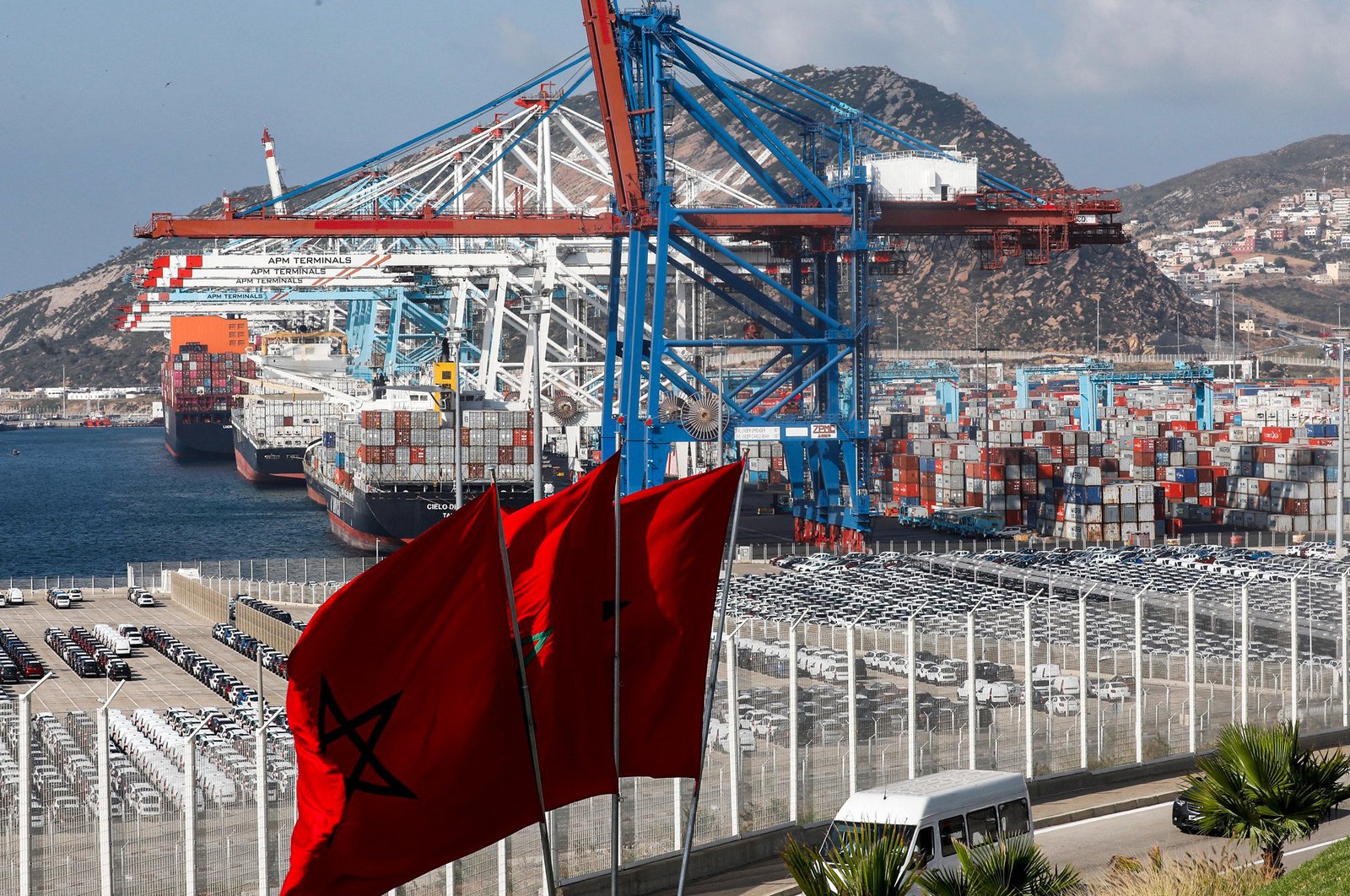
To support these sprawling industrial supply chains, logistics giant Dachser is constructing a 75,000-square-meter facility in Tanger Automotive City, scheduled to open by the end of 2027. Looking toward the future, Dachser is already eyeing expansion into the southern provinces, monitoring the construction of the Dakhla port to unlock new trade corridors into West Africa.
Diversification: Pharmaceuticals and The Digital Frontier
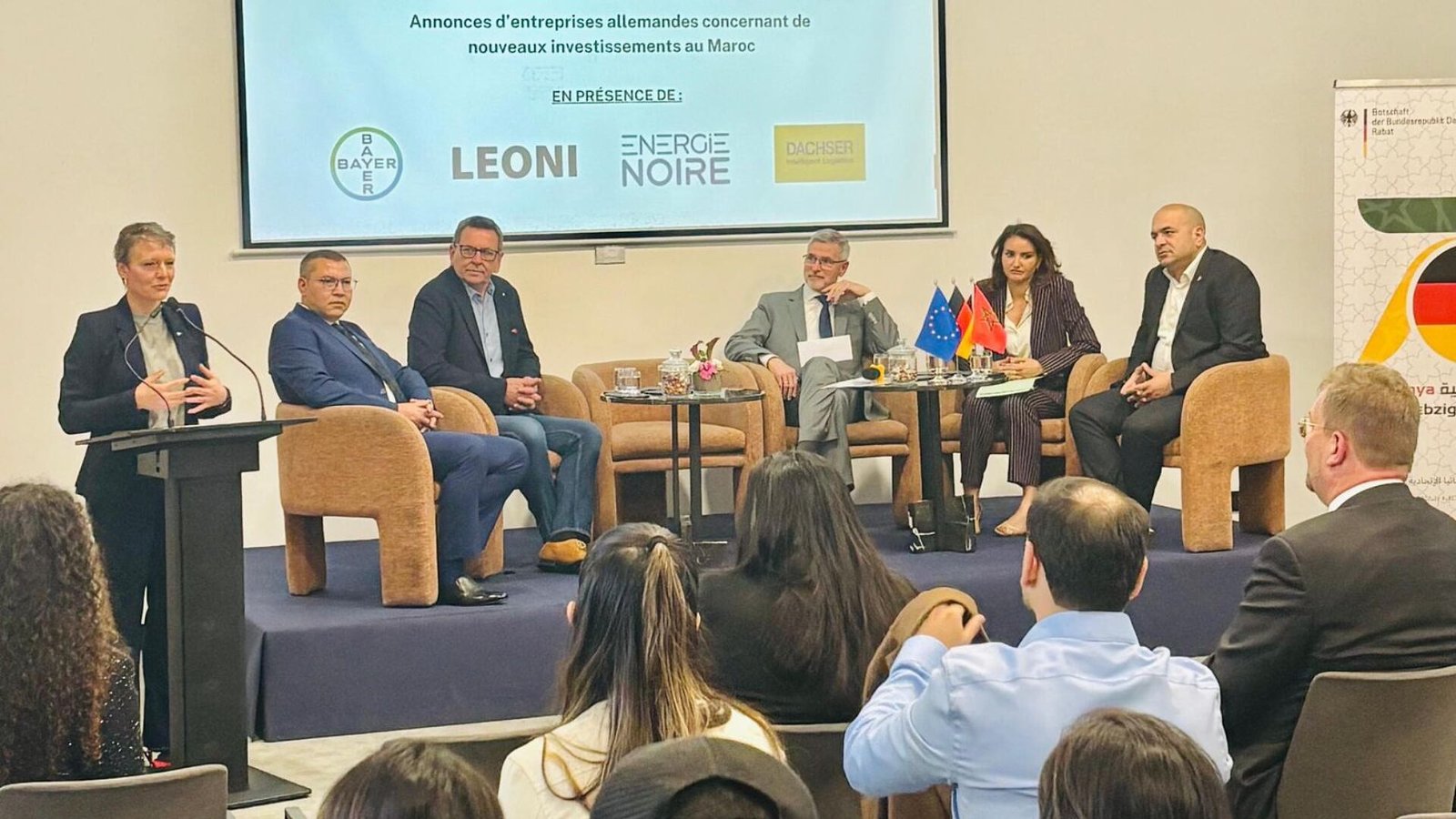
While heavy industry thrives, the most notable shift in German investment is the aggressive pivot toward higher-value knowledge sectors. In pharmaceuticals, the Bayer Group is injecting 200 million dirhams into its Nouaceur plant to launch three new production lines by 2028, positioning the site as a major contributor to Europe’s family healthcare supply.
However, it is the digital and offshoring sector that represents the new frontier. Morocco recently unveiled a strategic vision aiming to double its offshoring revenue to MAD 40 billion ($4 billion) and create 270,000 new jobs by 2030. Recognizing this potential, German software and ERP provider Energie Noire announced the opening of new artificial intelligence and software hubs in Casablanca and Khouribga, along with an IT academy in Fez to nurture local talent.
German IT providers and automotive manufacturers—including Bertrandt AG and the FEV Group—are increasingly using Morocco as a nearshoring base for software testing, validation, and agile development. This transition is heavily supported by Morocco’s strict adherence to data privacy; as Omar Seghrouchni, president of Morocco’s National Data Protection Commission (CNDP), noted, data privacy is acting as “an essential lever for building trust and international competitiveness”.
Expert Perspectives on a Shared Horizon
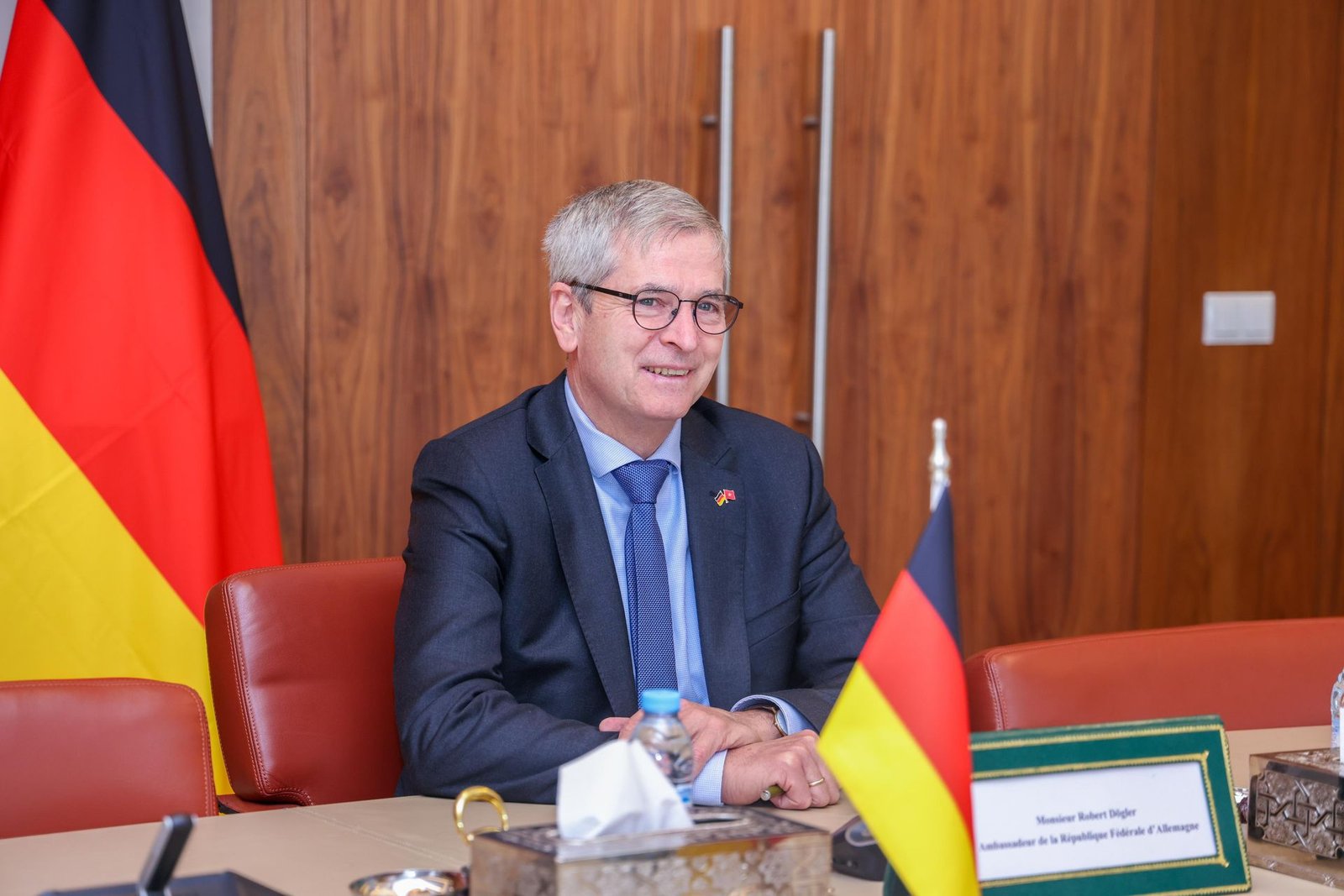
The driving forces behind this investment wave are mutual necessity and strategic alignment. For Germany, investing in Morocco addresses pressing domestic labor shortages and diversifies supply chains in an era of geopolitical uncertainty. German Ambassador to Rabat, Robert Dölger, emphasized that these investments reflect the depth of bilateral ties, driven by Morocco’s undeniable advantages of political stability and geographic proximity.
Katharina Felgenhauer, Director General of AHK Maroc, echoed this sentiment, highlighting that the diversity of the new investments proves Morocco’s growing attractiveness as a destination for advanced nearshoring. Furthermore, Felgenhauer revealed that an ongoing study is currently assessing broader German corporate appetite, suggesting that the recent Casablanca announcements may simply be the “first visible wave of a larger German investment push” into the Kingdom.
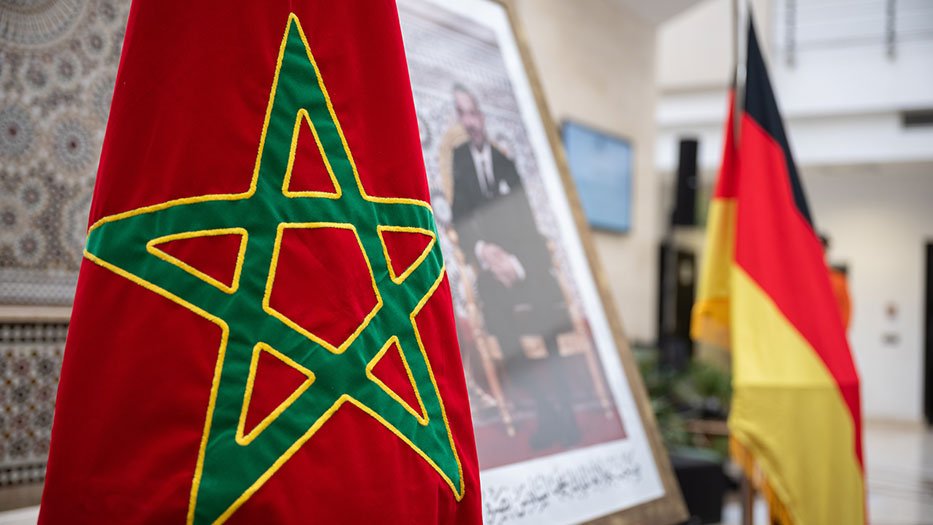
Ultimately, the €7.4 billion trade milestone is not an endpoint, but a robust foundation. By bridging Europe and Africa through shared industrial production, digital innovation, and future green energy convergence, Germany and Morocco are actively building a resilient, modern model for Euro-Mediterranean cooperation.
The Transformative Impact on the Moroccan Economy
The influx of German capital and technological expertise is generating a profound structural transformation within the Moroccan domestic economy. Beyond the immediate creation of tens of thousands of skilled jobs, this partnership addresses one of Morocco’s most pressing macroeconomic vulnerabilities: its structural trade deficit. By successfully exporting high-value IT services, engineering solutions, and complex automotive components to Germany, Morocco is securing a critical, sustainable revenue stream that balances its international trade profile.
Furthermore, these investments are democratizing economic development across the Kingdom’s geography. While historical investments often concentrated heavily in the Tangier and Casablanca hubs, the current wave of German capital is decentralizing wealth generation. By establishing a major €230 million automotive hub in Agadir, expanding IT training into Fez, and opening software centers in Khouribga, these initiatives ensure that diverse regions participate in and benefit from the country’s industrial modernization. The introduction of targeted training programs and IT academies also initiates a vital transfer of technology and expertise, permanently elevating the skill level of the Moroccan workforce.
Reshaping the Mediterranean Economic Architecture
On a broader regional scale, the deepening German-Moroccan alliance is actively reshaping the economic architecture of the Mediterranean basin. As global supply chains face unprecedented geopolitical friction, Germany’s strategic pivot to Morocco serves as a blueprint for European nearshoring. By relocating critical manufacturing, software validation, and logistics operations from distant Asian markets to the southern shores of the Mediterranean, Europe is shortening its supply lines and significantly enhancing its industrial resilience.
This dynamic transforms the Mediterranean from a geopolitical fault line into a highly integrated space of co-production and shared prosperity. Facilities like Tanger Automotive City are no longer just national assets; they act as vital Mediterranean gateways that efficiently connect European single-market demands with African resources and labor. As Morocco and Germany explore further cooperation in renewable energy—specifically green hydrogen—the Mediterranean stands to become a central corridor for the global energy transition. Ultimately, this partnership operationalizes North-South solidarity, proving that true geopolitical stability in the Mediterranean is best achieved through deep, mutually beneficial economic integration.