





History and Founding Rationale
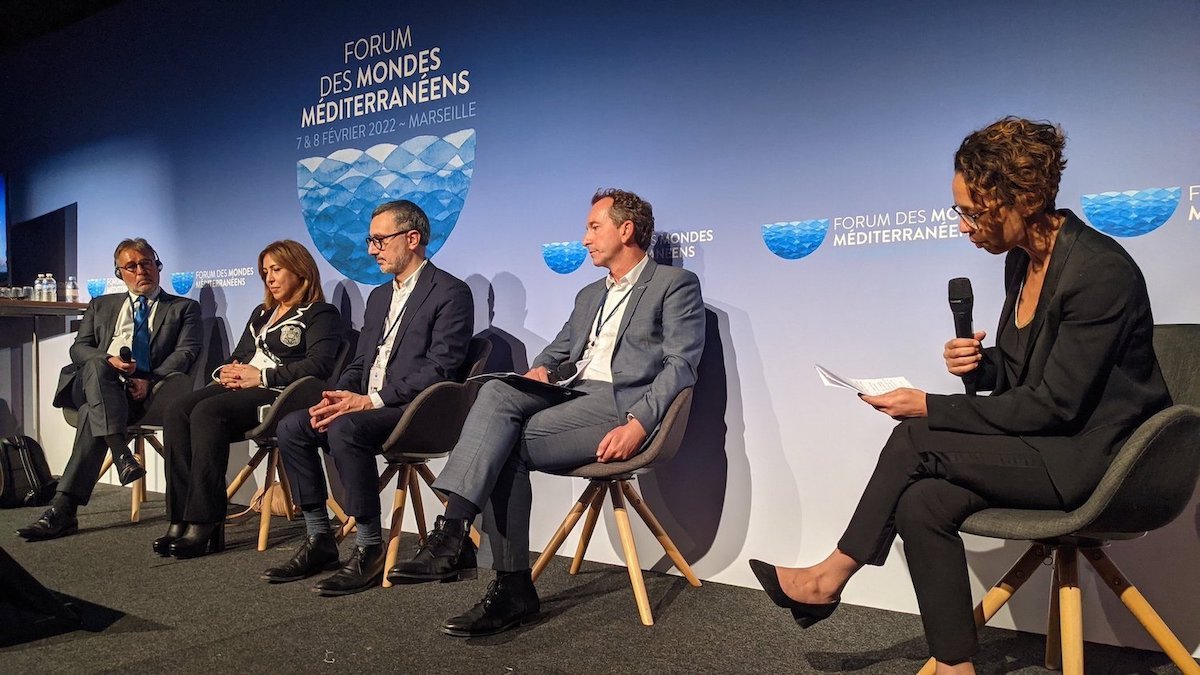
The conceptual roots of the MCCD initiative represent a powerful “bottom-up” approach to regional policy, emphasizing collaboration between local governments and civil society. The idea was first formalized in February 2022 at the Forum des Mondes Méditerranéens in Marseille, where over 200 young civil society representatives from more than 20 countries recommended creating a “Capital of the Mediterranean” to stimulate networking, empower civil society, and highlight local talent.
This grassroots vision was swiftly endorsed by the Ministers of Culture of the Euro-Mediterranean region during a June 2022 conference in Naples. Consequently, during their 7th Regional Forum in November 2022, the 43 Member States of the UfM officially launched the initiative. The foundational rationale of the MCCD is threefold: to reinforce a shared Euro-Mediterranean identity, to promote innovative territorial cooperation between cities, and to enhance grassroots collaboration. Each year’s programming culminates in a major celebration on November 28, the Day of the Mediterranean.
Architecting Parity: The North-South Dynamic
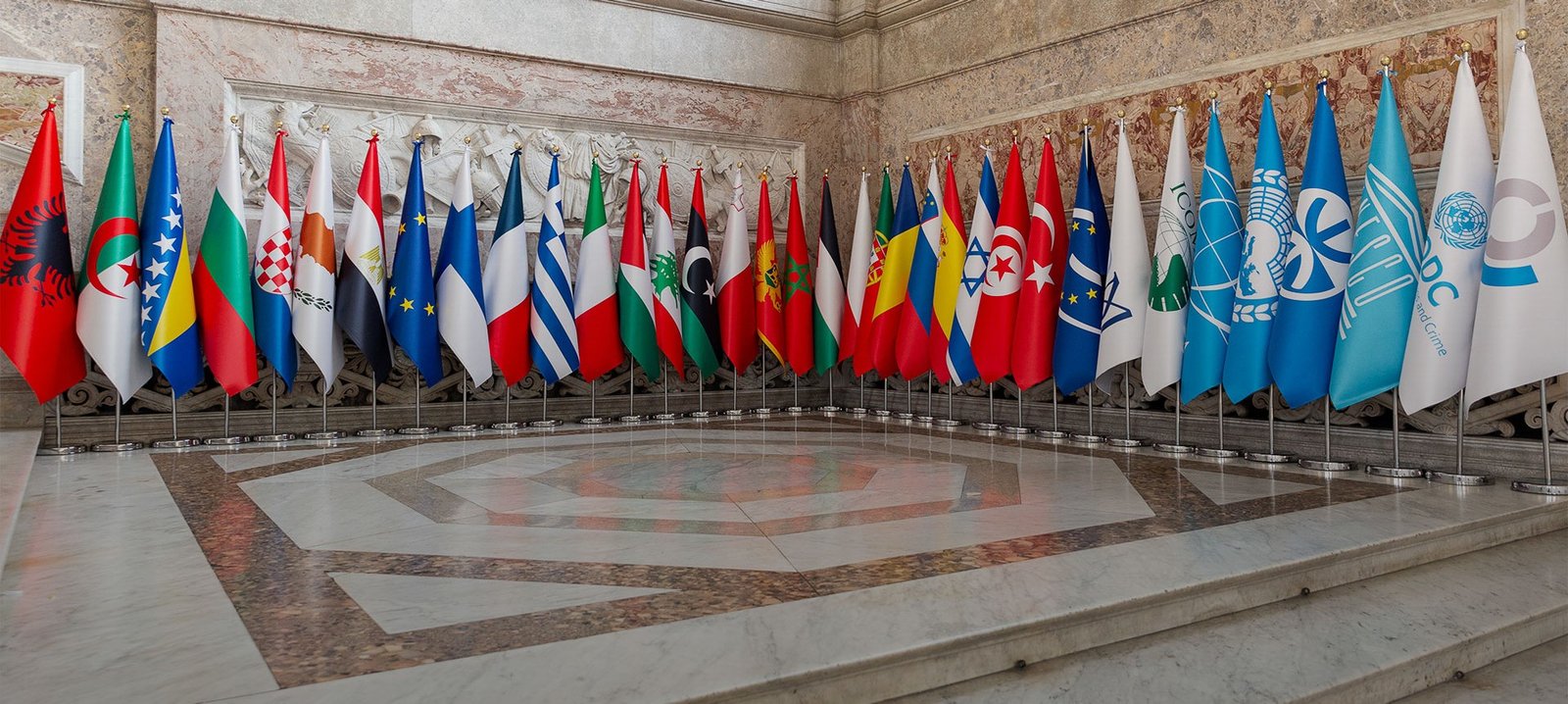
Perhaps the most original and analytically robust feature of the MCCD is its structural mandate: designating two cities annually, one from the Northern shore and one from the Southern shore. This is a deliberate dismantling of Eurocentrism. By enforcing absolute parity, the MCCD ensures that Southern Mediterranean cities are not treated as peripheral, but as equal co-authors of the region’s identity.
This structure fosters a unique brand of solidarity through “territorial cooperation,” forcing interaction between municipalities that might otherwise have limited integration. By culminating their joint programs on November 28—the Day of the Mediterranean—these paired cities present a unified front, showcasing that their historical interdependencies are a source of contemporary strength.
A Journey Across the Shores: Past, Present, and Future Capitals
The MCCD initiative carefully selects its capitals to reflect the region’s geographic and historical diversity, ensuring collaborative yet independent programming:
- Past Selected Cities (2025): The inaugural titleholders were Tirana (Albania) and Alexandria (Egypt). External research highlights that these cities set the precedent for the initiative by showcasing the Balkans’ diverse religious coexistence and Alexandria’s ancient legacy of intellectual and cultural creativity.
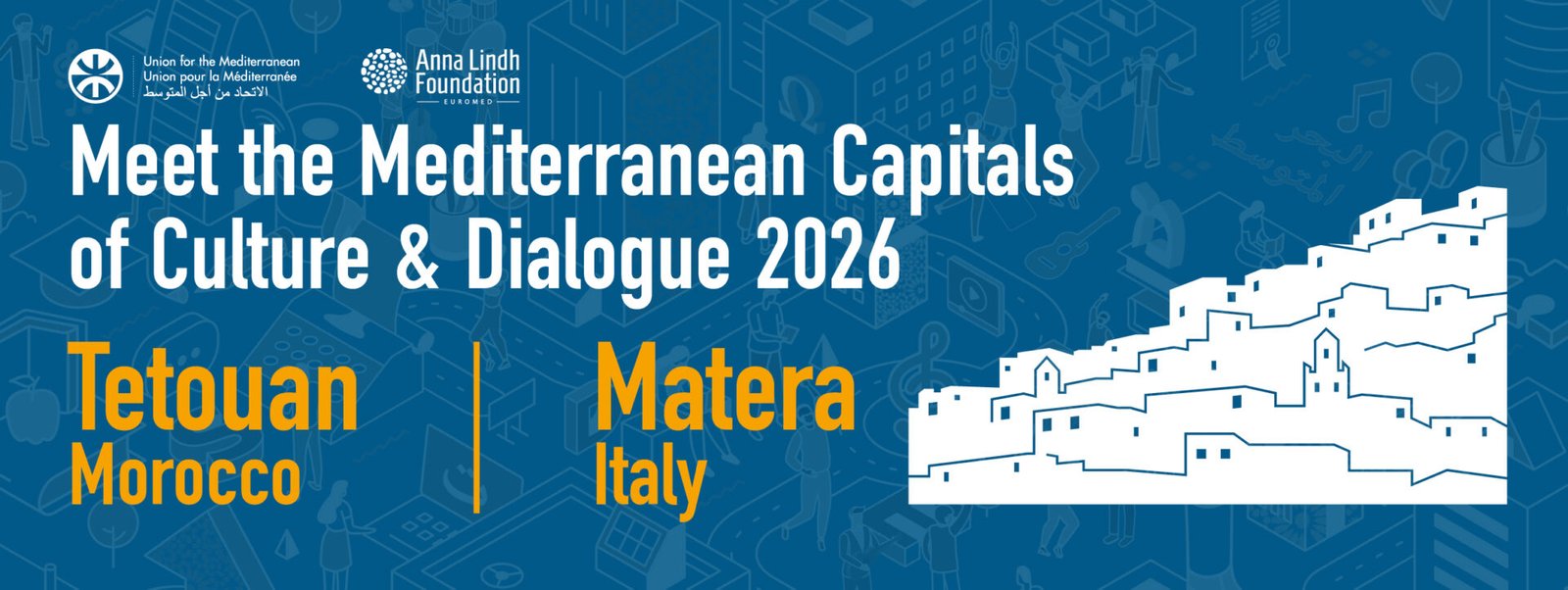
- This Year’s Selected Cities (2026): For the current year, the capitals are Matera (Italy) and Tétouan (Morocco). Tétouan, a bastion of Andalusian heritage, serves as a historical bridge between the northern and southern Mediterranean, incorporating digital art and traditional crafts into its programming. Matera leverages its “Terre Immerse” program, focusing on urban regeneration, resilient dry-stone architecture, and social inclusivity. The two cities are actively collaborating on joint exhibitions and shared events to bridge their cultural narratives.
- Next Year’s Selected Cities (2027): Looking ahead, the 10th UfM Regional Forum in Barcelona officially endorsed Córdoba (Spain) and Saida, also known as Sidon (Lebanon), as the 2027 capitals. Córdoba will highlight its historic legacy as a crossroads of Jewish, Christian, and Muslim cultures. Meanwhile, Saida, one of Lebanon’s oldest cities, will emphasize its centuries-old maritime trade and pluralistic history.
- Future Prospects (2028): The call for applications for the 2028 capitals is currently open, inviting local and regional authorities across the UfM member states to submit proposals by August 2026.
The Utility of the MCCD in Forging Solidarity
From a sociological perspective, the MCCD acts as a “soft power” engine that transforms abstract geopolitical goals into tangible local benefits.
Economic and Infrastructural Stimulus: The initiative drives investment into local land planning, cultural tourism, and sustainable development. By boosting the cultural economy, it addresses some of the root economic disparities that drive regional instability.
Countering Extremism and Division: By deeply engaging youth and civil society in a shared Euro-Mediterranean identity, the MCCD creates a powerful counter-narrative to radicalization and xenophobia. It replaces the fear of “the other” with a celebration of shared historical DNA.
A Laboratory for Urban Policy: As cities collaborate on workshops, artistic residencies, and digital forums, they share critical knowledge on how to manage modern urban challenges—from climate change adaptation to social integration—making solidarity an actionable, problem-solving tool.
Expert Opinions and Perspectives
External research highlights that experts and institutional leaders view the MCCD as a vital diplomatic and cultural tool in an increasingly volatile world.
- Nasser Kamel, Secretary General of the UfM, has publicly emphasized its geopolitical importance, stating that “in an era of divisive politics and tragic conflicts, the Mediterranean Capitals initiative is proof of the power of culture to build bridges and promote much-needed dialogue.” He noted that while recognizing differences is important, the region must find “beauty, resilience, and strength in our shared identity as Mediterraneans.”
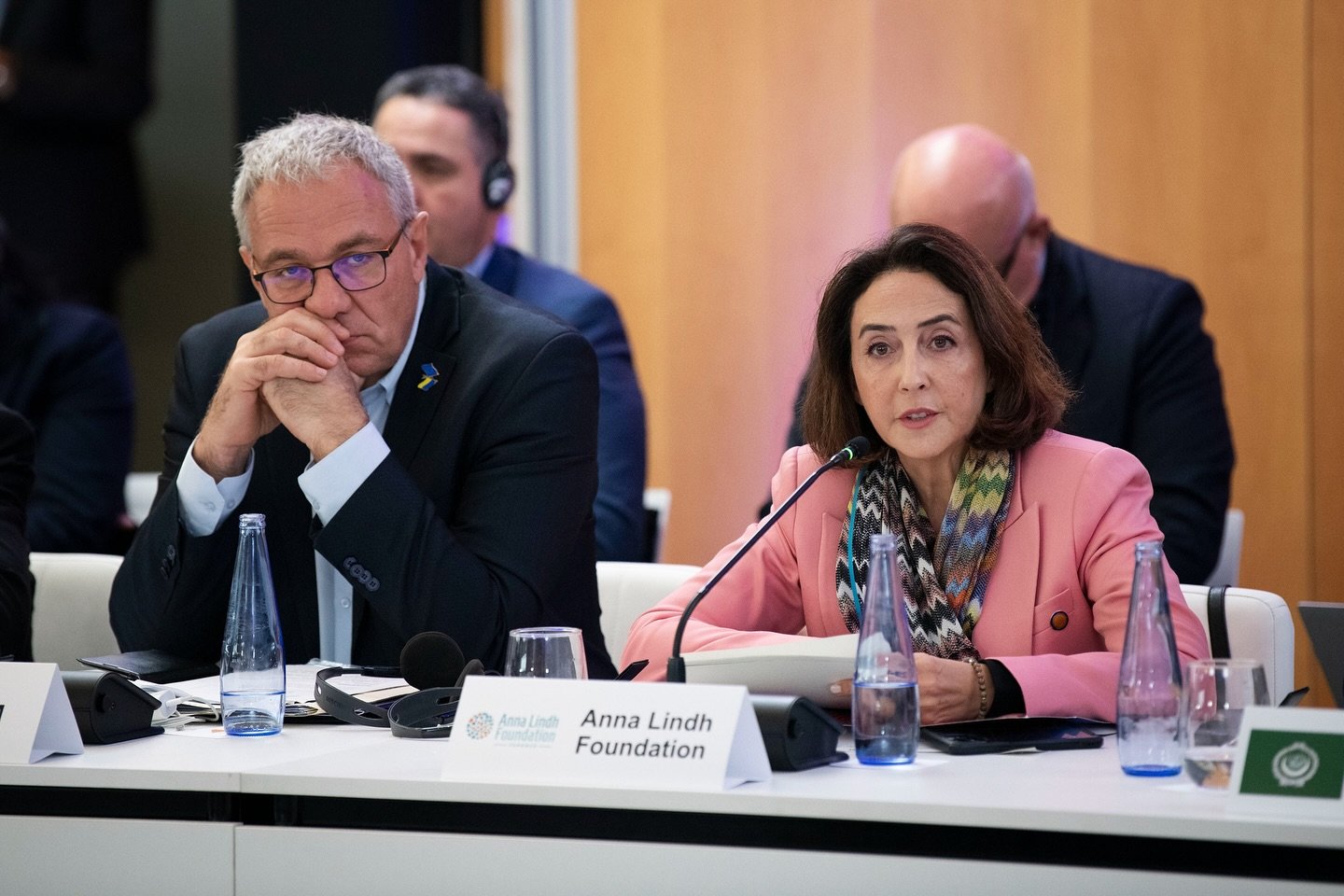
- HRH Rym Ali, President of the Anna Lindh Foundation, has described the launch of the capitals as a “significant milestone in our journey towards fostering Euro-Mediterranean cooperation” amidst highly challenging times.
Beyond 2028: Sustaining the Dialogue
The Mediterranean Capitals of Culture & Dialogue initiative is far more than a celebratory festival; it is a strategic, community-driven mechanism for regional unification. Born from the aspirations of young people and sustained by transnational cooperation, the program successfully transforms cities into living laboratories for intercultural dialogue. As the initiative looks toward 2027, 2028, and beyond, it continues to prove that the Mediterranean’s greatest asset is not its geographic borders, but the enduring, shared cultural legacy of its people.