






The Sovereign Stance: An “Illegal War”
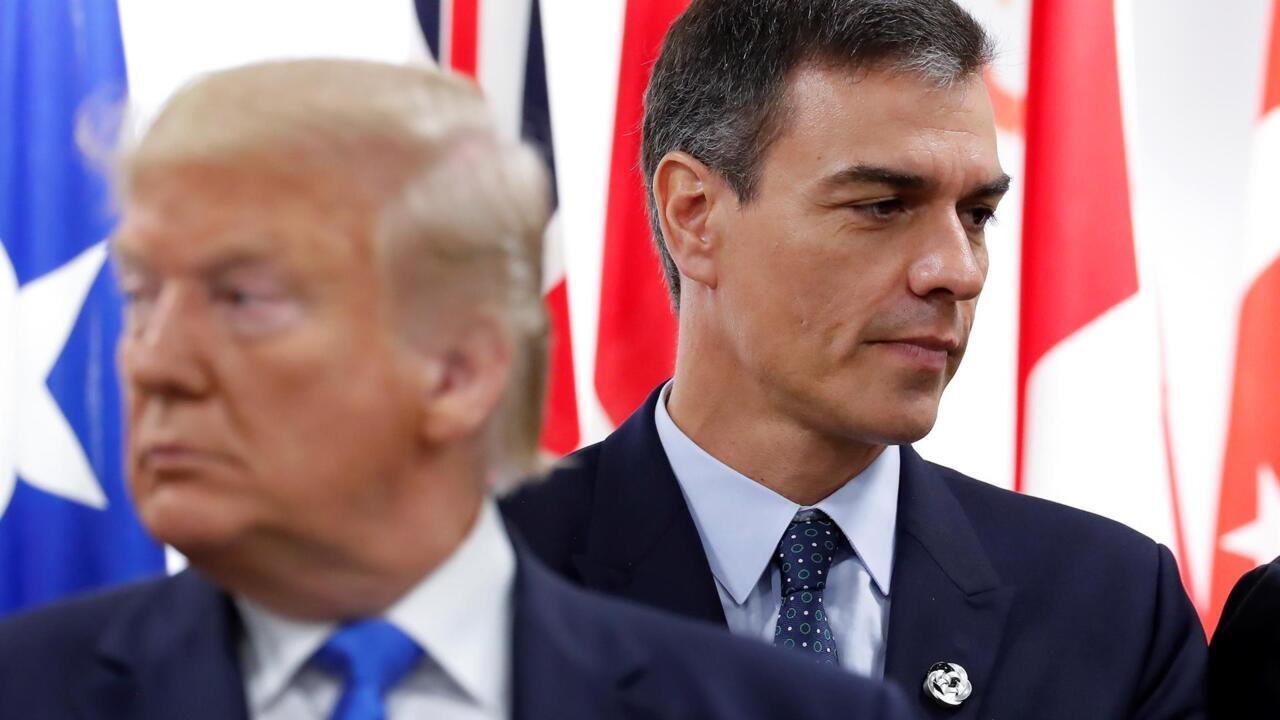
For Prime Minister Sánchez, the rejection of armed intervention in the Gulf transcends political disagreement; it represents an ethical imperative grounded in international law. During a recent summit in Huelva, Sánchez characterized the potential conflict as an “illegal war” and a fatal mistake that would severely damage Europe’s economic stability and social fabric.
While Spain maintains a firm condemnation of the Tehran regime—particularly regarding its systematic repression of women and girls—Sánchez argued that human dignity cannot be championed through the violation of international treaties or the instigation of war. The Spanish leader expressed profound respect for the American people but clarified that admiration does not equate to submission, refusing to make Spain an “accomplice” to what it perceives as a violation of the global order. Consequently, Madrid insists that its military facilities will only be utilized for missions that possess a multilateral consensus from either the European Union or NATO.
Washington’s Retaliation and NATO Friction
In response to Madrid’s resistance, President Trump has publicly threatened to sever bilateral trade ties. Speaking outside the White House, Trump asserted that Spanish leaders are behaving “very badly” and warned of cutting off commerce. This aggressive posture directly contradicted his own spokesperson, Karoline Leavitt, who had previously attempted to de-escalate tensions by citing a military understanding that, in reality, appears non-existent.
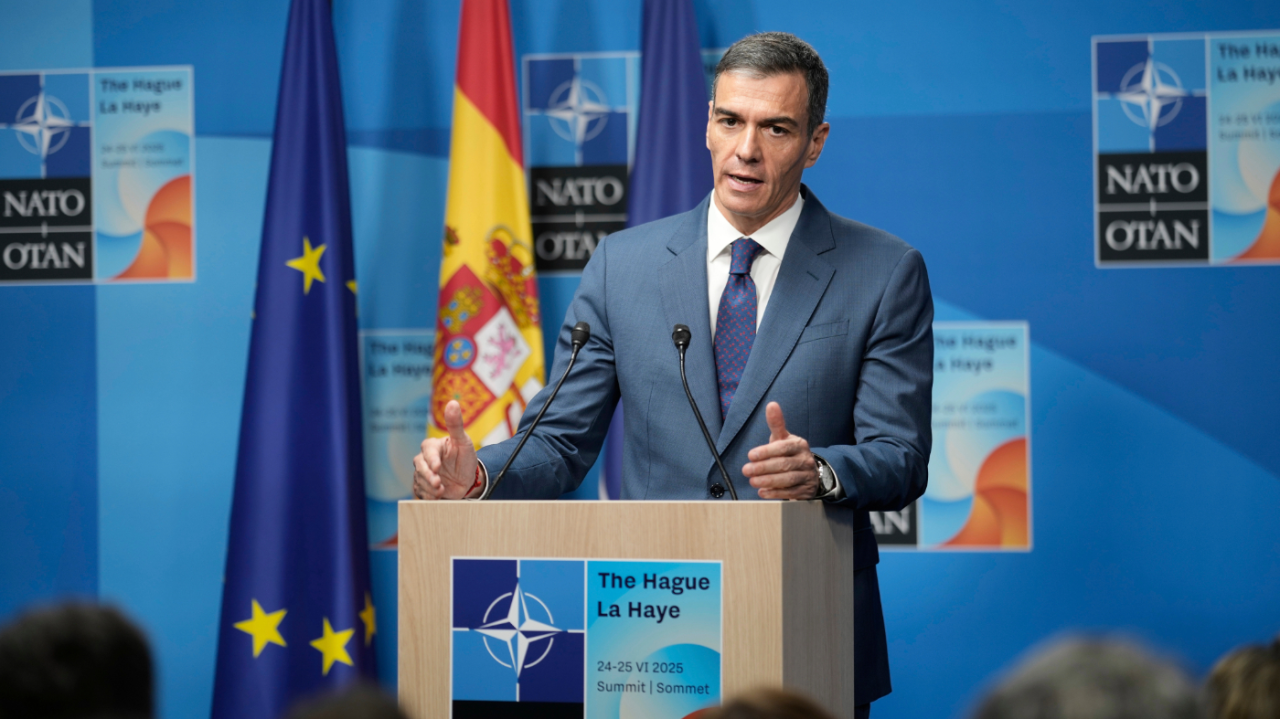
Furthermore, Trump leveraged the NATO alliance to attack Madrid, labeling Spain a “terrible” and “disloyal” ally for failing to meet his administration’s demand of dedicating 5% of GDP to defense spending. Employing populist rhetoric, he claimed Spain receives protection without paying its share, drawing a sharp distinction between the “fantastic” Spanish populace and their leadership. To highlight Spain’s diplomatic isolation, Trump utilized an Oval Office meeting with German Chancellor Friedrich Merz to praise the security alignment between the US and Germany, contrasting it directly with Moncloa’s resistance.
Strategic Deployment vs. Aggression
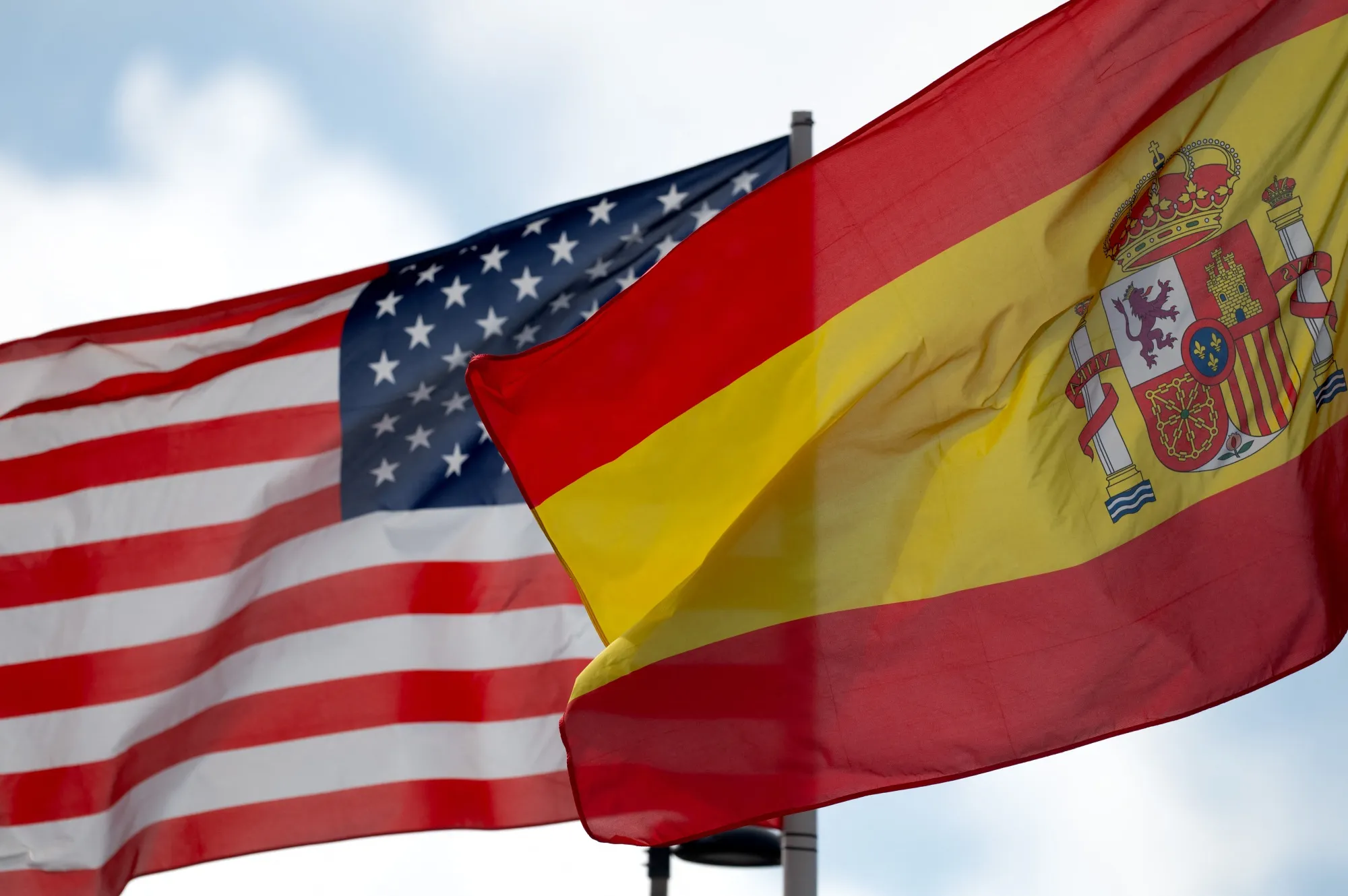
Amidst these tensions, Madrid has sought to draw a distinct line between multilateral defense and unilateral aggression. As a demonstration of its commitment to European stability, the Spanish government authorized the deployment of the frigate Cristóbal Colón to Cyprus. Sánchez carefully framed this deployment not as an act of war, but as a gesture of “community brotherhood” dedicated strictly to the collective defense and security of a European partner.
Domestic Clash and European Implications
The geopolitical standoff has inevitably ignited domestic political battles within Spain’s Congress of Deputies. Sánchez heavily criticized the conservative Popular Party and the far-right faction Vox, accusing them of a logical paradox: endorsing military clamor in the Gulf while obstructing the protection of a European ally. To address the nation, the Prime Minister requested to speak at a parliamentary plenary session in late March to articulate his Middle Eastern policy and reaffirm his commitment to “horizontal multilateralism”. Attempting to shield the public from anxiety over potential US sanctions, Sánchez highlighted Spain’s economic resilience, arguing that any domestic economic pain should be attributed to the shockwaves of an ill-advised conflict rather than Madrid’s principled stance.
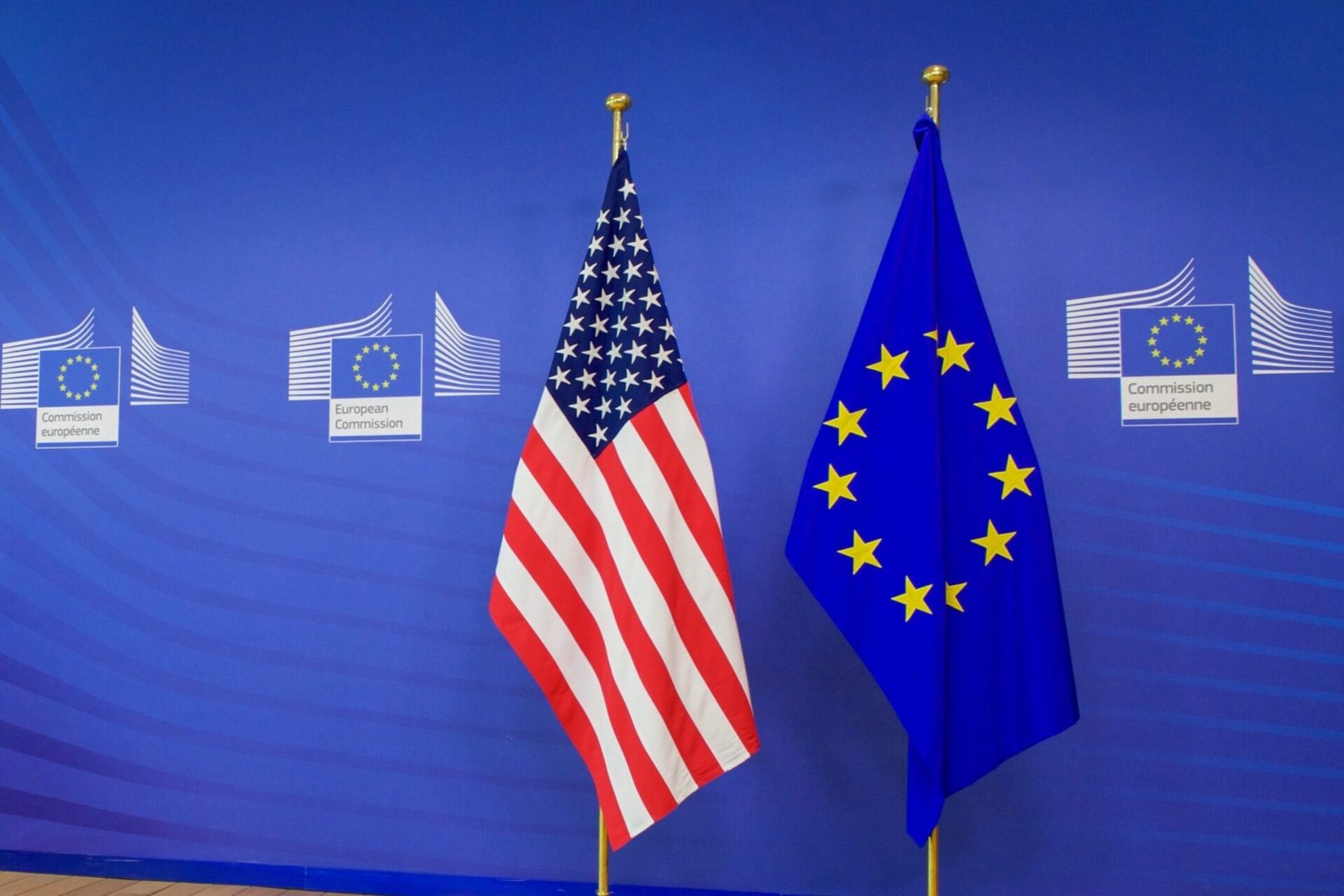
Ultimately, Washington’s threat of a commercial embargo faces significant legal complexities. Because Spain is fully integrated into the European Union’s common market, its commercial policy is governed by Brussels. Therefore, any unilateral economic sanctions imposed by the United States against Madrid would severely test the unity of the European bloc, risking a massive, wide-scale trade war between the US and all twenty-seven EU member states. Sánchez remains resolute, demonstrating that Spain does not intend to abandon its “No to war” principle in exchange for a fragile commercial peace.