






The Architecture of the Modern Military Alliance
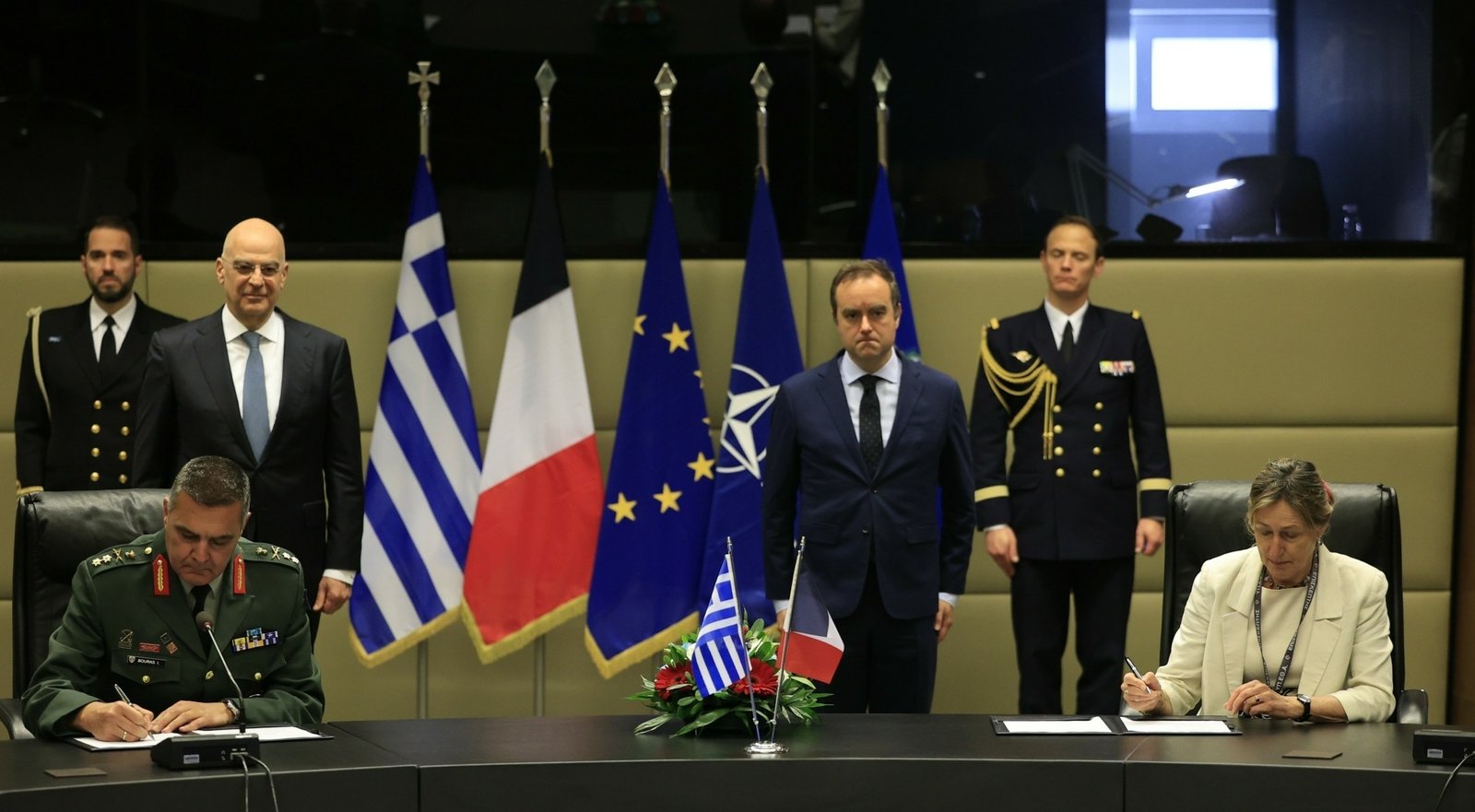
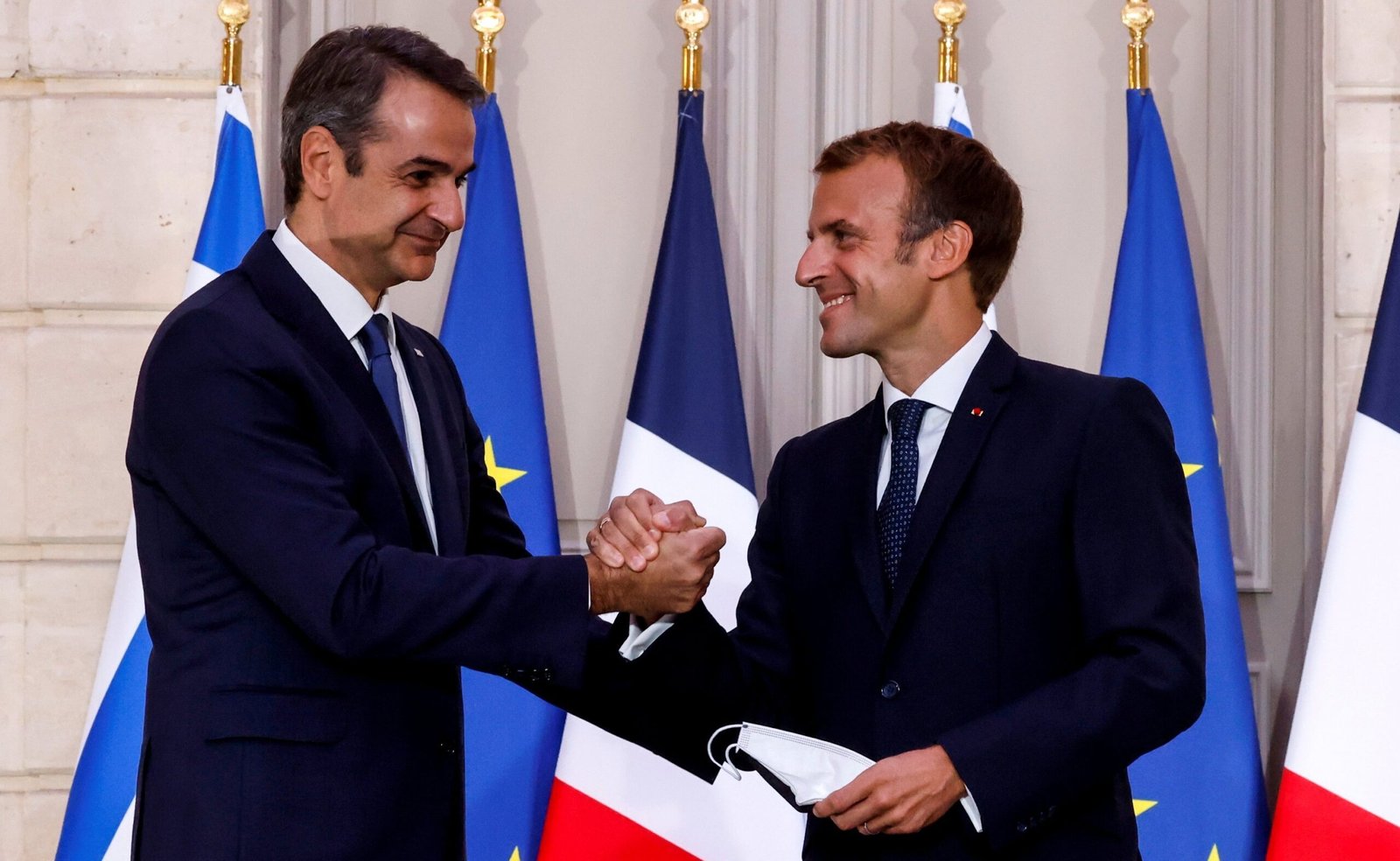
At the core of the current Franco-Greek relationship is a comprehensive defense cooperation agreement signed on September 28, 2021. This pact represents a paradigm shift because it includes a formal mutual commitment to provide military assistance in the event of an armed attack on either party. For Greece, this bilateral guarantee is paramount; Greek strategic thinkers view the pact as providing the security that NATO membership has failed to deliver, explicitly because NATO’s Article 5 does not cover military threats originating from fellow alliance members, such as Turkey. This political alignment is heavily reinforced by massive, ongoing Greek procurement of advanced French military hardware:
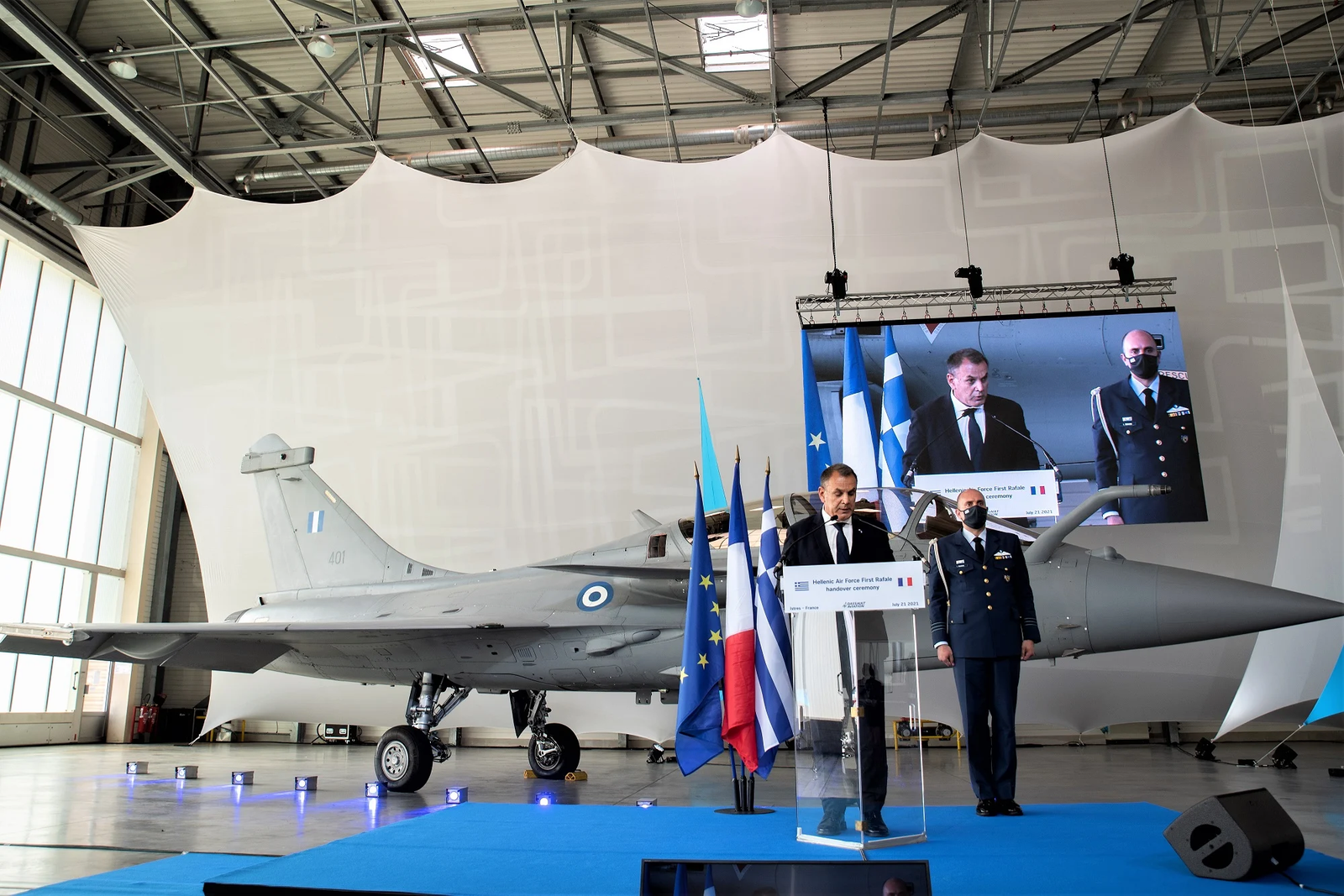
- Air Superiority: Greece has significantly boosted its air force by ordering 24 Dassault Rafale fighter jets.
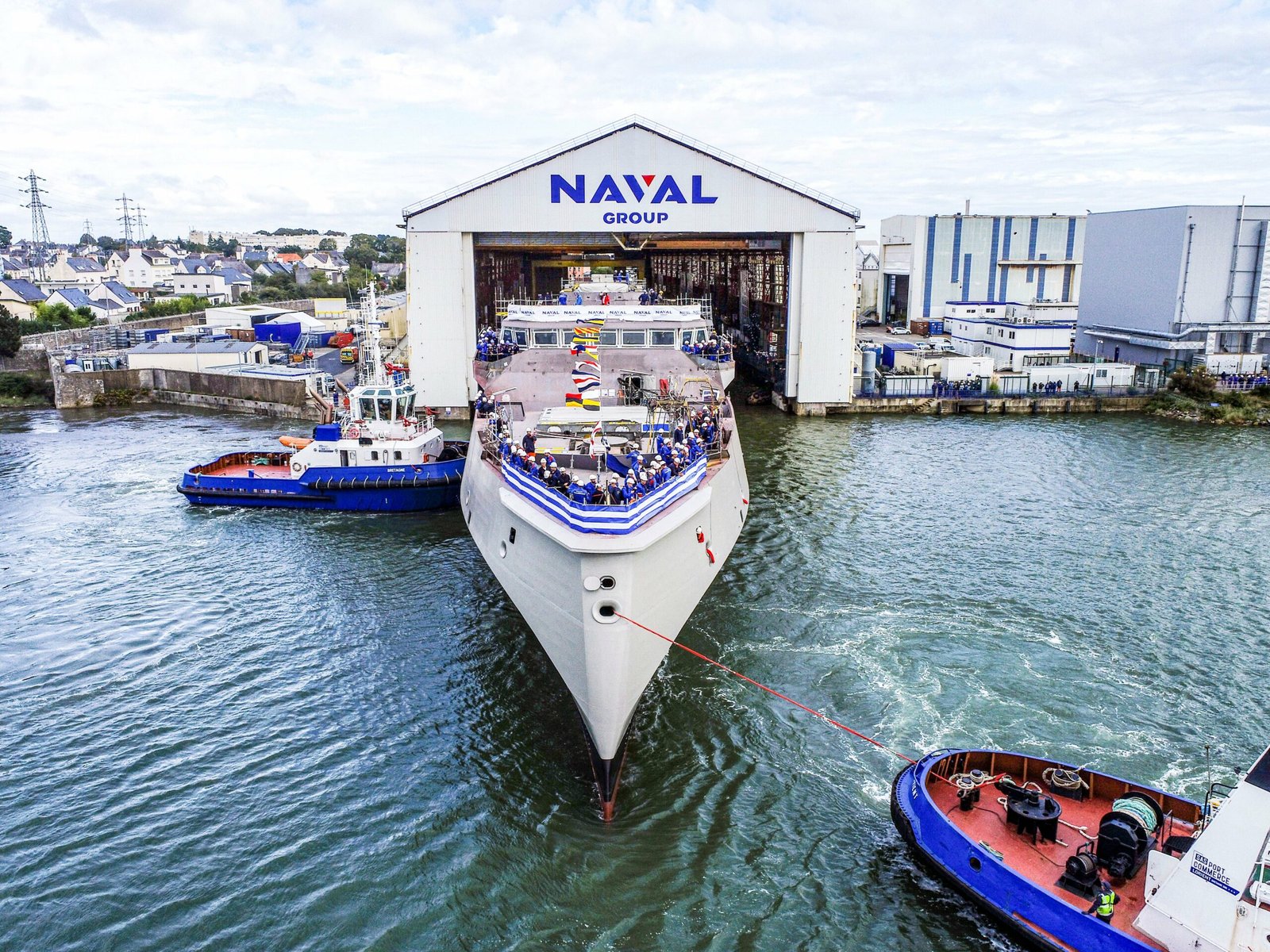
- Naval Dominance: A central pillar of the cooperation is the contract with Naval Group for state-of-the-art FDI (Belharra) frigates, with Athens confirming the purchase of a fourth frigate in September 2025. These vessels will be equipped with modern radar systems, such as Sea Fire, and advanced anti-air and anti-submarine weaponry.
- Coastal Deterrence: In May 2024, an intergovernmental agreement was signed to supply Greece with 16 Exocet Block III anti-ship missiles, significantly enhancing its maritime deterrence capabilities.
Through the integration of French officers into Athens’ operational planning structures, the two nations have standardized procedures across their naval and air forces, effectively giving rise to a highly capable South European pillar within NATO. While Greek military officials occasionally note that maintenance for these defense systems can be difficult and expensive, they emphasize that Paris responds immediately and positively whenever Greece requires urgent strategic support.
Industrial Integration and Technological Sovereignty
The partnership is systematically moving beyond transactional arms sales into deep, long-term industrial collaboration. A major manifestation of this was the official opening of Naval Group Hellas in Athens in 2023. Fully owned by the French parent company, this entity coordinates local industrial projects, supports the operation of the new frigates, and integrates Greek businesses like Salamis Shipyards and Hellenic Aerospace into the broader European defense supply chain.
For the French defense industry, this level of integration serves as tangible evidence that a European alternative to American suppliers can be highly effective. Rafale, Exocet, and Belharra systems are heavily promoted by Paris as symbols of European industrial sovereignty. This model is designed to transfer French technological potential without relinquishing control over supplies, functioning as a blueprint Paris intends to implement in other EU countries to reduce overall European dependence on the United States.
This push for sovereignty extends to the broader economic sphere. In recent bilateral forums, officials from both nations have stressed that Europe must take its fate into its own hands by reducing bureaucracy and strengthening economic competitiveness in the face of trade wars initiated by the US and China. Leaders are actively calling for the integration of Europe’s capital markets—referencing the Letta and Draghi reports—to remove current market fragmentation and achieve overarching EU objectives. The two nations are also coordinating closely on the implementation of artificial intelligence, sustainable tourism investments, and joint migration policies.
Governing the Eastern Mediterranean and Energy Security
France and Greece share a closely aligned threat perception regarding the Mediterranean, viewing it as a critical arena of both rivalry and cooperation. For Greece, the alliance is a vital line of defense against Turkish pressure and broader Middle Eastern instability. For France, the Mediterranean acts as a strategic buffer vis-à-vis the Sahel and West Africa, while also providing a theater to project power and deter regional adversaries.
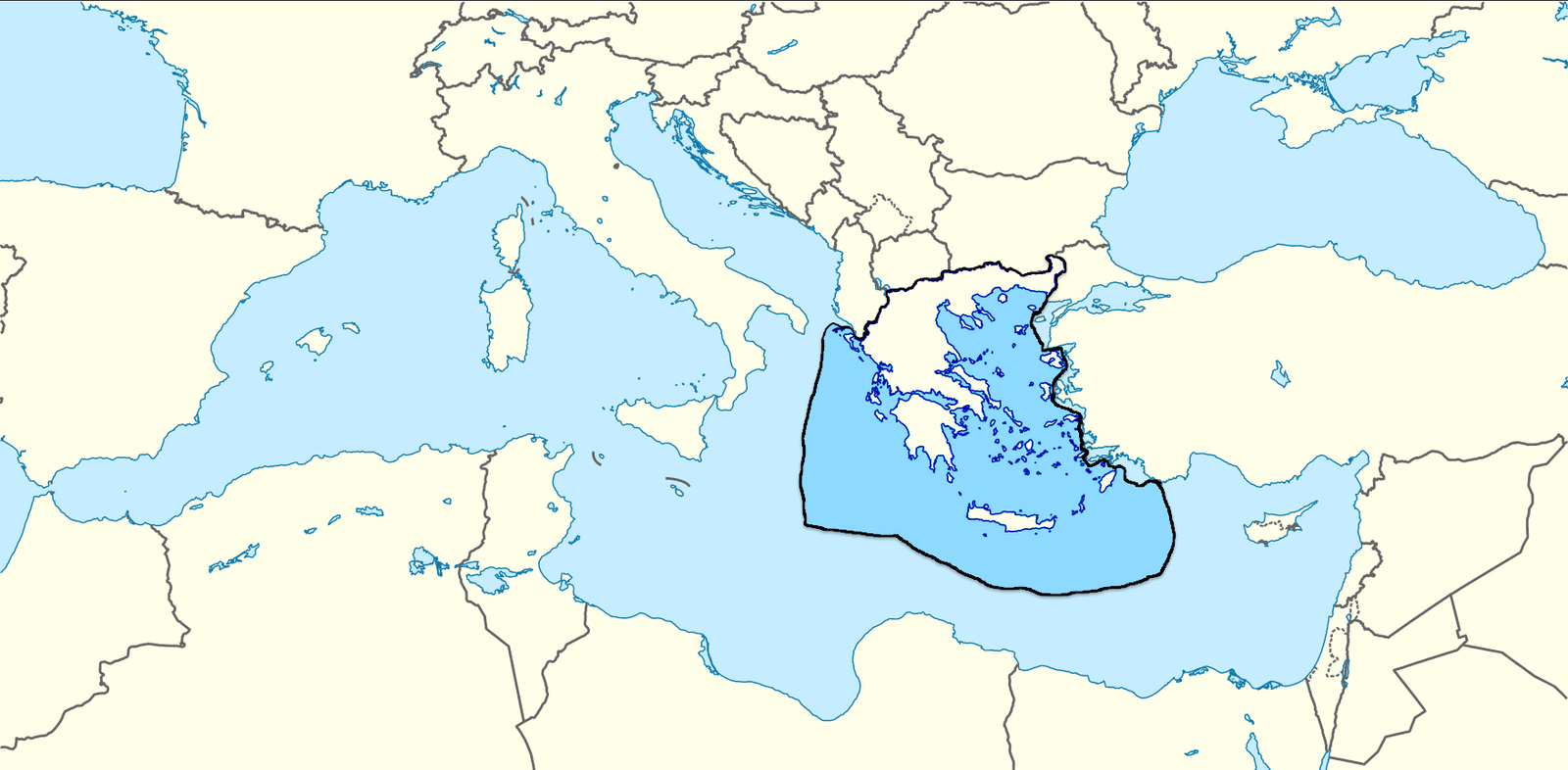
Energy security acts as a massive catalyst for this geopolitical alignment. Greek waters and its exclusive economic zone (EEZ) are increasingly vital for gas pipelines and LNG terminals. Consequently, French frigates act as the primary guarantor of security for these critical energy nodes. Furthermore, French economic interests are deeply embedded in the region; energy giant Total has long planned exploratory drilling in the disputed EEZs of Cyprus, operations that require robust maritime security to deter interference from Ankara.
To govern this instability, France has built a wider web of strategic partnerships across the EU’s southern neighborhood, forming an implicit anti-Turkey bloc that includes Greece, the Republic of Cyprus, Egypt, and the United Arab Emirates.
Intra-European Friction and the Paris-Athens Axis
While President Macron frequently frames this bilateral relationship as the embodiment of “European sovereignty,” the aggressive, coalition-of-the-willing approach generates notable friction within the European Union. France has a tendency to equate its own national interests with those of the EU.
This assertive posture, particularly the confrontation with Turkey in the Eastern Mediterranean and Libya, creates strains within the bloc. The rigid stance maintained by Greece, Cyprus, and France diverges significantly from the diplomatic strategies of Germany, Italy, and Spain, who perceive EU-Turkey relations from a different perspective and actively seek to halt further escalation. Critics argue that France’s active side-taking risks dragging the EU into Middle Eastern conflicts, thereby undermining the bloc’s ability to act as an objective normative anchor and diplomatic broker.
Despite these internal European complexities, France is utilizing its cooperation with Greece to consolidate its position and create a formidable “Paris-Athens axis” intended to balance the influence of Washington and Berlin. Today, France stands out as the country that understands Greece’s sensibilities and concerns regarding Turkey far better than any northern European nation, actively working to include Greece in the hard core of the emerging European security framework.
Ultimately, the Greece-France relationship is characterized as a solid geopolitical relationship free of unrealistic expectations. As the European Union grapples with the necessity of strengthening its own independent military capabilities, the Paris-Athens axis serves as one of its most vital and foundational pillars.