






A Strategic Crossroads
For over three thousand years, the Mediterranean Sea has served as the world’s most enduring marketplace. It is the physical intersection of three continents—Europe, Africa, and Asia—and the primary corridor for a significant percentage of global maritime trade. Today, the region is evolving from a historical trading route into a dynamic, modern economic zone. For investors and entrepreneurs, the Mediterranean offers a unique value proposition: it combines the regulatory stability and purchasing power of the European Union in the north with the high-growth, emerging market potential of North Africa and the Levant in the south and east. To do business here is to operate at the hinge of the global economy.
Real Estate: The Foundation of Mediterranean Wealth
Real estate remains the most visible and traditional pillar of Mediterranean investment. The market is driven by a dual engine: lifestyle appeal and strategic capital preservation.
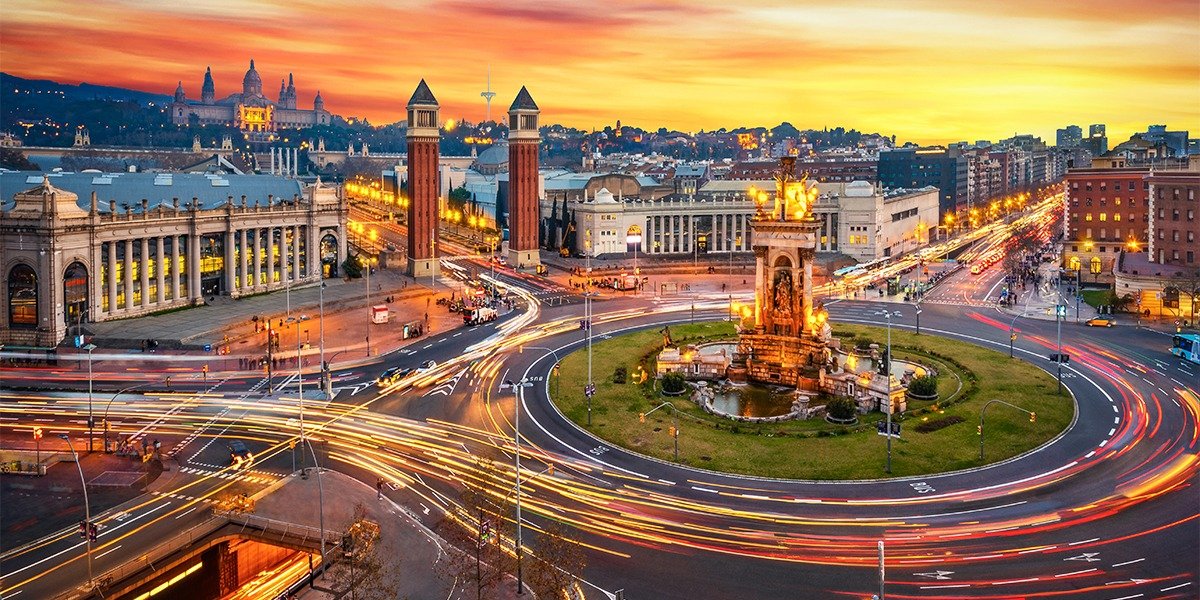
In the Western Mediterranean (Spain, France, Italy, Portugal), the market is mature and stable. Cities like Barcelona, Milan, and Lisbon act as magnets for international capital, offering strong rental yields and long-term appreciation. The luxury coastal markets—such as the Côte d’Azur and the Balearic Islands—operate almost independently of national economies, serving as safe havens for global high-net-worth individuals.
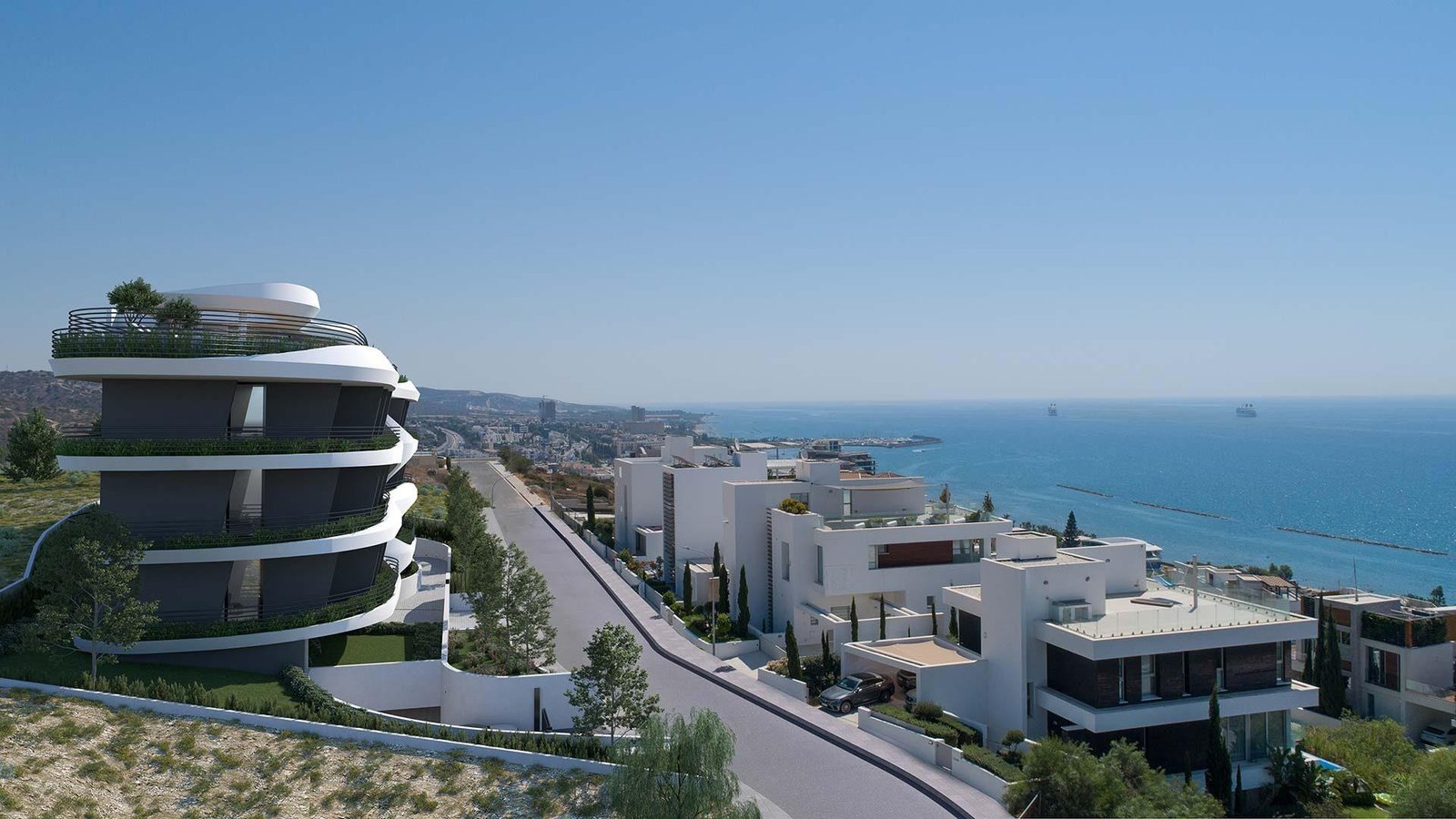
In contrast, the Eastern Mediterranean (Greece, Cyprus, Turkey) offers different incentives. Greece and Cyprus have heavily utilized “Golden Visa” programs, attracting foreign direct investment by offering residency or citizenship in exchange for property purchases. This has revitalized housing markets in Athens and Limassol. Meanwhile, Turkey offers high volume and lower entry points, particularly in Istanbul, appealing to investors from the Middle East and Central Asia.
The Evolution of Tourism: Beyond Sun and Sea
While tourism has long been the economic engine of the region, the investment focus is shifting. The old model of mass-market “sun and sea” package holidays is giving way to high-yield, sustainable, and experiential tourism.
Investment opportunities are currently surging in boutique hospitality and eco-tourism. Travelers are increasingly seeking authentic, off-grid experiences in the interiors of Crete, the vineyards of Sicily, or the Atlas Mountains of Morocco. Consequently, there is a growing market for restoring heritage properties—such as Italian masseries or Greek neoclassicals—into luxury accommodations.
Furthermore, medical tourism is becoming a major sector. Turkey has established itself as a global leader in cosmetic and hair transplant procedures, while Spain and Israel are top destinations for specialized medical treatments, creating a robust ecosystem for healthcare investment.

Trade and Logistics: The Blue Highway
The Mediterranean is not just a destination; it is a transit zone. With the Suez Canal funneling Asian trade into the basin, the region’s ports are critical strategic assets.
Import and Export dynamics are shaped by this geography. The region is a global powerhouse in agrifood exports. Spain, Italy, and Greece dominate the olive oil and wine markets, commanding premium prices globally. Conversely, North Africa is becoming a crucial supplier of fresh produce and citrus to European markets during winter months.
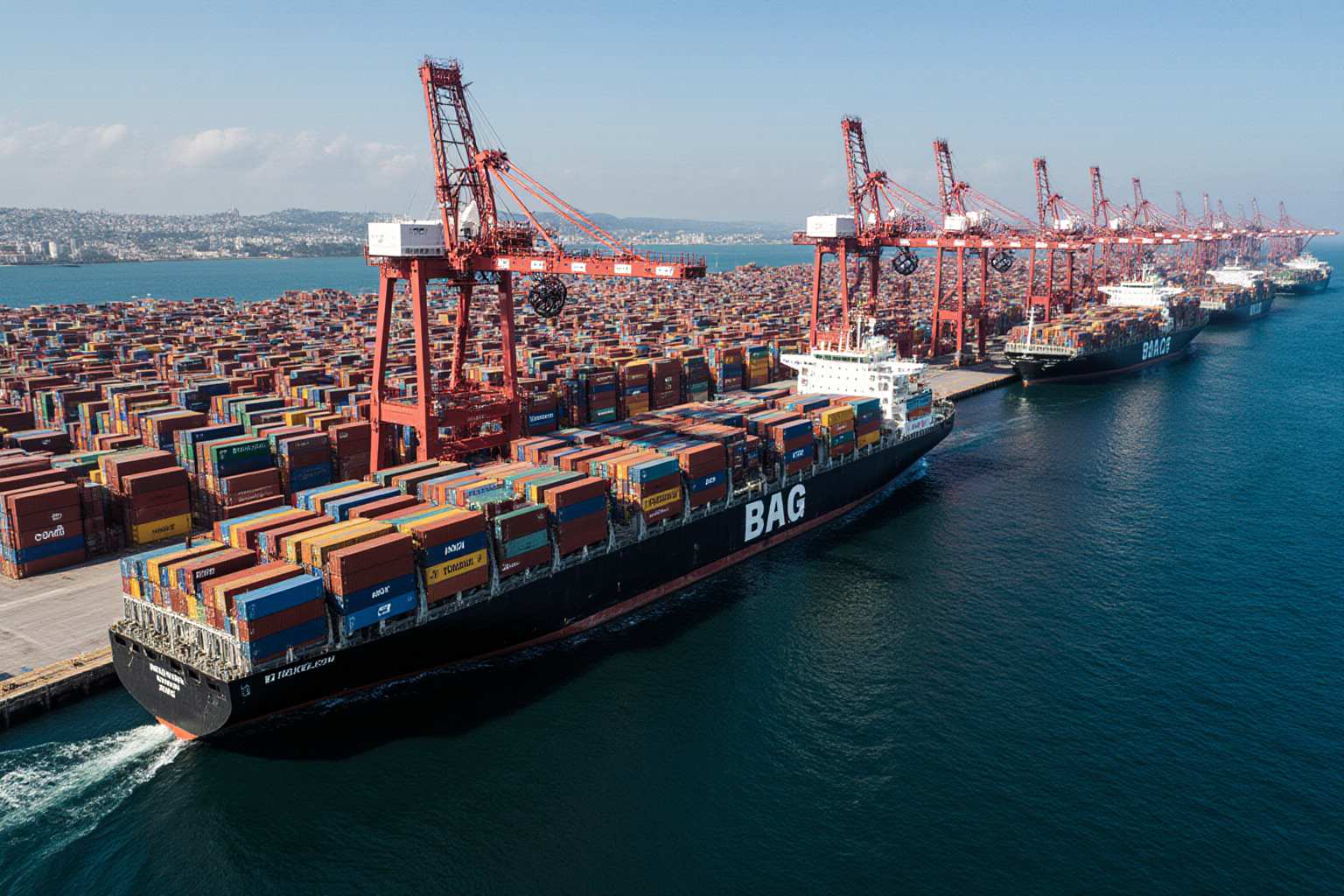
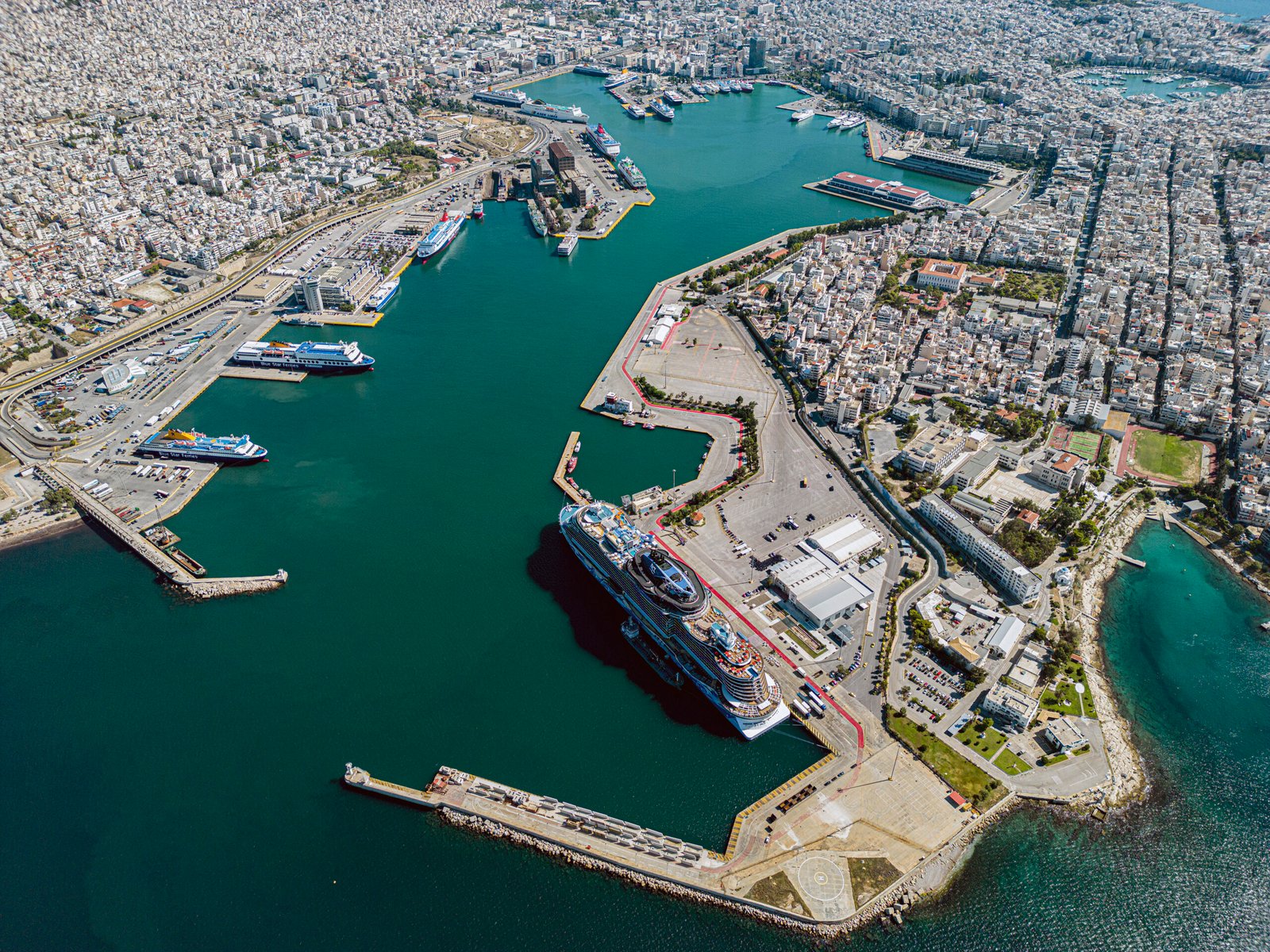
Infrastructure investment is booming to support this trade. The Port of Piraeus in Greece, majority-owned by COSCO (China), has transformed into the busiest container port in the Mediterranean, acting as the entry point for the “New Silk Road” into Europe. Similarly, Tanger-Med in Morocco has grown into a world-class logistics hub, connecting African manufacturing with European consumers. For logistics companies and export-oriented manufacturers, these hubs offer unrivaled access to multiple markets.
The Startup Ecosystem: Innovation in the Old World
A surprising but rapid development is the rise of the Mediterranean as a tech hub. The region is leveraging its high quality of life to attract talent, creating a vibrant startup scene.
Israel (specifically Tel Aviv) remains the undisputed “Startup Nation,” with a mature ecosystem in cybersecurity, agritech, and fintech that rivals Silicon Valley. However, other cities are catching up. Barcelona has positioned itself as a premier European hub for mobile technology and gaming. Lisbon, hosting the Web Summit, has rebranded as a sanctuary for digital nomads and tech entrepreneurs. Even nations like Cyprus are carving out niches in fintech and forex trading due to favorable tax regimes.
This “med-tech” sector is particularly strong in Agritech and Water Management. Given the region’s water scarcity, companies in Israel and Spain are global leaders in desalination and drip-irrigation technologies—solutions that are increasingly exportable to a climate-challenged world.
Infrastructure investment is booming to support this trade. The Port of Piraeus in Greece, majority-owned by COSCO (China), has transformed into the busiest container port in the Mediterranean, acting as the entry point for the “New Silk Road” into Europe. Similarly, Tanger-Med in Morocco has grown into a world-class logistics hub, connecting African manufacturing with European consumers. For logistics companies and export-oriented manufacturers, these hubs offer unrivaled access to multiple markets.
Economic Profiles and Regional Dynamics
Understanding the Mediterranean business world requires recognizing three distinct economic tiers:
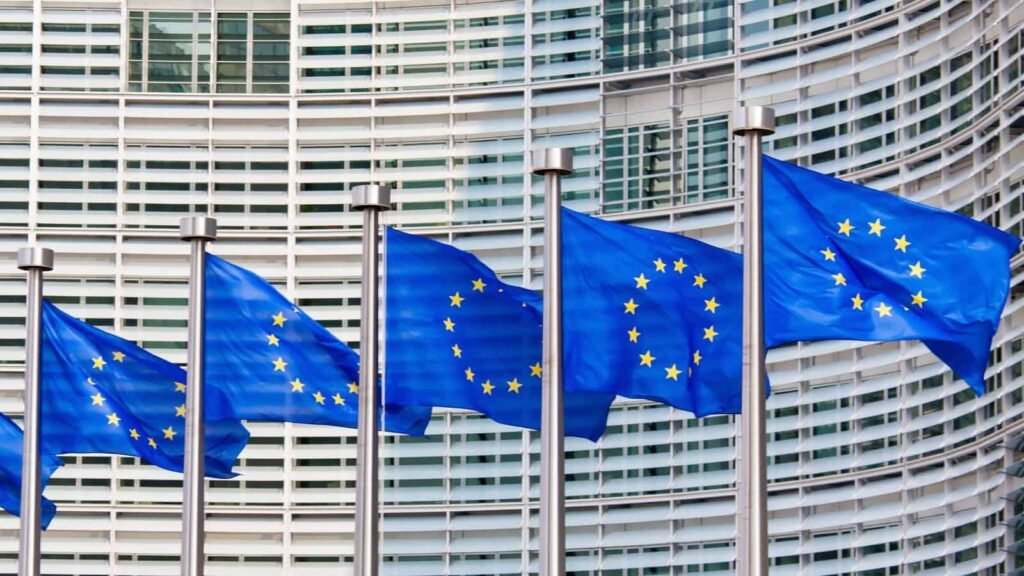
• The Eurozone Anchors (Spain, France, Italy, Greece, Cyprus, Malta, Portugal): These nations offer EU regulatory frameworks, currency stability (Euro), and access to the single market. They are ideal for corporate headquarters, advanced manufacturing, and safe-asset investment. Challenges include higher labor costs and complex bureaucracies.
• The Emerging Industrialists (Turkey, Morocco, Tunisia, Egypt): These nations offer a young workforce, competitive labor costs, and proximity to Europe. Morocco has successfully built a massive automotive and aerospace manufacturing sector. Egypt and Turkey serve as industrial bases for textiles and consumer goods. These markets offer higher growth potential but come with currency volatility and varying regulatory transparency.
• The Energy Giants (Algeria, Libya): These economies are dominated by hydrocarbons. However, the investment focus here is shifting toward Green Energy. The Sahara holds the potential to power Europe through solar farms and undersea cables, a sector poised for massive growth as the EU seeks to diversify its energy supply.
A Unified Economic Block?
The Mediterranean investment landscape is complex, but the trend is toward integration. Energy grids are connecting, trade tariffs are being renegotiated, and multinational cooperation is increasing. For the savvy investor, the Mediterranean is no longer just a place to spend a holiday; it is a place to build a future. Whether shipping goods through Tangier, developing software in Tel Aviv, or restoring a villa in Tuscany, the region offers a diverse portfolio of opportunities rooted in thousands of years of commercial instinct.