







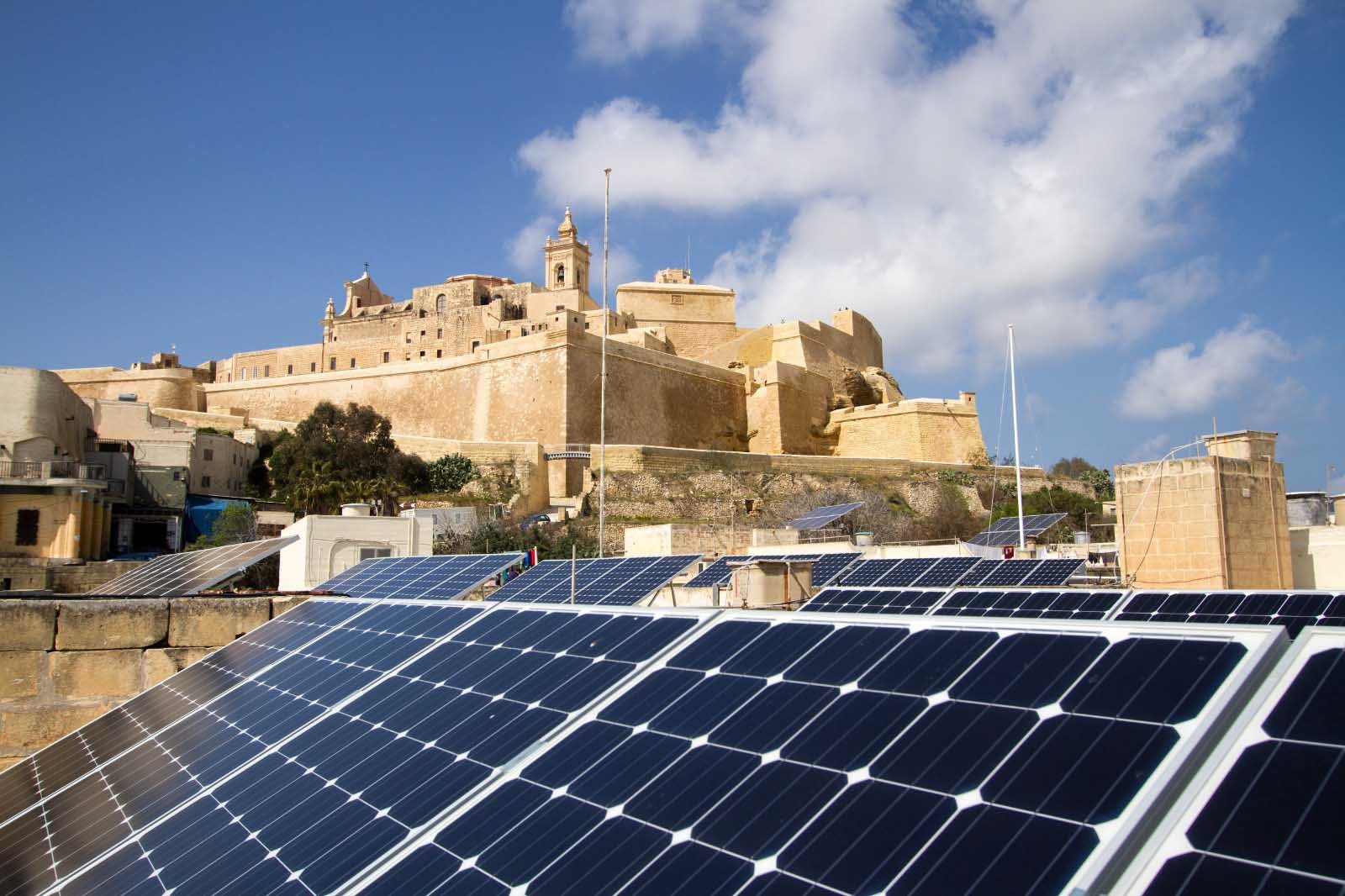
For heavily import-dependent nations like Malta, these geopolitical shocks highlight a critical strategic vulnerability. In response to the escalating crisis, the Maltese government has opted to sustain the costly energy and fuel subsidies initially implemented in 2022. While such fiscal interventions offer necessary short-term socio-economic relief for the public, they represent a temporary palliative rather than a structural solution. Maintaining a national energy grid fundamentally reliant on imported fossil fuels perpetually exposes the domestic economy to external pricing volatility and international conflicts.
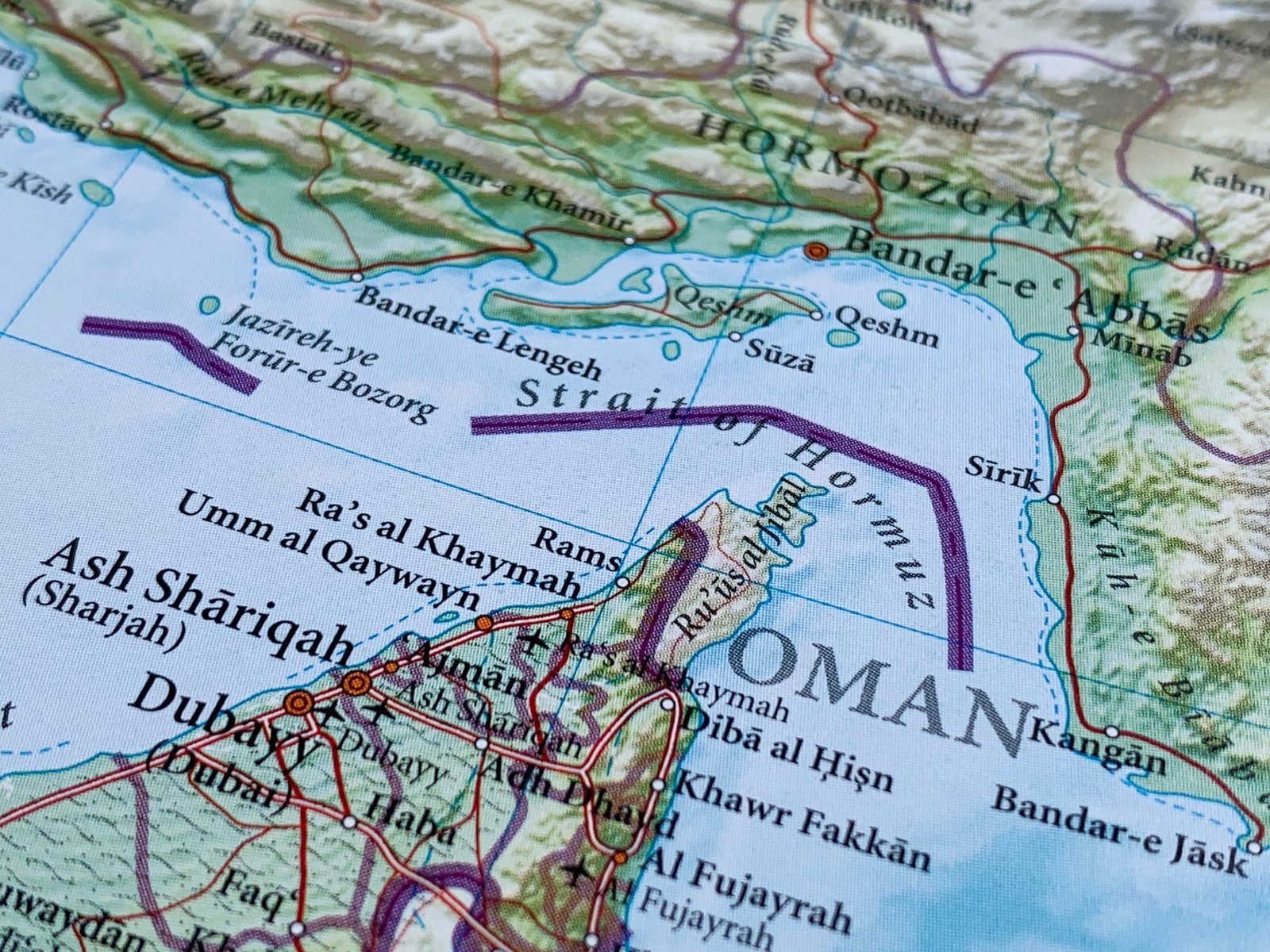
The strategic necessity of transitioning to renewable energy is no longer merely an environmental objective but a fundamental requirement for national security and economic sovereignty. Despite possessing substantial natural potential for solar and wind power generation, Malta currently derives only 17.2% of its energy from renewable sources. This systemic dependency is further exacerbated by the domestic transport sector, which relies overwhelmingly on private, internal-combustion vehicles, with minimal systemic encouragement for alternative transit or electric mobility.
International precedents demonstrate the feasibility of rapid and decisive energy transformation. Uruguay, for instance, successfully pivoted from heavy reliance on imported fossil fuels following a 2008 energy crisis, ultimately generating 98% of its electricity from renewable infrastructure within the span of a single decade.
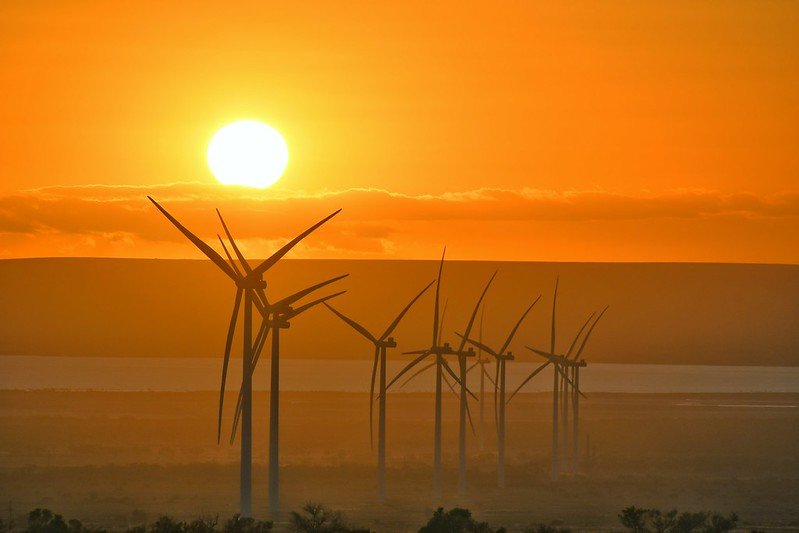
Replicating such a transition in Malta presents a compelling economic rationale. By redirecting the substantial public funds currently allocated to subsidizing fossil fuels toward sustainable infrastructure, the state could foster the creation of green employment opportunities, stabilize long-term consumer energy prices, and build robust resilience against future global supply chain disruptions.
Ultimately, accelerating the deployment of renewable energy technologies inextricably links climate action with absolute energy security. Transitioning away from carbon-intensive imports is an essential defensive measure to insulate families and the broader domestic economy from the unpredictable tremors of international warfare and the escalating impacts of the global climate crisis.