






A Legacy Built on Red Dirt
To understand the significance of Roland-Garros is to understand its deep-rooted history. Originating as the French Championships in 1891, the tournament opened its doors to international competitors in 1925 before moving to its dedicated stadium—named after the pioneering French aviator Roland Garros—in 1928.
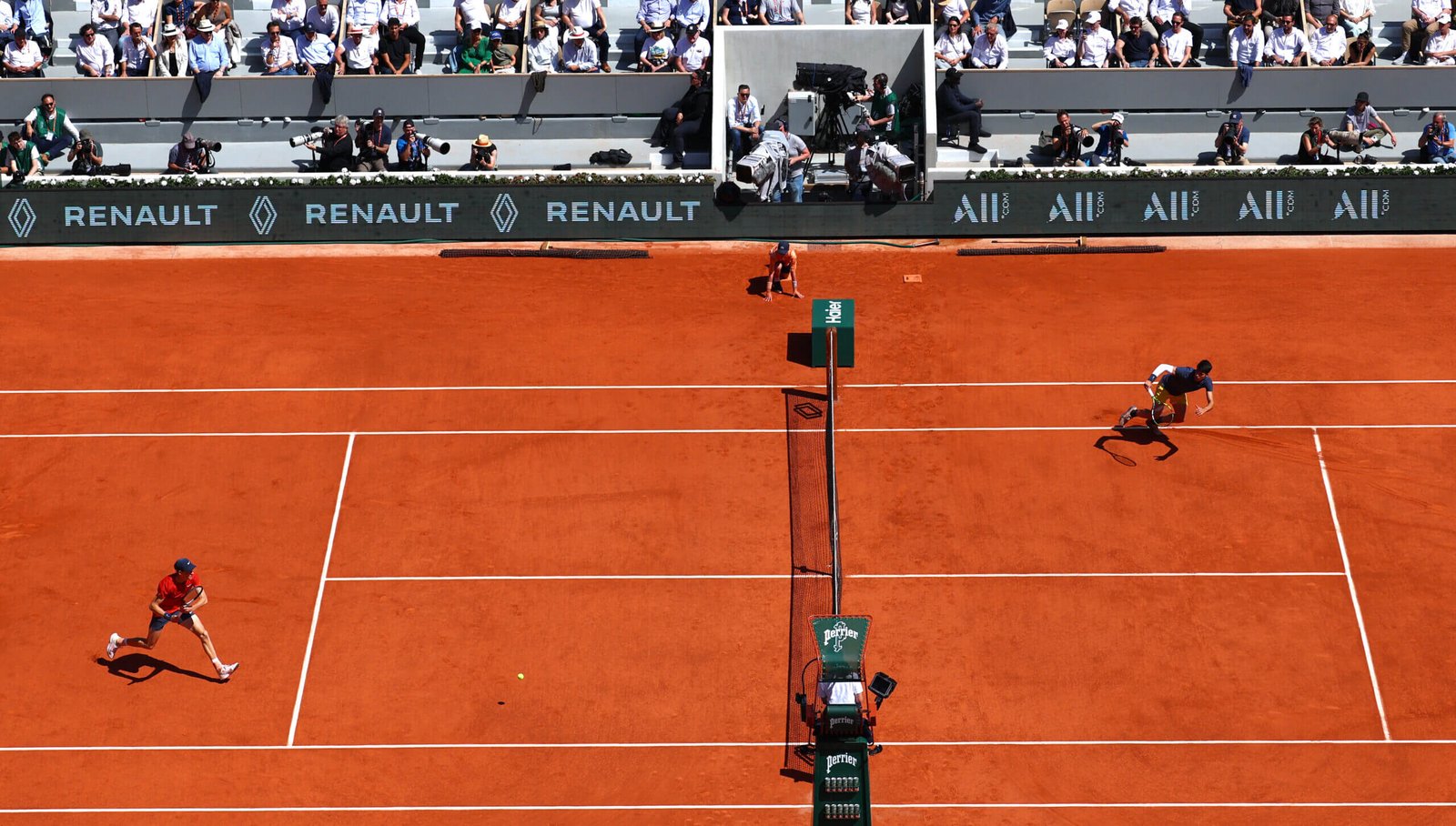
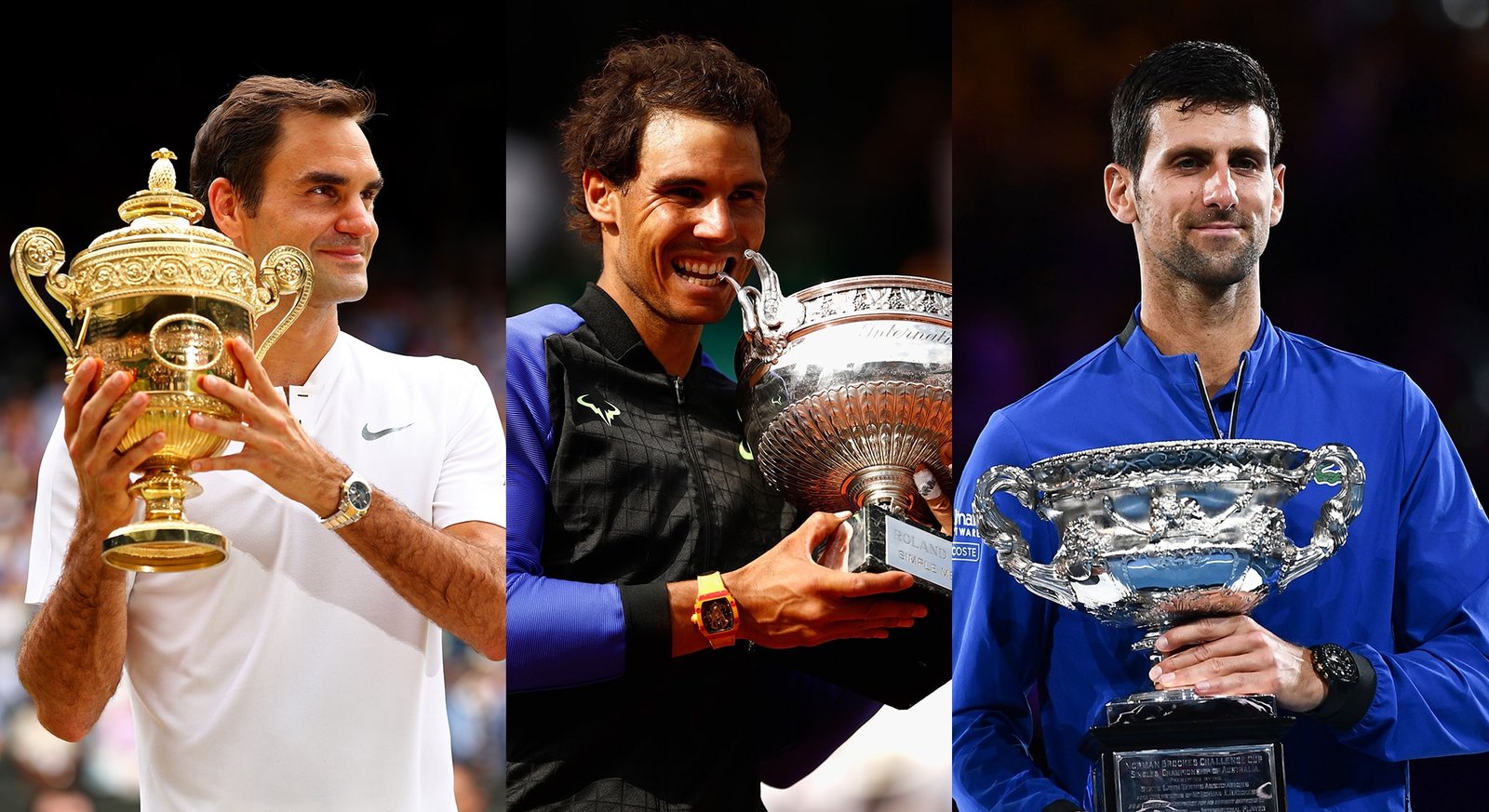
As the only Grand Slam played on clay, the French Open reshapes both the technique and the rhythm of tennis. Unlike grass or hard courts, clay demands immense patience, defensive mastery, and strategic point construction. For over a decade, the tournament’s mythology was inseparable from Rafael Nadal, whose near-mythical consistency on clay, alongside legendary battles with Novak Djokovic and Roger Federer, defined an entire era of the sport.
However, 2026 marks a true changing of the guard. Analysts note a distinct evolution in the style of play; while clay traditionally favors defensive baseliners, modern athletes are bringing unprecedented power and speed, creating a hybridization of styles where endurance seamlessly meets aggression.
The Men’s Draw: The Alcaraz-Sinner Hegemony
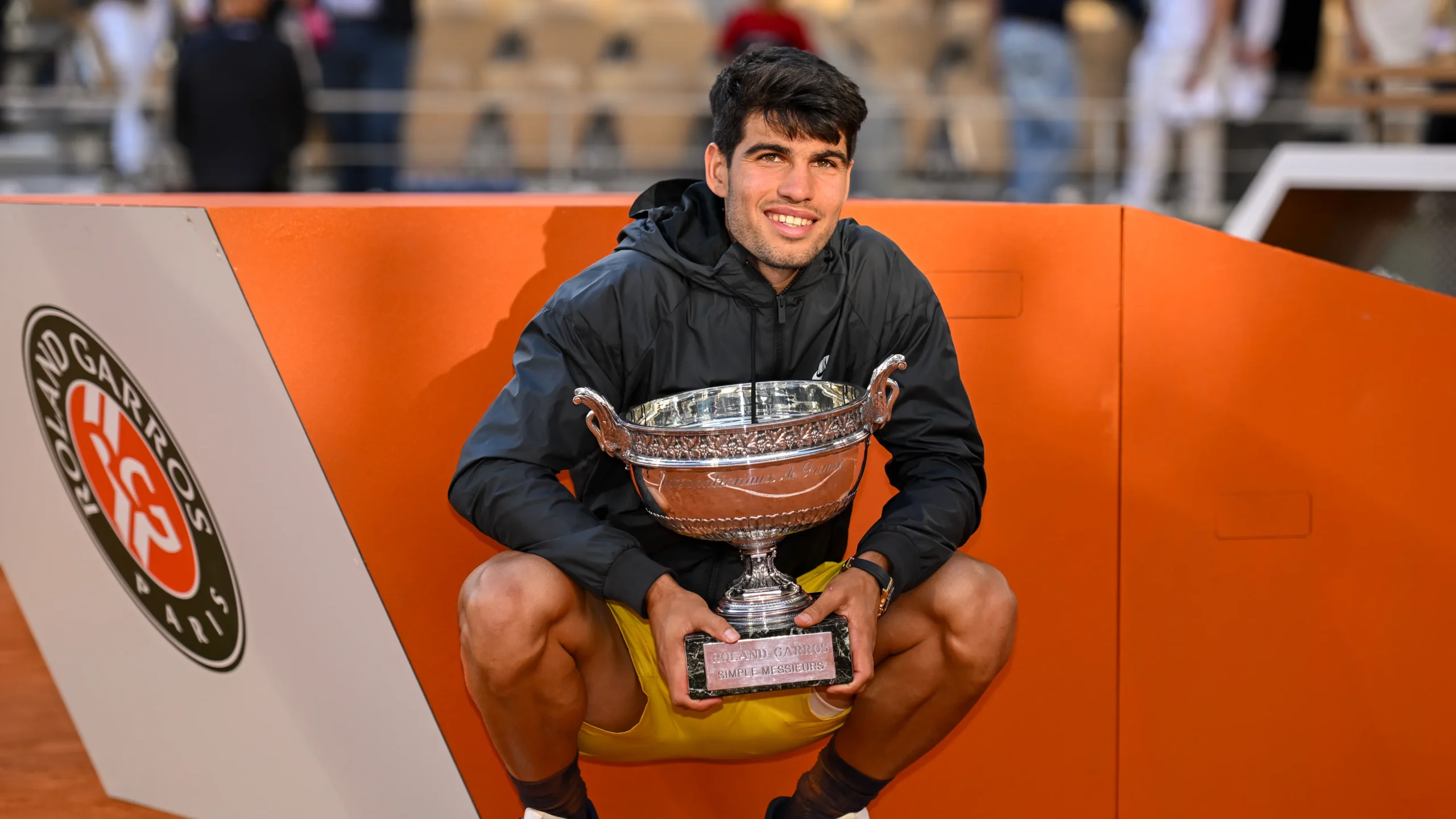
In the men’s field, the narrative is dominated by what many expect to be a two-horse race, stemming from the instant-classic, five-set final between Carlos Alcaraz and Jannik Sinner in 2025.
- Carlos Alcaraz: The World No. 1 and two-time defending French Open champion enters Paris as the undisputed man to beat. His dynamic versatility and intense aggression make him perfectly suited for the surface, evidenced by his victories in two of the three clay Masters 1000-level events last season.
- Jannik Sinner: Seeking to complete the career Grand Slam, Sinner has plenty of motivation. Despite suffering an early exit at the 2026 Australian Open, his precision and composure helped him reach the finals in Rome and Paris last year following a three-month suspension.
- The Challengers: Alexander Zverev, the 2024 runner-up, remains a severe threat. Having reached the quarterfinals or better in seven of the past eight years, the three-time major finalist recently pushed Alcaraz to five incredible sets in the Melbourne semifinals. Meanwhile, Italy’s Lorenzo Musetti remains a dark horse; if he can stay healthy and stave off the leg injuries that derailed his recent major semifinal runs, his shot-making abilities can take him deep into the second week.
The Women’s Draw: A Clash of Queens
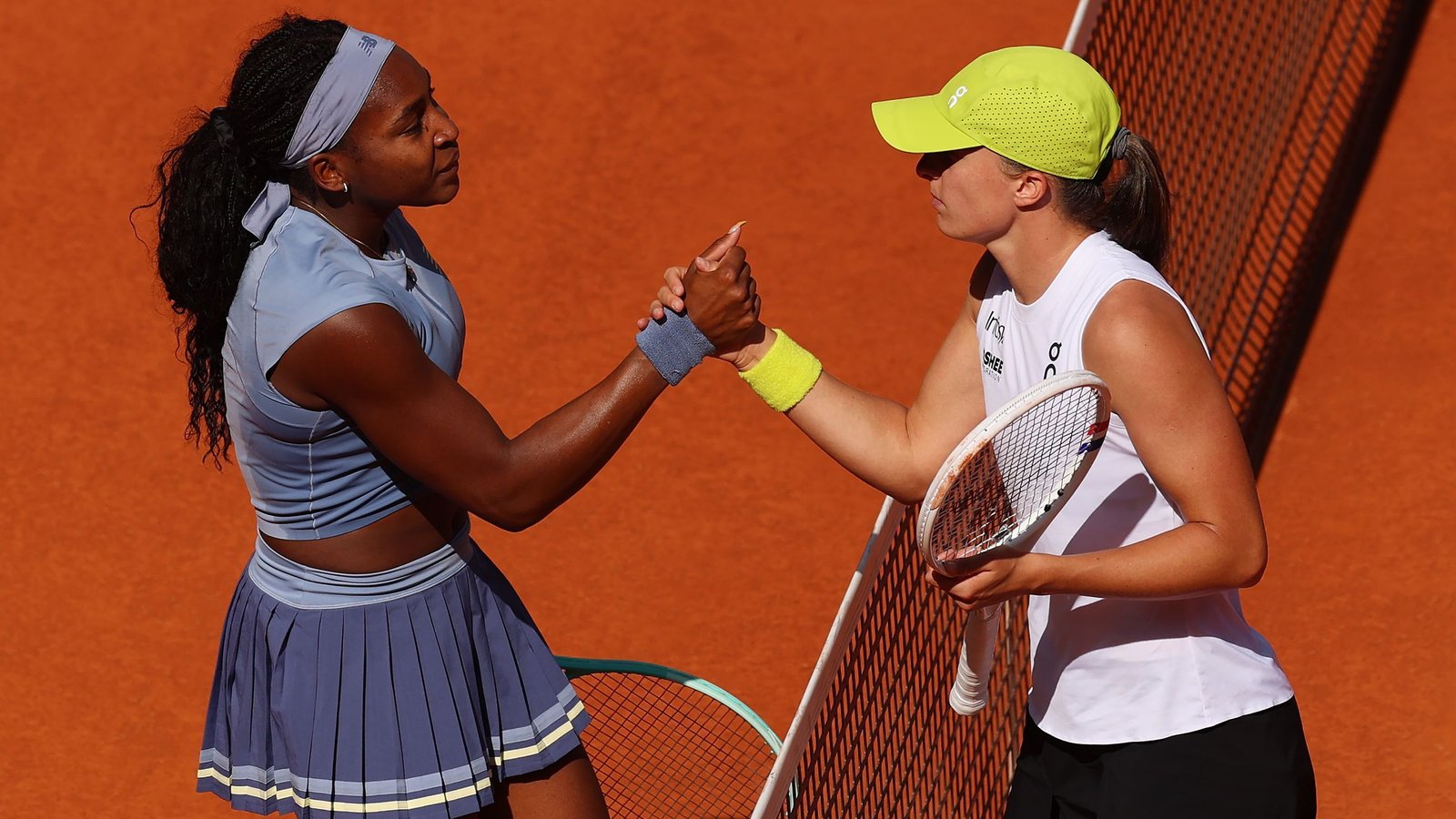
The women’s tournament promises explosive competition, headlined by a fierce battle between the current titleholder and the undisputed queen of clay.
- Coco Gauff: The 2025 champion will be looking to successfully defend a major title for the first time in her career. Gauff proved her clay-court prowess last year by reaching the finals in Madrid and Rome before triumphing in Paris, blending her elite athleticism with refined tactical growth.
- Iga Świątek: Despite a difficult 2025 season on clay where she failed to reach a final in any lead-up event and suffered a semi-final loss in Paris, the four-time Roland-Garros champion remains the overarching favorite. Analysts expect her to be highly motivated to reclaim her throne following disappointing recent results at the US and Australian Opens.
- The Contenders: Aryna Sabalenka, the 2025 runner-up, is desperate to secure her first major away from a hard court, bringing the pedigree of a three-time Madrid Open champion. Elina Svitolina is also enjoying a massive resurgence; the 31-year-old won the 2026 season opener in Auckland and scored top-10 victories over Gauff and Andreeva in Melbourne. Finally, 18-year-old prodigy Mirra Andreeva—who reached the 2024 French Open semifinals and won an Olympic silver medal at the venue—is poised for a major breakthrough.
Paris in Motion: More Than Just a Tournament
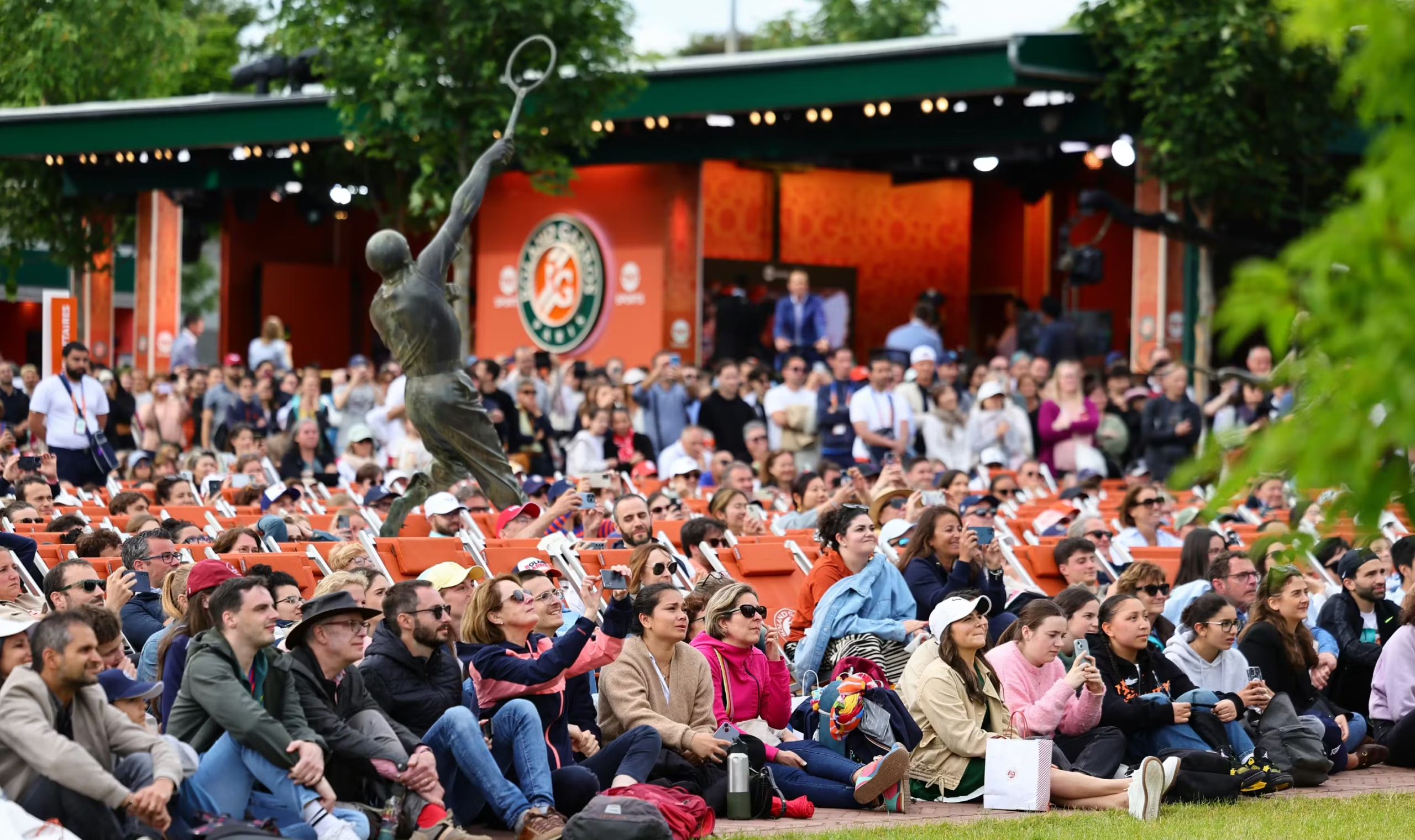
- Beyond the baselines, the 2026 French Open will once again transform Paris into a global sporting and cultural hub. Roland-Garros is distinct in its ability to blend sporting excellence with Parisian elegance, high fashion, and culinary sophistication.
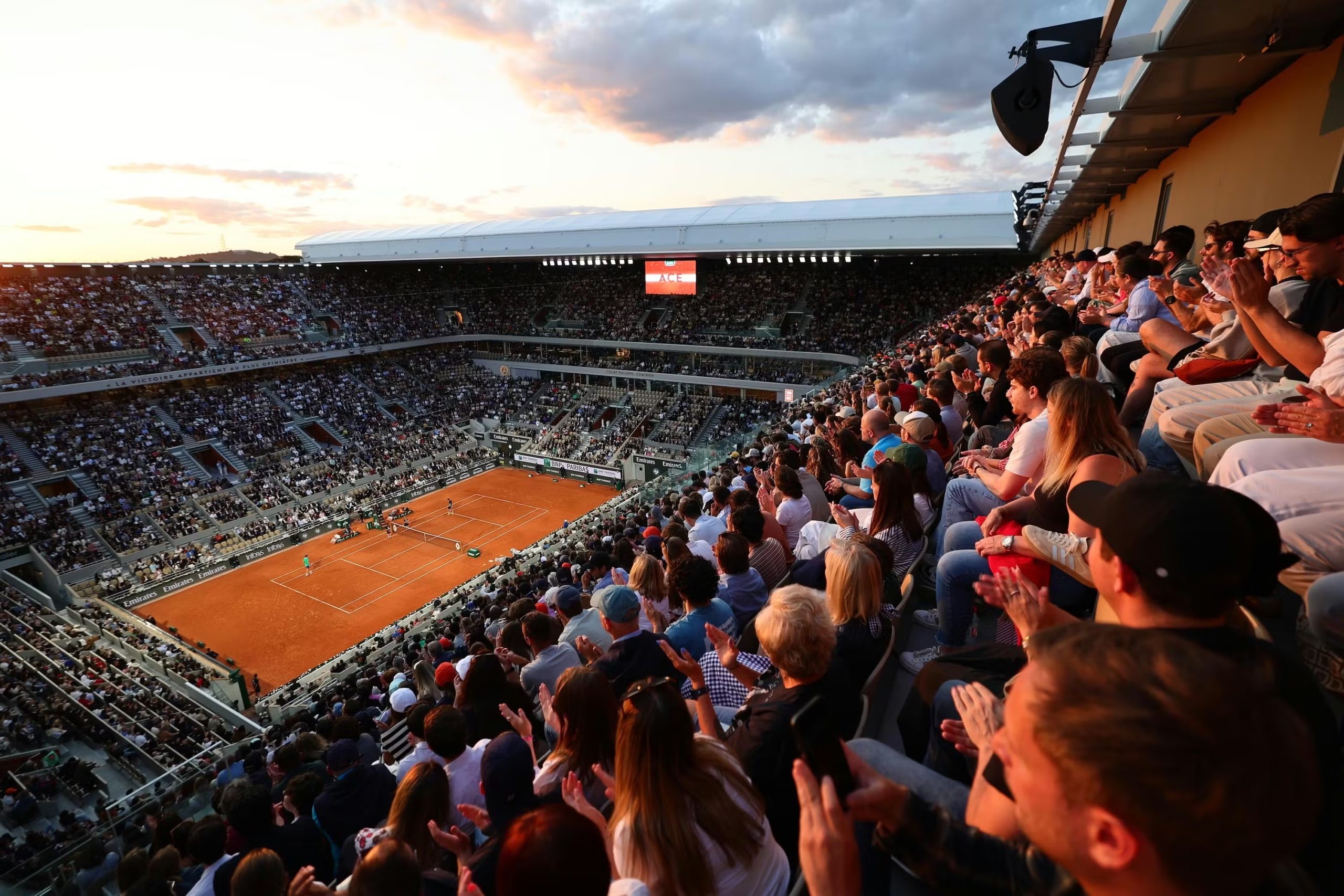
- Recent infrastructure upgrades at the stadium, including modernized courts and luxury hospitality amenities, represent a strategic effort to sustain the venue’s competitiveness on the global stage. For the millions of international visitors tuning in and traveling to the event, Roland-Garros is not just a tennis tournament, but a broader urban experience that injects massive economic activity into the city’s hotels, gastronomy, and retail sectors.
- As the world’s best descend upon Paris this May, Roland-Garros 2026 promises to be a legendary showcase—a tournament where the sport’s rich traditions are preserved not by resisting the future, but by absorbing the thrilling evolution of a new tennis generation.