






The Soul of Commerce: Markets and Bazaars
If the kitchen is the heart of the Mediterranean home, the market is the soul of the Mediterranean city. From the Souks of the Maghreb to the Agoras of the Aegean and the Mercados of Iberia, these spaces are the oldest continuous commercial networks in the world. They are not simply places to buy food; they are social theaters where the drama of daily life unfolds.
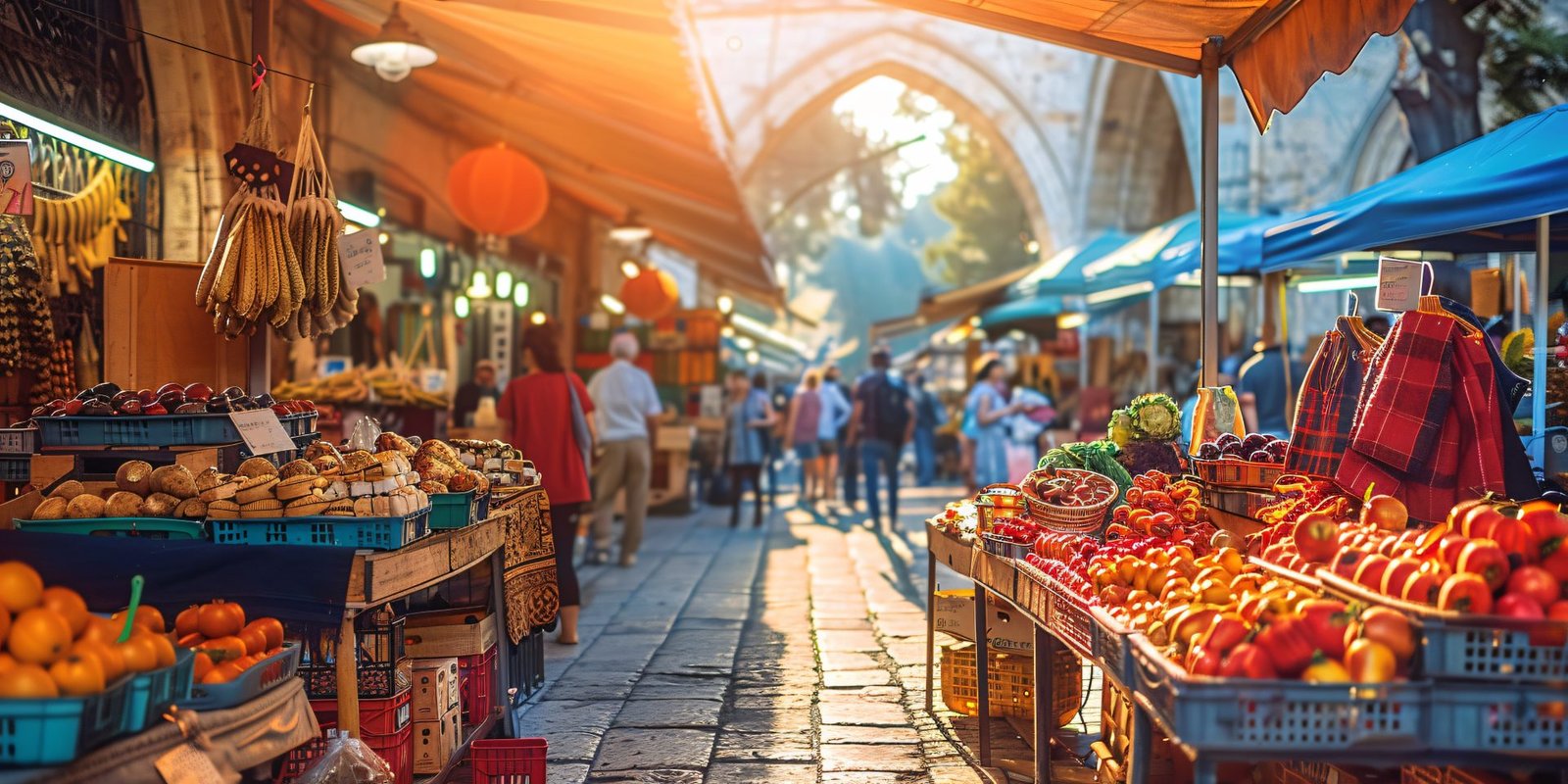
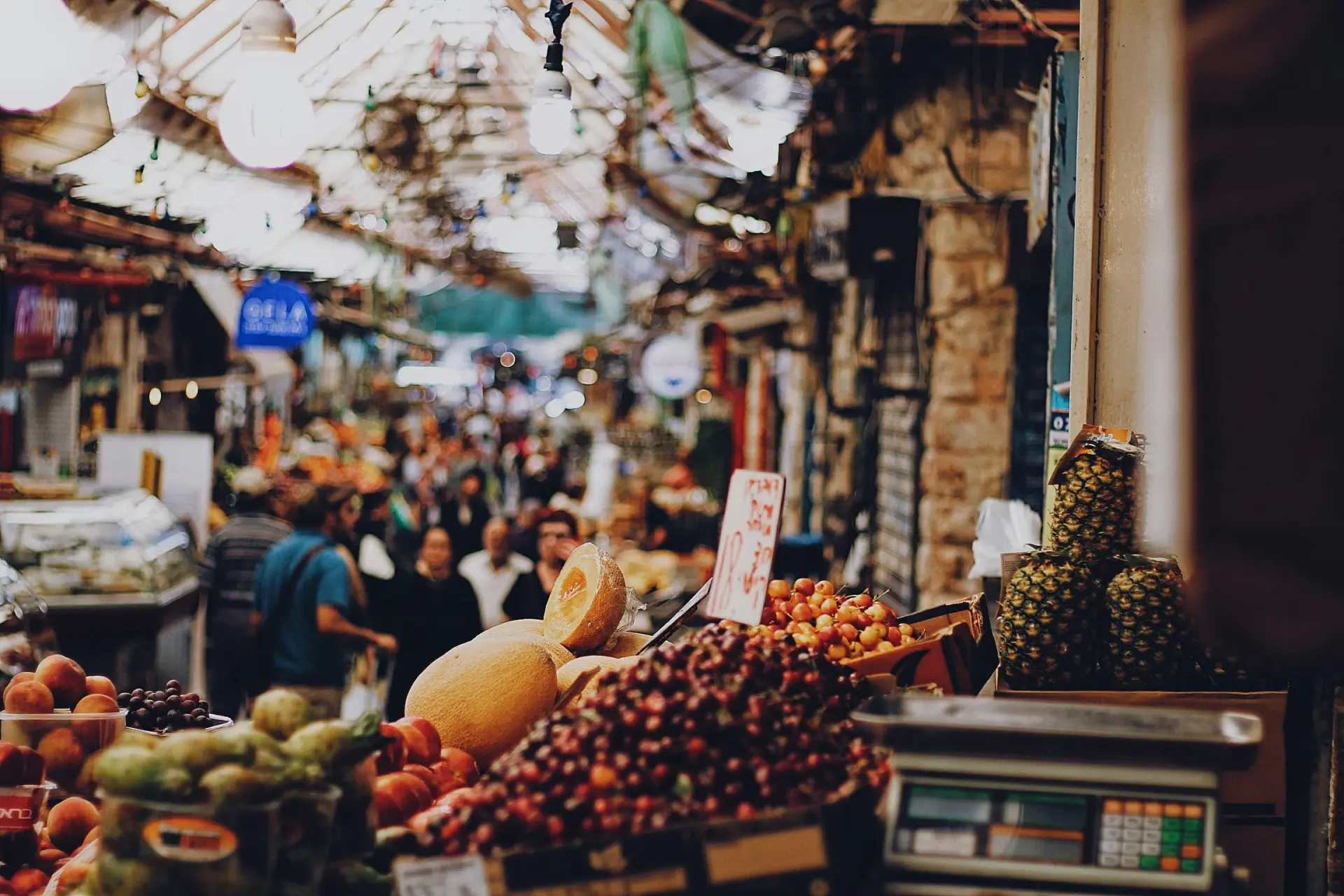
In the eastern and southern Mediterranean, the Bazaar or Souk is a labyrinthine marvel. In cities like Istanbul, Cairo, and Fez, these covered markets are architectural masterpieces designed to keep shoppers cool and protected. Here, commerce is intimate and negotiable. The ritual of bargaining is not about conflict, but about establishing a relationship between buyer and seller—a social dance often accompanied by a glass of mint tea or apple tea. The organization of these markets often follows medieval guild lines, with specific streets dedicated to coppersmiths, spice merchants, or leatherworkers, preserving a structure of commerce that has remained unchanged for centuries.
On the northern shores, the open-air Farmers’ Market dominates. In Provence, Tuscany, and the Greek islands, these weekly gatherings are a celebration of hyper-seasonality. The produce sold is rarely traveled; it is the immediate bounty of the surrounding hills. Unlike the silent aisles of a supermarket, the Mediterranean market is a cacophony of greeting and debate. It serves as the town hall, where news is exchanged, politics are discussed, and the community reaffirms its bonds over crates of artichokes and wheels of cheese.
Treasures of Craft: Shopping and Souvenirs
In a globalized world of mass production, the Mediterranean remains a bastion of artisanal integrity. Shopping here is an exercise in cultural preservation. The most meaningful souvenirs are those that carry the distinct fingerprint of their region’s history.
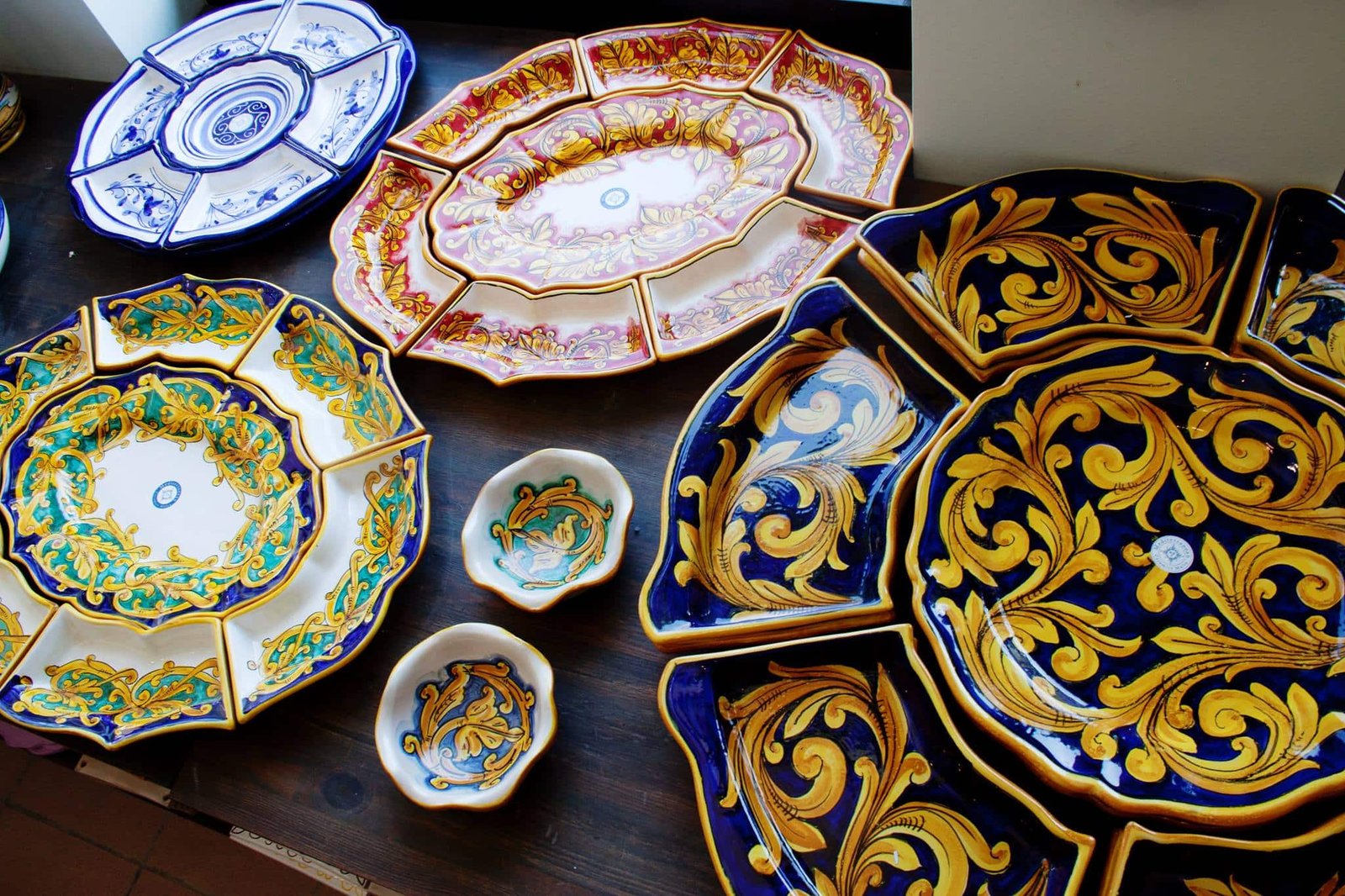
- Ceramics and Pottery: This is perhaps the most universal Mediterranean craft. From the colorful Majolica of Sicily and the blue-and-white Azulejos of Portugal to the intricate geometric patterns of Moroccan Zellige and the Iznik designs of Turkey, clay is the canvas of the region. Buying a hand-painted bowl is an investment in a lineage of craftsmanship that dates back to the Phoenicians.
- Textiles and Leather: The leather tanneries of Fez and Florence are world-renowned, producing goods that age beautifully with use. Similarly, the textile traditions—whether it is Egyptian cotton, French Jacquard, or Turkish kilims—reflect a mastery of weaving that tells the story of the Silk Road.
- The Olive Wood: In regions where the olive tree is sacred, its wood is never wasted. Carved into bowls, spoons, and cutting boards, olive wood objects are durable, beautiful, and carry the scent of the groves into the home.
Elegance in Ease: Fashion and Mediterranean Style
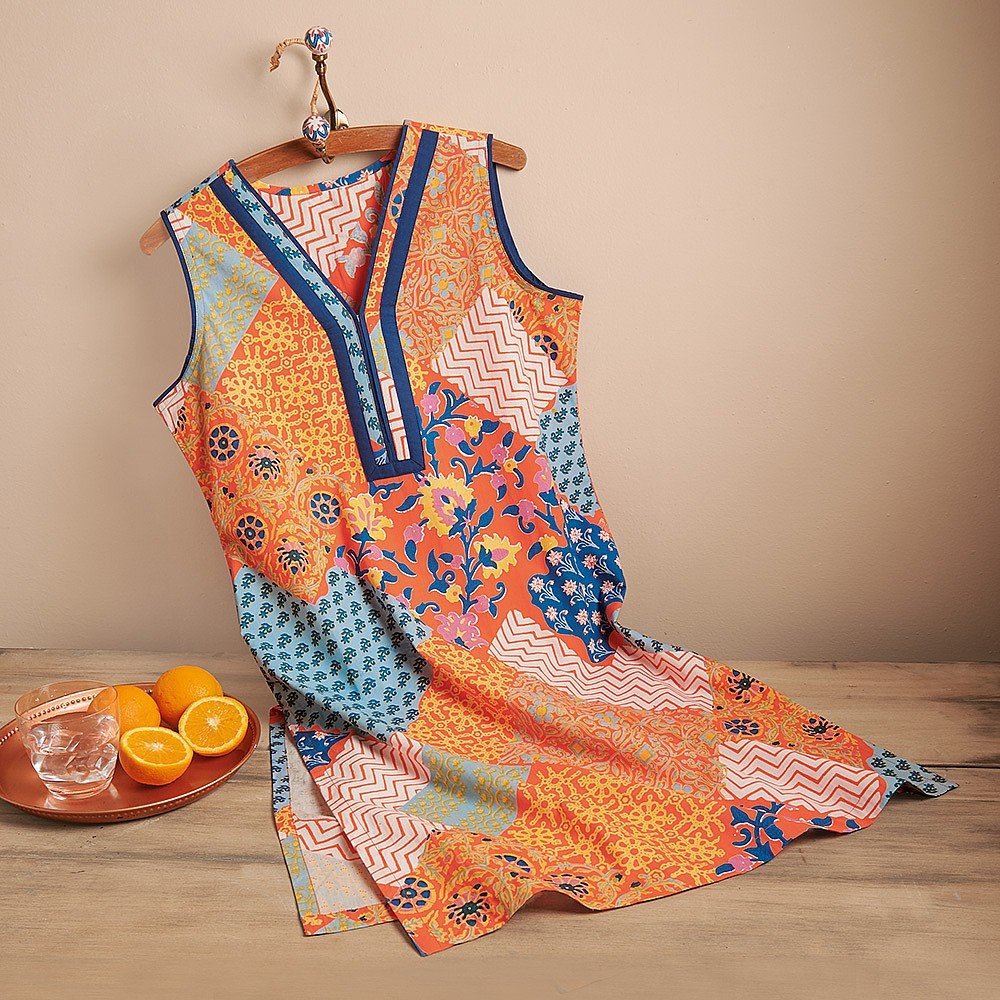
Mediterranean style is defined by a single paradox: it is effortlessly elegant yet entirely practical. It is a fashion born of the climate, designed to allow the body to breathe while shielding it from the intense sun. This has created a shared aesthetic that is recognizable from the Riviera to the Levant.
The foundation of this style is natural fiber. Linen and cotton are the non-negotiable staples, favored for their ability to keep the wearer cool. The silhouette tends to be loose and draping, moving away from the restrictive tailoring of Northern Europe. In the Greek islands and Southern Italy, this manifests in crisp whites and nautical blues—a reflection of the architecture itself. In North Africa and the Middle East, the kaftan and the djellaba offer a more modest yet equally practical solution to the heat, often adorned with intricate embroidery that signals status and origin.
Accessories are functional necessities transformed into style statements. The wide-brimmed straw hat, the leather sandal, and the oversized sunglasses are ubiquitous. Jewelry often leans towards gold, echoing the warmth of the sun, and frequently incorporates the nazar (evil eye) or the hamsa—ancient amulets of pro
Sanctuaries of Stone and Light: Home and Design
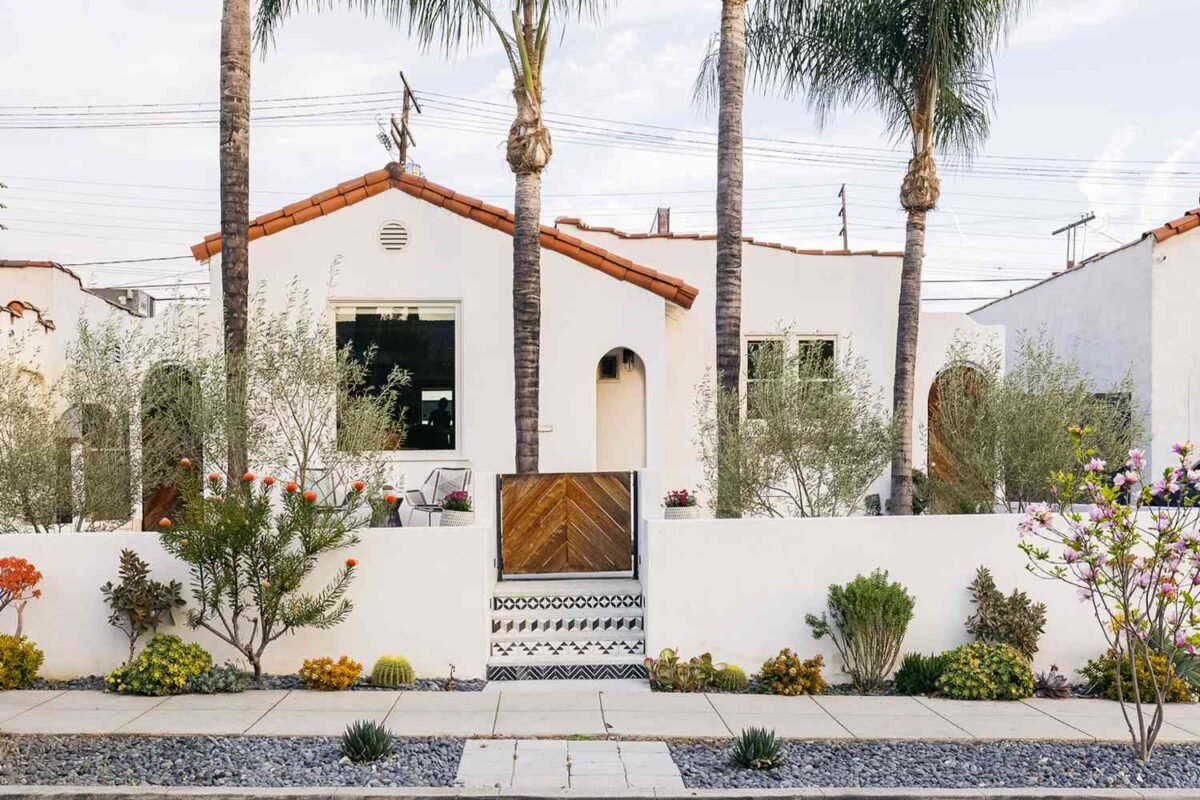
Mediterranean architecture and interior design are lessons in harmony between the built environment and the natural world. Whether it is a Finca in Spain, a Riad in Morocco, or a stone villa in Dalmatia, the design principles remain consistent: manage the heat and celebrate the light.
The defining feature of the Mediterranean home is the blurring of indoor and outdoor space. The patio, terrace, or courtyard is not an addition to the house; it is the central living room. Shaded by pergolas of bougainvillea or grapevines, these spaces allow life to be lived in the open air for nine months of the year.
Interiors rely on thermal mass. Thick stone or stucco walls absorb the day’s heat and release it slowly at night, keeping the interior cool. Floors are typically tiled—terracotta, marble, or hydraulic cement—providing a cool surface underfoot. The color palette mimics the landscape: the ochre of the earth, the azure of the sea, the sage green of the olive leaf, and the blinding white of the lime wash used to reflect the sun. Furniture is rustic and durable, often built into the structure itself (such as masonry benches), emphasizing a lifestyle that values permanence and simplicity over fleeting trends.
A Holism of Health: Wellness and Mediterranean Living
Wellness in the Mediterranean is not a luxury product confined to a spa; it is woven into the fabric of daily life. The famous Mediterranean Diet is just one component of a broader ecosystem of well-being.
The Ritual of Water: The therapeutic use of water is a shared heritage of the Roman and Ottoman empires. The Hammam in the East and the Thermae in the West are vital institutions. These are not just places for hygiene, but for deep purification and socialization. The ritual of exfoliation, steam, and cold plunges is a practice of resetting the nervous system that has been perfected over millennia.
The Power of Rest: The Siesta (or Mesimeri in Greece) is often misunderstood as laziness. Biologically, it is a sensible adaptation to the circadian rhythm during the hottest part of the day. It divides the day into two distinct chapters, allowing for a “second morning” in the late afternoon and enabling the vibrant, late-night social culture the region is famous for.
Community as Medicine: Perhaps the most crucial wellness factor is social integration. Loneliness is the antithesis of the Mediterranean way. The multi-generational family structure and the culture of the public square ensure that individuals remain connected, supported, and engaged throughout their lives, contributing significantly to the region’s high life expectancy.