






From Massalia to Fos-sur-Mer: A Brief History
The port’s origins span over 2,600 years, beginning around 600 BC when Greek settlers from Phocaea founded the city of Massalia. Its natural harbor provided a safe anchorage that facilitated early trade in olive oil, wine, ceramics, and grains. Throughout the Middle Ages, Marseille thrived as a primary conduit connecting France with Mediterranean markets for spices, textiles, and other valuable commodities arriving from distant regions.
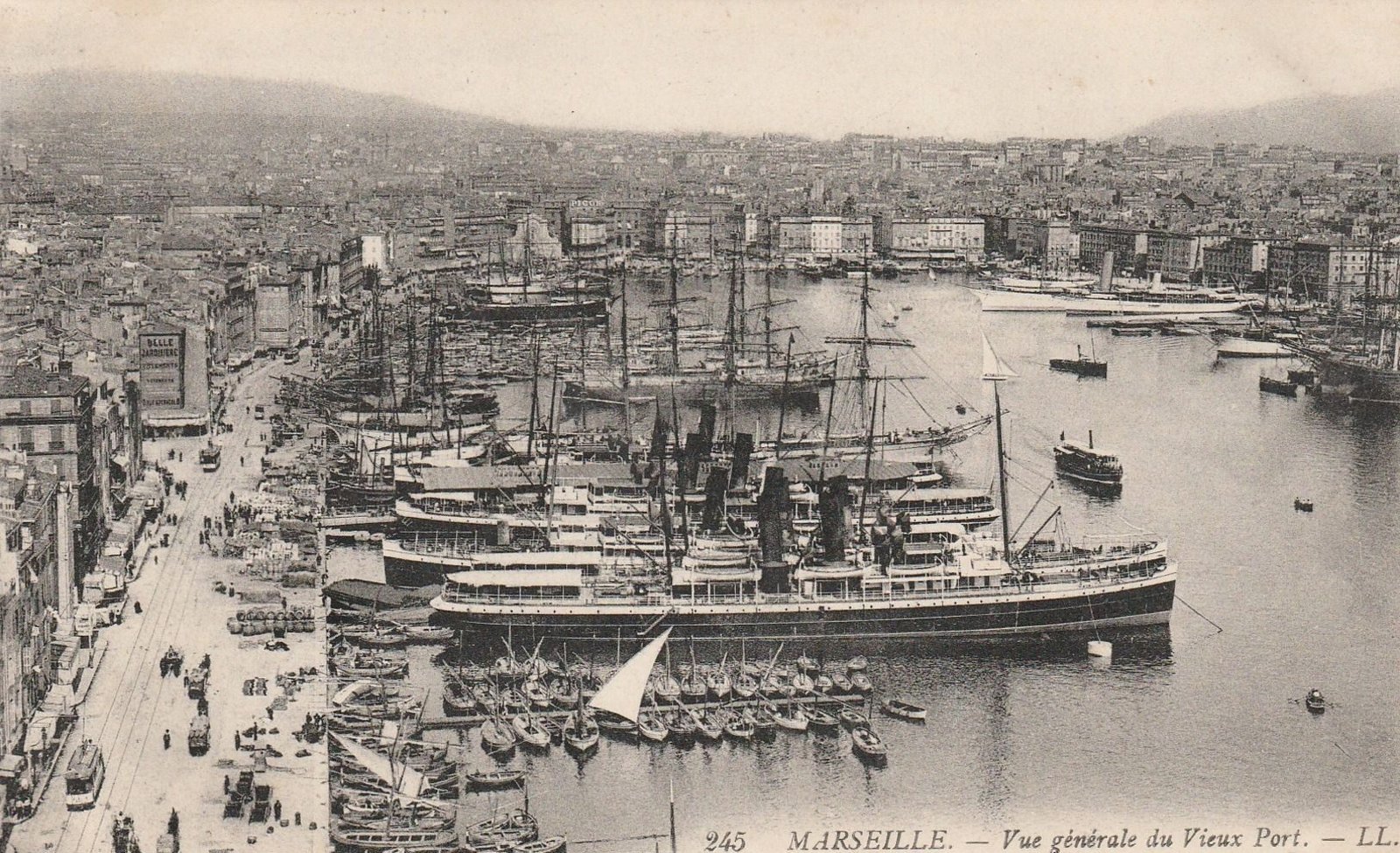
The 19th century marked a transformative era of unprecedented boom, fueled by the industrial revolution and expanding trade with colonies in North Africa and Asia. As steam navigation gained prominence and the industrialization of oil and soap factories intensified goods traffic, the city’s population surged from 100,000 at the turn of the century to 550,000 by its end. To accommodate increasingly large vessels, the historic Vieux Port was dredged to a depth of 6 meters in 1839, followed by the creation of new quays and the opening of the Joliette basins in 1847. Following World War II, the growing demands of globalized trade and the oil industry necessitated a massive expansion, leading the French government to extend the port 50 kilometers westward to Fos-sur-Mer. In 1965, the facility was officially restructured into the Grand Port Maritime de Marseille to handle the immense scale of contemporary commerce.
Strategic Importance in Global Trade
Geographically positioned on the Mediterranean Sea, the Port of Marseille acts as a direct entry point into the European market for vessels navigating from the Suez Canal. It is a highly multidisciplinary facility, seamlessly processing containers, roll-on/roll-off (RoRo) cargo, breakbulk, and hydrocarbons. Notably, more than 80% of France’s maritime trade with the Mediterranean and North Africa flows through its docks.
Beyond traditional shipping, recent developments highlight the port’s evolving geopolitical and technological significance. It is actively reinforcing its role as the western European gateway for the India-Middle East-Europe Economic Corridor (IMEC), enhancing supply chain connectivity between the Indian Ocean and the Mediterranean. Furthermore, the port is pioneering a transition into a “maritime digital gateway.” By hosting numerous international submarine data cables, Marseille has rapidly ascended to become one of the world’s top internet hubs for data exchange, bridging critical digital infrastructure with traditional maritime logistics.
The Engine of the French Economy
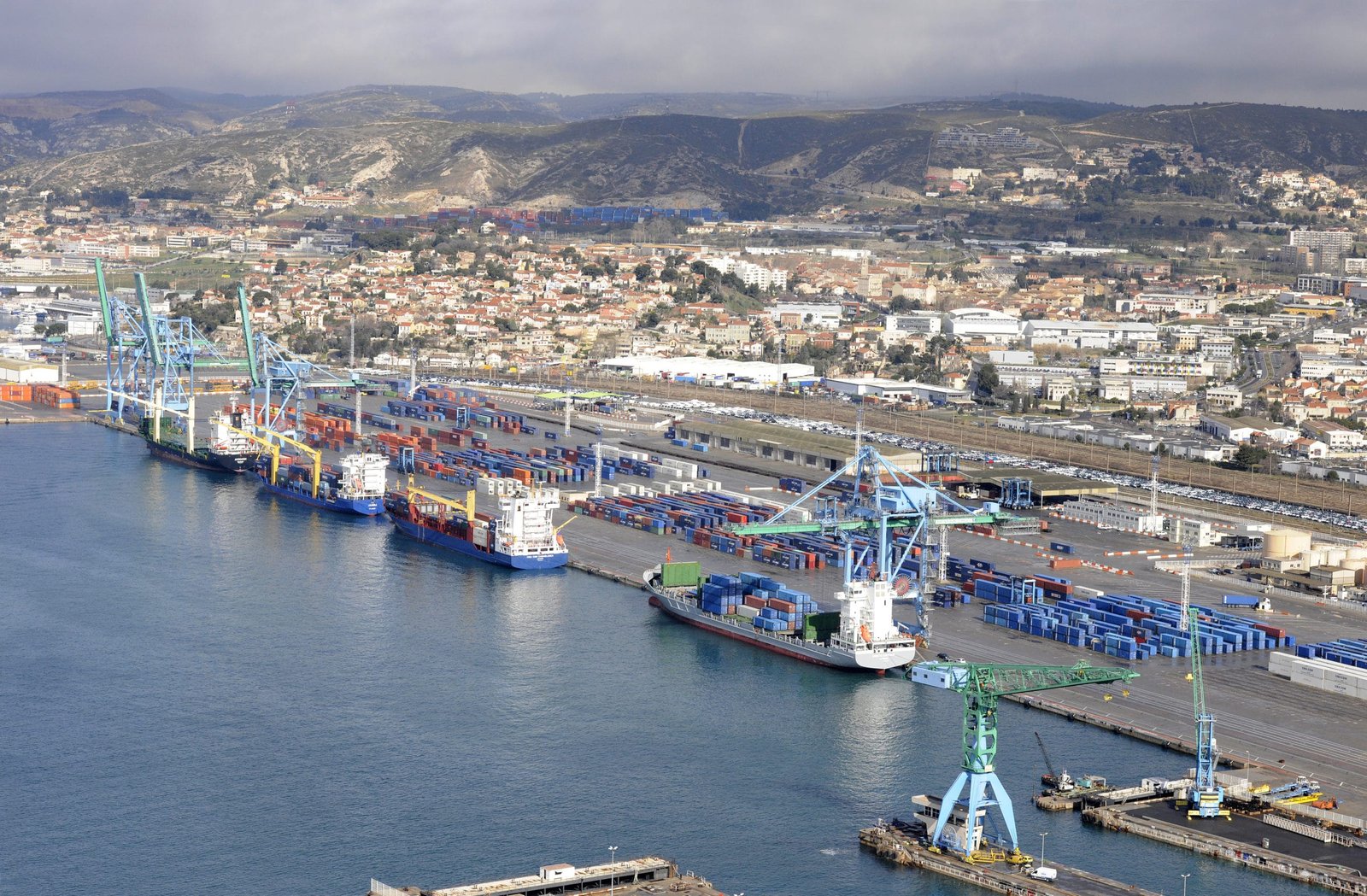
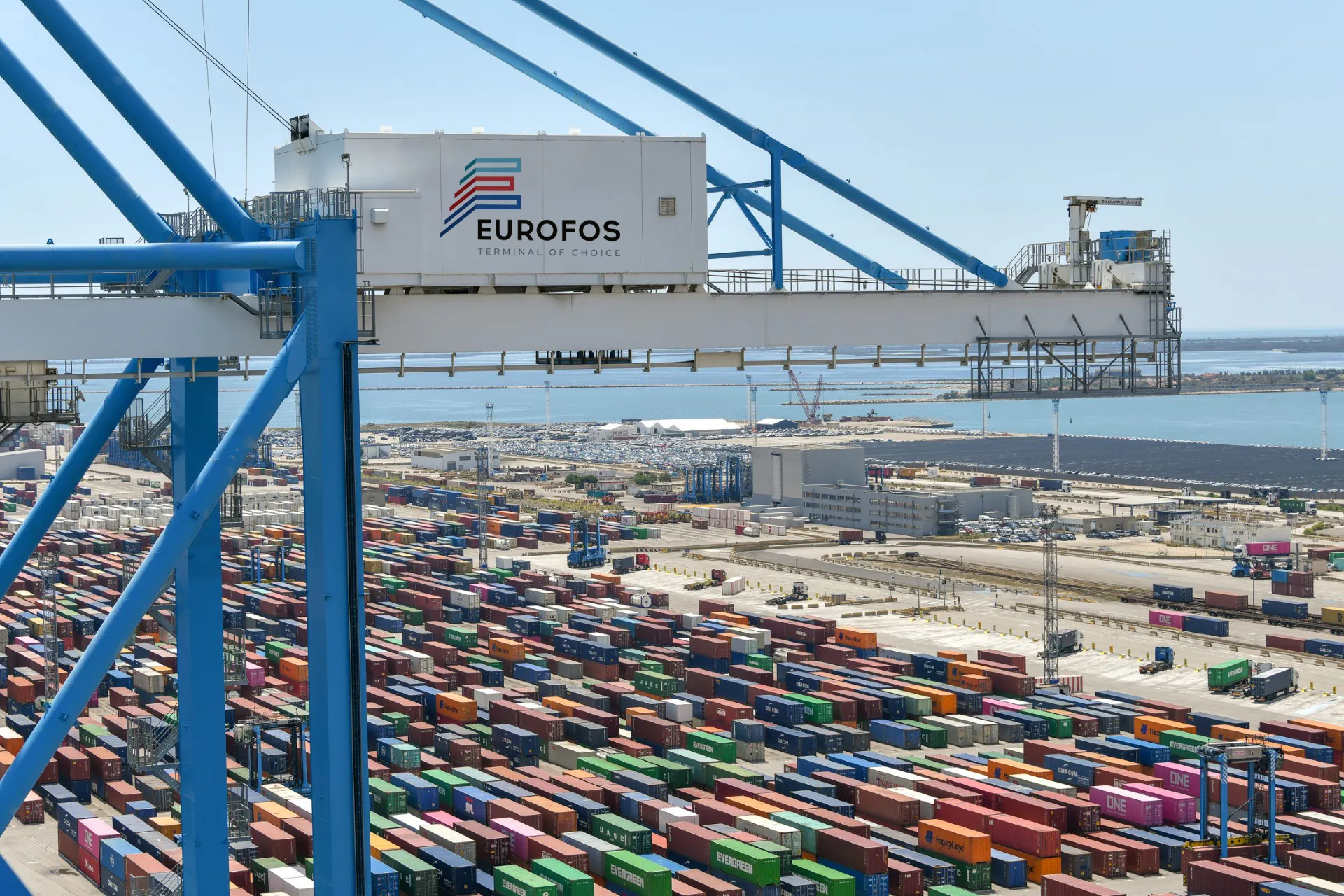
As the largest seaport in France and the third-largest in Europe (after Rotterdam and Antwerp), the Port of Marseille is an indispensable pillar of the national economy. The industrial zone of Fos-sur-Mer, which forms part of a massive 10,400-hectare industrial and logistics expanse, hosts large oil terminals, steel facilities, and chemical plants that rely heavily on the port’s supply chains to connect French industries with global markets. Statistically, the port operates on an immense scale, serving as a primary artery for international commerce:
- Annual Trade Volume and Cargo Throughput: In 2022, the port handled approximately 80 million tons of goods, encompassing bulk cargo, petroleum products, and food supplies. Recent data indicates the facility consistently maintains a massive annual trade volume of around 74 to 79 million tonnes, ensuring a steady flow of energy resources and commercial goods.
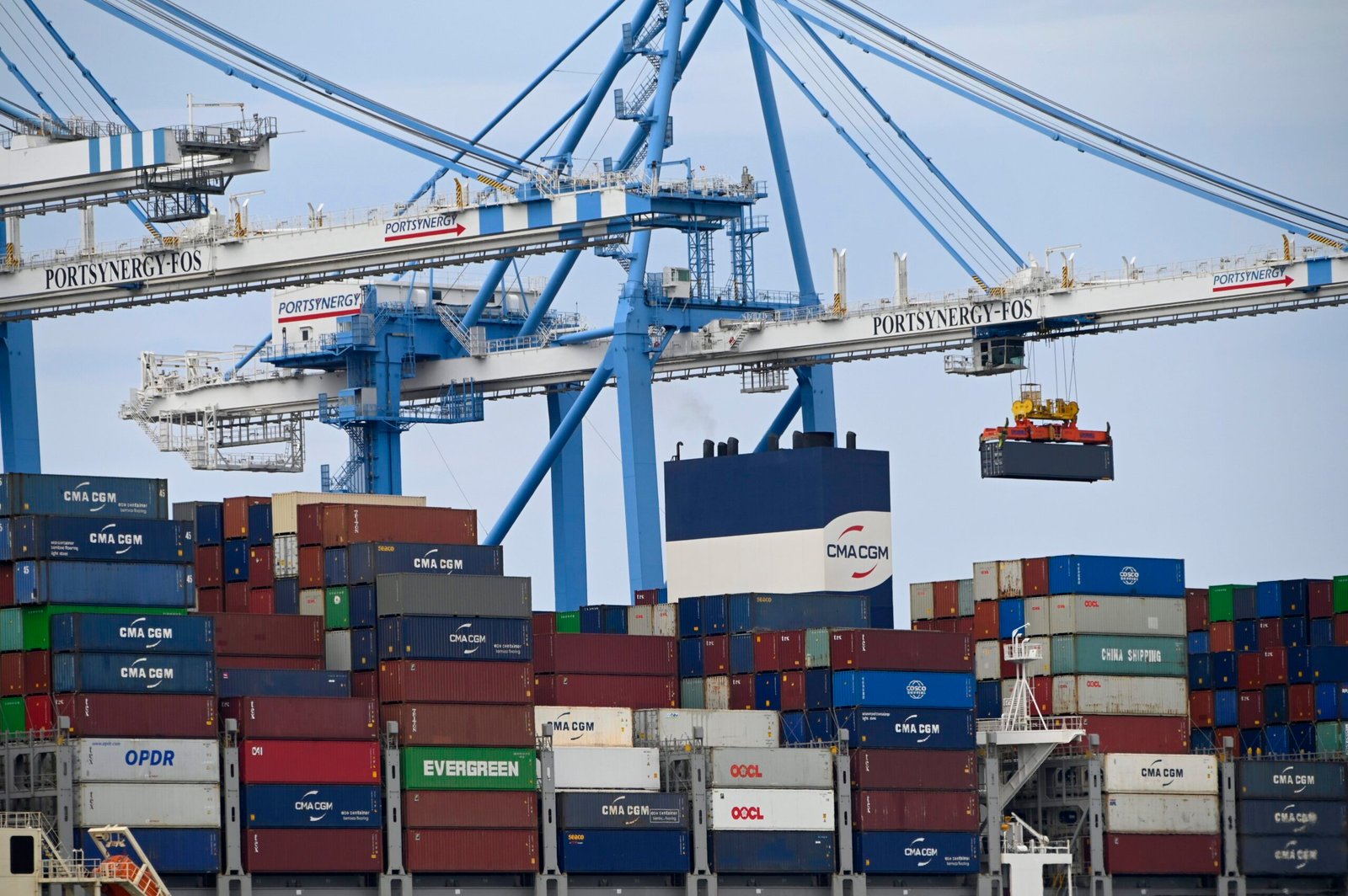
- Container and Vessel Traffic: The facility processed over 2.3 million TEUs (twenty-foot equivalent units) in 2022, securing its rank as a leading Mediterranean container port. Current industry statistics highlight that this container handling capacity has grown to roughly 3.4 million TEUs per year. Furthermore, the port is a hub of relentless maritime activity, welcoming nearly 10,000 vessel calls annually.
- Employment and Economic Value: The port serves as a monumental employment engine, directly sustaining over 40,000 jobs (with recent industry estimates placing it at roughly 41,500) and supporting tens of thousands more across interconnected logistics and maritime services. Financially, the port generates several billion euros in annual economic activity. External economic assessments estimate its direct annual turnover at nearly €170 million, driving a staggering €4 billion in broader economic traffic and stimulating profound growth throughout the Provence region.
Cultural Value and Urban Identity
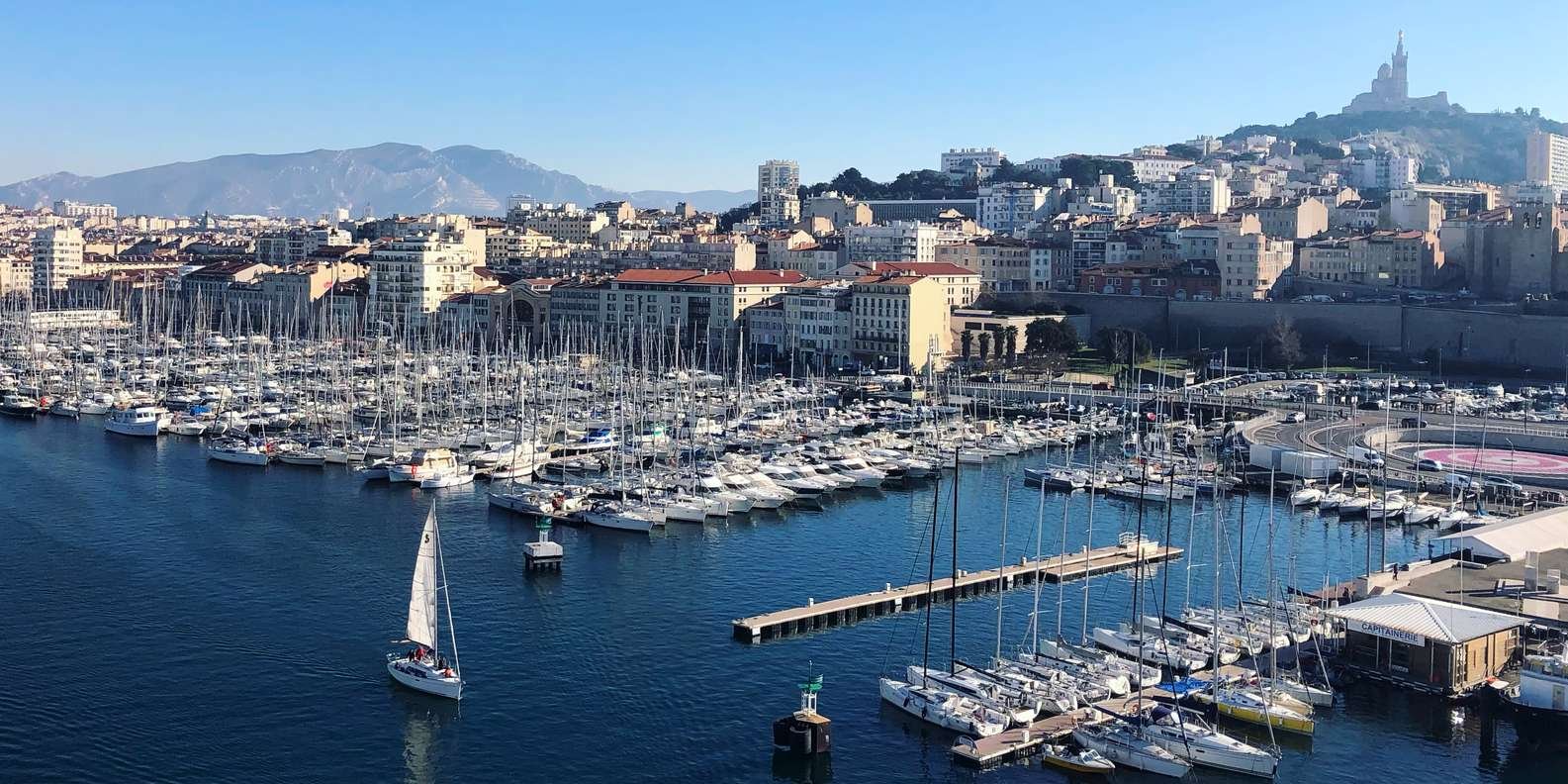
Marseille is a city shaped by the sea, and its cultural identity is inextricably linked to its maritime heritage. The historic Old Port (Vieux-Port) remains the vibrant social heart of the city, framed by bustling markets, seafood restaurants, and iconic cultural institutions like the Museum of European and Mediterranean Civilisations (MuCEM). This waterfront epicenter frequently hosts maritime events, festivals, and exhibitions, continually reflecting Marseille’s legacy as a cosmopolitan crossroads of migration, trade, and human interaction.
Expert Perspectives and Future Outlook
Maritime professionals widely acknowledge the port’s multifaceted strengths and future-oriented strategies:
- Jean-Luc Dupont, a maritime economist, encapsulates its geographical leverage: “Marseille is not just France’s port; it is the Mediterranean’s gateway to global markets. Its strategic location, coupled with modern facilities, allows it to compete with major European ports”.
- Claire Martin, a trade analyst, notes its structural agility: “The port’s diversification—container traffic, energy imports, and cruise operations—ensures resilience in fluctuating global trade environments”.
- Marc Leblanc, a local historian, emphasizes its social resonance: “The cultural life around the Old Port tells the story of Marseille itself: a city shaped by the sea, by commerce, and by centuries of human interaction”.
Looking ahead, the Port of Marseille-Fos is aggressively investing in sustainable innovation. The port is acquiring giant cranes for super container vessels and fostering the emergence of new green industries, including hydrogen fuel initiatives, decarbonization projects, and advanced recycling clusters to win new market share.
Looking Ahead
The Port of Marseille is far more than an industrial docking site; it is a historic, economic, and cultural colossus. From its ancient Phocaean roots to its modern embrace of digital cables and green energy, the port continuously adapts to the international economic situation. As it navigates the future of global supply chains, it will undoubtedly remain the foundational anchor of France’s international commerce and a premier gateway to the Mediterranean and the world.