







A Legal and Geopolitical Paradox
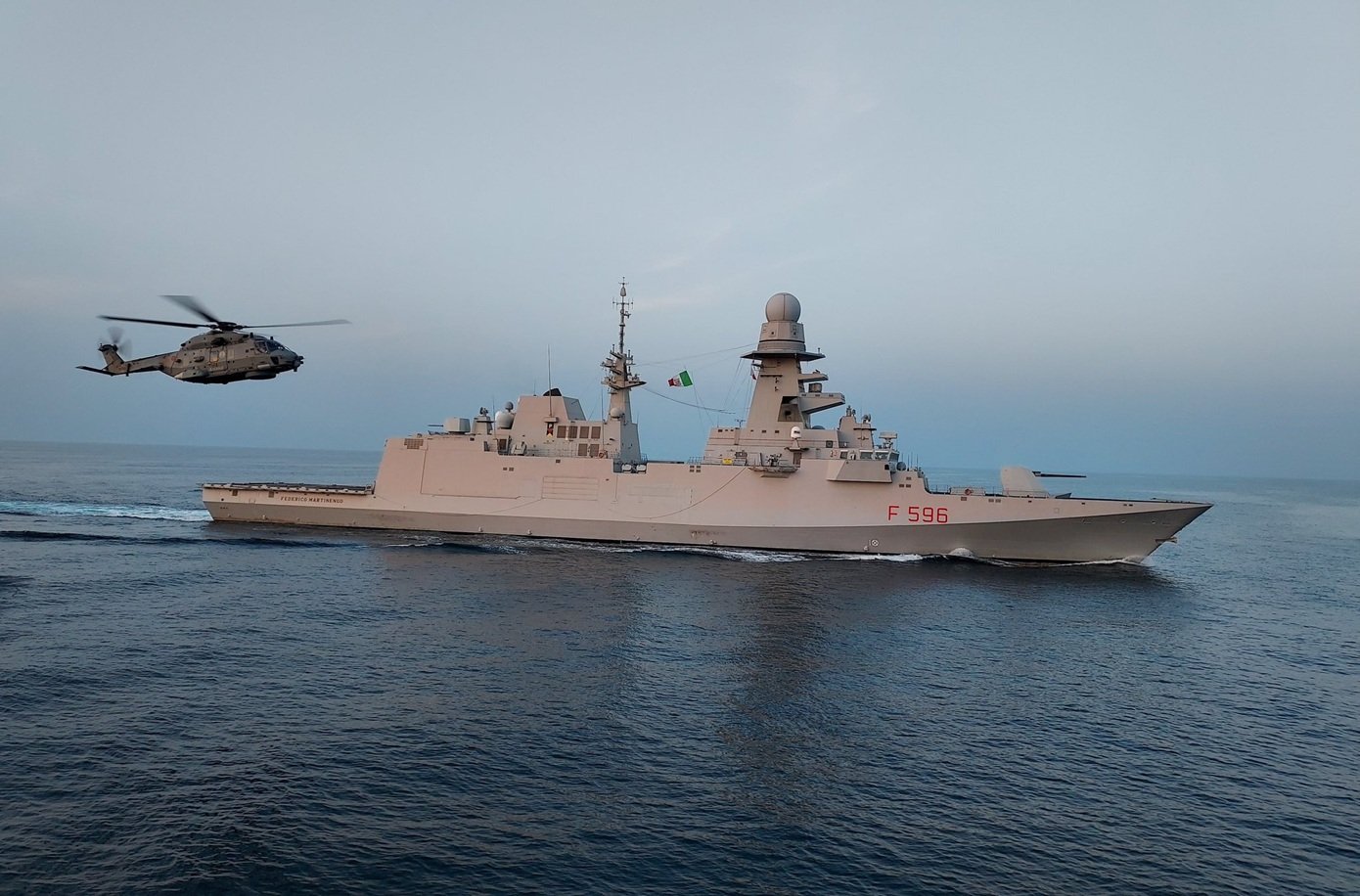
The core of the diplomatic friction stems from the unique status of the Akrotiri base. Rather than being a simple allied installation hosted by Nicosia, Akrotiri is an area over which London retained full sovereignty following Cypriot independence. For years, it has functioned as a critical operational platform for the United Kingdom in the Middle East and the Eastern Mediterranean.
The attack on this facility has revealed a profound legal blind spot. Geopolitically, Cyprus is a member of the European Union but is not a member of NATO. Conversely, the targeted base is legally British territory located outside the EU’s sovereign perimeter. This anomaly complicates the activation of traditional mutual defense clauses:
- NATO’s Article 5: While a British territory was attacked, the geographical constraints outlined in Article 6 of the North Atlantic Treaty make the automatic triggering of Article 5 highly complex. Similar to a recent incident involving a missile directed at Turkey—where NATO Secretary General Mark Rutte confirmed Article 5 was not on the table—a collective NATO response for Akrotiri remains unlikely.
- The EU’s Article 42(7): The European Union’s mutual defense clause applies to armed aggression on the territory of a Member State. Because Akrotiri is legally British and not part of the Republic of Cyprus, the EU framework is similarly ill-suited to provide a clear legal mandate for retaliation, despite an obvious political duty to respond.
The European Defensive Perimeter
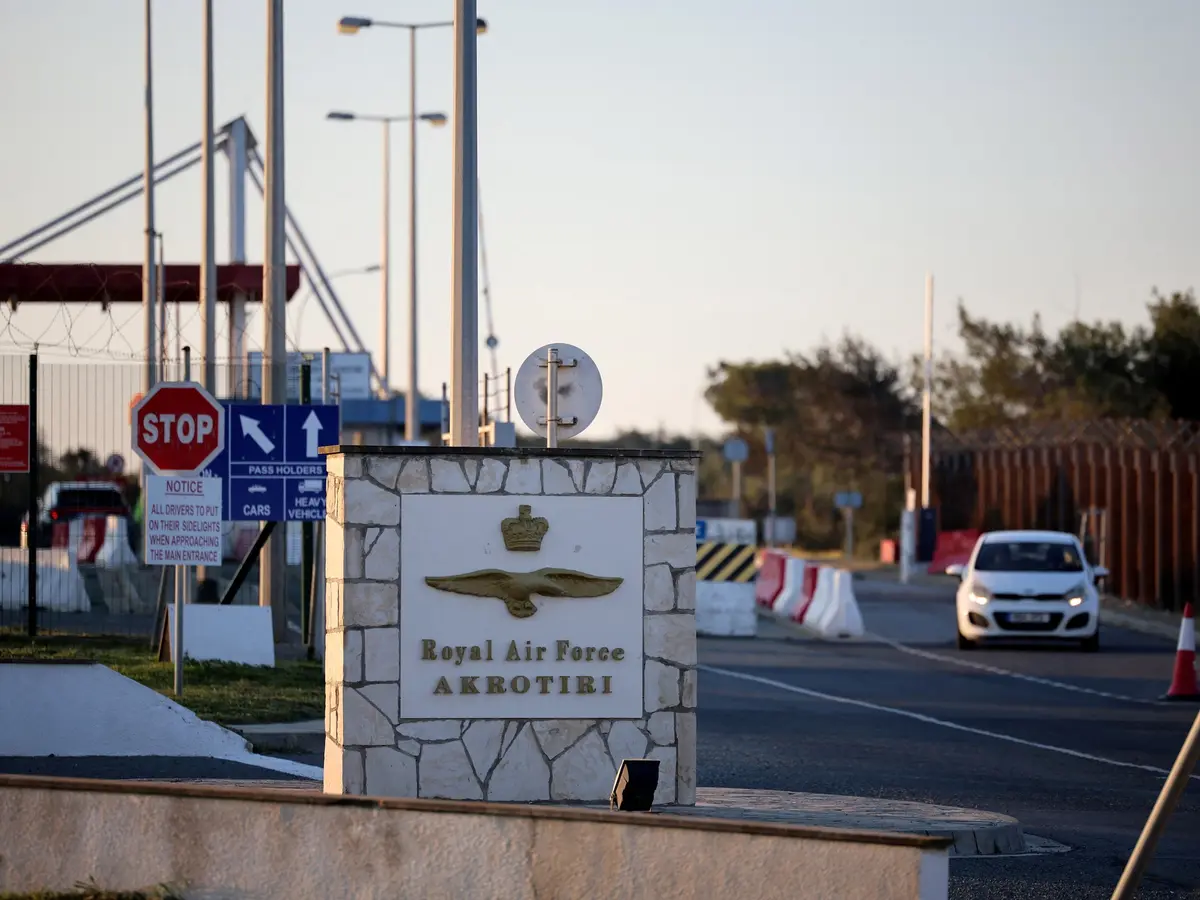
Despite the murky legal framework, European capitals quickly recognized the shared strategic threat and initiated a convergent, albeit decentralized, military response. The collective posture is strictly defensive, focusing on aerial protection and naval presence rather than offensive preparations.
The United Kingdom: Prime Minister Keir Starmer deployed the destroyer HMS Dragon alongside Wildcat helicopters equipped with anti-drone capabilities. France: Paris announced the dispatch of the frigate Languedoc along with additional air defense systems Greece: Athens explicitly linked its support to the defense of Cyprus, contributing F-16 fighter jets, frigates, and electronic warfare assets designed to jam drone signals. Broadening the Coalition: Italy, Spain, and the Netherlands also committed naval assets to secure the perimeter.
Italy’s Strategic Contribution: The Martinengo
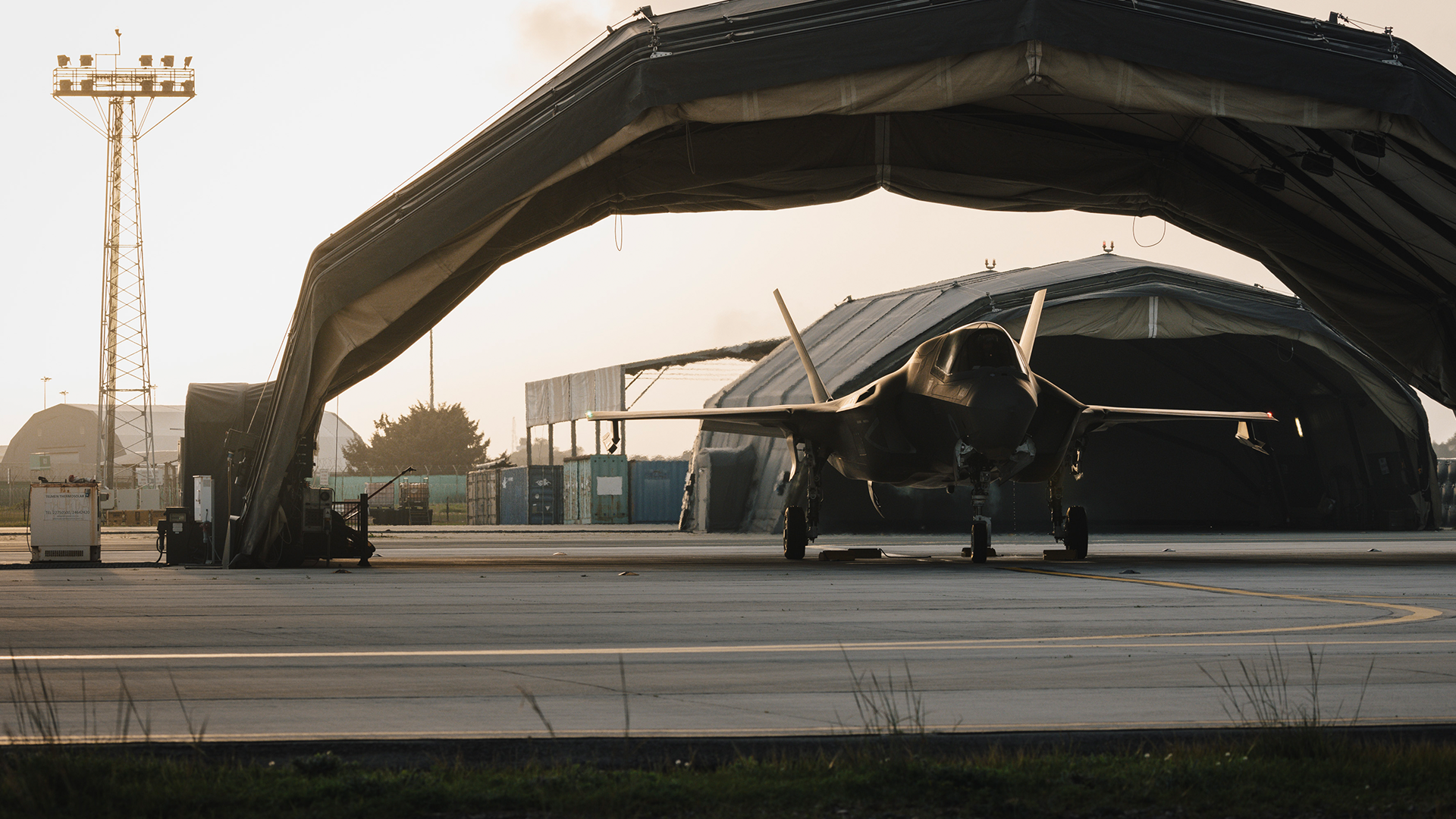
Following the attack, Italian Defense Minister Guido Crosetto confirmed the dispatch of naval support to assist the EU member state. Italy’s designated asset for this mission is the frigate Martinengo, which set sail from its mooring at the Taranto naval base carrying approximately 160 sailors.
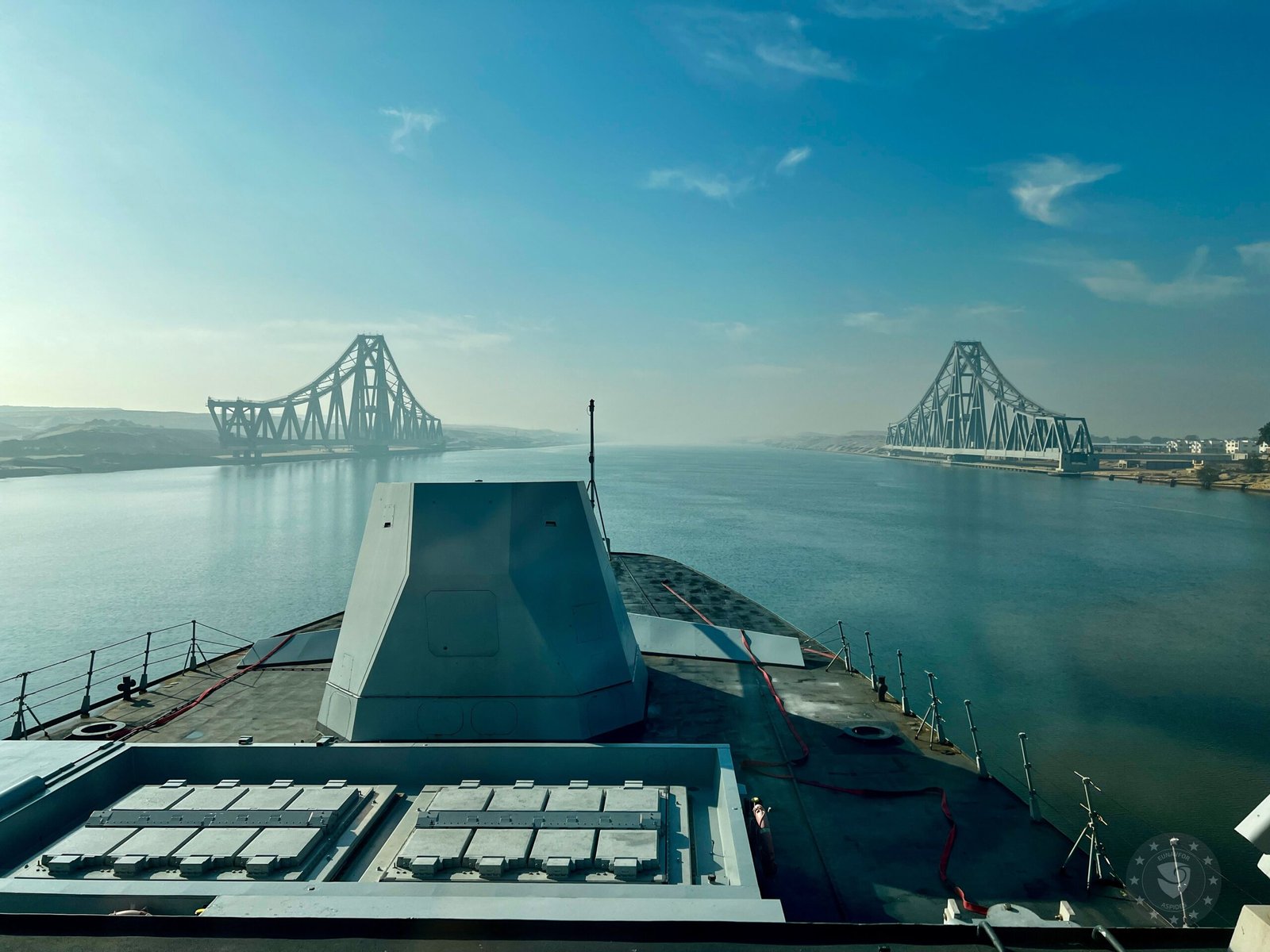
The Martinengo is a highly sophisticated vessel with a proven track record in active conflict zones. In 2024, it participated in Operation Aspides in the Red Sea, tasked with protecting commercial shipping from Houthi militant attacks.
Named after Federico Martinengo, a naval aviator who died in World War II, the ship is a product of the FREMM (European multi-mission frigate) joint program between the Italian and French defense industries. Built by Fincantieri in Liguria and launched in 2017, the vessel measures 144 meters in length and can reach maximum speeds of around 27 knots (50 km/h). Frigates of this class are exceptionally versatile; they are designed to hunt submarines, escort larger carriers, and neutralize airborne threats.
The Martinengo brings formidable tactical capabilities to the allied defensive screen in Cyprus:
Air Defense: The ship features the SAAM-ESD missile system, deploying Aster 15 and Aster 30 missiles—capable of intercepting drones, aircraft, and anti-ship missiles at ranges of 30 and 120 kilometers, respectively. These are guided by Leonardo’s MFRA radar, which boasts a 250-kilometer range and can track over 300 targets simultaneously.
Artillery: It is equipped with Leonardo’s Medium Caliber Gun System (MCGS), which fires up to 120 rounds per minute and can switch ammunition types without halting its firing cycle.
Surface Attack: The vessel carries the Surface to Surface Guided Weapon System (SSGWS) utilizing Teseo missiles, which fly at Mach 0.9 just meters above the water to evade radar, striking targets up to 180 kilometers away. Additionally, it utilizes helicopter-mounted Marte missiles for closer-range engagements.
Conclusion
Bearing the motto “Sufficit animus” (Courage is enough), the Martinengo represents a critical node in Europe’s response to the Mediterranean crisis. However, the broader mobilization around Akrotiri serves as a dual testament to the current state of European defense. While it highlights the impressive capacity of individual European nations to align their military instruments toward a common objective, it simultaneously underscores the absence of a unified, formalized European command structure capable of acting decisively in jurisdictional grey zones.