






As the global community navigates the complexities of 2026, the optimistic multilateralism that defined the turn of the century has definitively given way to a harsher reality. The latest strategic assessment by the Elcano Royal Institute describes an international landscape where the rules of the game have become opaque and where “coercion and vassalage” have replaced consensus as the primary drivers of state relations. In this fourteenth edition of their annual report, analysts argue that the world has transitioned from the relative stability of the post-Cold War era to a volatile period marked by the erosion of the Euro-Atlantic bond, aggressive great power competition, and the normalization of force. For Spain, a medium-sized power deeply embedded in European structures, this shifting terrain presents a distinct paradox: the nation is economically robust yet politically constrained, forced to maneuver through a geopolitical environment that increasingly penalizes autonomy.
The Collapse of the Rules-Based Order
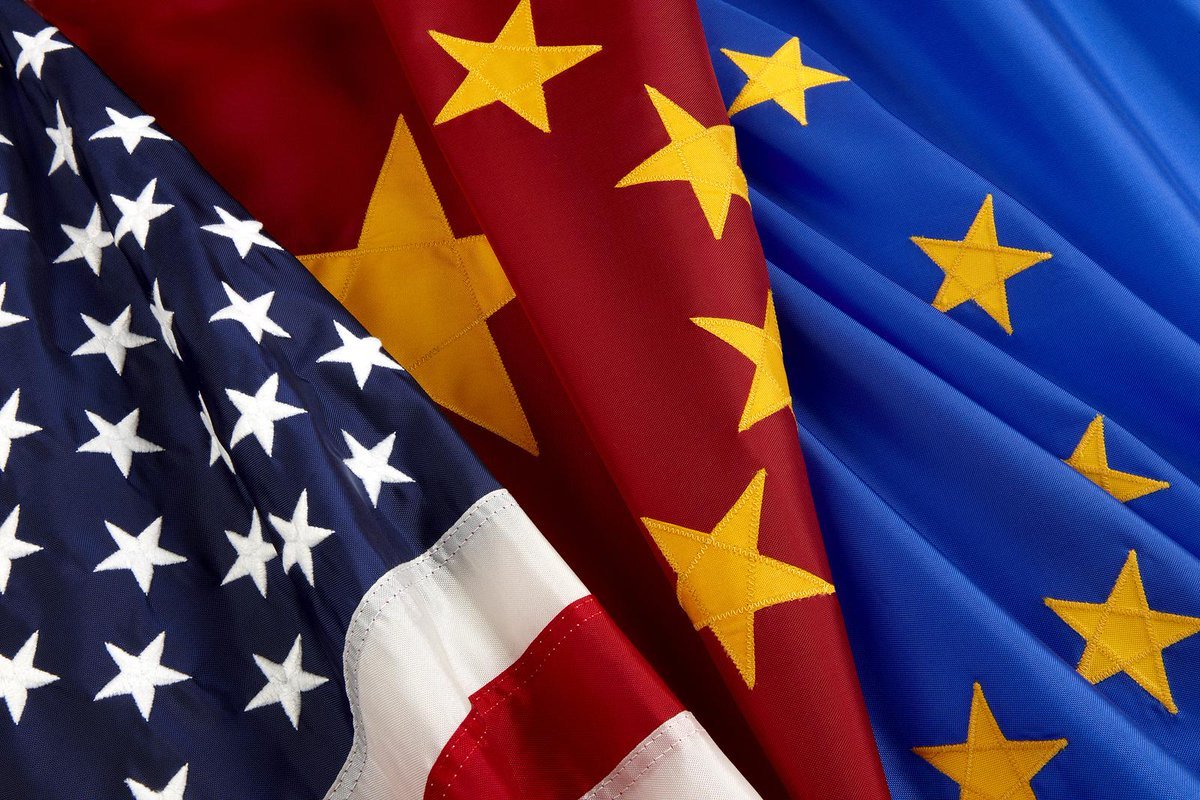
The report posits that 2026 is characterized by the twilight of the old paradigm without the emergence of a stable new one. The international system is no longer organized around broad agreements; instead, the United States and China are locked in a struggle for hegemony, with each attempting to impose its own norms. In the absence of a dominant power capable of providing global stability, smaller and medium-sized states face the temptation of “vassalage,” entering into transactional and often reversible alignments with larger powers to secure protection or market access.
This environment has normalized economic coercion, integrating sanctions and punitive tariffs into the standard repertoire of foreign policy. Globalization has not ended, but it has mutated into a fragmented, regionalized system where resilience is prioritized over efficiency. The European Union finds itself in an uncomfortable position, struggling to act as an autonomous pole while its member states face pressure to choose sides in the Sino-American rivalry. The report highlights that Europe must decide whether to bear the costs of autonomy in defense and technology or accept a subordinate role in a forming bloc system, a dilemma made more acute by a deteriorating relationship with Washington.
Spain’s Economic Resilience and Political Paradox
Within this turbulent context, Spain’s domestic performance stands out as a rare success story. Deviating toward the optimistic scenario, the Spanish economy has led European growth tables in 2025, driven by strong domestic demand, a booming tourism sector, and the successful integration of immigrant labor. International credit agencies have upgraded the country’s rating, and Spain has largely avoided the industrial stagnation plaguing Germany or the political instability evident in France.
However, this economic vitality has not translated into a corresponding increase in diplomatic influence. Madrid’s weight in Brussels has diminished as the European Union’s focus shifts eastward to address security concerns on the Ukrainian front. Furthermore, relations with the United States have faced friction. While Spain finally met the NATO target of spending 2% of GDP on defense, it explicitly rejected the sharp additional increases demanded by the returning Trump administration, preferring to emphasize the quality of its capabilities and their deployment abroad. The report notes that this stance, along with differences over policies in Latin America and Palestine, has strained bilateral ties, although the deterioration has remained largely rhetorical rather than substantive.
Critical Fronts: From Ukraine to the Global South
Spanish foreign policy in 2026 is being tested across several critical theaters. In Ukraine, the conflict has settled into a stalemate with little movement on the front lines and diminishing American support. Spain faces the complex task of sustaining European aid to Kyiv and supporting alternative financing mechanisms—such as using frozen Russian assets—even as the prospect of a ceasefire looms. This requires navigating a delicate balance where preserving European unity is paramount, despite reticence from some member states.
Simultaneously, Spain must manage its strategic posture toward the Global South. Following a proactive diplomatic role regarding the crisis in Gaza during 2025, the challenge now lies in converting symbolic leadership into concrete development financing and political results. This is particularly relevant in the Middle East, where Spain supported a ceasefire sponsored by the U.S. administration, though the humanitarian situation in Gaza remains catastrophic.
The Challenge in Latin America and Energy Stability
Latin America remains a pillar of Spain’s external projection, but the region has become a difficult arena for diplomacy due to aggressive interference from the United States. The report highlights a unilateral U.S. intervention in Venezuela in early 2026 and explicit American ambitions regarding the Panama Canal as major destabilizing factors. These developments, combined with the delayed approval of the EU-Mercosur agreement, have narrowed the space for Spanish influence, placing immense pressure on the upcoming Ibero-American Summit in Madrid.
Domestically, the energy transition has presented its own hurdles. While Spain avoided the supply crises of previous years, the stability of the grid was called into question by a massive blackout on April 28 that affected the entire Iberian network. This event sparked a necessary debate on how to guarantee security of supply in a system increasingly reliant on variable renewable energy sources.