







The most glaring manifestation of this trend is the unprecedented dominance of security concerns. While law enforcement and major security apparatuses largely remain state prerogatives, public safety has nonetheless emerged as the defining metric for voters at the municipal level. This prioritization exposes deep-seated partisan fractures rather than unified community concerns. Conservative and nationalist factions have aggressively co-opted the security narrative, making it the absolute cornerstone of their municipal demands. Conversely, progressive voters largely reject this framing, highlighting a severe ideological polarization that has successfully trickled down from the national assembly to the local town hall.
Beyond the overriding issue of security, the electorate remains deeply entrenched in traditional ideological camps, utilizing local elections as a proxy for broader political battles. The right-wing electorate consistently emphasizes fiscal discipline, demanding reductions in local taxation while prioritizing urban cleanliness and commercial stimulation. In stark contrast, the left-wing voter views the municipality primarily as a defensive shield against social inequity. Their focus remains steadfastly on the preservation of vulnerable public services, the expansion of accessible municipal healthcare, and the fortification of social housing initiatives.
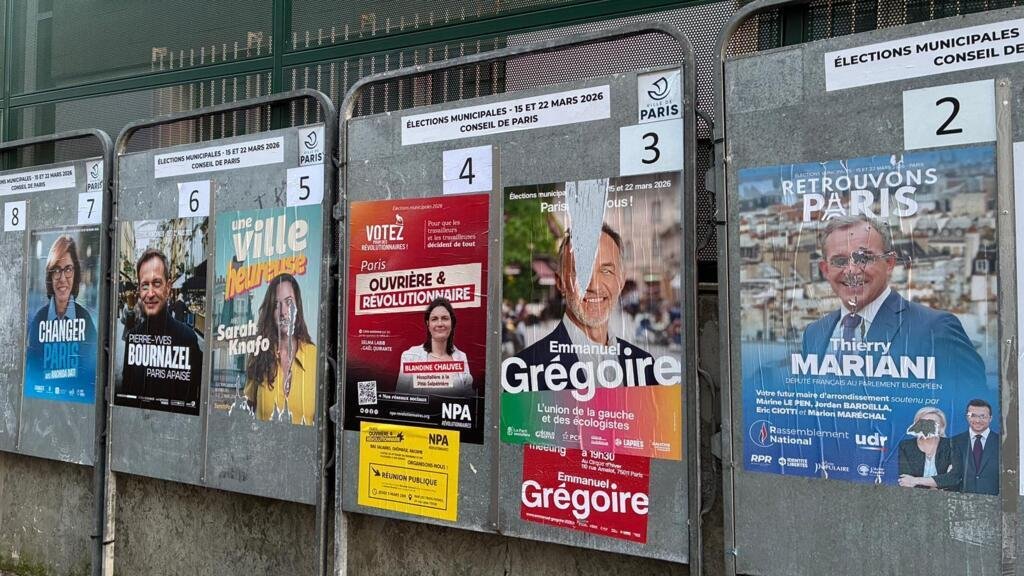
Within this progressive sphere, however, a distinct ecological divergence has materialized. Voters aligned with green platforms exhibit a remarkable detachment from the traditional social welfare priorities of their left-leaning allies. Instead of focusing on healthcare or housing, their political capital is almost entirely invested in environmental protection, combating urban pollution, and fiercely advocating against land artificialization and urban sprawl. For these voters, the municipal mandate is strictly an ecological instrument.
These ideological divides are further complicated by profound geographical disparities, revealing a country where municipal priorities are dictated largely by population density. The anxieties of the metropolitan voter differ vastly from those of the rural citizen. In sprawling urban centers, the discourse is dominated by environmental sustainability and public hygiene. Yet, as one moves toward smaller towns and rural communes, the political demands shift toward the sheer survival of the community. Residents in less populated areas are overwhelmingly preoccupied with halting the erosion of essential public services, securing reliable access to medical professionals, and ensuring that local schools and community organizations remain operational.

Ultimately, the forthcoming municipal elections represent a collision between overarching societal fractures and localized governance. As citizens prepare to cast their ballots, their choices appear heavily dictated by deep-rooted socio-economic paradigms rather than the specific civic proposals of their mayoral candidates. The defining narrative of this election cycle will be whether localized, pragmatic community leadership can successfully penetrate the overwhelming noise of national political polarization.