






What is a Marine Protected Area?
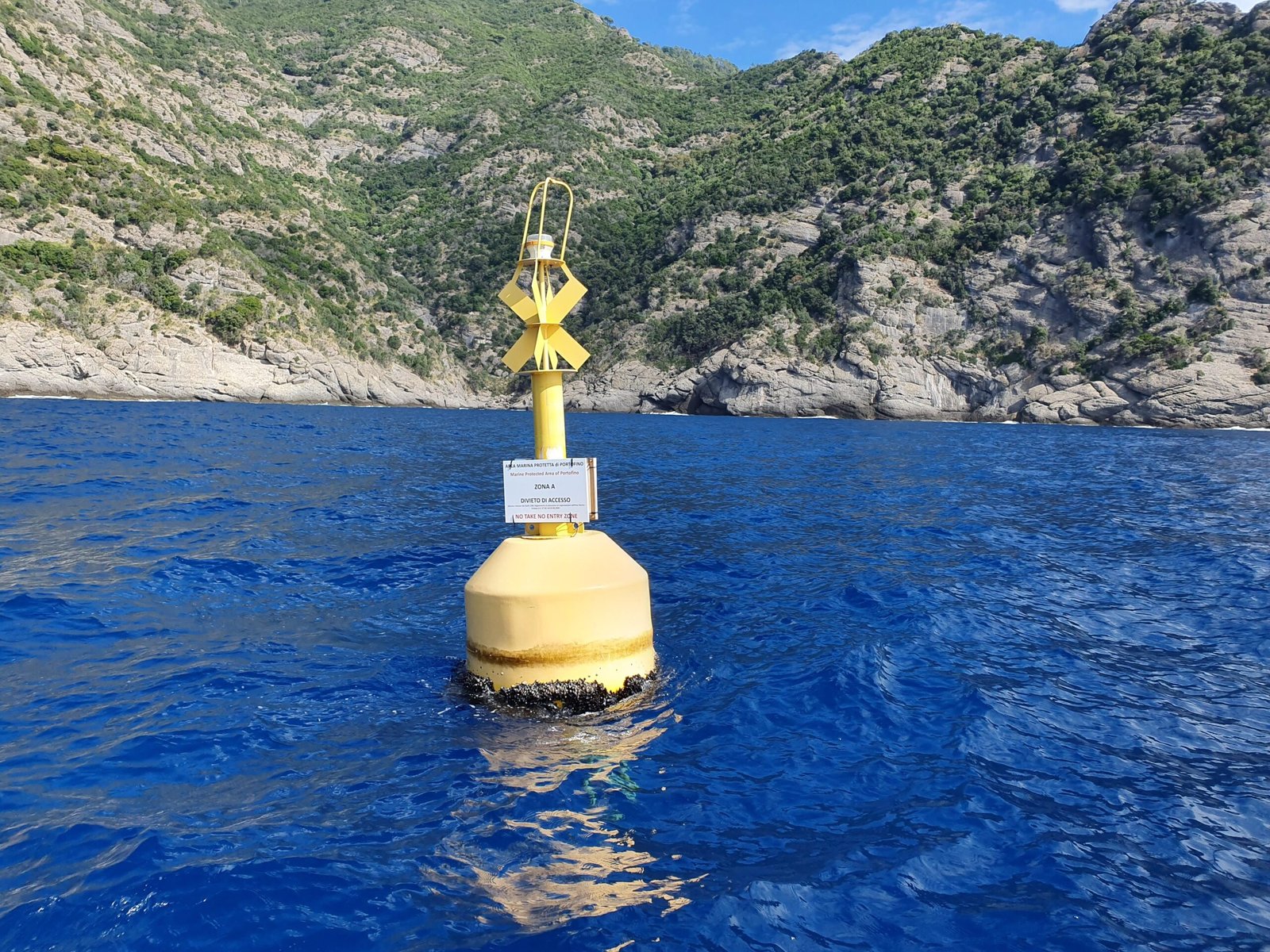
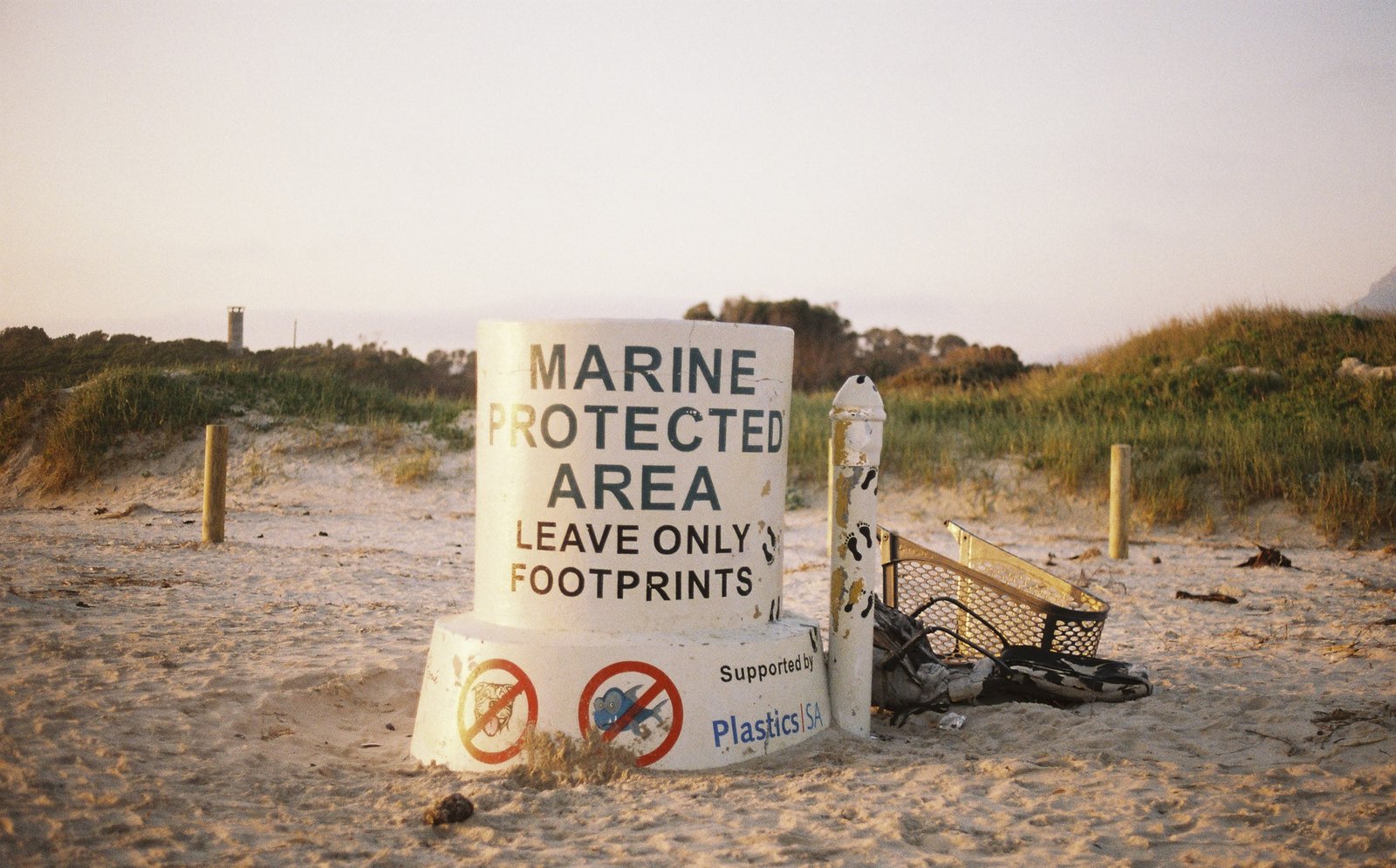
Marine Protected Areas (MPAs) are clearly defined marine and coastal geographical areas placed under protection and managed to achieve the long-term conservation of nature, ecosystem services, and cultural values. They can encompass a variety of landscapes, including the open ocean, estuaries, and rocky shores, and they operate under various names such as marine sanctuaries, marine parks, and no-take zones. The defining component of any MPA is a limit to human activity, which is designed to minimize damage to the designated space. Depending on the specific MPA, restrictions may ban fishing, limit leisure activities, or prohibit visitors entirely to allow ecosystems to replenish themselves.
The Ecological and Economic Benefits
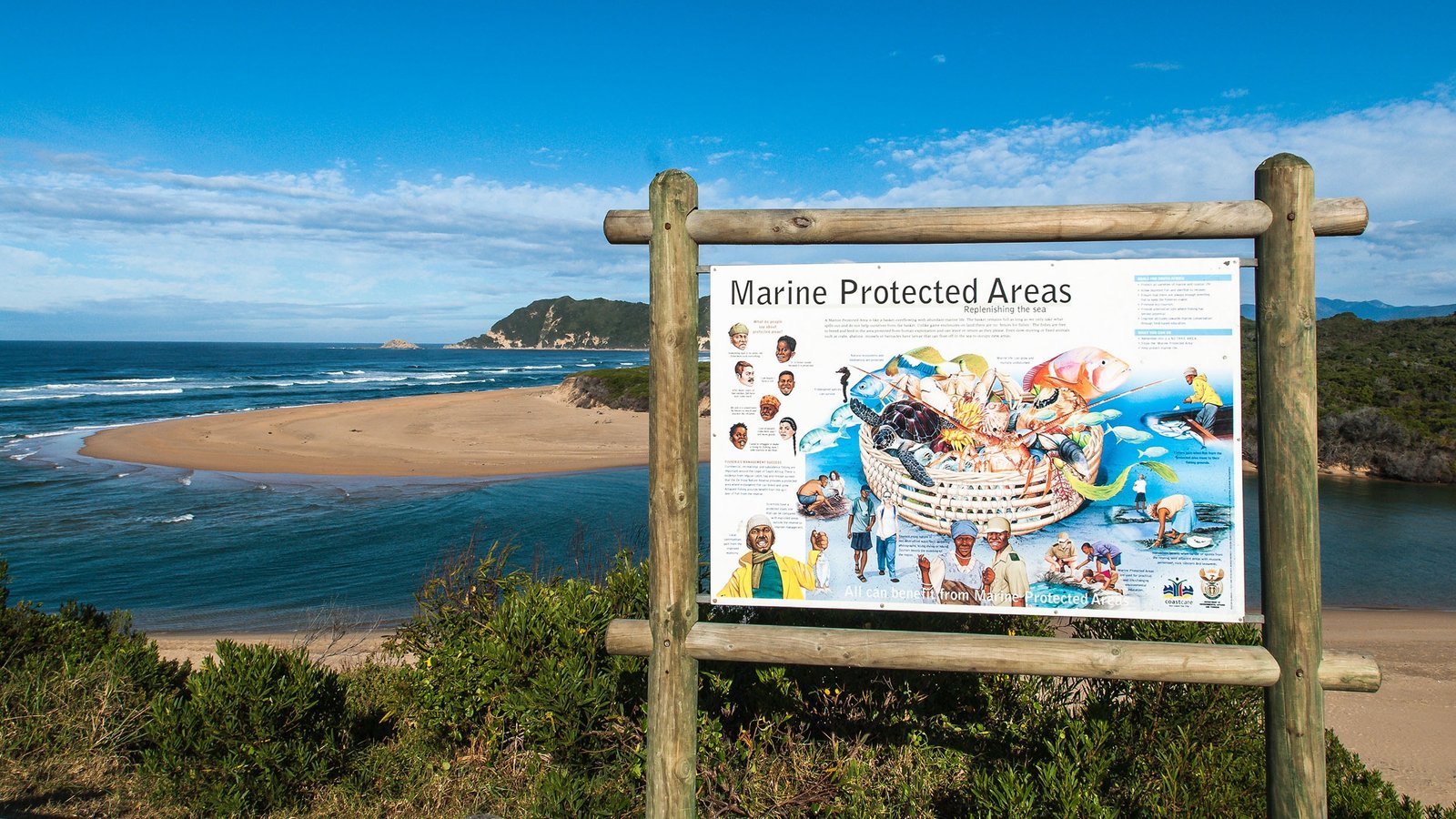
When MPAs are effectively managed and strictly enforced, they provide profound advantages that intertwine environmental health with economic prosperity.
- Ecological Restoration and Biodiversity: MPAs are highly effective in restoring declining species, habitats, and biological communities. By acting as safe havens, they allow overexploited fish populations to replenish themselves at much faster rates. When a portion of the sea is adequately protected, marine life thrives again, which builds long-term ecosystem resilience.
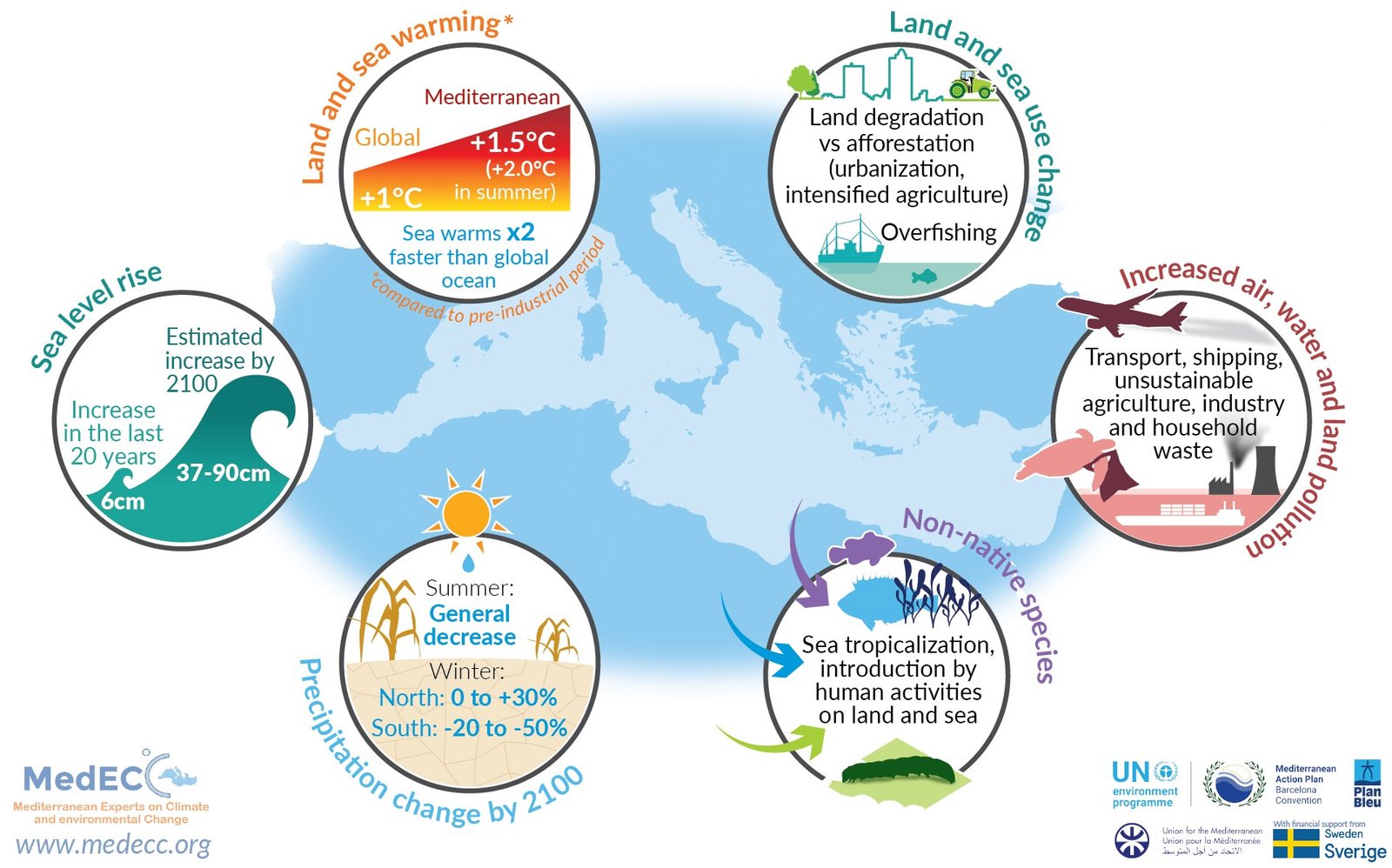
- Climate Regulation and Coastline Defense: The Mediterranean is heating up 20% faster than the rest of the world, making nature-based solutions critical. Healthy MPAs act as massive carbon sinks, securely storing carbon dioxide within coastal ecosystems such as seagrass beds, mangroves, and salt marshes. Furthermore, preserving robust reefs and seagrass meadows provides a natural, physical barrier that protects coastlines against severe erosion.
- Economic Growth and Food Security: Protecting the ocean directly translates to protecting human livelihoods. Because MPAs allow fish populations to successfully recover and spill over into surrounding waters, local fishing revenues can be two to four times higher when an MPA is located nearby. Beyond fisheries, MPAs stimulate local economies through the sustainable development of ecotourism, generating vital income for coastal communities.
- Socio-Cultural Value: Beyond tangible metrics, MPAs possess invaluable aesthetic, educational, recreational, scientific, and spiritual qualities. They contribute to the general well-being of local populations, enhance the attractiveness of territories, and offer tourists the opportunity to rekindle their links with nature.
Challenges and Pressures
Despite their proven benefits, Mediterranean MPAs face a barrage of anthropogenic (human-caused) and environmental threats that severely hinder their effectiveness.
- Coastal Urbanization and Demographics: Approximately 450 million people live in the Mediterranean basin, and 40% of them reside directly on the coast. This immense demographic pressure contributes to degraded landscapes, soil erosion, the loss and fragmentation of natural habitats, and increased waste discharges into the sea.
- The Burden of Mass Tourism: The Mediterranean region is one of the world’s top destinations, attracting about 30% of all international tourism. While this generates significant economic benefits, uncontrolled coastal zone development degrades vital seagrass meadows and drastically increases the region’s sewage and solid waste output.
- Overexploitation of Resources: An uncontrolled rise in commercial and recreational fishing efforts over the last few decades has devastated marine life; according to recent evaluations, 90% of assessed Mediterranean fish stocks are overexploited. Additionally, the expansion of aquaculture introduces localized pressures regarding environmental pollution and the depletion of raw materials needed to feed farmed fish.
- Maritime Transport and Industrial Expansion: The Mediterranean handles roughly 30% of the international shipping trade and 25% of maritime oil transport. This high volume of traffic brings poorly controlled risks of deliberate or accidental pollution and the introduction of exotic species. Furthermore, emerging spatial demands from deep-sea mining, oil and gas extraction, desalination plants, and offshore wind turbines actively reduce the surface area available for conservation.
- Climate Change: The Mediterranean Sea is experiencing some of the most visible consequences of global climate change, with shallow water temperatures having increased by nearly 1°C since 1980. This rapid warming accelerates coastal erosion, facilitates the survival of invasive species, and puts over 78 marine species and 158 coastal species at direct risk of extinction.
Statistics and Expert Opinions
Experts from the international scientific community and organizations like the WWF Mediterranean Marine Initiative (WWF MMI) have sounded the alarm, warning that the Mediterranean has been on the verge of “burn out” for decades. WWF experts demonstrate that over the last decade, almost all Mediterranean countries have blatantly underperformed in their legal duty to create an adequate network of marine protected areas. The statistics reveal a stark contrast between designated protection and actual enforcement:
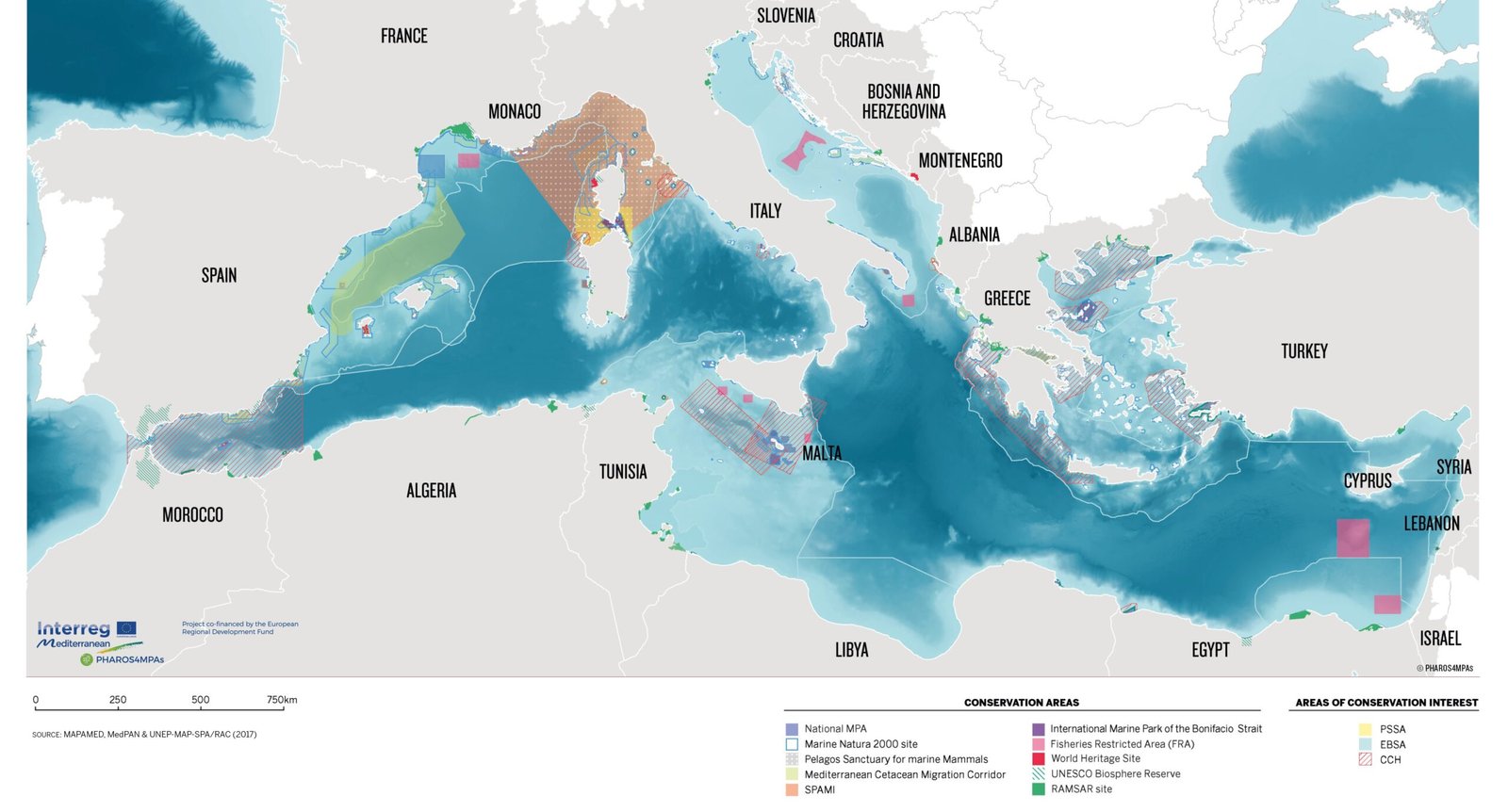
Approximately 8.33% of the Mediterranean Sea is designated as an MPA, spanning over 1,200 sites. However, only 1.27% of the Mediterranean Sea is effectively protected, with the vast majority located in the northern part of the region. Most alarmingly, fully protected “no-take” zones—where fishing and extraction are completely banned—make up only 0.04% of the basin.
Legal Regulations and Supporting Institutions
To combat these challenges, a complex web of international and regional frameworks has been established to govern marine conservation:
- International Frameworks: The Convention on Biological Diversity (CBD) sets global targets for protecting marine and coastal waters, while the Ramsar Convention focuses on the conservation of wetlands.
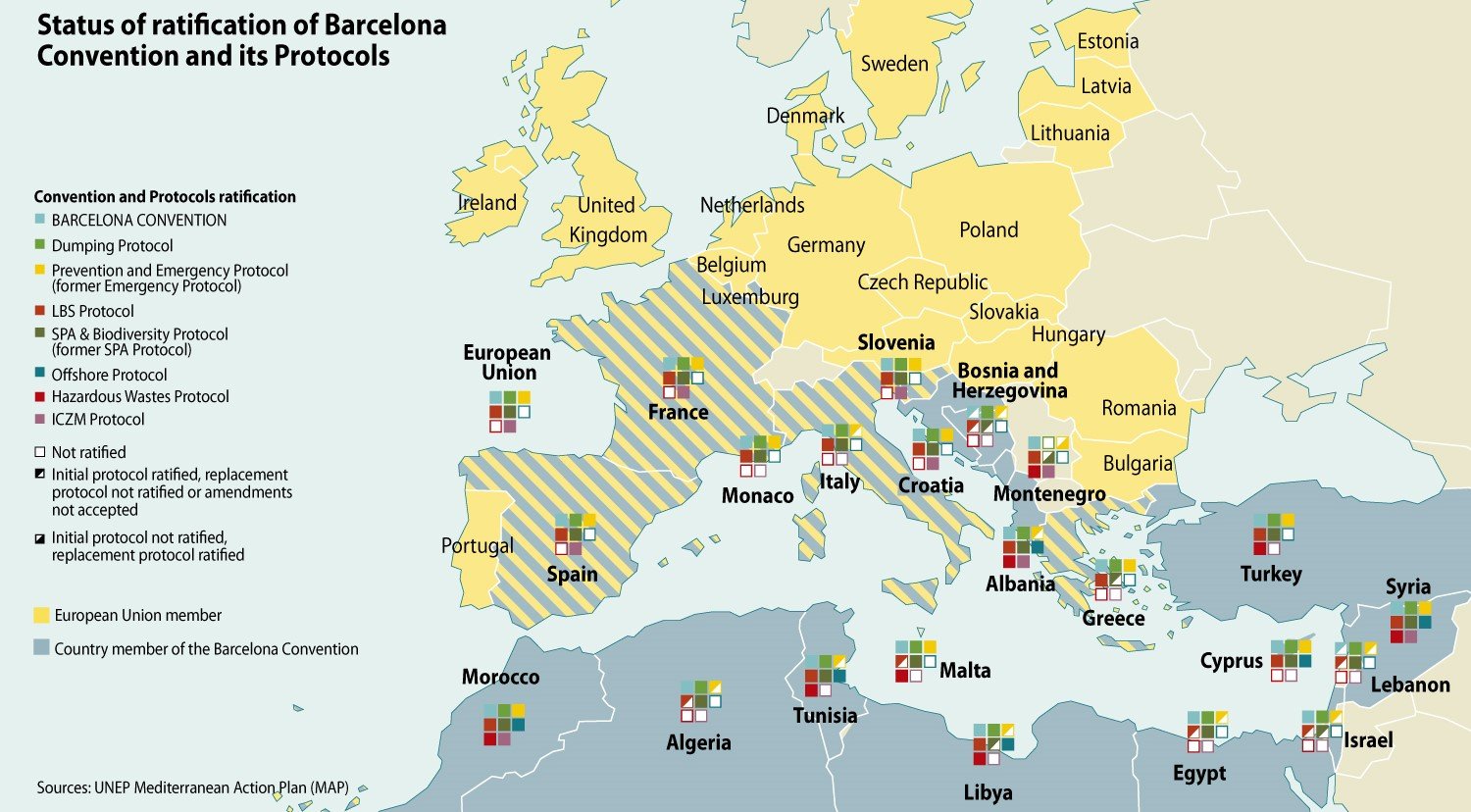
- Regional Regulations: The Barcelona Convention and its protocols serve as a primary coordinative process aimed at protecting the Mediterranean and combating pollution. Under this, the Specially Protected Areas and Biological Diversity (SPA/BD) protocol enables the creation of Specially Protected Areas of Mediterranean Importance (SPAMI).
- European Union Targets: The EU enforces the Marine Strategy Framework Directive (MSFD) and the Natura 2000 network. The EU Biodiversity Strategy for 2030 explicitly requires 30% of EU maritime space to be protected, with 10% strictly protected.
- Supporting Institutions: Organizations such as the General Fisheries Commission for the Mediterranean (GFCM) establish Fisheries Restricted Areas, while the MedPAN network and MAPAMED tools coordinate MPA managers, monitor sites, and disseminate reliable data to guide decision-making.
Securing the Mediterranean’s Future
While the global and regional targets set by the Convention on Biological Diversity aim to protect 30% of the world’s seas by 2030, the Mediterranean is currently far from achieving these objectives. Bridging the gap between simply designating an MPA and actually enforcing strict “no-take” regulations is essential. Spreading public awareness and increasing the size of fully protected areas will be critical steps in ensuring the survival of the Mediterranean’s biodiversity and the human communities that depend on it.