






A Brief History and a Favorable Market Shift
For three decades, miart has served as a cornerstone of the European cultural calendar, operating as a vital meeting point for galleries, collectors, curators, and institutions. Historically, the fair has distinguished itself by balancing the languages of modern masters with cutting-edge contemporary research.
This 30th edition arrives at a particularly advantageous moment for the Italian art market. Italy recently reduced its VAT rate on art sales from the standard 22% dealer rate down to 5%, establishing the lowest such rate in any European Union country. This highly favorable tax scheme, combined with miart’s bold curatorial ambitions, strongly positions the fair to elevate its status against heavier European counterparts like Art Basel or Berlin’s gallery weekend.
The Jazz Metaphor: “New Directions”
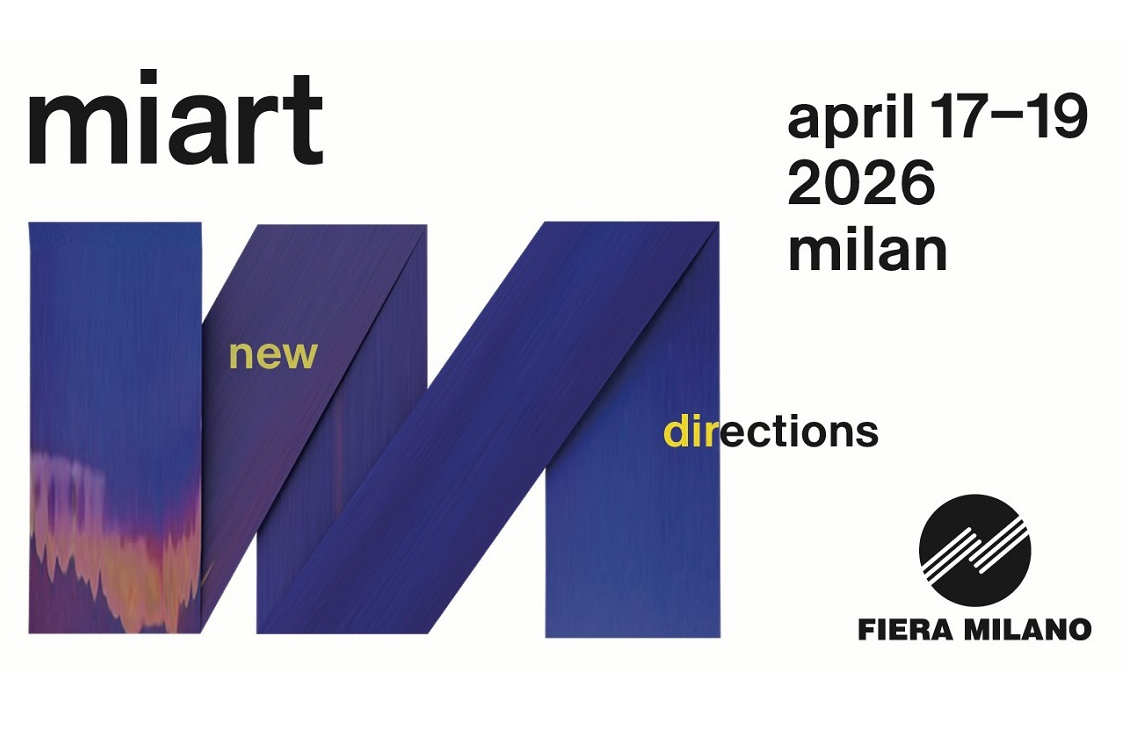
The thematic core of the 2026 fair is “New Directions,” a direct tribute to John Coltrane’s seminal 1963 album. Conceived to coincide with the double centenary of the births of jazz legends John Coltrane and Miles Davis in 1926, the theme uses jazz as a curatorial metaphor for listening, dialogue, and transformation.
Artistic Director Nicola Ricciardi provides crucial expert commentary on this approach, explaining that the fair is utilizing the genre’s mechanics practically rather than just conceptually. “This year’s theme, ‘New Directions,’ ties the fair to the legacy of John Coltrane and Miles Davis, treating jazz as a working method rather than a metaphor,” Ricciardi stated. “It’s a balance of structure and freedom, shaped by listening to galleries, to collectors, and to the wider moment we’re living through”.
Highlights and Structural Innovations for 2026
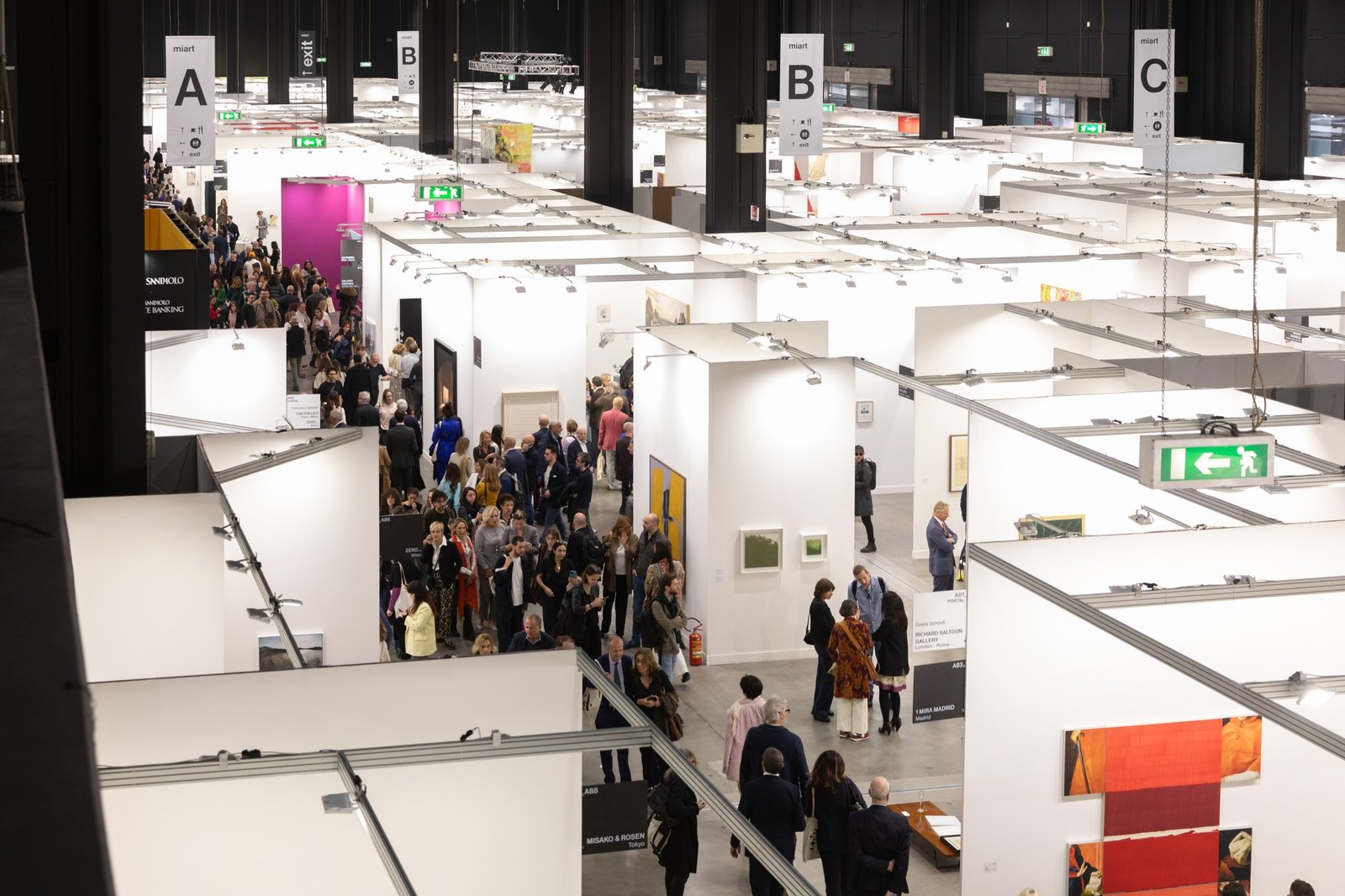
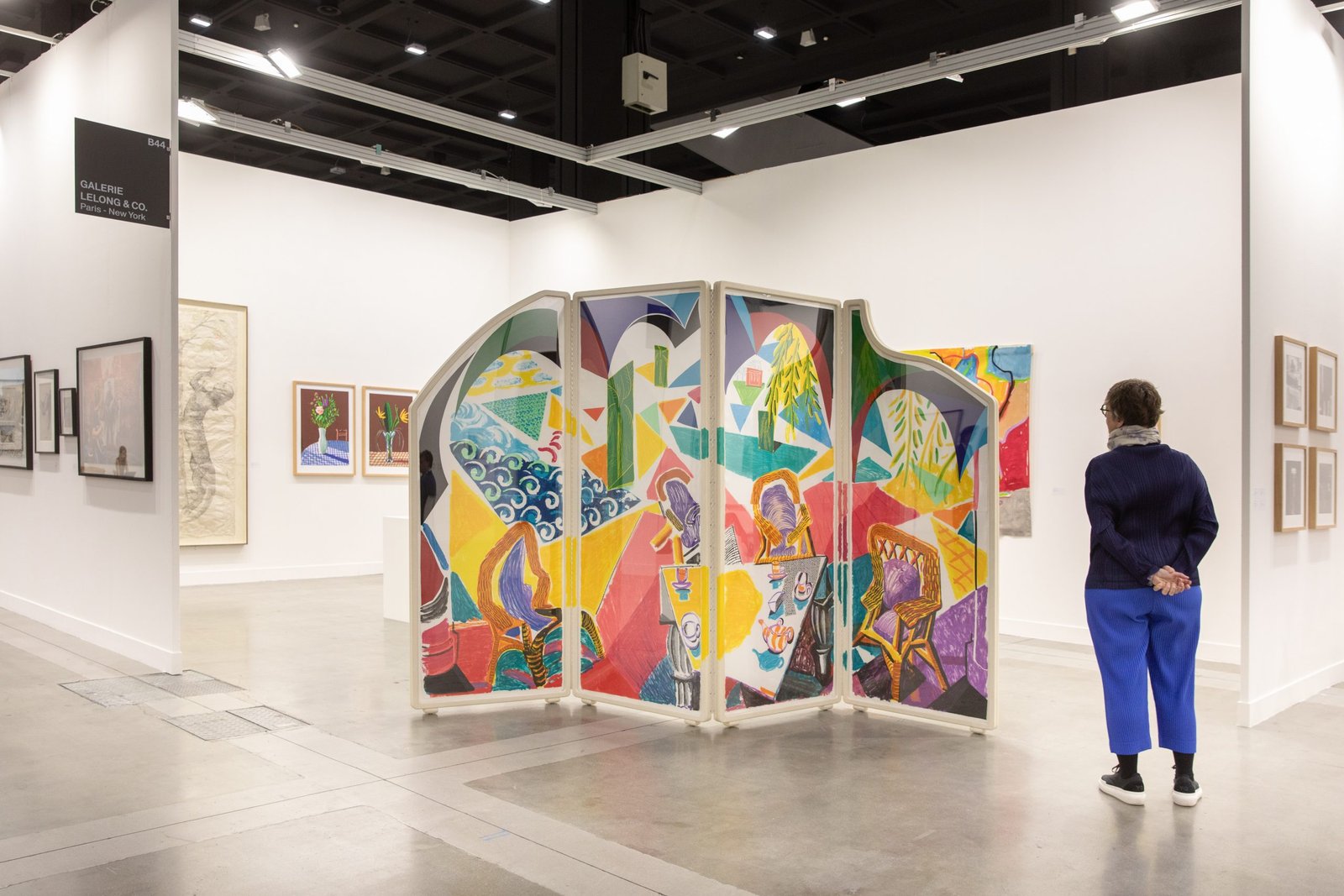
To actualize this vision, the fair’s new compact, three-level layout is conceived as an “open score” that encourages cross-presentation and dialogue. The 2026 programming features several meticulously curated sections:
Established & Established Anthology: Acting as the core of the fair, the Established section features 111 galleries spanning different art historical periods. Notable highlights include monographic presentations, such as Nicole Wittenberg at Massimo De Carlo, Emilio Vedova’s 1980s and ’90s works at Galleria dello Scudo, and Venice Biennale representative Chiara Camoni at both Andrew Kreps Gallery and SpazioA. Complementing this is the Established Anthology meta-section, where 20 galleries present projects that explore the complexities, trajectories, and transformations of time.
- Emergent: Serving as the official starting point on the entrance level, this section is curated by Attilia Fattori Franchini. It features 29 galleries—including first-time participants from Los Angeles, Johannesburg, and Istanbul—focusing on experimental, research-driven, and site-specific installations that tackle the current zeitgeist, from climate change to identity politics.
- Interplay: A completely new addition to the fair, named after the jazz term for attentive listening and immediate response. This section invites pairs of galleries to share a single exhibition space to create cohesive, collaborative narratives and foster authentic dialogue between different cultural contexts.
- Movements: Reflecting the growing prominence of the medium, this special project is dedicated to moving-image art. Developed with the St. Moritz Art Film Festival and curated by Stefano Rabolli Pansera, the sector features 20 films exploring sound and vision in an immersive, resonant environment.
The Milanese Short-Circuit: Blurring Art and Design
Perhaps the most analytical takeaway from the 2026 programming is miart’s full embrace of its Milanese identity by dissolving the boundary between fine art and collectible design. The fair treats design not as ornamental, but as a cultural infrastructure. For instance, Eredi Marelli’s booth operates like a movie sequence of 20th-century Italian domestic design, while Robertaebasta mixes sculptures by Ron English with post-war furniture to create an ironic, eclectic living room.
This synergy spills out into the broader city during Milano Art Week (April 13–19). The city will act as a widespread cultural infrastructure, highlighted by the debut of Paris Internationale at the Filzi25 construction site, a major Rirkrit Tiravanija retrospective at Pirelli HangarBicocca, and a tribute to radical design thinker Andrea Branzi at the Triennale Milano.
Ultimately, miart 2026 is not merely reflecting on its thirty-year history, but aggressively accelerating its present. By embracing collaboration, favorable market conditions, and the syncopated rhythm of its host city, miart is orchestrating a compelling new blueprint for the European art fair.