






The Hub of the Mediterranean: Sigonella’s Historical Role
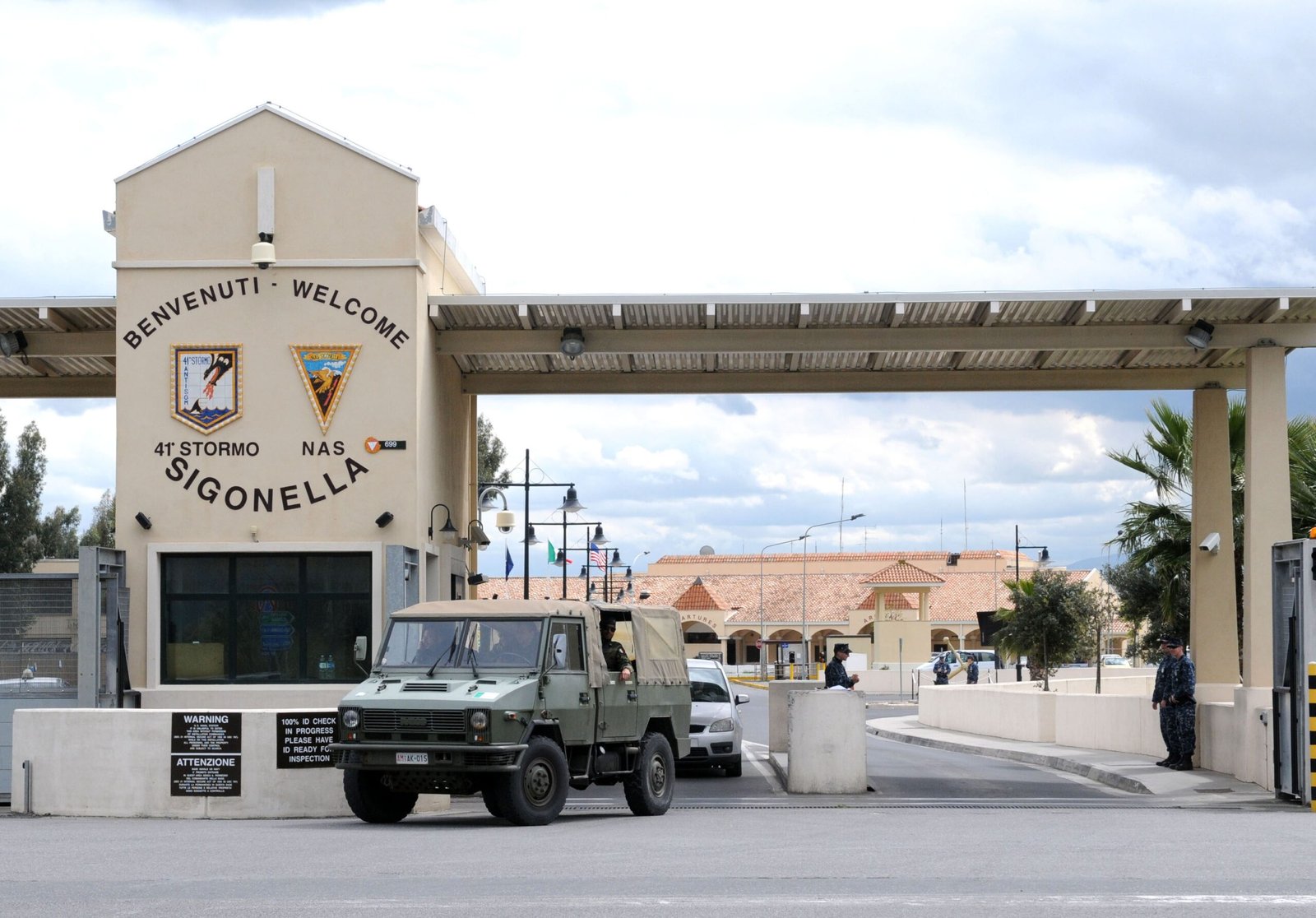
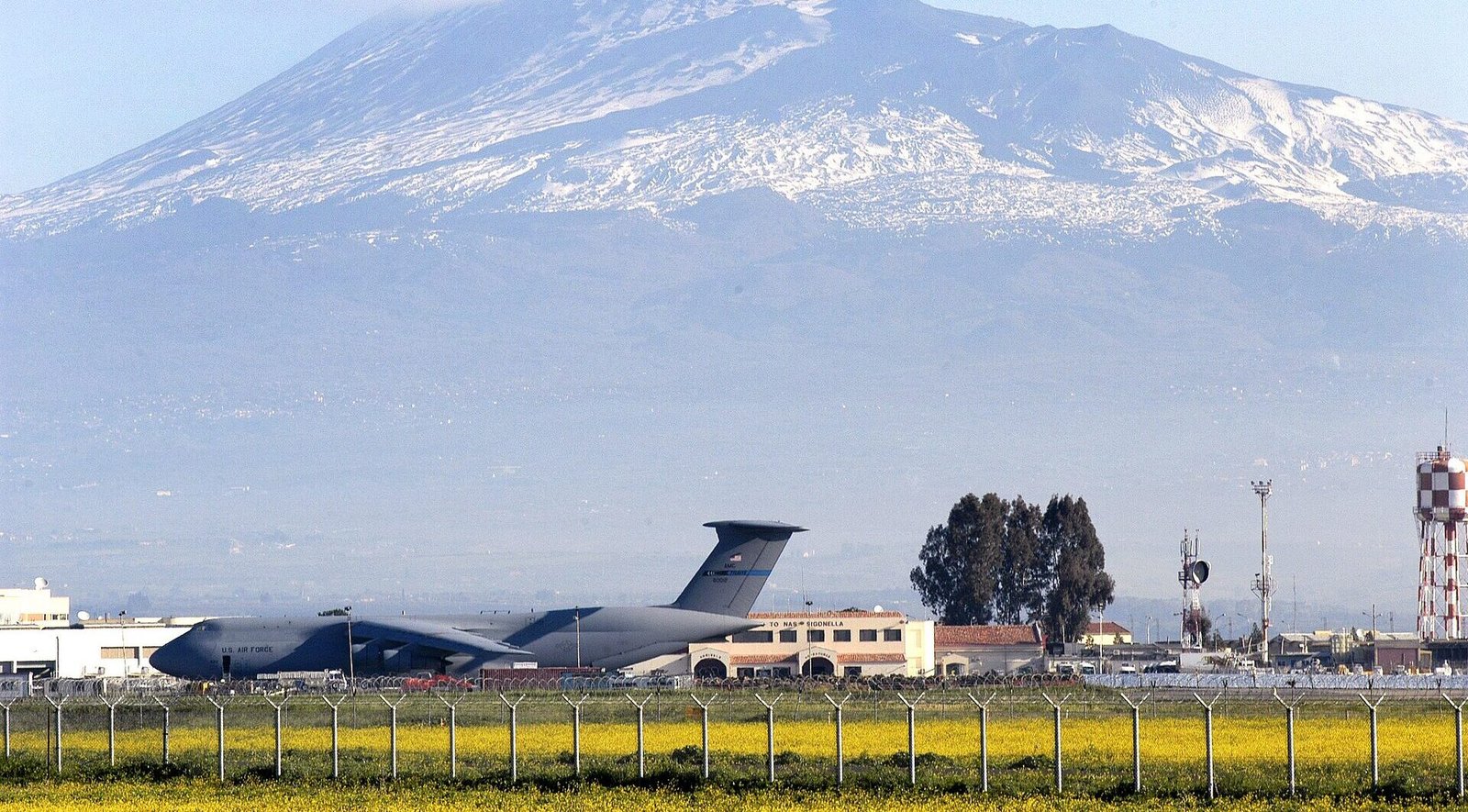
To understand the gravity of Italy’s refusal, one must understand the strategic importance of the installation involved. Officially known as Naval Air Station Sigonella, the Sicily base is exceptionally well-placed for aircraft coming from the United States to stop over and refuel as they head toward the Middle East or Asia. Historically, it has served as a vital strategic hub frequently used for both NATO and U.S. missions.
The base has consistently played a central role in Western military operations in the region. Most notably, it played an important and highly active role in 2011, when the U.S., Britain, and France launched a military campaign to depose the Libyan dictator Muammar Gaddafi. By denying access to a facility historically used as a springboard for regional interventions, Rome is signaling a stark departure from the automatic military cooperation that characterized past decades.
The Incident and Official Statements
The refusal by the Italian government hinged on strict adherence to international protocols governing the base. Under the 1954 bilateral treaty governing U.S. military bases in Italy, flights for logistical and technical purposes are permitted, but operations related to combat missions require prior consultation and explicit approval from the Italian parliament. Defense Minister Guido Crosetto denied the planes access because Washington had not communicated the flight plan in advance or sought the necessary authorization for a non-logistical mission. Crosetto publicly clarified that it was “simply false” that Italy had blocked all U.S. access, emphasizing that international agreements clearly distinguish between what is technically authorized and what requires specific government approval.
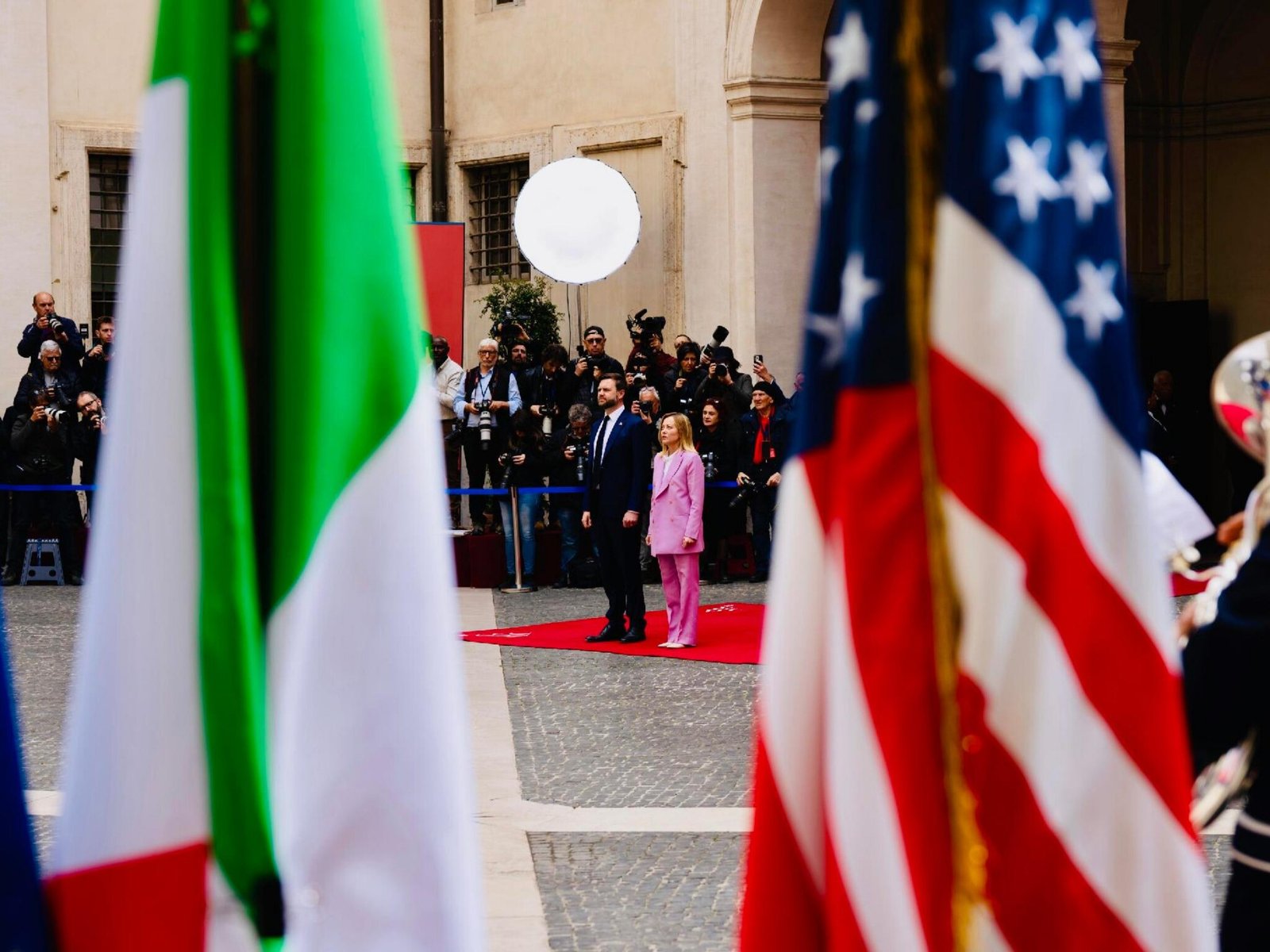
Attempting to downplay the diplomatic rift, the office of Prime Minister Giorgia Meloni (Palazzo Chigi) released a statement affirming that Italy acts in “full compliance with existing international agreements” and that requests are handled on a “case-by-case basis”. The statement insisted that there are “no critical issues or frictions with international partners” and described relations with the United States as “solid and based on full and loyal cooperation”. On the U.S. side, the embassy in Rome had no immediate official comment regarding the specific denial. However, the broader response from Washington has been one of intense frustration toward European allies. U.S. Defense Secretary Pete Hegseth recently questioned the commitment of European partners, stating, “You don’t have much of an alliance if you don’t have countries”. Furthermore, prominent U.S. figures like Senator Lindsey Graham have called for relocating military bases away from uncooperative nations, while President Donald Trump has threatened trade embargoes against Spain for similarly closing its airspace.
The U.S.-Iran War Narrative in Italy
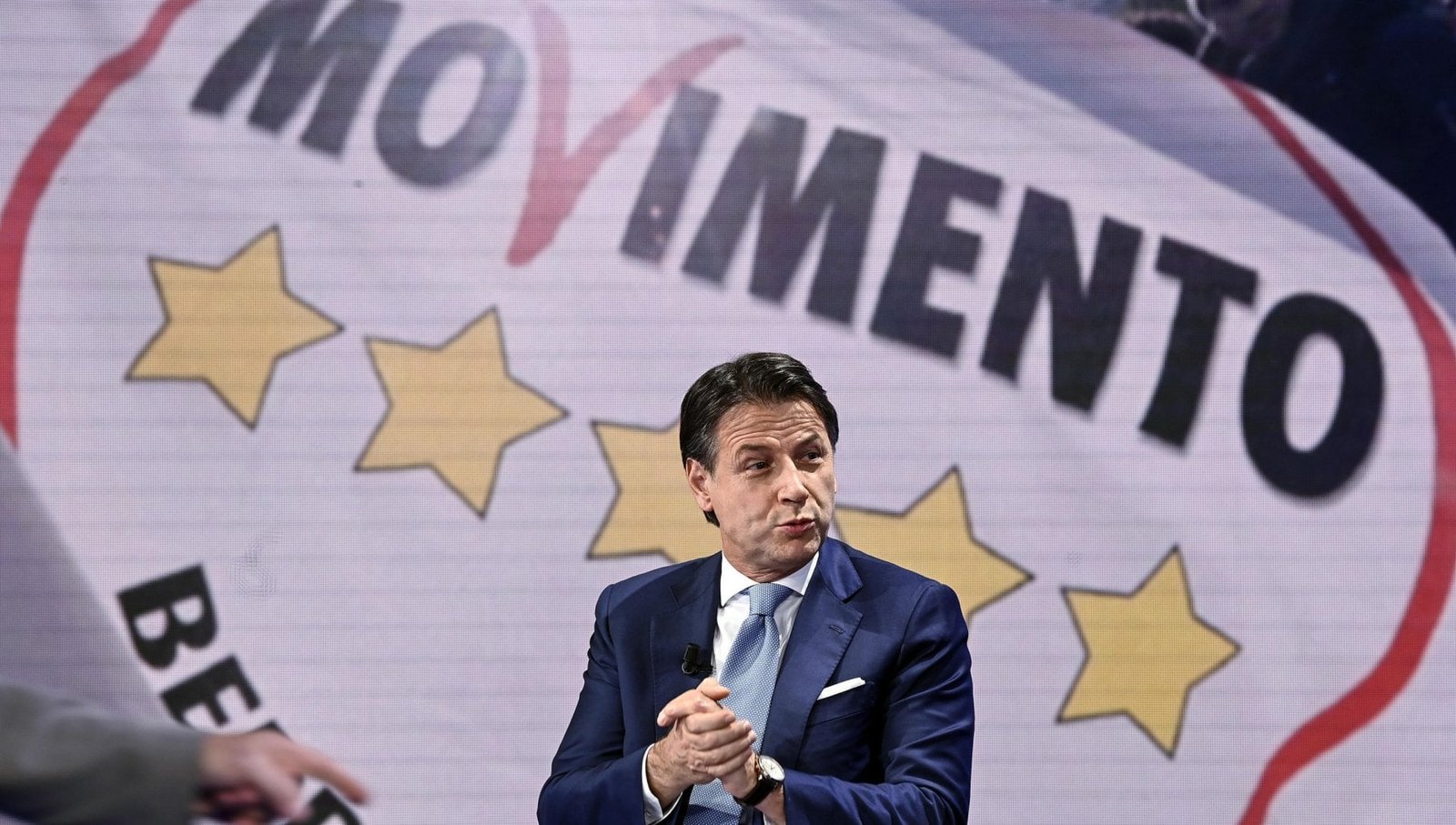
The conflict in the Middle East has deeply divided public opinion across the continent, and the U.S.-Israeli war against Iran is deeply unpopular with most Italians. The prevailing narrative within Italy is one of extreme caution, driven by significant political pressure to avoid complicity in operations that many view as legally and morally questionable. Opposition politicians widely welcomed the decision to block the bombers. Former Prime Minister Giuseppe Conte, leader of the Five Star Movement, called the refusal “right and proper” and urged the government to deny even logistical support, arguing that the U.S. and Israeli attacks are “in clear violation of international law”.
Similarly, Carlo Calenda of the Azione party warned against a “submissive approach,” arguing that Italy should not depend on the United States, which he characterized as being led by a “crazy man” creating a “situation of total uncertainty”. The centre-left Democratic Party (PD) also lauded the government’s step, reflecting a widespread domestic consensus against drawing Italy into the conflict.
Expert Opinions and Political Fallout
Experts view Italy’s refusal not just as a legal formality, but as a deeply strategic domestic and geopolitical calculation. Francesco Galietti, founder of the Italian think tank Policy Sonar, analyzes the decision as a “calibrated signal towards Washington”. Galietti points out that Meloni is currently politically weakened following a recent defeat in a national referendum on justice reform, placing her government in a “discernible tailspin”. According to Galietti, “geopolitics… is now exacting a cost,” as Meloni’s alignment with Trump was built on the expectation of global stabilization—an expectation that “has plainly not materialised”. He notes that Meloni is caught between a rock and a hard place: fully aligning with Trump risks hemorrhaging support among her domestic Catholic and dovish base, while recalibrating her stance risks making her appear unreliable to Washington.
Impact on Future Italian-U.S. Relations
The Sigonella incident sets a complex precedent for the future of Italian-U.S. relations. While Meloni’s government is attempting to project “international trustworthiness” and maintain the facade of a unified alliance, the reality is that access to European strategic bases is no longer guaranteed. By enforcing procedural compliance and demanding parliamentary oversight, Rome is demonstrating that alliance cooperation has hard limits when operations threaten to entangle Italy in expanding regional wars.
Moving forward, the U.S. may increasingly view Meloni in the same category as leaders like Spain’s Pedro Sánchez—who proactively denied airspace—forcing Washington to reassess its logistical reliance on Southern Europe. Ultimately, this standoff points to a growing friction within Western alliances, where domestic political realities and divergent strategic priorities will continue to challenge the historical assumptions of unconditional transatlantic military cooperation.