






The Mechanics of the “Nordio Law”
The proposed constitutional overhaul, spearheaded by Justice Minister Carlo Nordio, seeks to amend Articles 104 and 105 of the Italian Constitution. The legislation passed through parliament in October 2025, but because it failed to secure a two-thirds majority, it triggered this popular vote. The reform aims to radically restructure the judiciary through several key mechanisms:
Separation of Careers: Currently, Italy operates a unified judiciary where judges and prosecutors take the same civil service exams, belong to the same professional body, and can switch roles during their first nine years of service. The reform would force magistrates to choose a distinct career track at the beginning of their careers, and switching between the roles of judge and prosecutor would no longer be permitted.
Splitting the Governing Body: The Superior Council of the Magistracy (CSM), which currently governs all magistrates, would be split into two entirely separate councils—one for judges and one for prosecutors. Both would be chaired by the president of the republic.
The Lottery System: Currently, 20 out of the 33 members of the CSM are elected internally by their peers. Under the new system, the councils would comprise one-third lay members and two-thirds magistrates, but the magistrates would be selected by random lottery rather than by election.
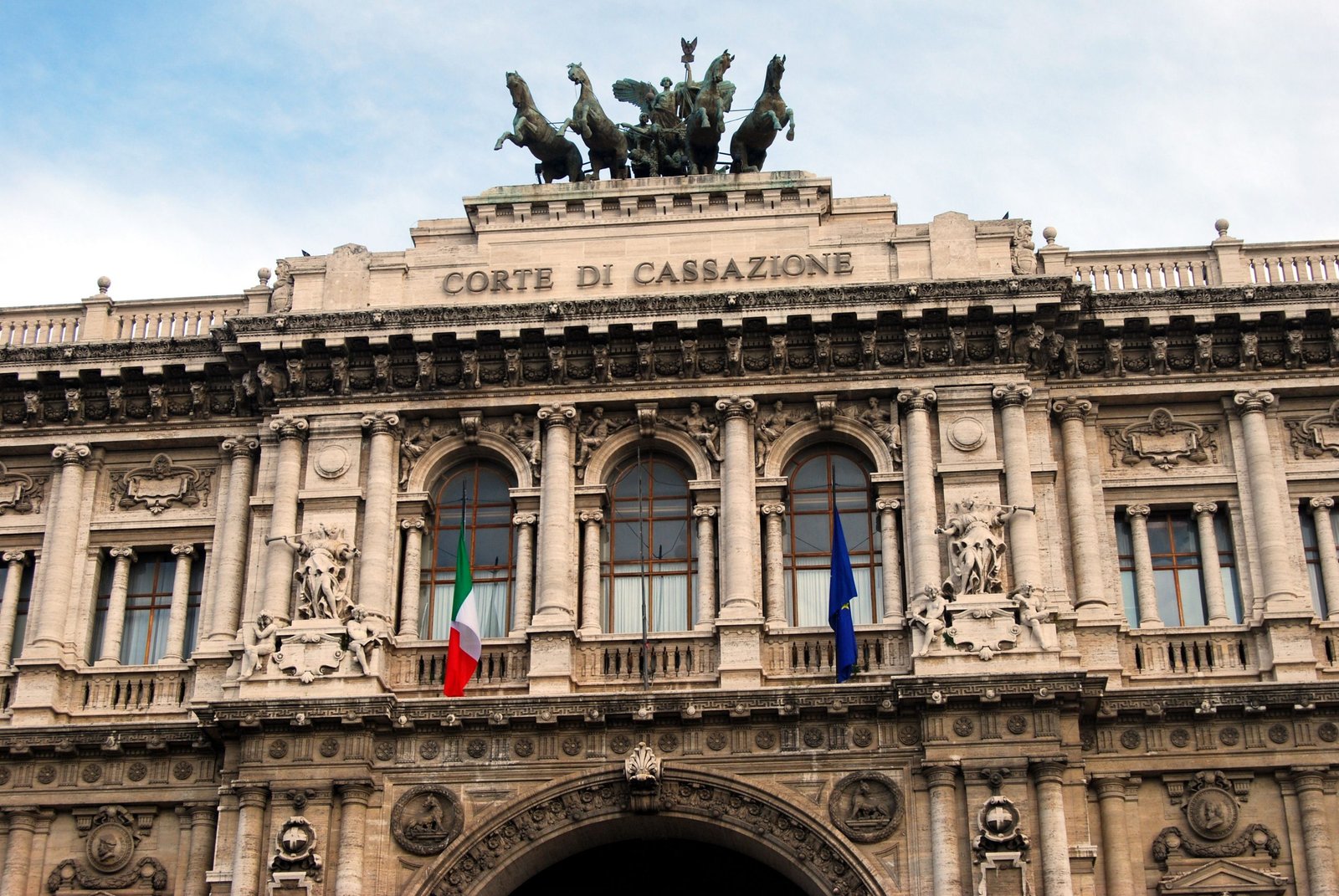
A New Disciplinary Court: The reform strips the councils of their disciplinary functions, transferring them to a newly created High Disciplinary Court. This 15-member body would consist of six lay members and nine magistrates (six judges and three prosecutors) selected by lottery. To serve on this court, magistrates would need to have achieved the seniority of serving as councillors of the Supreme Court.
For context, other European nations handle this differently: France and Portugal operate with two separate councils, Spain does not have coinciding access for judges and prosecutors, and the Netherlands appoints its judge-only council via royal decree.

The Deep Historical Fault Lines
To understand the ferocity of the current debate, one must look at the decades-long clash between the political right and the magistracy in Italy. This tension originated during the “Clean Hands” anti-corruption probe of the early 1990s, which uncovered widespread illegal party financing. The investigation led to the complete collapse of major political forces, including the Socialist Party and the centre-right Christian Democracy.
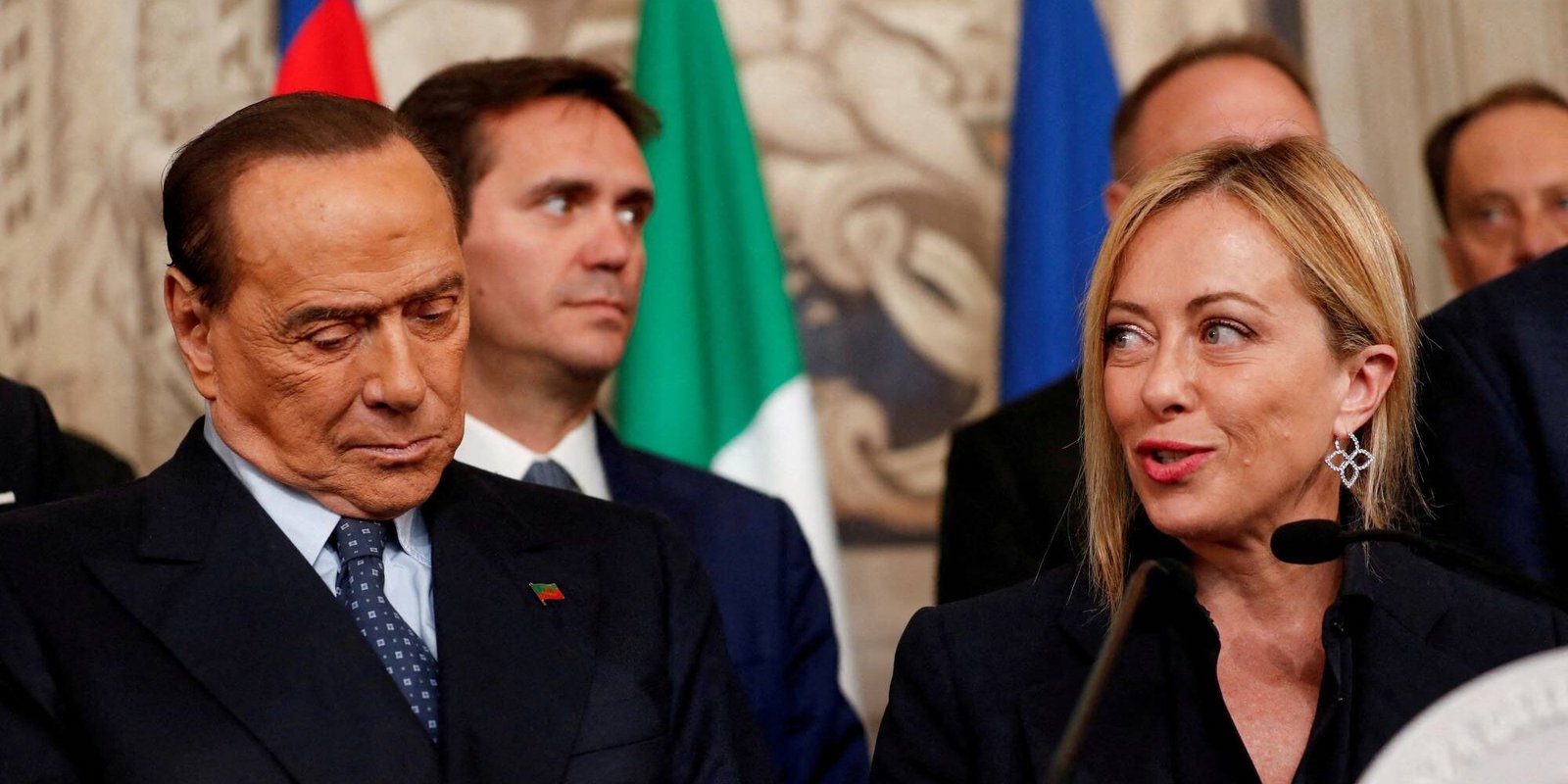
The animosity deepened during the 2000s under former Prime Minister Silvio Berlusconi, who spent years battling prosecutors in court and publicly accused “communist prosecutors and communist judges” of attacking his policies.
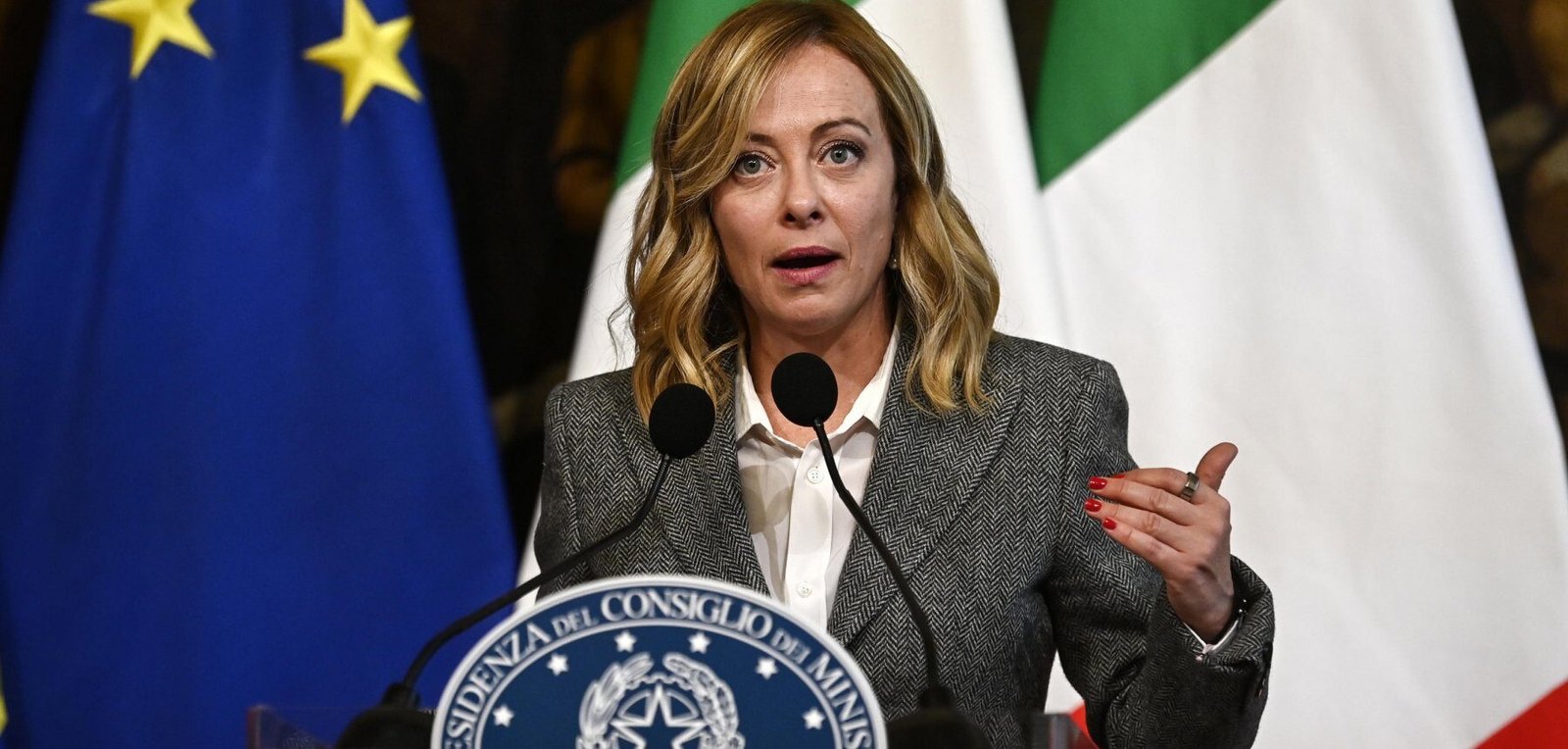
Recently, Meloni’s administration has experienced its own highly publicized clashes with the courts. Judges have blocked key government initiatives, including the transfer of unwanted migrants to processing centers in Albania, and halted the construction of a $15.6 billion bridge to Sicily, citing the government’s failure to follow infrastructure rules. The bridge itself remains highly controversial due to environmental and aesthetic concerns. In response, Meloni has accused the judiciary of “ideological degenerations” and deliberately obstructing her mandate on security and migration.
The Arguments For the Reform
Supporters of the government’s overhaul argue that the changes are essential for ensuring a fair trial. They argue that the institutional closeness of judges and prosecutors undermines the perceived neutrality of criminal proceedings. Vice Justice Minister Francesco Paolo Sisto emphasized this point, stating: “I’ve never seen a referee from the same city as one of the teams”.
Proponents also claim the lottery system will break the factional control of organized groups within the National Association of Magistrates (ANM). Justice Minister Nordio went so far as to compare the current council’s factional influence to a “mafia-like mechanism”. Constitutional law professor Raffaele Bifulco noted that the lottery is explicitly intended to “dissolve the so-called currents” that dictate internal elections and decisions.
The Arguments Against the Reform
Opponents view the referendum as a politically motivated attack meant to subordinate the judiciary to the executive branch. Democratic Senator Francesco Boccia labeled it a “phantom justice reform” driven by an agenda “to attack the judiciary,” warning that it puts judicial autonomy at risk. Nicola Gratteri, the chief prosecutor in Naples, argued that separating careers will strip prosecutors of their culture of impartiality, turning them into “super-police” officers. Bifulco echoed this, noting that an isolated prosecutorial branch could become “very self-referential” and “closed in on themselves”.
Legal researcher Benedetta Lobina argues the reform is retaliation. She states Meloni is trying to delegitimize judges who strike down unconstitutional policies, creating a “chilling effect” that benefits the government.
Critics also stress that the reform completely ignores the judiciary’s actual malfunction: the glacial pace of the courts. Civil and commercial plaintiffs in Italy wait an average of 548 days for a ruling, compared to an average of 248 days across the rest of the EU. Economists note this inefficiency deters private investment and harms productivity.
A Referendum on Meloni
What began as a technical debate has transformed into a referendum on the government itself, as noted by former Prime Minister Romano Prodi. Lorenzo Pregliasco, head of the polling agency YouTrend, highlighted that a defeat could shatter the perception of Meloni’s “political invincibility”.
Initially, Meloni kept a low profile to avoid attaching her reputation to a potentially losing battle. However, after private and public polls suggested the ‘No’ camp was leading by around five points, she changed tactics and threw her full weight into the campaign. At a rally in Milan, she took a combative stance, characterizing judicial sentences as “surreal” and warning voters that a failure to pass the reform would result in “immigrants, rapists, pedophiles, drug dealers being freed”.
This aggressive pivot comes at a difficult time. Italy’s economic growth has stagnated, household incomes are under pressure, and Meloni is facing domestic headwinds over high power bills linked to the war in Iran, as well as her alliance with U.S. President Donald Trump, who is highly unpopular in Italy. Opposition parliamentarian Alfredo D’Attorre criticized her for acting like an “influencer for the ‘yes’ vote” instead of governing during a time of international tension.
Giovanni Orsina, a political historian, noted the inherent difficulty of Meloni’s position: the reform’s details are “very technical and abstract which doesn’t win hearts”. To mobilize her base, she has been forced to frame the vote around public security and migration, essentially “creating an enemy” out of the judiciary.
While polls indicate the race is close, turnout will be the ultimate deciding factor. Pregliasco notes that right-wing voters are not used to voting in referendums, and low turnout could heavily favor the highly motivated ‘No’ camp. Unlike former Prime Minister Matteo Renzi, who resigned after a failed constitutional referendum in 2016, Meloni has vowed to stay in power regardless of the outcome, stating, “There’s no way I’ll resign under any circumstances”. However, if the reform fails, her political authority within Italy and the European Union will undoubtedly take a significant hit.