







The Catalyst: FDI and the Export-Driven Pivot
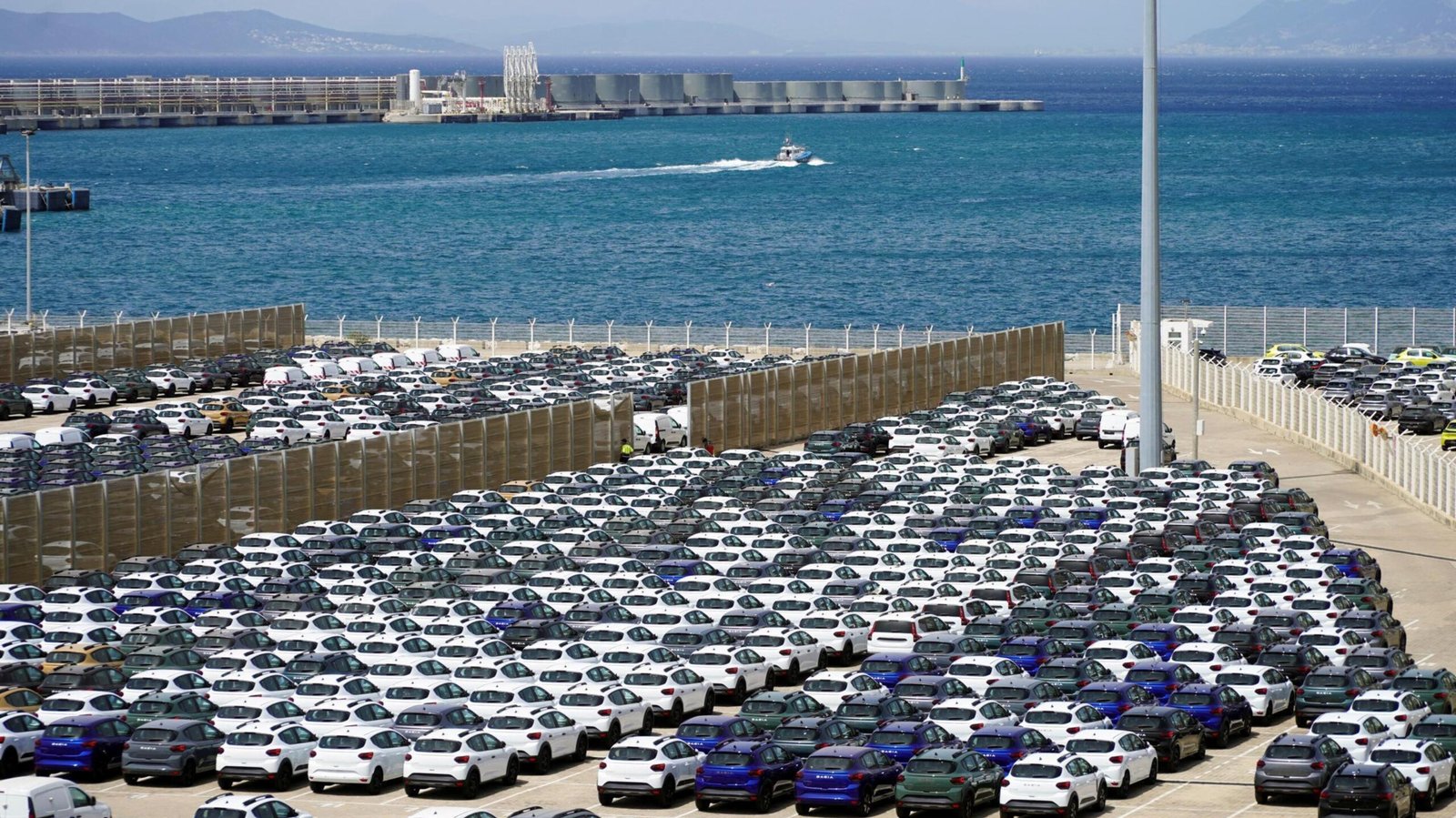
Morocco’s automotive footprint began modestly with import substitution, but its current global standing is the result of a deliberate pivot toward an export-driven model. The government’s favorable business environment and proactive industrial policy successfully courted global automotive giants, including Renault, Peugeot, Stellantis, and Ford. The architecture of this FDI is built on massive, vertically integrated mega-plants:
Renault (Tangier): Established in 2012, this pillar of the Moroccan auto sector produces over 400,000 vehicles annually (including Dacia models) for domestic, European, African, and Middle Eastern markets.
- Peugeot/Stellantis (Kenitra): Operational since 2019, this facility boasts an annual production capacity of 200,000 vehicles, perfectly positioned to meet both local and European demand.
These strategic partnerships have been instrumental in facilitating deep technology transfers, raising national industry standards, and cementing Morocco’s status as a global export hub.
The Architecture of Competitiveness: Infrastructure and Human Capital
Morocco’s ability to attract and retain these mega-manufacturers relies on two fundamental structural advantages:
Strategic Logistics and Infrastructure: Positioned at the crossroads of three distinct economic zones, Morocco utilizes the Tanger Med Port—one of the world’s largest container ports—to facilitate the seamless export of vehicles. This maritime dominance is backed by modern domestic infrastructure, including high-speed rail networks and highways that drastically improve logistics and reduce the transportation costs of moving components across the country. The state’s continued construction of specialized industrial zones further solidifies this logistical edge.
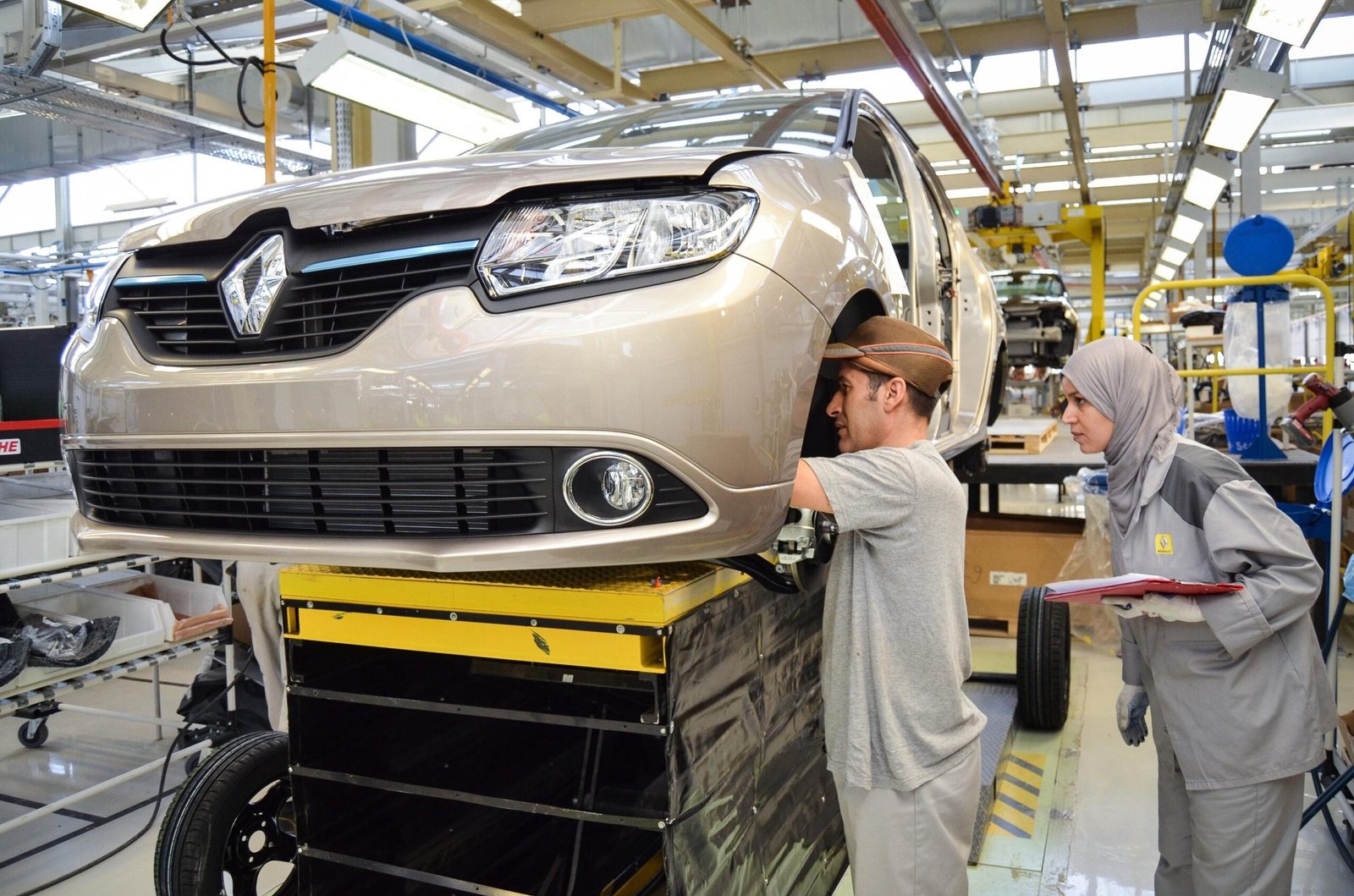
Cost-Competitive, Skilled Labor: Morocco offers highly competitive labor costs, paying workers significantly less than their European counterparts, which allows manufacturers to maintain high-quality production while fiercely protecting profit margins. However, cheap labor is only half the equation; the Moroccan workforce is also young, dynamic, and increasingly skilled. The state’s heavy emphasis on vocational training, technical schools, and apprenticeship programs ensures a continuous pipeline of talent tailored to the industry’s evolving needs.
Deepening the Ecosystem: From Parts to Smart Mobility
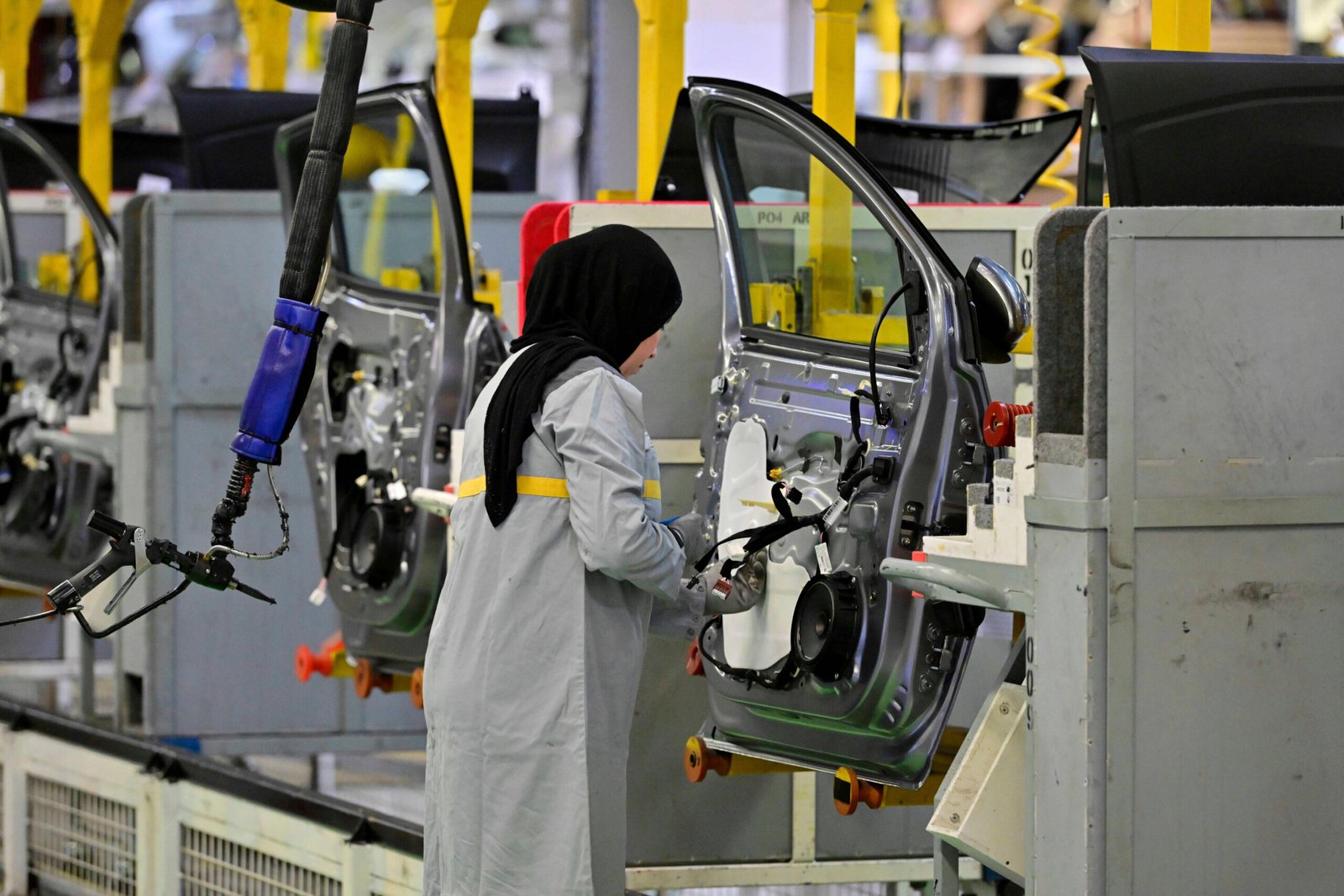
Morocco has successfully evolved beyond basic vehicle assembly to cultivate a thriving ancillary supply chain. The country now domestically produces a wide array of critical automotive components, including engine parts, braking systems, suspension systems, and interior accessories. This deepening ecosystem has attracted major foreign tier-one suppliers like Valeo, Faurecia, and Leoni, who have established local production facilities to feed the major assembly plants.
Crucially, the industry is already looking past traditional manufacturing. As the global automotive landscape shifts, Morocco is positioning itself to capture value in advanced technological frontiers, including R&D for automated manufacturing processes, smart mobility solutions, connected cars, and autonomous driving systems.
Navigating the Green Transition and EV Frontier
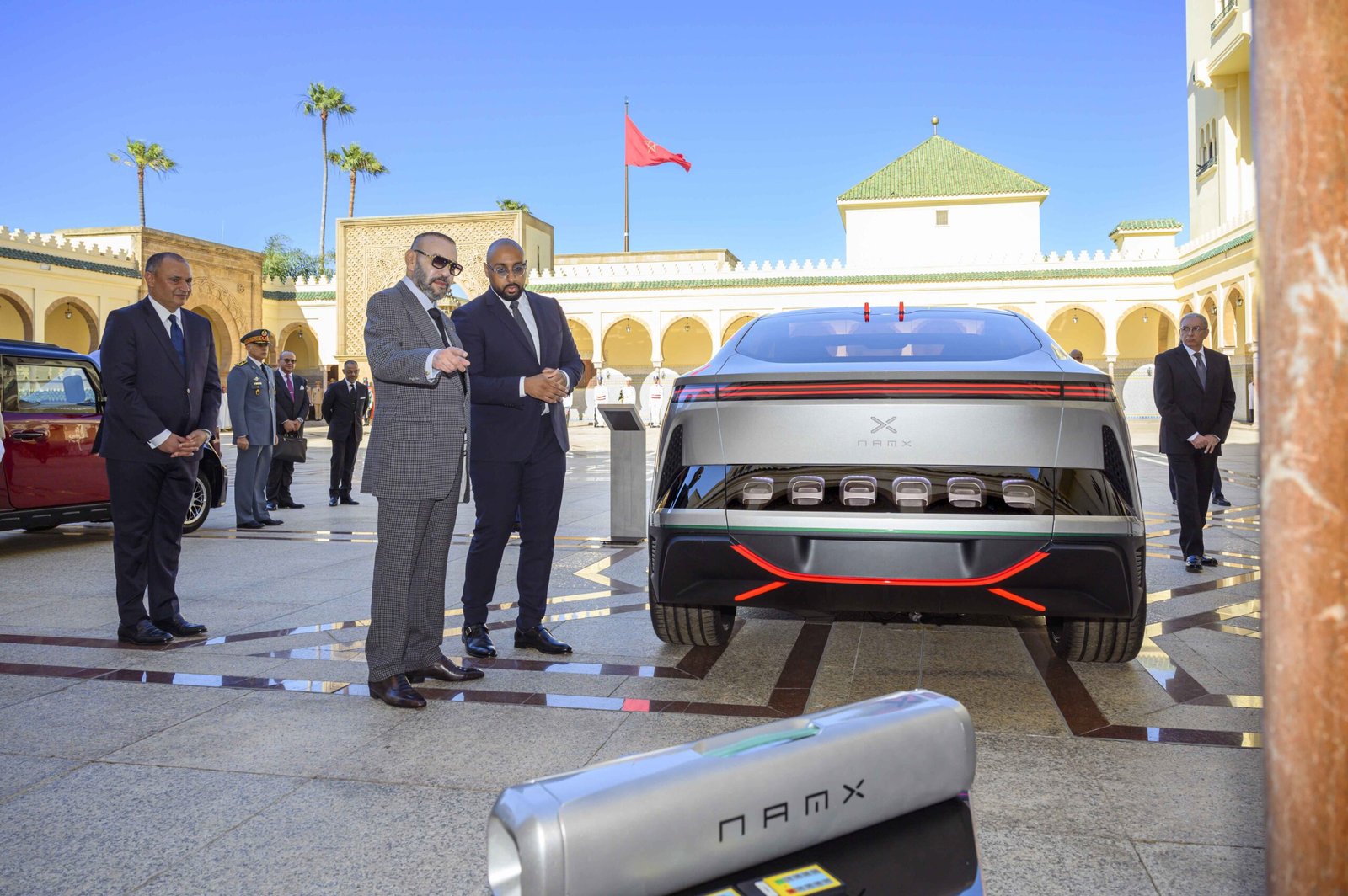
The global transition toward electric vehicles (EVs) and sustainable transportation represents the next great frontier for the Moroccan auto sector. The kingdom is aggressively positioning itself as a potential leader in EV manufacturing, with the Kenitra plant already preparing its infrastructure to accommodate electric vehicle production lines in the coming years.
However, this transition comes with strict new mandates. With the growing global focus on environmental regulations, Morocco faces mounting pressure to adopt sustainable practices, particularly regarding the reduction of carbon emissions in its manufacturing processes. Attracting further investment in green energy, battery technology, and charging infrastructure will be essential to capitalize on the demand for affordable EVs in both African and European markets.
Strategic Vulnerabilities and Future Outlook
Despite its monumental success, Morocco’s automotive sector must navigate several pressing vulnerabilities to secure its long-term trajectory:
Global Cost Pressures: Morocco faces fierce competition from other low-cost manufacturing hubs in Asia (particularly China and India) and Eastern Europe. To protect its market share against these rivals, Morocco must relentlessly innovate rather than rely solely on cheap labor.
Supply Chain Dependencies: While local component manufacturing has grown, the sector remains dangerously reliant on imported raw materials and high-tech components. A large percentage of advanced electronic parts, semiconductors, and specialized metals must still be imported from Europe, Japan, and China.
To mitigate these risks, the immediate future of Morocco’s automotive industry will heavily depend on encouraging the domestic production of these highly complex components—such as batteries and semiconductors—to create a truly resilient and globally competitive ecosystem. If Morocco can successfully navigate these supply chain dependencies and lead the regional EV transition, its status as a premier global automotive powerhouse will be undeniably secure.