







A Half-Century of Winter Paralympic Excellence
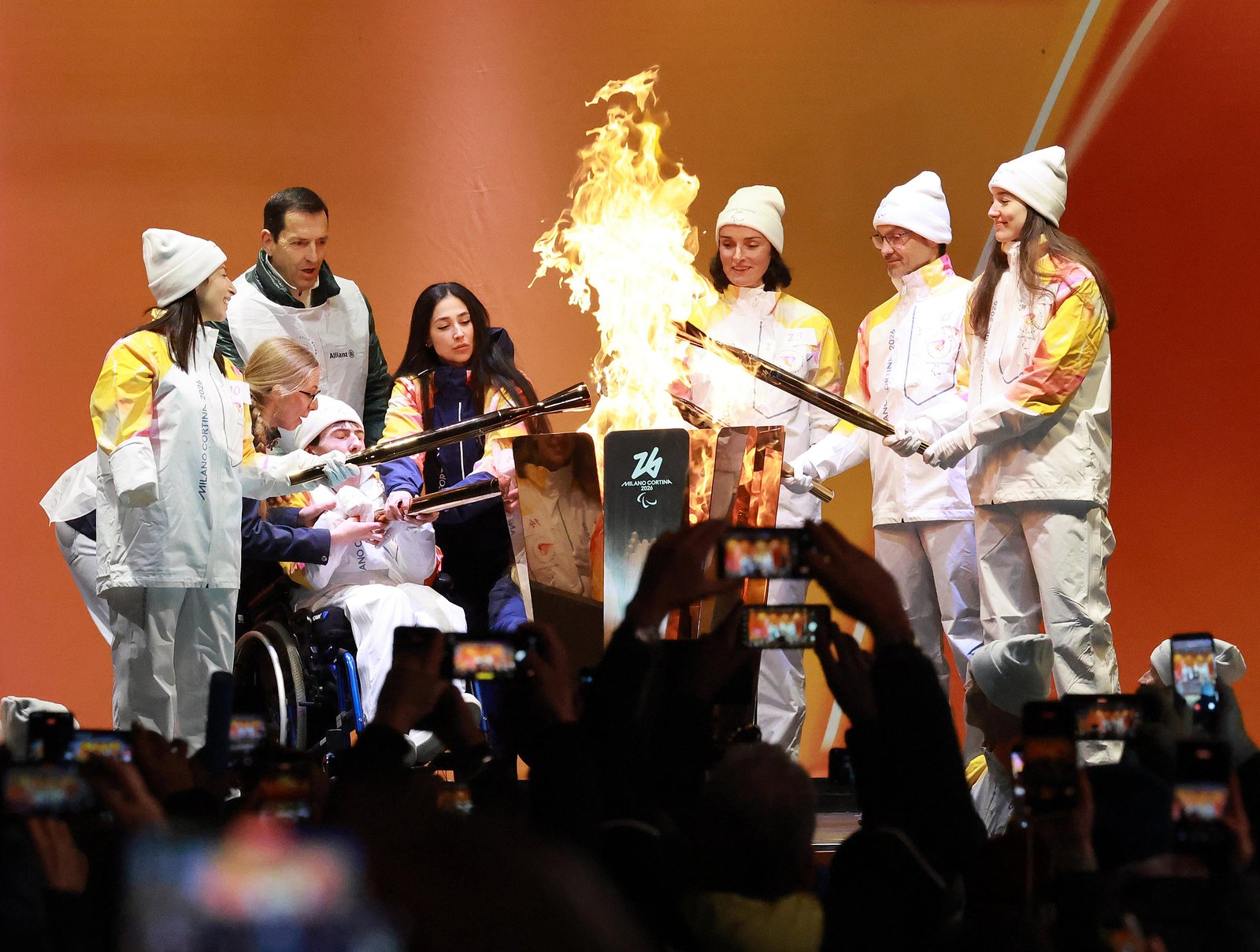
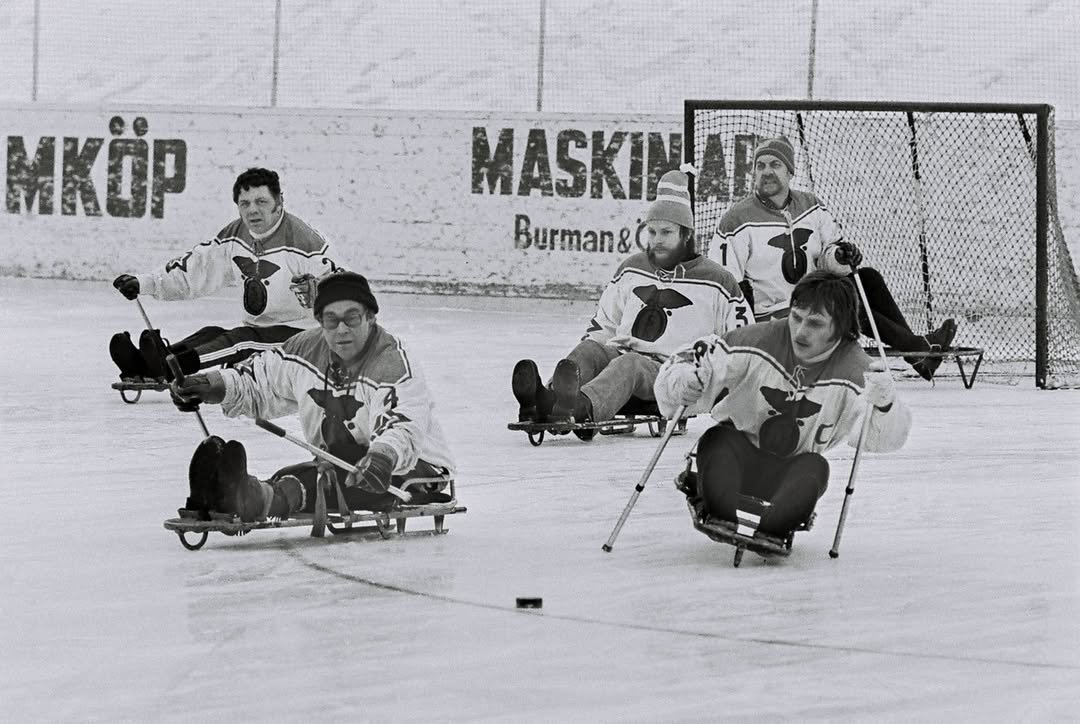
To understand the significance of Milano Cortina, one must look at how far the movement has come. The Winter Paralympic Games held their inaugural event in Örnsköldsvik, Sweden, in 1976. Fast forward to 2026, and the International Paralympic Committee (IPC) celebrated the 50th anniversary of that very first Winter Games. While the Summer Paralympics—which began in 1960—have seen massive growth and mainstream coverage, the Winter Games have historically faced a steeper climb for recognition. The 2026 Games highlighted both how much that gap has closed and how much work remains.
Highlights and Record-Breaking Achievements
Despite challenging weather conditions including thick fog and snow that only arrived on the final day the level of competition remained exceptionally high. While no world records were broken, the Games were defined by record-breaking global participation. Key milestones included:
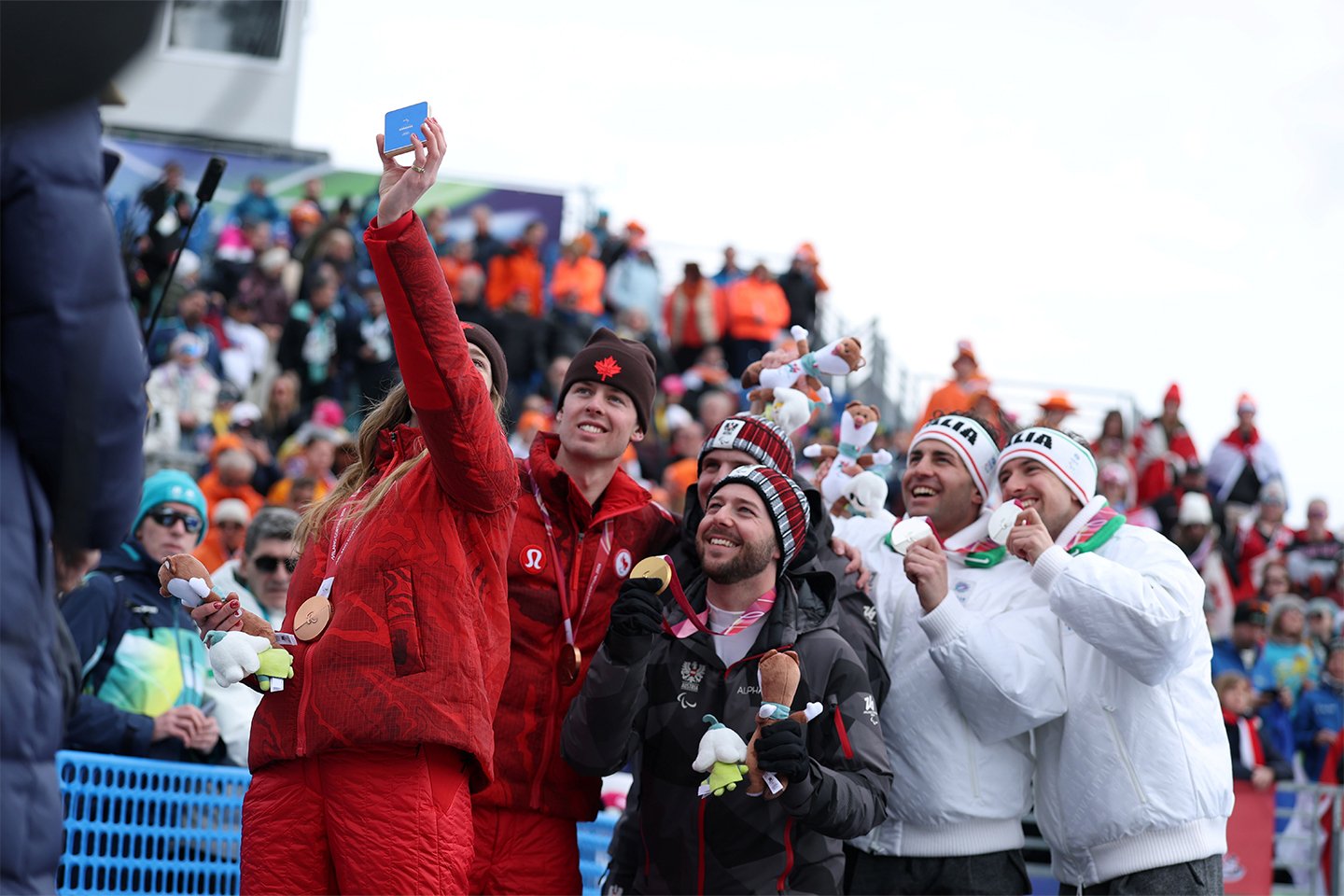
Global Reach: A record-breaking 55 countries competed in Milano Cortina. Out of those, 27 nations won medals, setting another historical record.
Female Representation: The Games featured 160 female competitors, which was the most in history. This represented an 18% increase from the previous Games. In total, women made up 26% of the 611 participating athletes.
Athletic Dominance: The United States saw massive success from para cross-country skiers Oksana Masters and Jake Adicoff, who each took home four gold medals.
Alpine Rivalries: Austrian skier Veronika Aigner secured four golds, while her brother Johannes won two in a fierce contest against Italian favorite Giacomo Bertagnolli. Bertagnolli thrilled the home crowd by winning five medals in five races.
Digital Viewership: Online engagement reached astronomical heights, with 414 million views on the Paralympics YouTube channel. This total was 67% higher than the entirety of 2024, which included the Paris Summer Games.
“The Greatest Winter Paralympic Games in History”
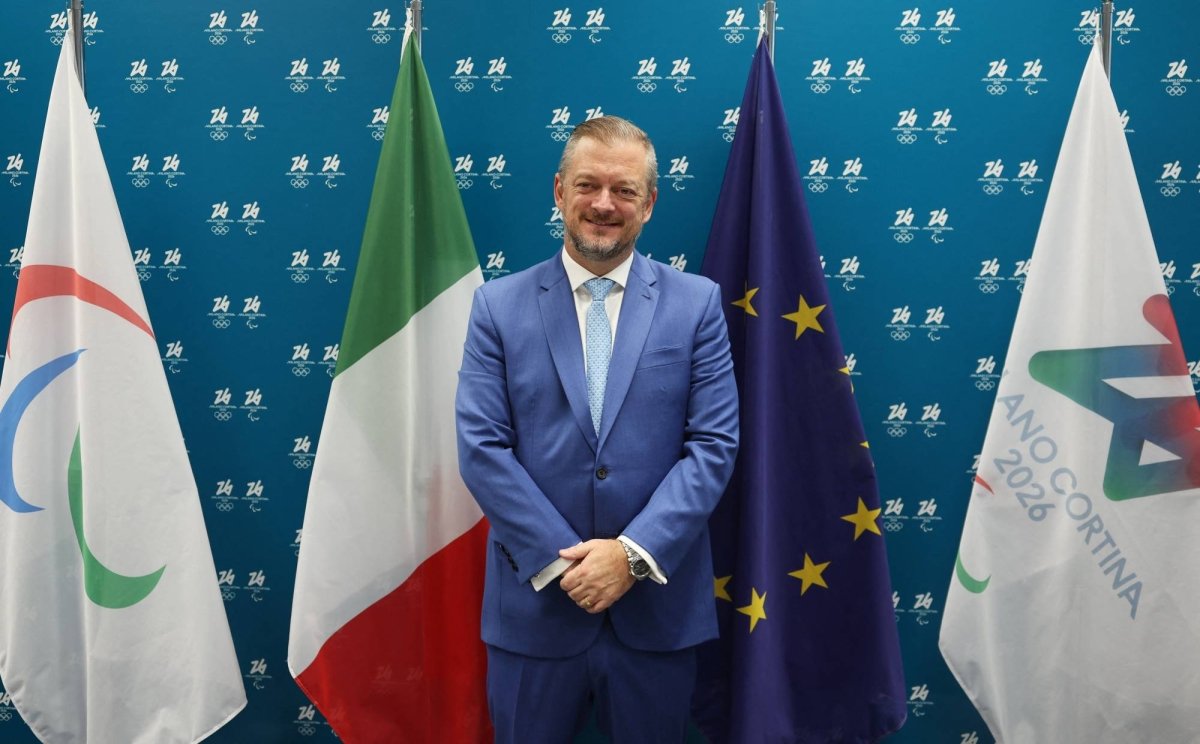
From an organizational standpoint, the event was heavily praised by leadership. IPC President Andrew Parsons declared Milano Cortina 2026 “the greatest Winter Paralympic Games in history”.
During the closing ceremony themed “Italian Souvenir” and held at the Olympic curling arena in Cortina D’Ampezzo tributes were paid to 23 representatives of the Organising Committee, local municipalities, and the Italian government. Parsons praised the playing fields for allowing athletes to perform at their highest levels and emphasized that the investments made in accessibility and infrastructure will leave a legacy that benefits millions of people.
The Broadcast Equity Battle
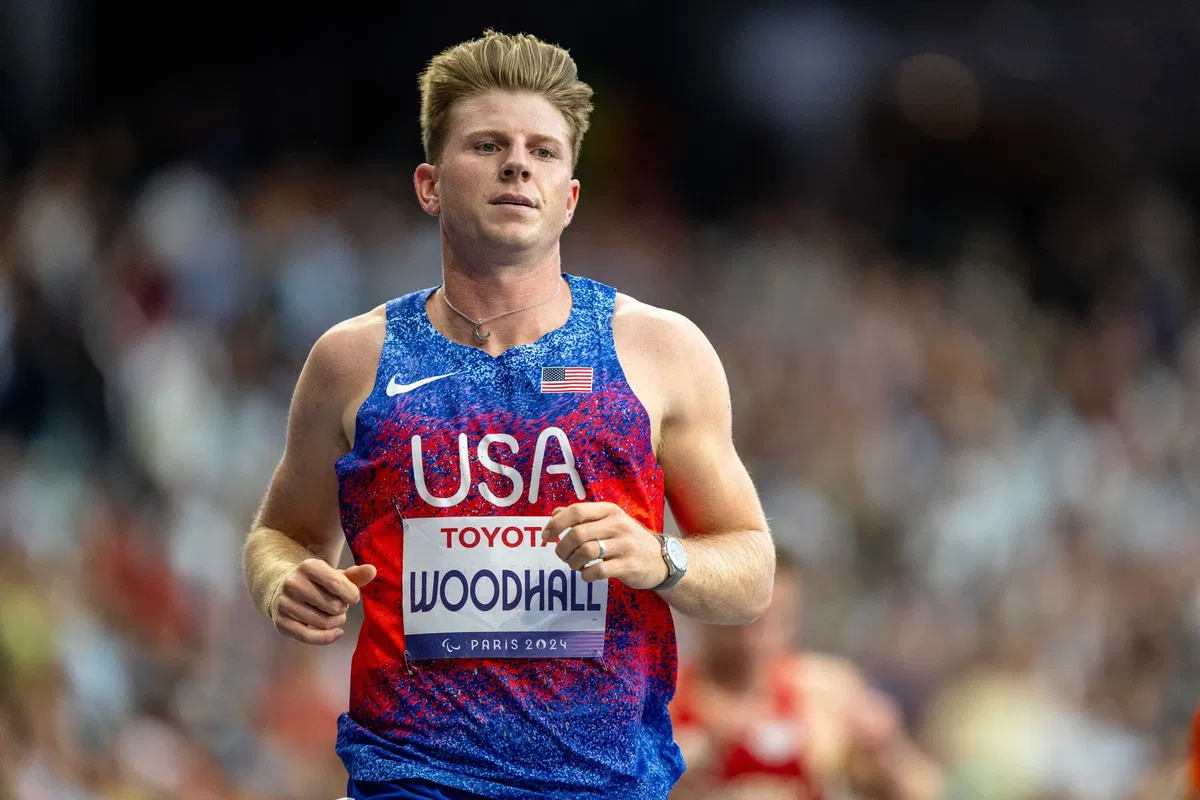
A major point of contention was the perceived lack of sufficient free-to-air media coverage, especially when compared to the Winter Olympics. US track and field Paralympic gold medallist Hunter Woodhall publicly criticized NBC and Peacock for substandard commentating and a lack of free-to-air access. Woodhall noted that the lack of media coverage exacerbates the daily discrimination disabled athletes face.
In Australia, audiences were limited to a 90-minute daily highlight package on free-to-air television, a reality that media advocate Alana Baldi argued undermines the growth of the Paralympic movement.
While broadcasters like NBC and Channel Nine defended their coverage by pointing to record hours of free live streaming, critics noted that this approach still left the Games largely inaccessible to individuals without smart TVs or streaming devices.
Geopolitical Tensions
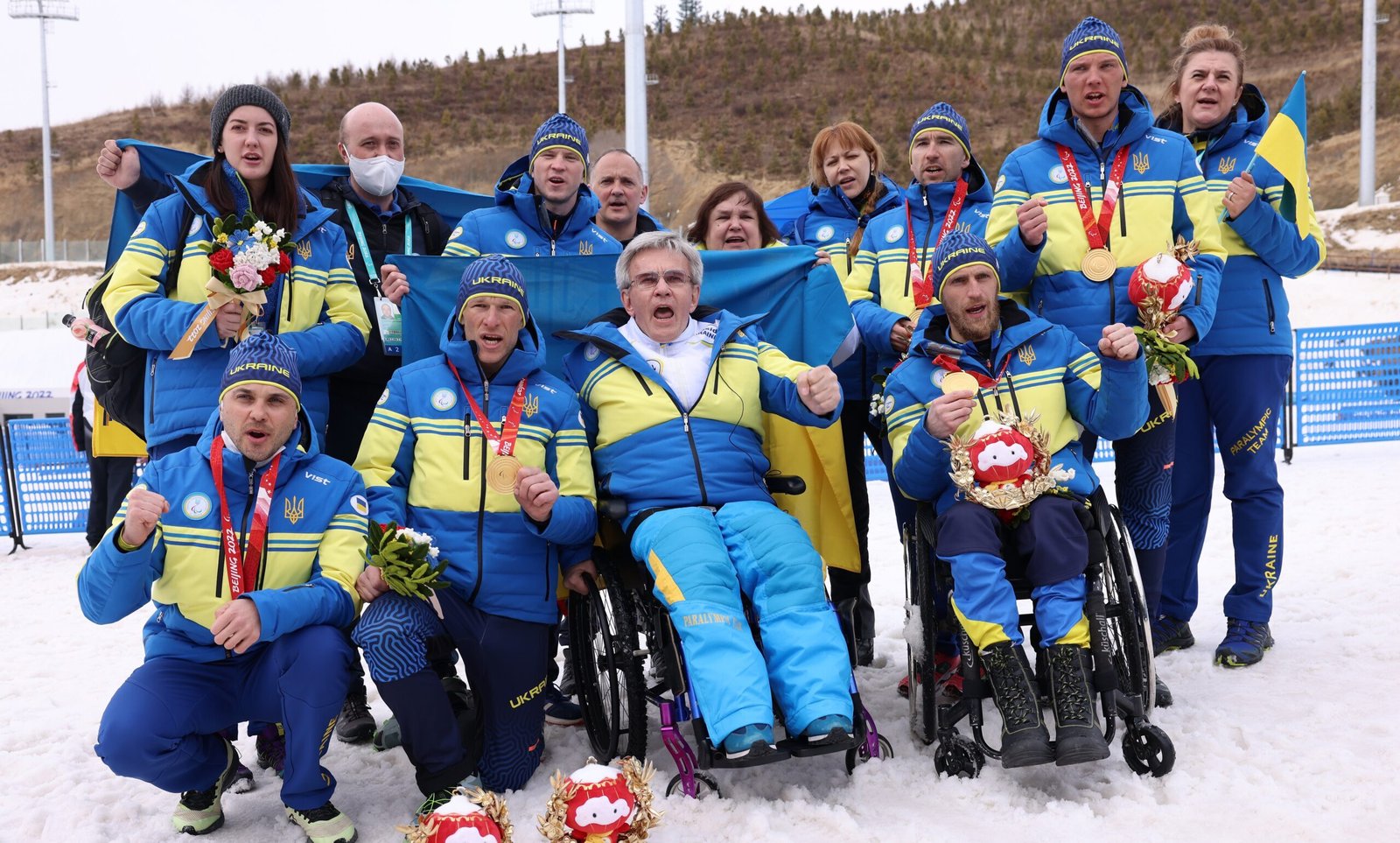
The shadow of global conflict also hung heavily over the event. The IPC’s decision to allow Russian athletes to compete caused immediate backlash. The Ukrainian team, feeling abandoned by the movement, boycotted the closing ceremony alongside several other central and eastern European nations.
Russia ultimately finished third in the medal table, securing eight gold medals across just six invited athletes. President Parsons defended the IPC’s stance, arguing that sport should be welcoming and that athletes should not have to pay for the acts of their governments.
Looking Ahead
As the Paralympic flame was extinguished, attention turned to the future. Andrew Parsons, who will step down as IPC President in 2029, hopes to expand the Winter Games’ sports roster, which is currently limited to just six disciplines. The IPC aims to push hard for the inclusion of para bobsleigh, skating, and a dedicated women’s ice hockey tournament by 2030 or 2034.
Milano Cortina 2026 proved that the appetite for Winter Paralympic sports is massive, but as the athletes themselves have made clear, the fight for equal visibility and a truly unified global stage continues.