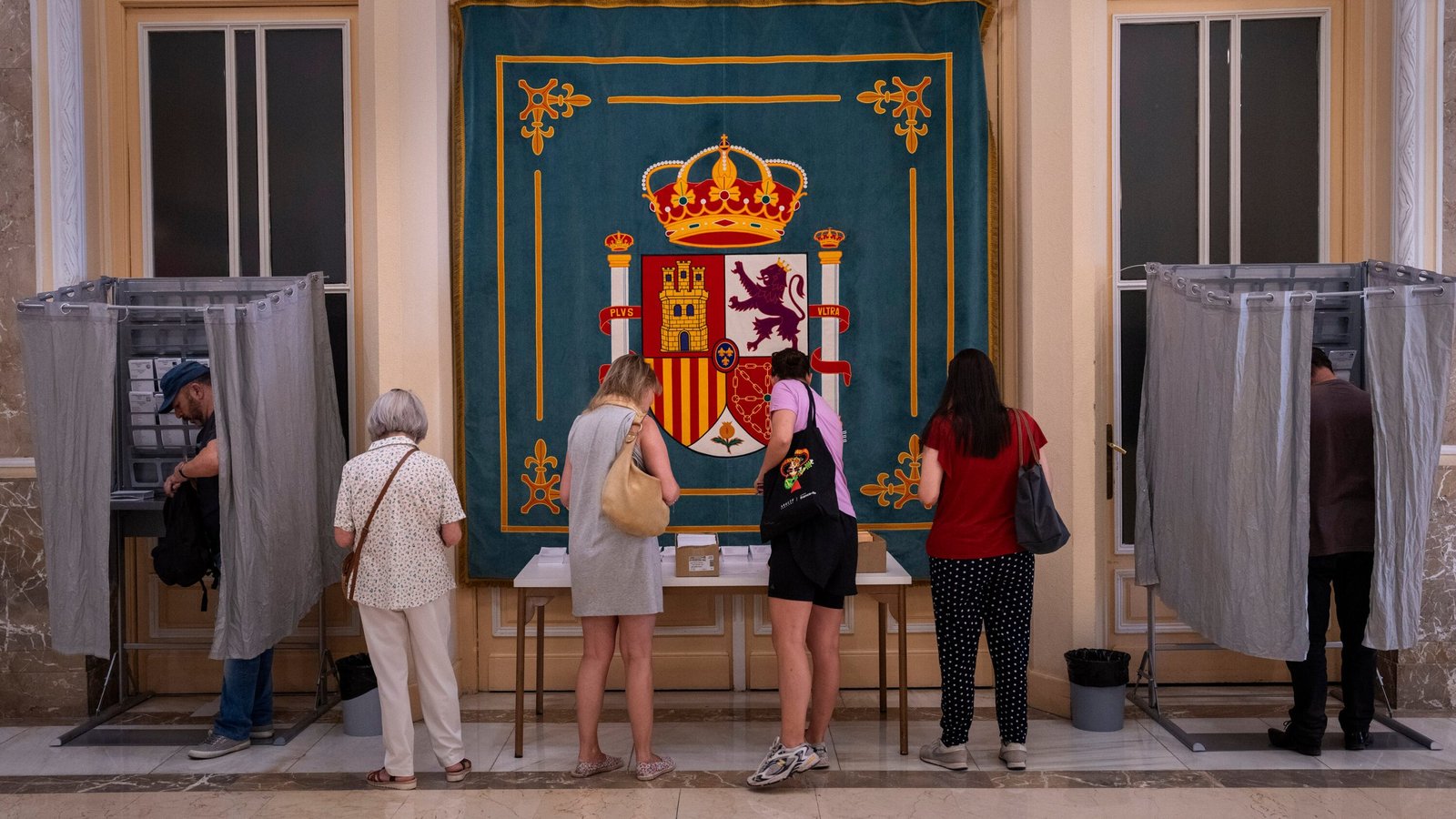

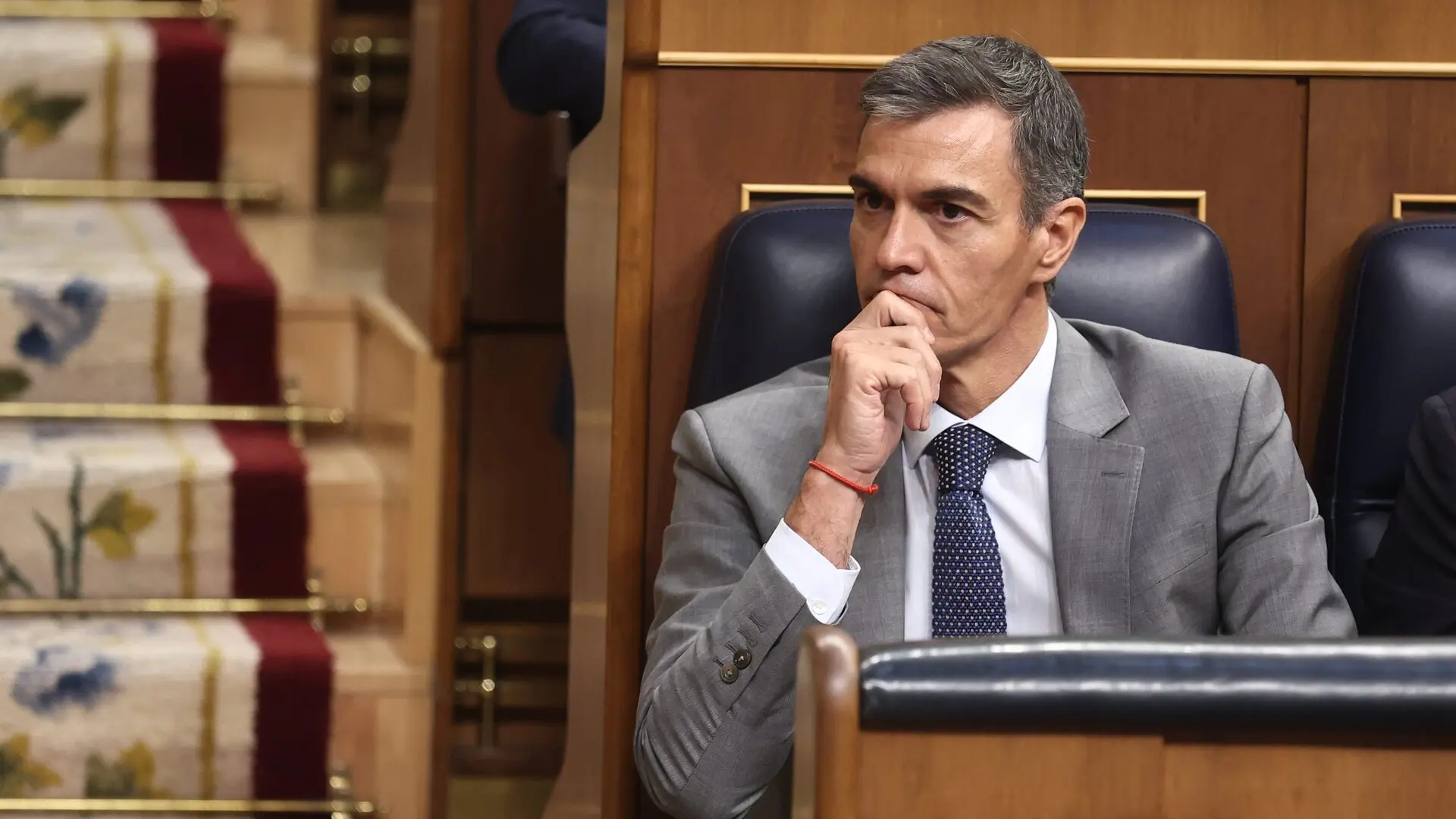
The Catalysts for the Snap Election
The immediate trigger for the dissolution was the spectacular collapse of Sánchez’s legislative agenda, specifically the defeat of his flagship housing relief package. As Spain grapples with a severe housing affordability crisis—marked by soaring costs, stagnant wages, and widespread public protests—the government introduced emergency legislation to mitigate the economic strain. However, the bill was decisively voted down in parliament after the Catalan separatist party, Junts per Catalunya, aligned with right-wing opposition parties to block the measure. This defeat exposed the fragility of Sánchez’s minority coalition, proving that it could no longer secure the parliamentary math required to govern effectively. The government had already been operating on a rolled-over 2023 national budget, highlighting a sustained inability to pass major fiscal legislation.
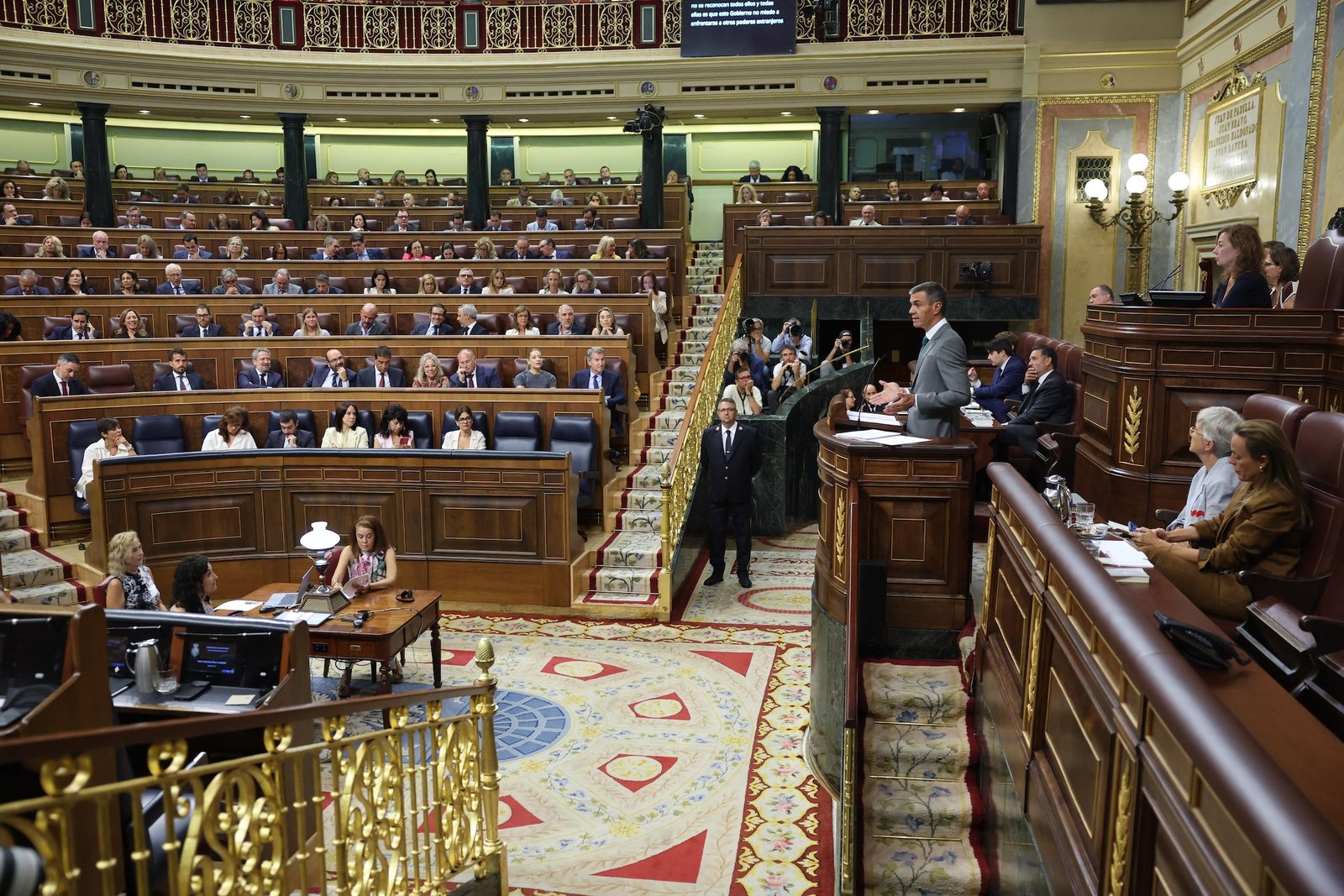
Compounding this legislative paralysis is a heavy cloud of corruption allegations that has galvanized public outrage. Throughout 2026, the Socialist (PSOE) government has faced intense scrutiny from multiple judicial probes. Most notably, an ongoing investigation into Sánchez’s wife, Begoña Gómez, for alleged influence peddling and corruption has provided relentless ammunition for his political rivals. Additional scandals, including the “Koldo case” involving pandemic-era health procurement contracts, and probes into close allies like former Prime Minister José Luis Rodríguez Zapatero, culminated in massive demonstrations. In May 2026, the “Dignity Parade” saw thousands march through Madrid demanding Sánchez’s immediate resignation. Furthermore, the administration faced severe criticism over its handling of the July 2026 migration crisis in the North African enclave of Ceuta, adding fuel to the opposition’s narrative of an incompetent and scandal-ridden government.

The Looming Electoral Battlefield
The upcoming November 29 election promises to be a highly polarized contest, serving as a critical barometer for the broader European political landscape. Sánchez is expected to rely on the same political playbook that secured his survival in 2023, framing the election as a binary choice between progressive social democracy and a regression to the hard right. In his dissolution speech, he emphasized Spain’s robust economic growth under his leadership and positioned his government as a bulwark against the populist waves sweeping across Europe and the globe.
However, the conservative People’s Party (PP), led by Alberto Núñez Feijóo, enters the campaign with significant momentum. The PP aims to capitalize on the profound voter dissatisfaction regarding housing, inflation, and the ongoing corruption scandals, framing the election as a mandate to finally oust Sánchez. Recent polling indicates that the PP holds a notable lead, capturing around 34 percent of voter support compared to the PSOE’s 26 percent.
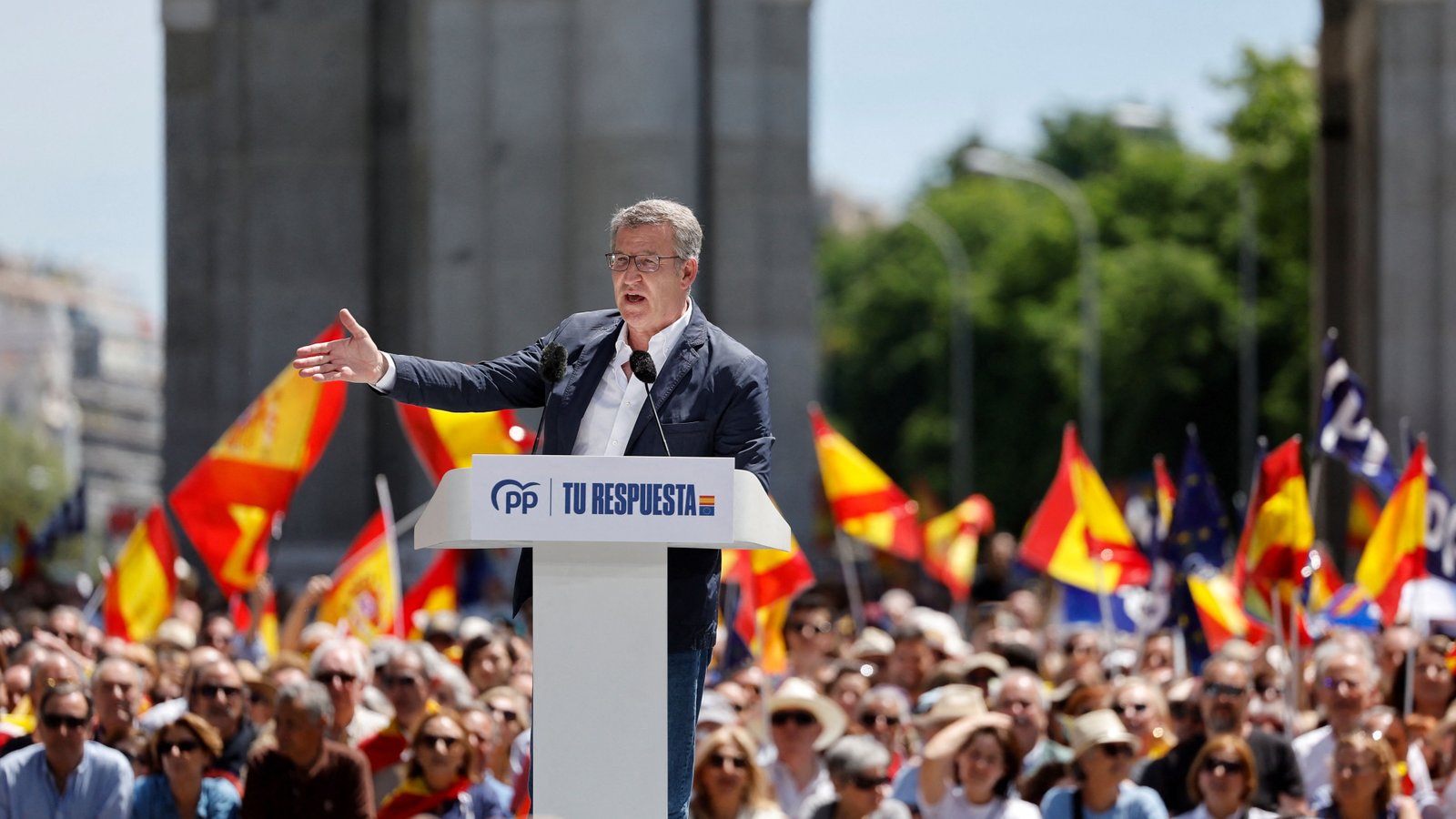
For the conservative bloc to secure an absolute majority, the PP will likely need to forge a coalition with the far-right Vox party, which is projected to capture around 18 percent of the vote. Vox has aggressively campaigned on anti-immigration platforms, leveraging the recent crisis in Ceuta to demand mass deportations and stricter border controls. For Sánchez, the path to a fourth term relies entirely on his ability to mobilize a fragmented left-wing electorate and convince voters that the threat of a PP-Vox coalition outweighs their frustrations with the current administration’s legislative failures and ethical controversies.