Greece at the Global Helm: UN Leadership and Eastern Mediterranean Strategy in October 2026
October 2026 marks a defining juncture for Greek diplomacy, as the nation elevates its geopolitical posture on both the global and regional stages. Navigating a landscape of severe international friction, Greece has formally assumed leadership within the United Nations while simultaneously advancing its strategic energy integration across the Eastern Mediterranean.
The UN Security Council Presidency
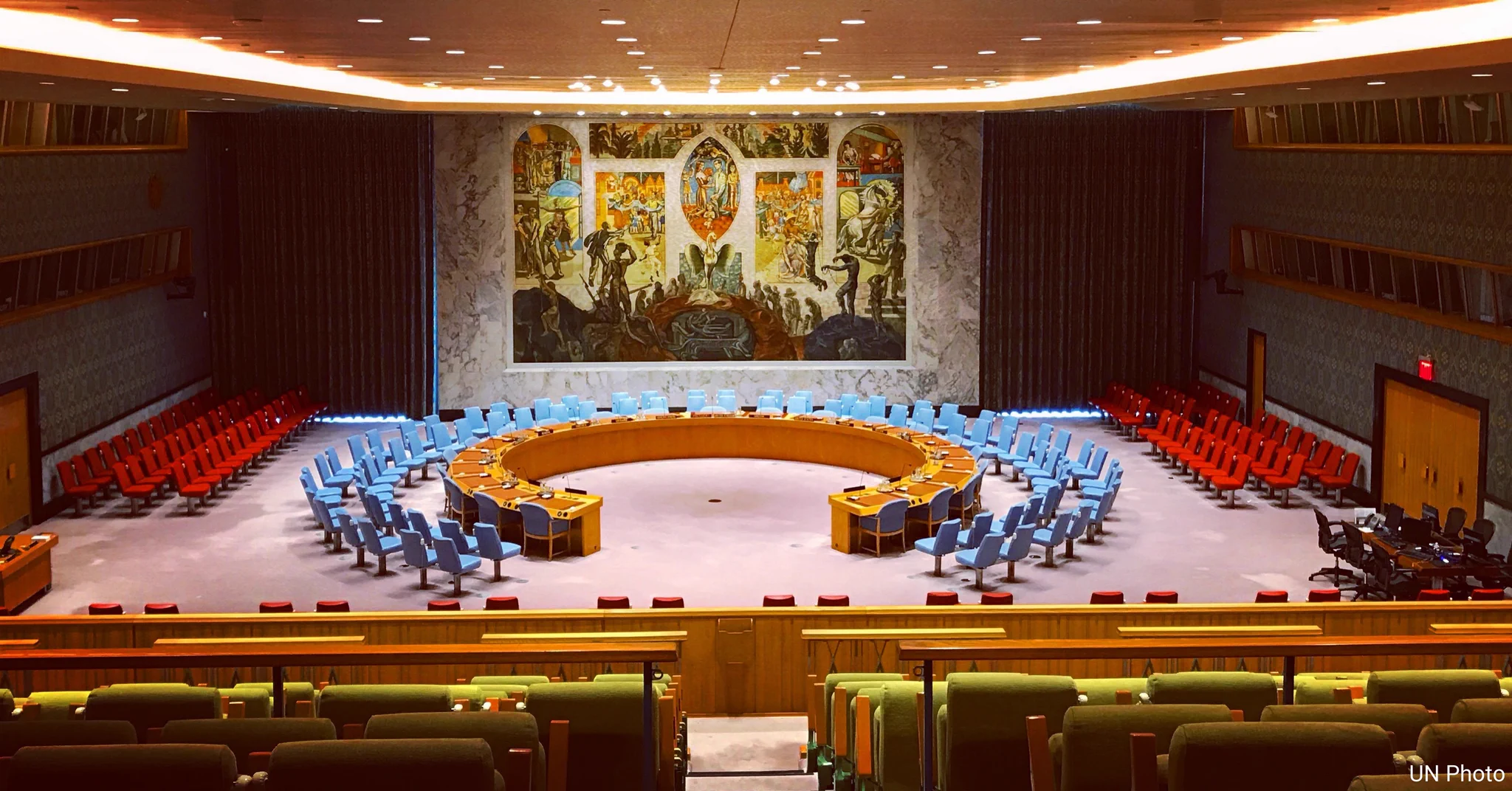
As of October 1, 2026, Greece assumed the rotating presidency of the United Nations Security Council (UNSC). This marks the second and final time Athens will hold the presidency during its 2025–2026 term as an elected, non-permanent member of the Council.
Taking the helm during a period of profound global division, Greek diplomats face the monumental institutional challenge of facilitating consultations among the 15 council members. The international stage is currently grappling with multiple intersecting crises, including the ongoing Russia-Ukraine war, severe tensions and conflict in the Middle East, and impending humanitarian emergencies in regions like Sudan and the Congo.
To navigate these challenges, Foreign Minister George Gerapetritis has established an agenda heavily focused on promoting international law and multilateralism, with the specific intent of elevating the voices of nations outside the 15-member council. The Greek presidency has scheduled two signature events for October, highlighted by a high-level briefing focused on maritime security and emerging technologies under the broader agenda of maintaining international peace and security. Furthermore, Greece’s tenure at the head of the UNSC coincides with a vital administrative milestone for the UN: the Council will conduct “straw polls” throughout October to gauge support for candidates vying for the position of the next UN Secretary-General.
Defending Sovereignty in the Aegean and Eastern Mediterranean
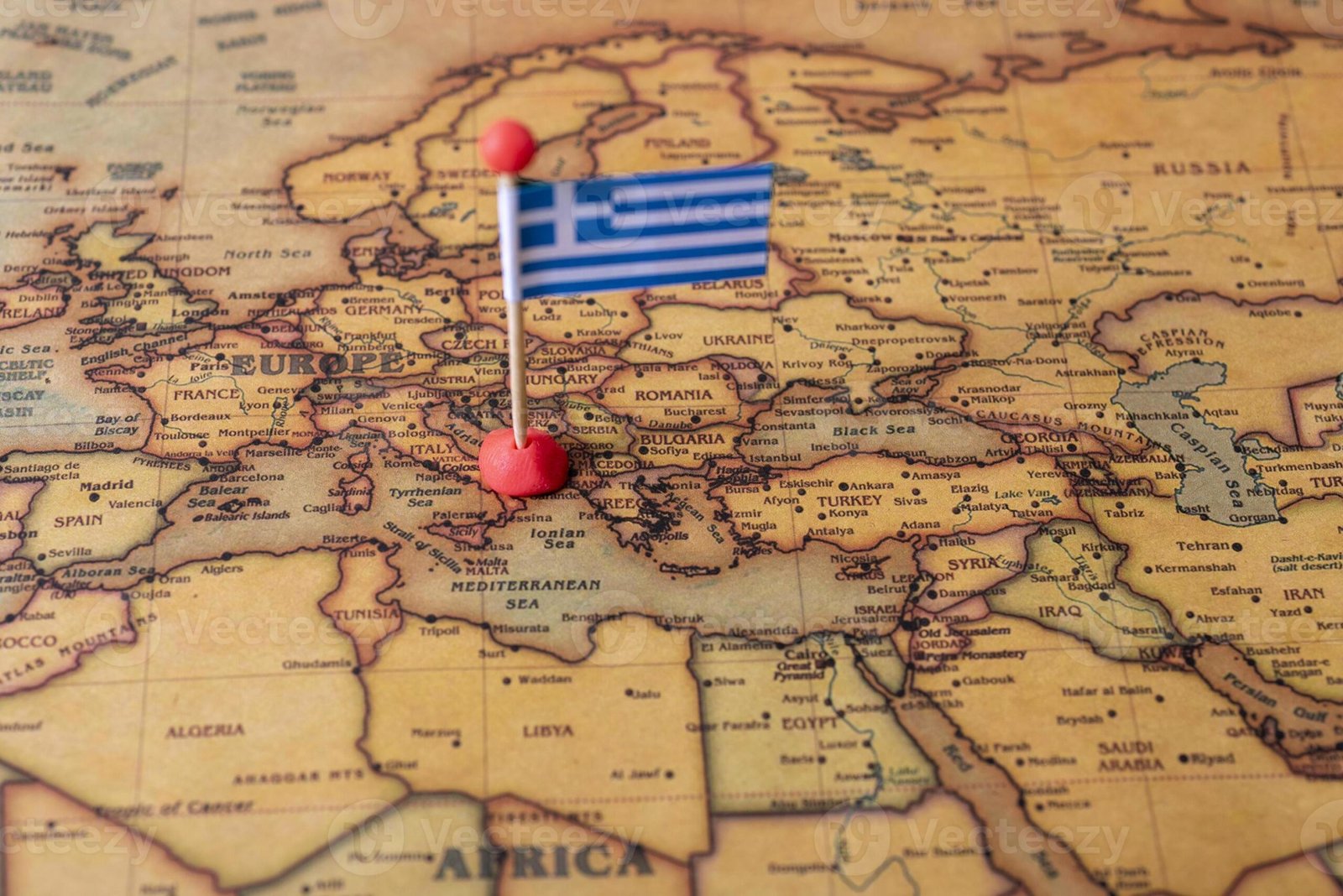
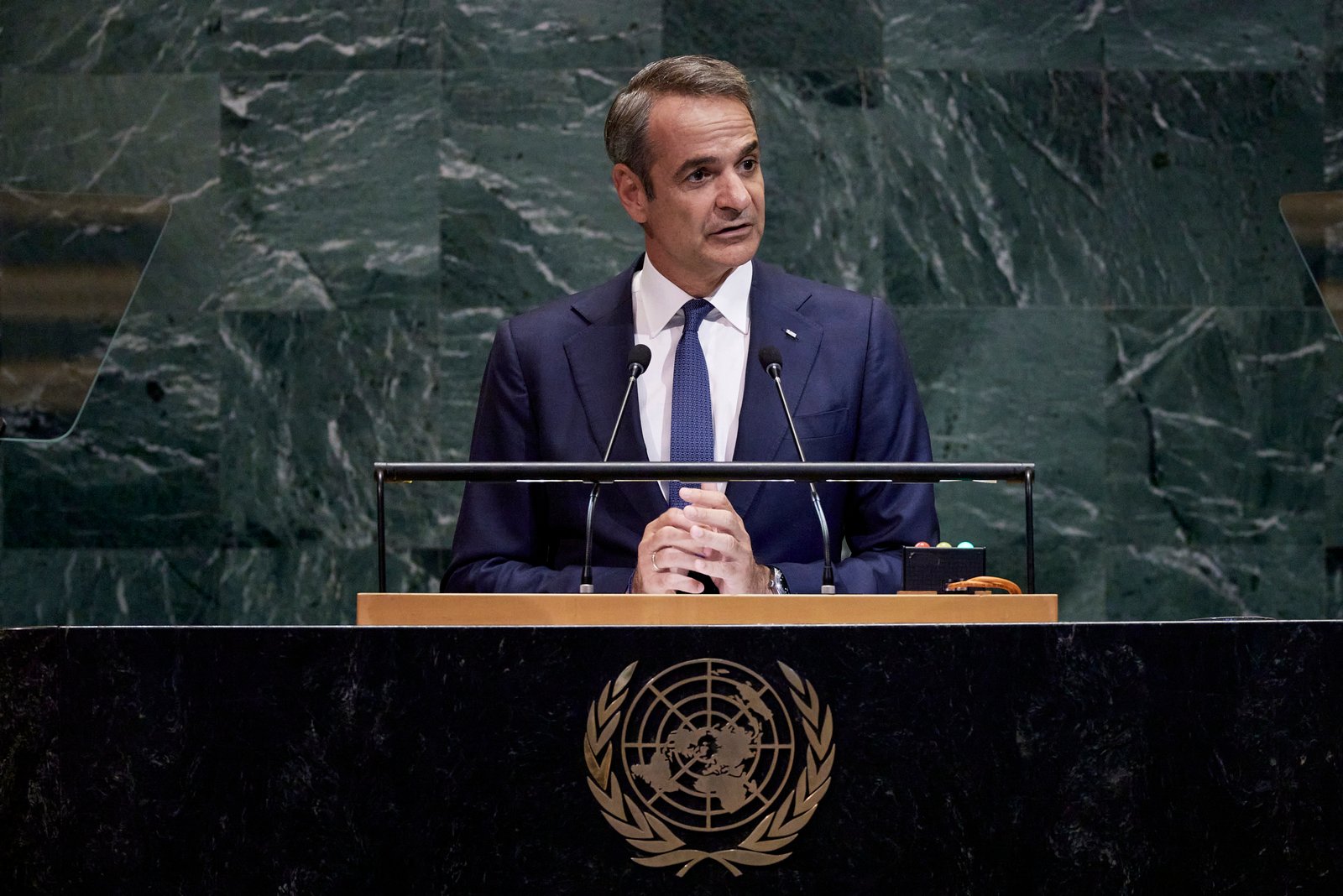
While directing global peacekeeping efforts in New York, Athens remains fiercely protective of its immediate territorial and diplomatic interests. During his address to the UN General Assembly in late September 2026, the Greek Prime Minister explicitly outlined the nation’s core priorities, heavily emphasizing maritime security, the stabilization of the Middle East, the unresolved Cyprus issue, and ongoing relations with Turkey.
The diplomatic environment in the Aegean requires constant vigilance. In mid-September 2026, the Greek Foreign Ministry issued strong statements rejecting renewed Turkish claims over Aegean islands, directly pointing to historical threats issued by Ankara and asserting that established history cannot be erased or falsified. Greece’s diplomatic strategy involves consistently reinforcing its sovereign rights through established international law while seeking to isolate revisionist regional policies.
The Great Sea Interconnector: Cementing an Energy Hub
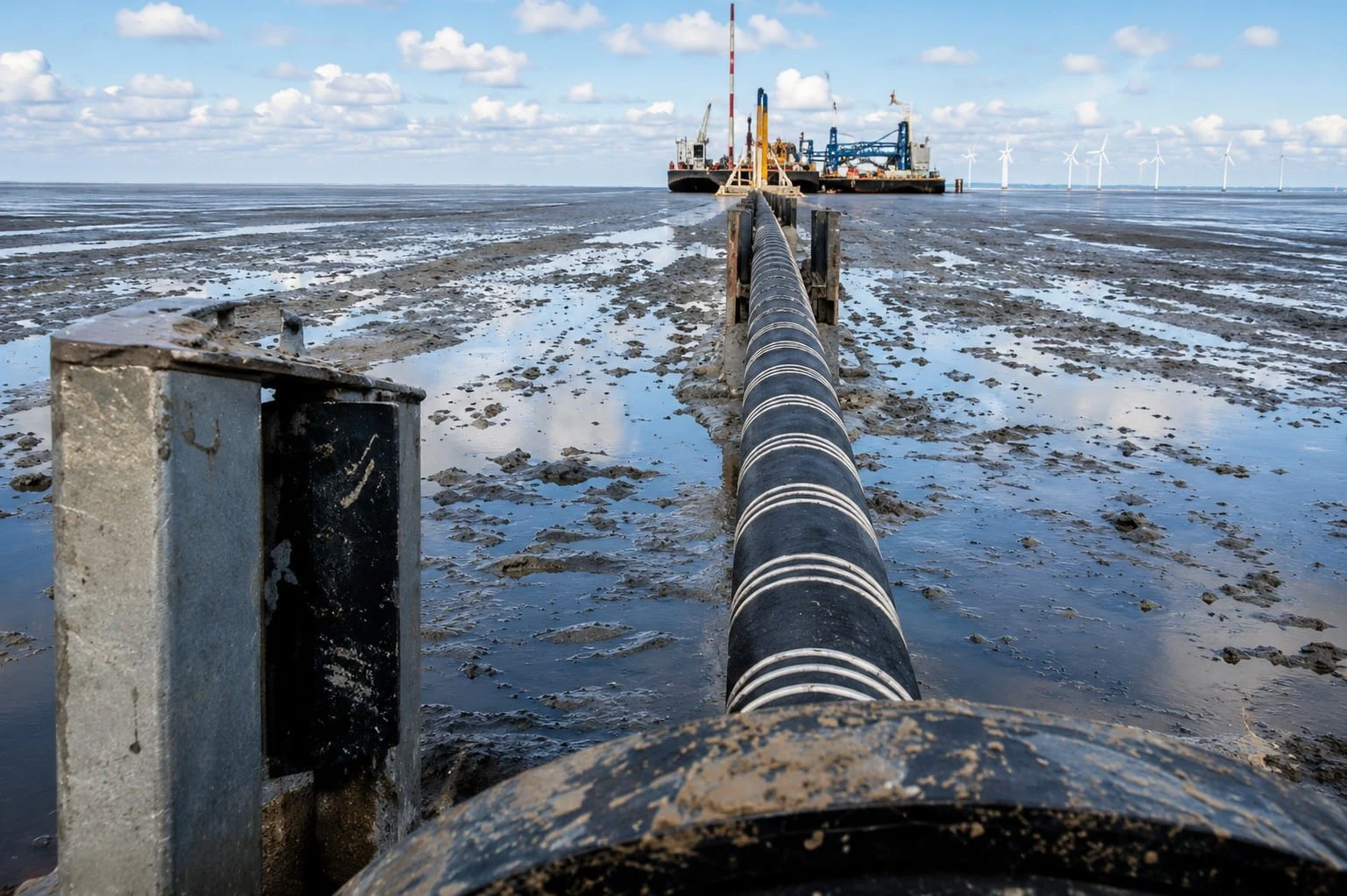
Beyond traditional diplomacy, Greece is actively reshaping the geopolitical map of the Eastern Mediterranean through monumental energy infrastructure. A cornerstone of this strategy is the Great Sea Interconnector, a €2.5 billion high-voltage direct current (HVDC) submarine power cable designed to link the electricity grids of Greece (via the island of Crete), Cyprus, and eventually Israel.
Managed by a Special Purpose Vehicle established in January 2024 by Greece’s Independent Power Transmission Operator (IPTO), the project is a recognized European Union Priority Electricity Highway. Its primary objective is to terminate the energy isolation of Cyprus—currently the last EU member state lacking direct energy interconnections—and ensure a secure energy supply across the region.
The geopolitical implications of the interconnector are vast, as it will enable the export of Eastern Mediterranean natural gas and integrated renewable energy directly into the European grid. The initiative gained vital momentum in August 2026, when the French investment group Meridiam provided financial backing to extend crucial offshore surveys between Crete and Cyprus. By physically tying the energy security of Cyprus and the Levant Basin to the European mainland, Greece is successfully positioning itself as an indispensable energy bridge linking Asia and Europe.
In summary, October 2026 highlights a proactive and assertive Greece. By leveraging its UN Security Council presidency to champion maritime security and international law, while simultaneously driving the physical integration of European and Middle Eastern energy markets, Athens is solidifying its role as a stabilizing anchor in an otherwise turbulent region.