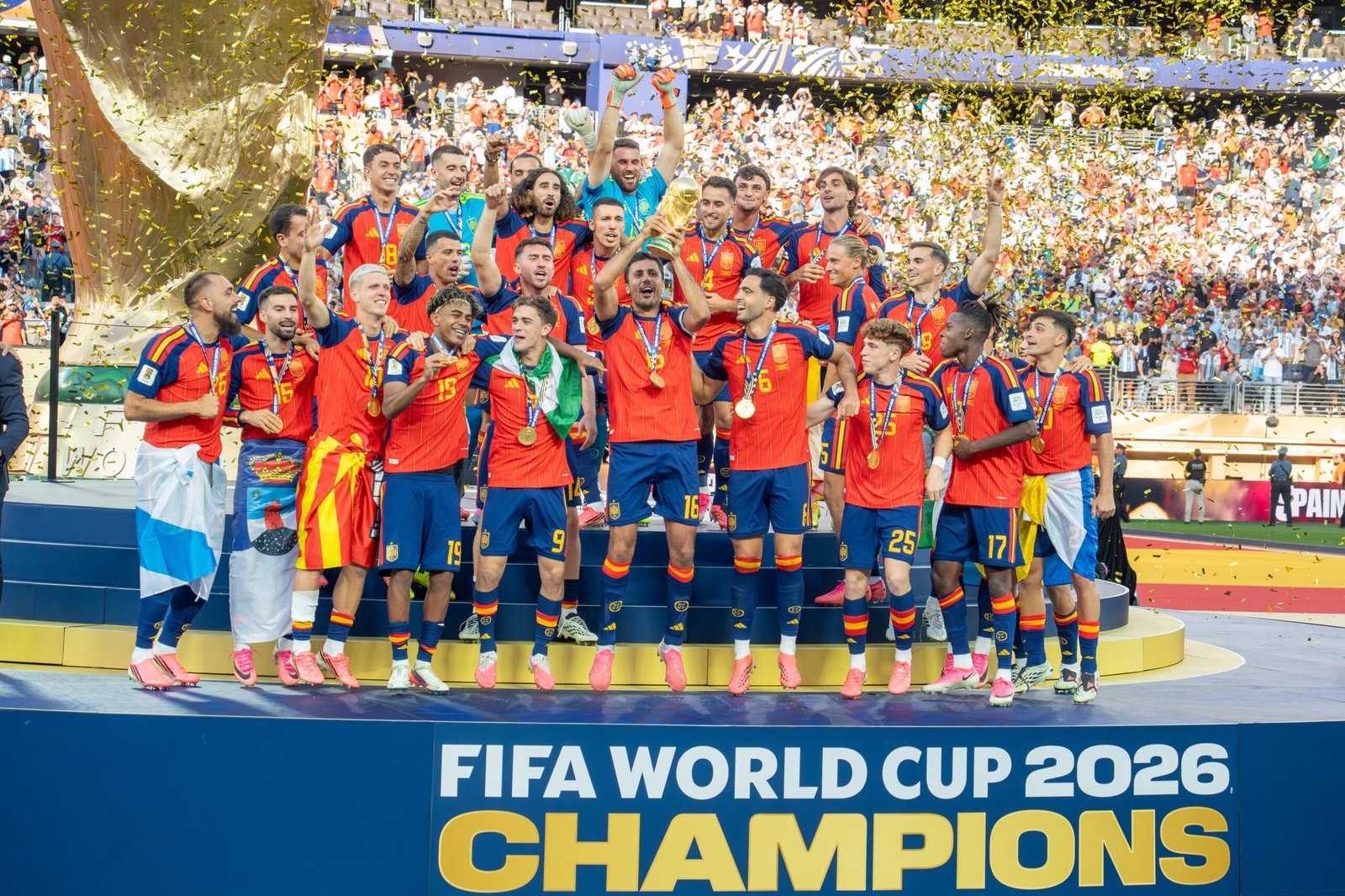
When the final whistle blew in New Jersey on July 19, 2026, confirming Spain’s 1-0 victory over reigning champions Argentina in the 2026 World Cup final, the sporting world did not witness a miracle or a spontaneous alignment of the stars. Instead, they witnessed the culmination of a meticulously refined philosophy—a testament to decades of structural planning and youth development that has turned the Iberian nation into the undisputed epicenter of modern football.
Spain’s success is not just historical; it is systemic. Over the last five years, from 2022 to 2026, the Spanish men’s and women’s national teams have won an astonishing 16 world and European titles, spanning the under-17 to senior levels. “It is a dominance,” Spanish football expert Guillem Balague noted. “It’s like the perfect storm. Culturally, we do things a certain way. Everybody believes in it. The important thing is that we don’t stop”.
The Blueprint: From Cruyff to De La Fuente
To understand how La Roja conquered the world in 2026, one must trace the ideological roots back to 1988, when Johan Cruyff arrived at Barcelona. Cruyff introduced the Dutch principles of ‘Total Football’, emphasizing fluid tactics, technical ability, and intelligence over physical stature. Barcelona’s famed La Masia academy was transformed from a simple production line into a “school of ideas,” teaching young players to solve problems with the ball and to prioritize space and angles over mere athleticism.
These principles eventually permeated the entire Spanish football ecosystem. Top-tier clubs such as Villarreal, Athletic Bilbao, Real Sociedad, and Valencia CF invested heavily in technically demanding academies, and the nation’s thriving futsal culture further honed players’ close control and spatial awareness.
According to David Gutierrez, Director of the National School of Coaches at the Spanish Football Association (RFEF), the national team’s ideological pivot occurred under Luis Aragones in 2008. “He was the one who realised the sorts of players that Spanish clubs were producing,” said Jose Francisco Molina, former RFEF sporting director. “Since it proved so successful, we started pursuing that style of play”. Gutierrez added that Aragones made the nation realize that while they might not be the fastest or strongest genetically, they excelled in their collective understanding of how to play as a unit.
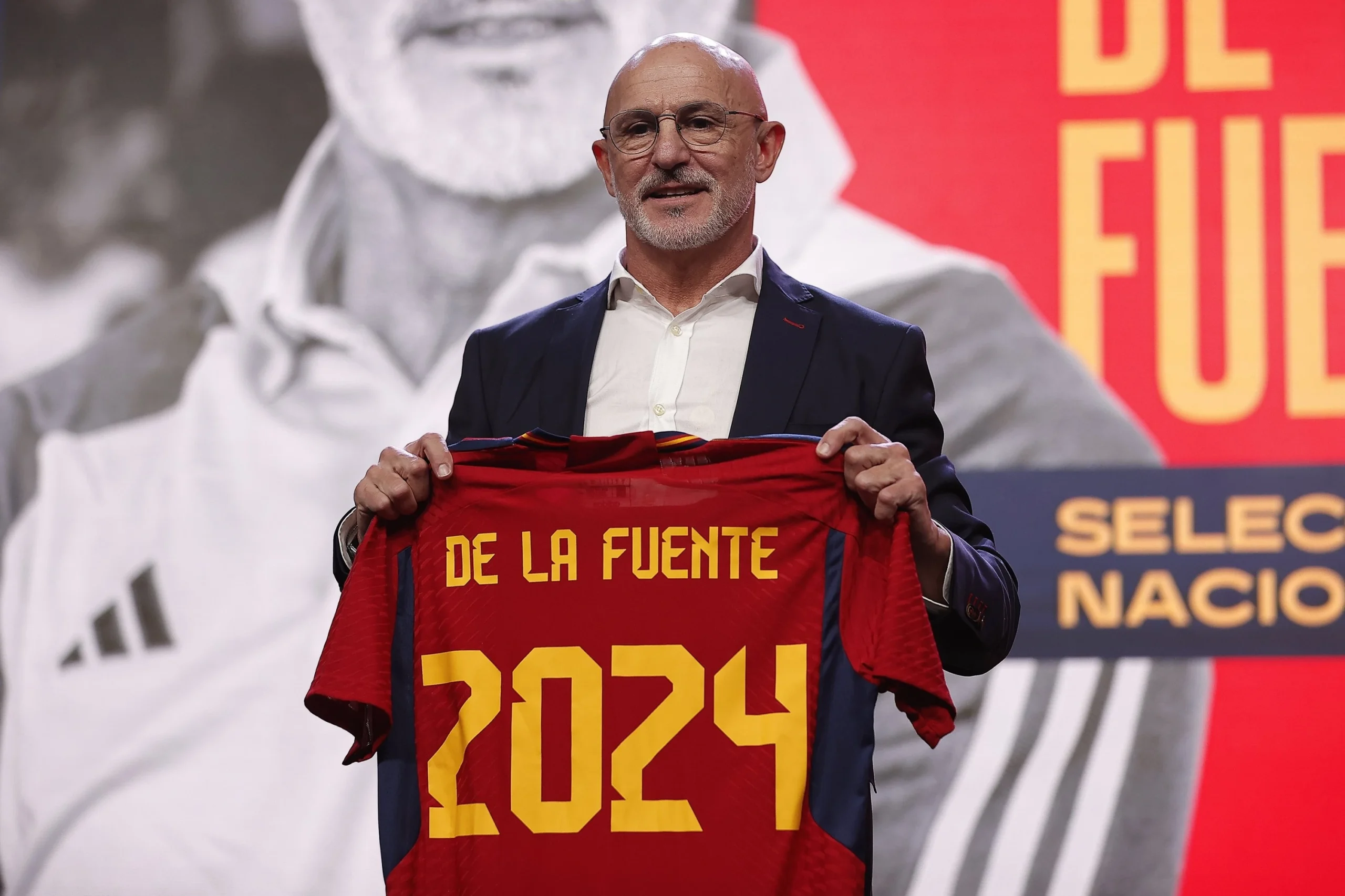
This deep-seated culture of collective intelligence is precisely what current head coach Luis de la Fuente leveraged to secure his rapid string of victories. Appointed in December 2022 following a disappointing World Cup exit to Morocco, De La Fuente was seen as a risky choice, having spent 15 years primarily in youth and lower-league roles rather than managing a big club. However, his profound familiarity with the players from the academies proved invaluable.
“De la Fuente knew most of these players from the academies and they are growing as a team,” former Spain midfielder Juan Mata explained. Under his leadership, the men’s senior team achieved an unprecedented run, winning the Nations League in 2023, the European Championship in 2024, and the World Cup in 2026.
The 2026 World Cup: Tactical Evolution and Relentless Execution
The Spain team that lifted the trophy in New Jersey differed from the iconic 2010 squad. While the 2010 team relied heavily on a midfield trio built entirely within Barcelona’s system, the 2026 team drew from a more diverse pool. Players like Rodri and Fabian Ruiz anchored the midfield, providing both defensive structure and creative connection, despite neither having ever played for Barcelona.
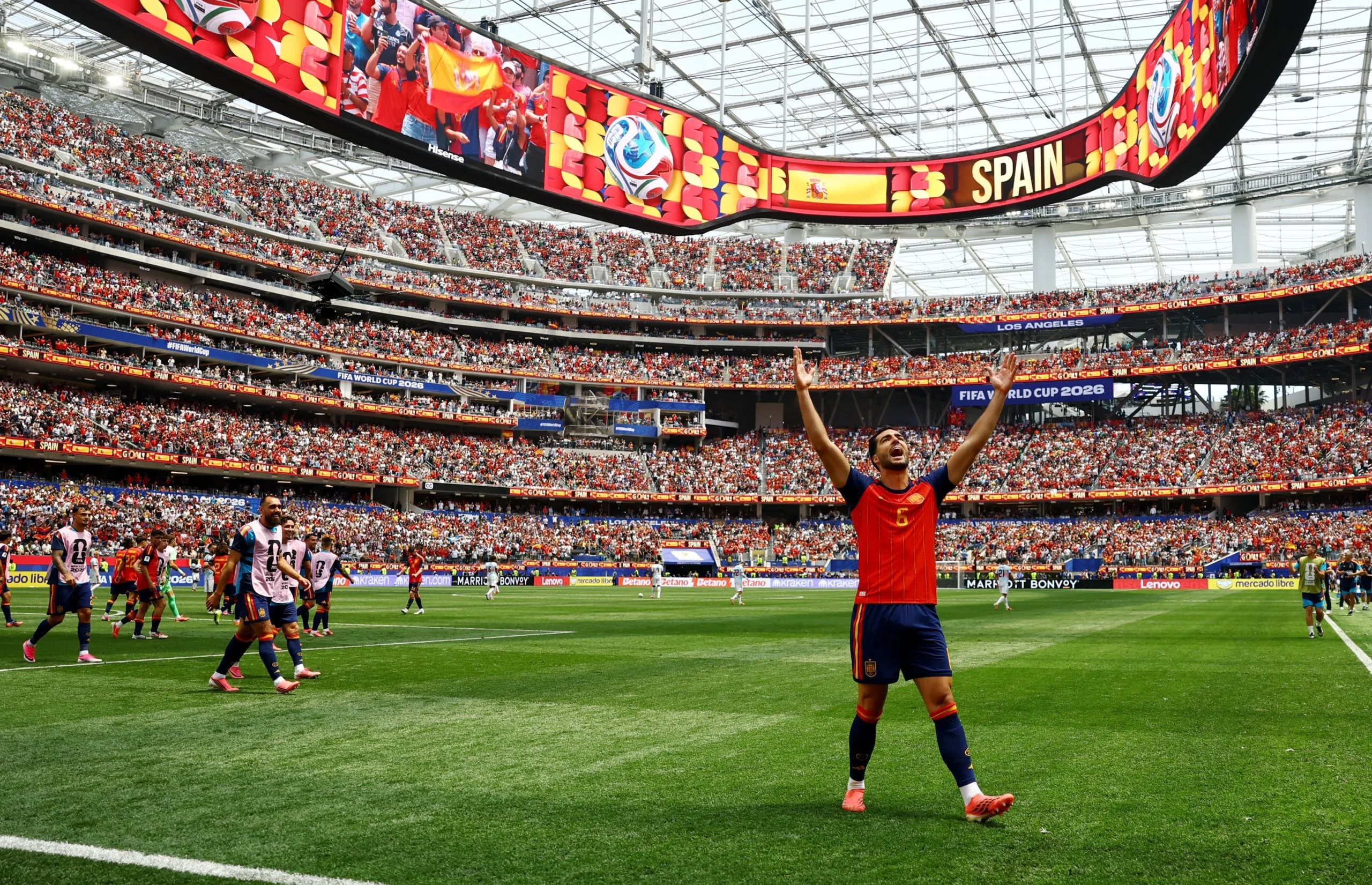
What defined this iteration of La Roja was their evolution beyond the stereotype of endless, sterile passing. At the 2024 Euros and the 2026 World Cup, Spain found a cutting edge through dynamic wingers like Lamine Yamal and Nico Williams, whose speed and 1v1 ability provided the direct incisiveness Spain had historically lacked. Furthermore, De La Fuente found an unconventional solution to Spain’s historic struggles at the striker position by utilizing Mikel Oyarzabal, a player capable of both pressing aggressively and linking play with his back to goal.
The results were statistically staggering. Spain went through the 2026 tournament without trailing once, utilizing a highly organized defensive unit to concede just a single goal in eight matches. Furthermore, Spain is now unbeaten in 38 consecutive matches across all competitions, marking the longest run by any European or South American team in history.
A Global Export of Ideas
Spain’s dominance is not confined to the international stage; it has fundamentally reshaped European club football. Between them, Real Madrid and Barcelona have won nine of the last 17 Champions League finals, while clubs like Sevilla, Atletico Madrid, and Villarreal have claimed nine Europa League titles in the same period.
More profoundly, Spain has exported its coaching methodology to its biggest rivals. Aitor Karanka, the RFEF’s current sporting director, noted that Spanish coaches are defined by their ability to cultivate an understanding of the game from a young age, prioritizing collective performance and possession-based drills.
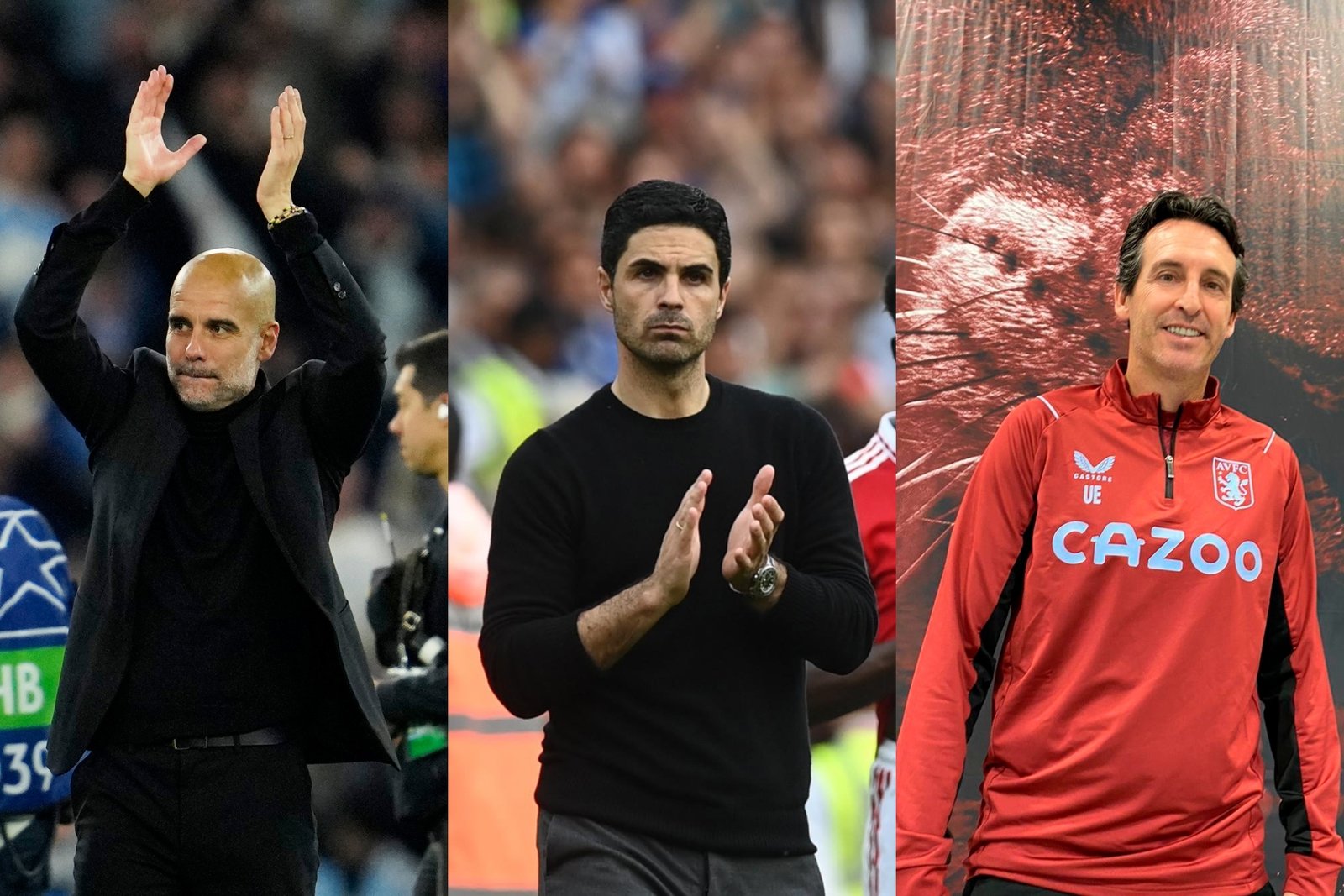
This methodology is now dominating the English Premier League. At the start of the 2026-27 season, at least a quarter of Premier League managers are Spanish. Mikel Arteta ended Arsenal’s long title drought by beating his Spanish mentor, Pep Guardiola. Unai Emery brought European glory back to Aston Villa, and Luis Enrique secured the Champions League with Paris Saint-Germain.
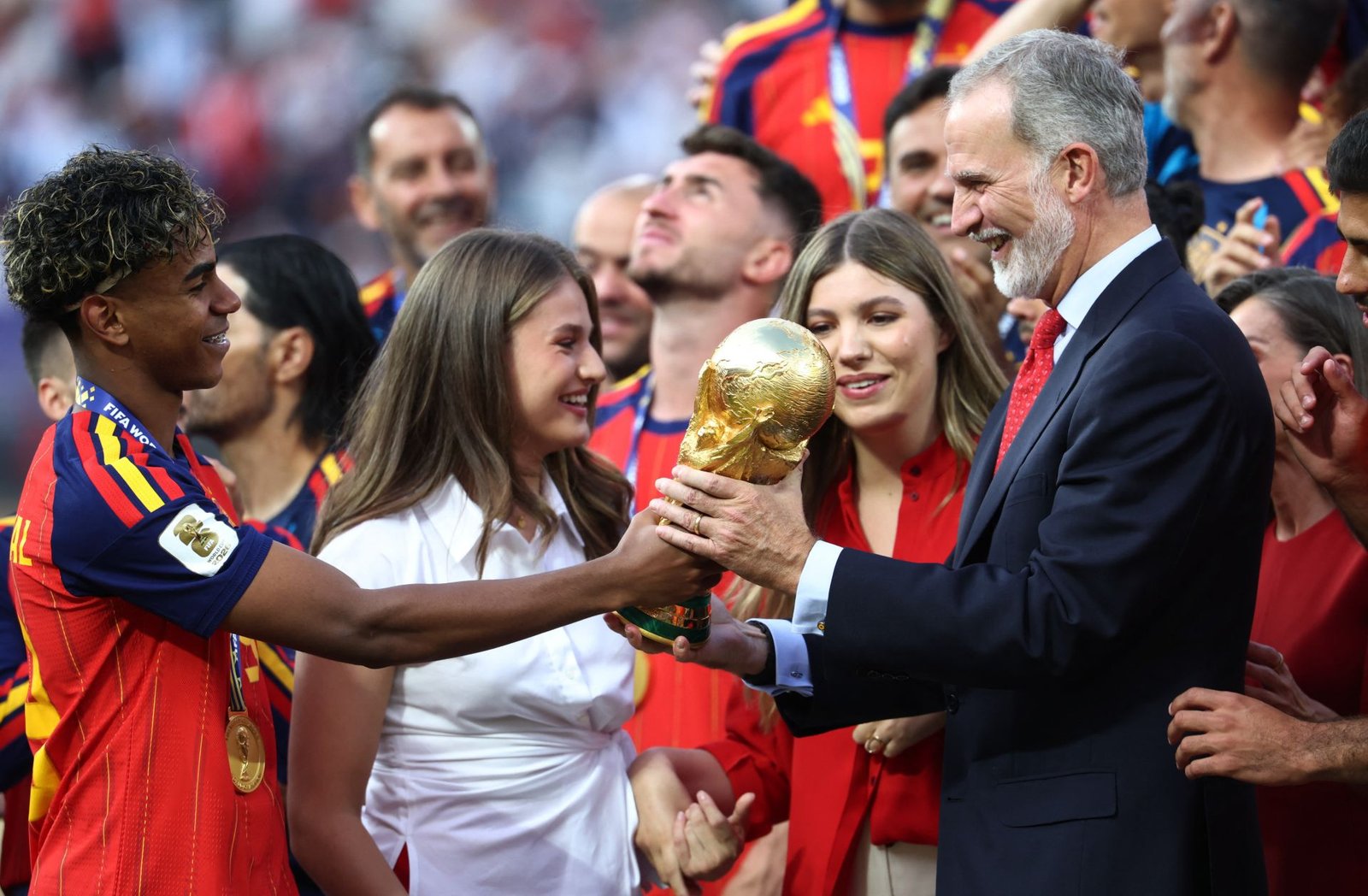
As the legends of Spain’s past looked down from the stands in New Jersey, they were not just witnessing another trophy lift; they were watching the complete validation of a sporting ideology. Trophies can be won by golden generations, but changing the very way the world thinks about, plays, and manages football is a rarer, more permanent triumph. Spain has reinvented football on its own terms, and currently, no other nation has the answers to stop them.