
From Historical Might to Industrial Restructuring
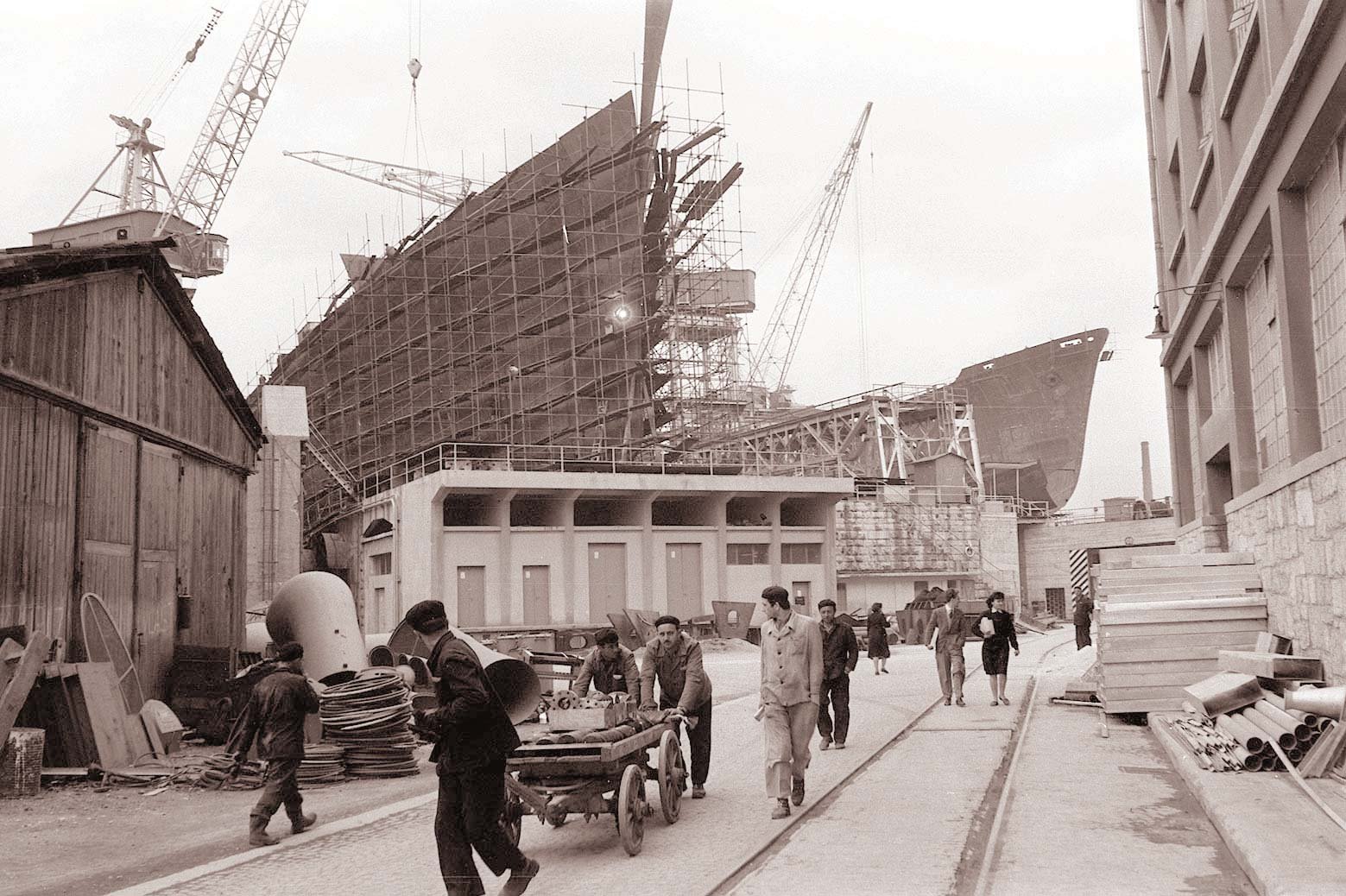
Croatia’s shipbuilding pedigree is centuries old, tracing back to the medieval Condura Croatica warships of the 10th century and the highly respected merchant fleets of the Republic of Ragusa (modern-day Dubrovnik). This legacy scaled into massive industrial operations during the 19th-century Austro-Hungarian Empire and peaked during the Yugoslav era. At its zenith, the Yugoslav shipbuilding industry employed over 30,000 workers across giants like the Uljanik and 3. Maj shipyards, securing a position among the world’s top shipbuilding nations.
The turning point for the modern sector arrived with Croatia’s accession to the European Union in 2013. To comply with EU state-aid rules, Croatia was required to privatize and restructure its heavily subsidized, state-owned shipyards. This transition severely contracted the industry’s volume. Following privatization, the compensated gross tonnage (CGT) produced in Croatia plummeted by 75% compared to the decade prior. Concurrently, the workforce shrank drastically; pre-privatization employment of around 12,000 fell to approximately 3,000 direct shipyard employees and 1,300 subcontractors by 2022.
The Economic Anchor and Local Impact
Despite this volumetric decline, shipbuilding and yachting remain vital to the national economy, contributing approximately 2% to Croatia’s GDP and sustaining an estimated market size of €286 million.
Crucially, the economic impact has become more localized and deeply intertwined with Croatia’s booming nautical tourism. A prime example is the coastal village of Krilo Jesenice, frequently dubbed “Croatia’s Monte Carlo” when its fleet docks for the winter. The village is the epicenter of a unique small-ship cruise industry that began in 1992 with repurposed wooden cargo ships and has since evolved into a fleet of ultra-modern, 53-meter steel deluxe vessels.
Unlike multinational cruise conglomerates that often overwhelm historic cities like Venice and Dubrovnik with mass tourism, the Croatian model is highly localized. Approximately 75% of these luxury charter vessels are owned directly by their captains, ensuring that profits remain within the local community to fund further shipbuilding and job creation. Because these boutique ships typically carry only around 40 passengers, they can access smaller ports, where onboard chefs purchase fresh produce from local markets and utilize local tour guides, creating a sustainable economic ripple effect.
The Strategic Pivot: Luxury Yachts and Niche Vessels
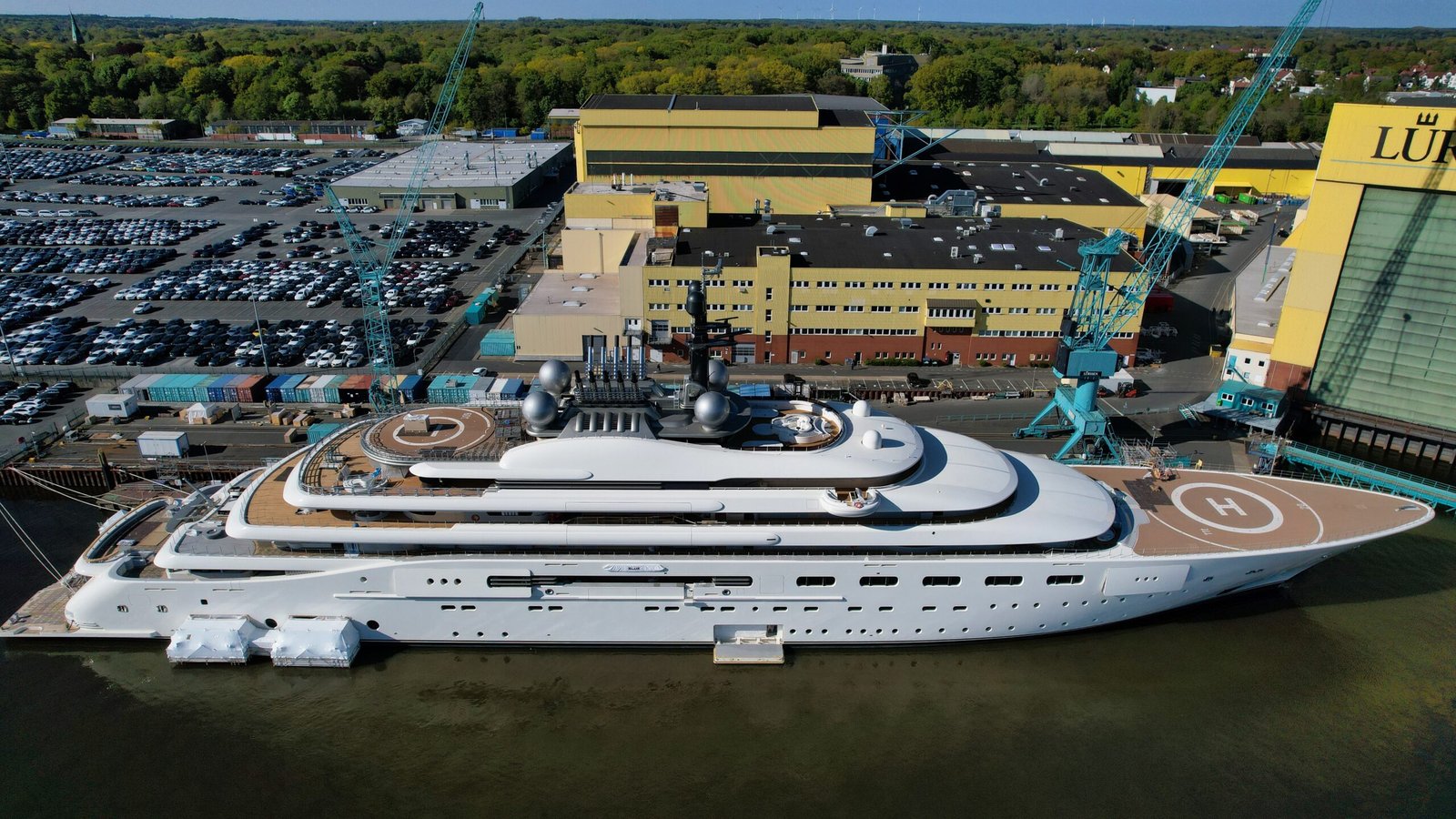
Unable to compete with the high-volume output of Asian shipyards in standard commercial categories, Croatian builders executed a strategic pivot toward high-value, specialized vessels. Over the past decade, roughly 70% of the vessels constructed in Croatia have been passenger ships, cruise ships, and luxury yachts.
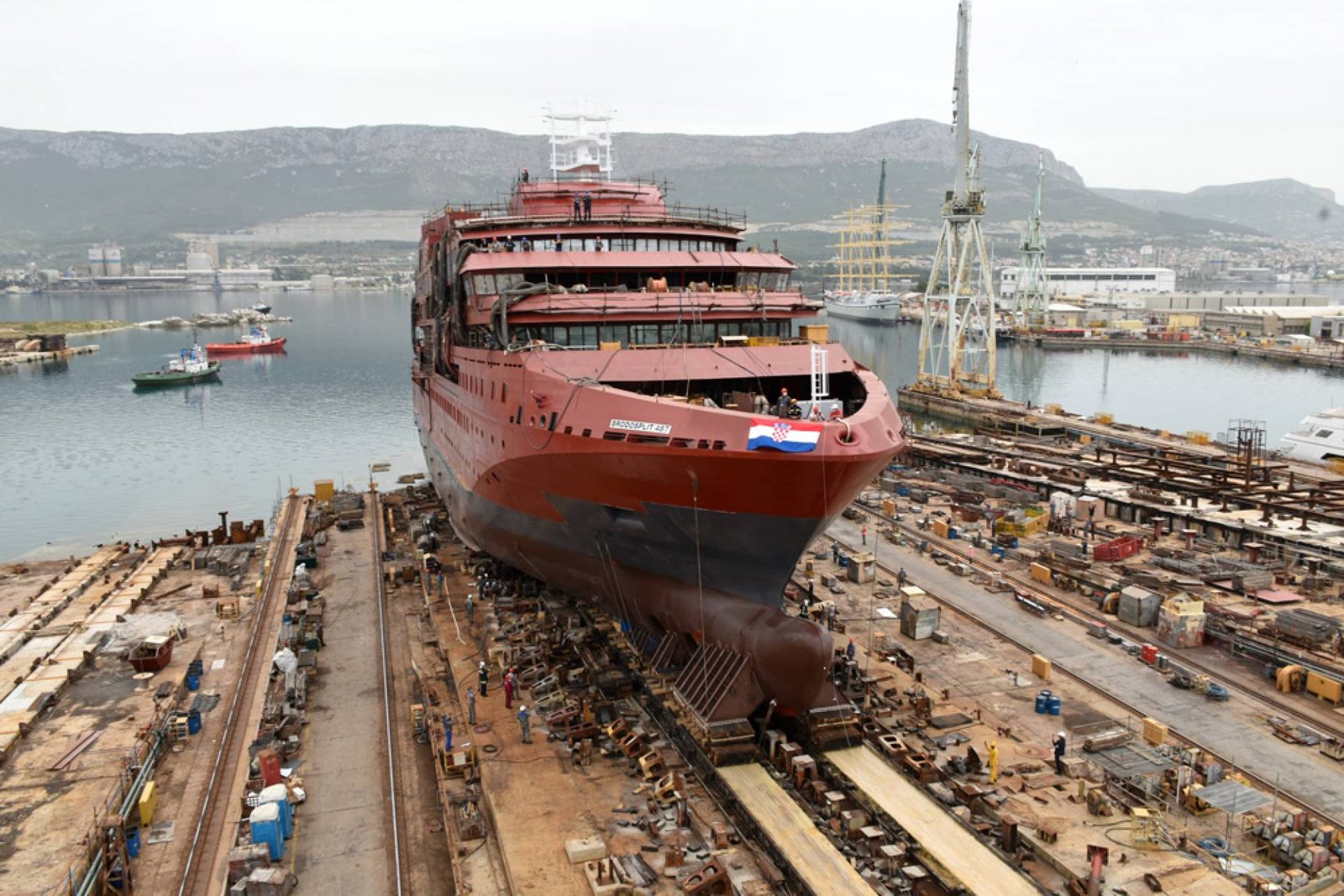
Shipyards such as Brodosplit and MKM Yachts have successfully established lucrative specialties in constructing polar expedition cruise ships and superyachts. This pivot capitalizes on Croatia’s traditional boatbuilding heritage, combining generations of woodworking and structural expertise with cutting-edge composite construction.
Global Standing and Expert Perspectives
Croatia has firmly established itself as a premier destination and creator on the global superyacht map. According to Bloomberg data from August 2021, Croatia ranked sixth globally for the number of megayachts within its borders, trailing only established titans like Italy, the US, Greece, France, and Spain.
Industry experts view this trajectory with immense optimism. Mitja Mirtič, founder and CEO of the premier yacht charter company Goolets, projects that Croatia’s global standing will only rise. “Croatia is already number six in the world in terms of the number of megayachts… I think in five years, it will be number three,” Mirtič noted, emphasizing that post-pandemic travelers are actively seeking the unique, escapist travel experience that the Adriatic provides.
Challenges and the Green Horizon
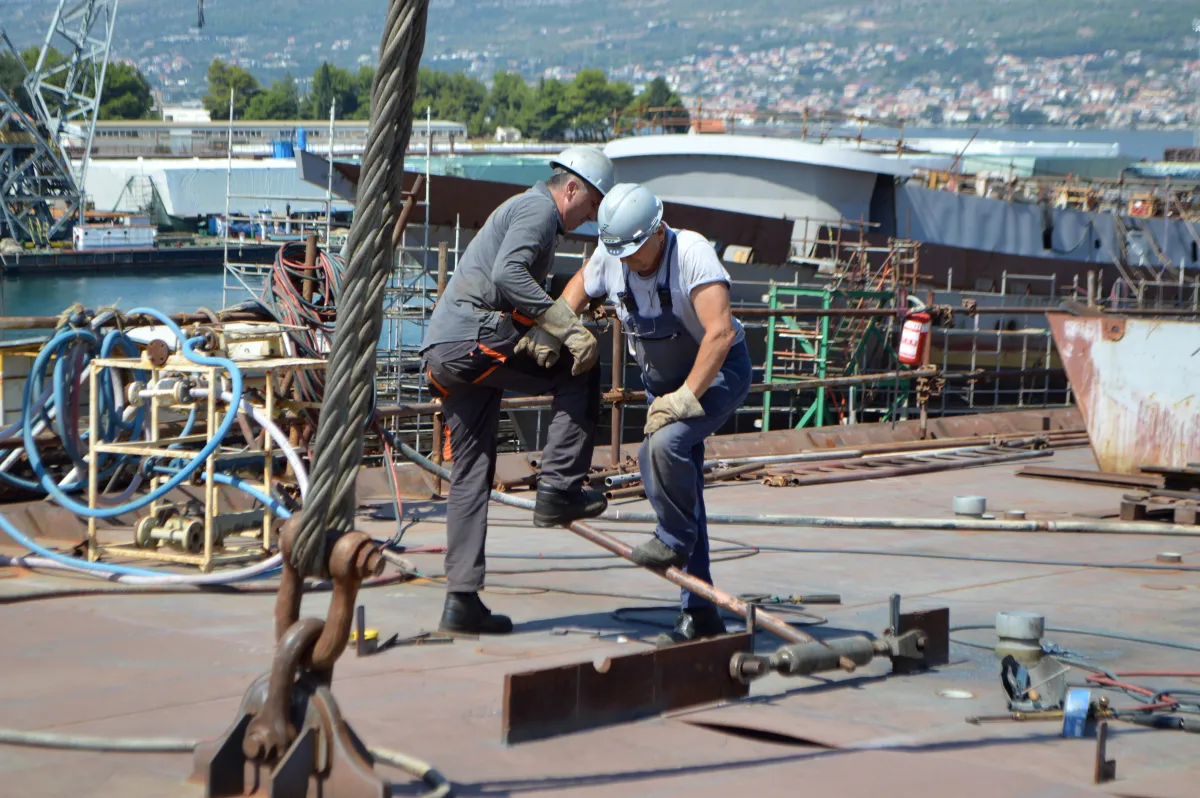
Despite its successes, the sector must navigate significant headwinds. Labor shortages are a critical threat, as highly skilled Croatian naval architects, welders, and engineers are frequently lured away by better-paying opportunities in other EU countries. Furthermore, the industry is constrained by historically low investments in research and development (R&D) and outdated technological infrastructure in some legacy yards.
Regulatory hurdles also pose a threat to specific market niches. For instance, EU regulations introduced in 2021 mandate that any charter yacht accommodating more than 12 guests must feature individual emergency exits for every lower-deck cabin, a structural requirement that experts warn may stifle the construction of high-capacity superyachts.
However, the future of Croatian shipbuilding is increasingly green. Driven by EU environmental policies and global decarbonization trends, Croatian yards are investing in eco-friendly propulsion systems. Notable initiatives include Brodosplit’s development of a zero-emission, three-masted passenger schooner, and a projected pipeline of electrically powered vessels ordered by the national shipowner Jadrolinija.
By marrying its centuries-old maritime craftsmanship with luxury tourism and sustainable green technologies, Croatia’s shipbuilding and yachting sector has proven its resilience, successfully charting a course from an industrial past toward a boutique, high-value future.