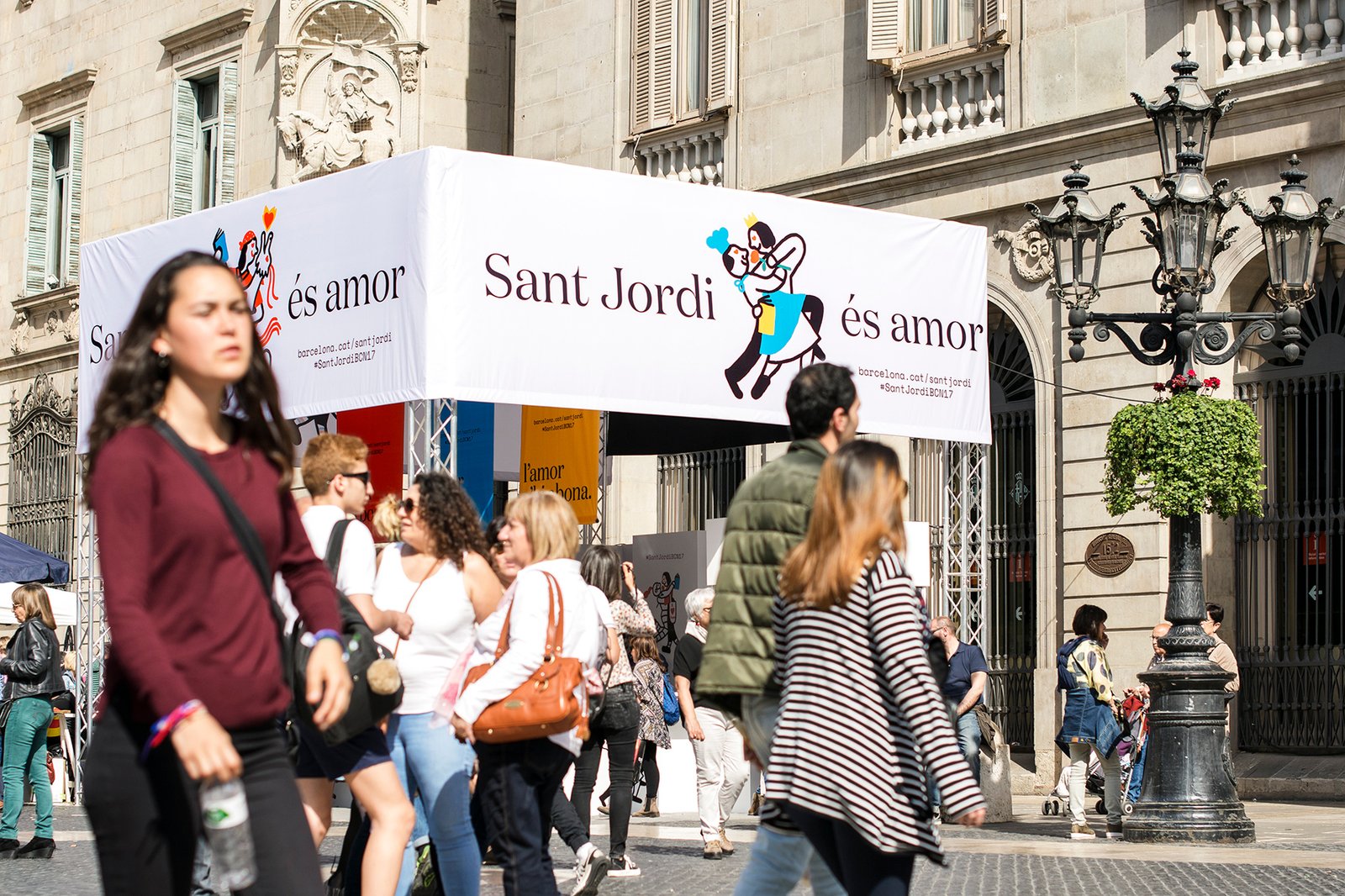

Every April 23rd, the Spanish region of Catalonia transforms into a massive, open-air celebration of romance, literature, and regional identity. Known as La Diada de Sant Jordi (Saint George’s Day), the festival serves as the Catalan equivalent of Valentine’s Day, but with a profoundly civic and cultural dimension. By exchanging books and roses, millions of citizens participate in a tradition that seamlessly weaves medieval mythology with modern economic and cultural activism.
Historical Background: From Martyrdom to Literature
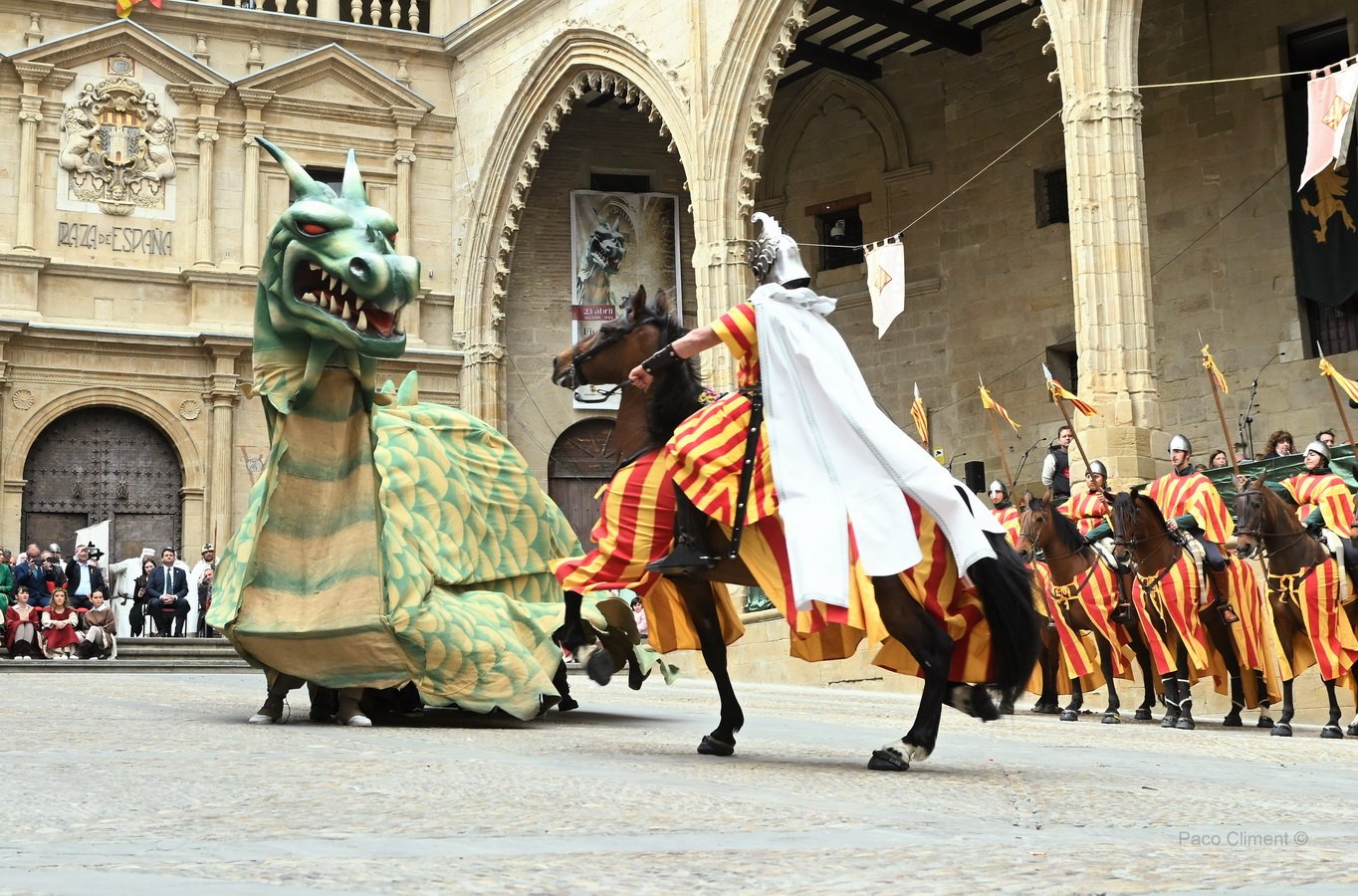
The festival’s origins are a complex amalgamation of history, folklore, and strategic cultural planning. The foundational lore traces back to April 23, 303 AD, the recorded death of a Roman Christian soldier named George. Over centuries, this history morphed into the famous legend of a knight who slew a dragon to save a princess; according to Catalan tradition, a magnificent rose bush sprouted from the slain beast’s blood, prompting the knight to pluck the most beautiful red rose and present it to the princess.
The religious and civic veneration of Saint George in Catalonia dates back to the 11th century, and he was officially declared the patron saint of the region by the Catalan Courts in 1456. Around this same period, a “lovers’ fair” or Rose Fair began taking place at the Palau de la Generalitat in Barcelona, attended primarily by engaged couples and young spouses.
The literary component of the festival is a much more recent addition. In the 1920s, Vicent Clavel, a Valencian writer and publisher based in Barcelona, proposed a dedicated “Book Day” to the Chamber of Books. Originally celebrated on October 7, the date was strategically moved to April 23 in 1931 to coincide with the anniversaries of the deaths of literary titans Miguel de Cervantes and William Shakespeare. This new Book Day naturally merged with the ancient Rose Fair, creating the modern iteration of the festival.
Cultural and Religious Significance
Despite being a regular working day, Sant Jordi is arguably the most fiercely celebrated civic holiday in Catalonia. It functions as a powerful vehicle for Catalan identity and linguistic pride. Throughout the day, the streets are awash in the colors of the Senyera (the Catalan flag), which decorates city balconies and the ribbons binding the gifted roses.
The festival has historically served as an act of cultural resistance. During the dictatorship of Francisco Franco (1936–1975), the celebration was heavily censored, renamed the “Fiesta de las Letras,” and the sale of books in the Catalan language was strictly banned until the late 1940s. Today, the festival remains a vital platform for the promotion and defense of the Catalan language, with dedicated stalls prioritizing Catalan literature. The celebration is so culturally potent that its influence led UNESCO to officially declare April 23 as World Book and Copyright Day in 1995.
Impact on Tourism and the Economy
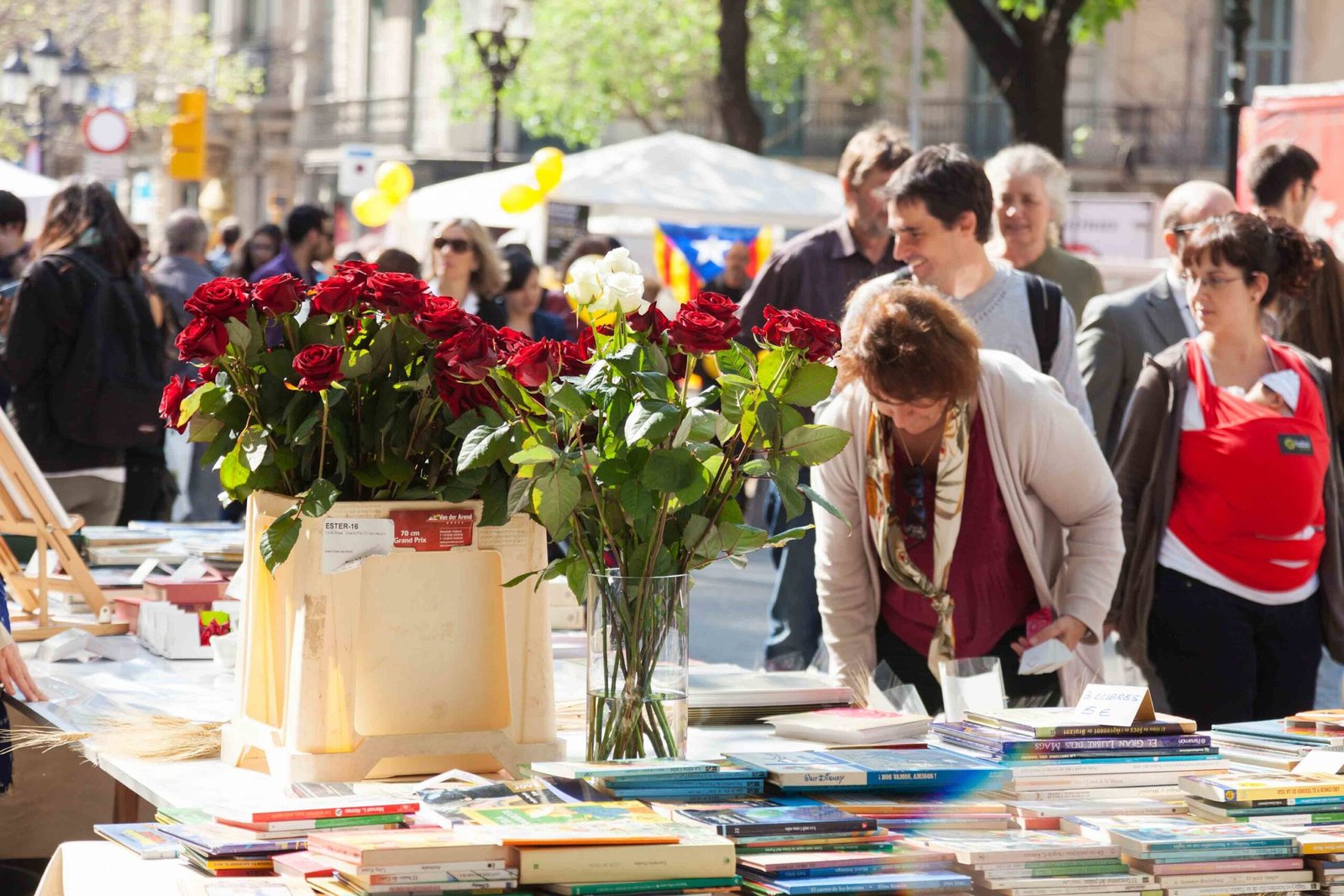
Sant Jordi represents a monumental economic catalyst for the regional publishing and floristry sectors. The day generates intense commercial activity, with recent data showing that approximately 1.5 million books are sold on this single day—accounting for a staggering 8 percent of all annual book sales in Catalonia. Furthermore, over half of these sales are titles published in the Catalan language. The floral industry sees a similar boom, with one-third of the region’s annual rose sales occurring on April 23.
Beyond retail, the festival is a major driver of cultural tourism. The unique atmosphere of a city turned into an open-air bookstore draws massive crowds of domestic and international visitors, heavily benefiting the local hospitality and transportation sectors.
Places to Visit During the Event
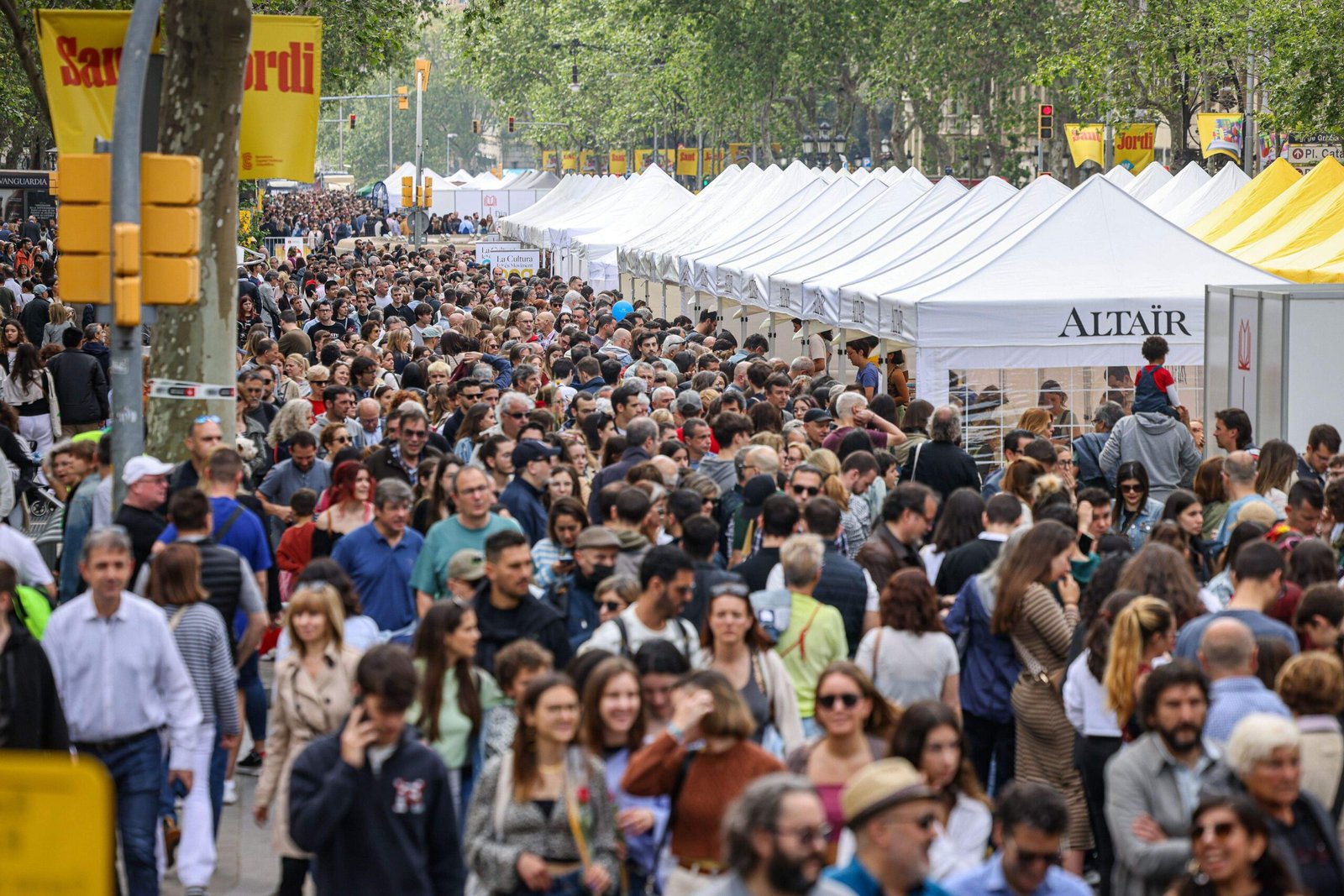
For visitors in Barcelona, the epicenter of the festival is concentrated along major thoroughfares:
- The Streets: La Rambla, Passeig de Gràcia, Passeig de Sant Joan, and Rambla de Catalunya overflow with author signings, book stalls, and florists.
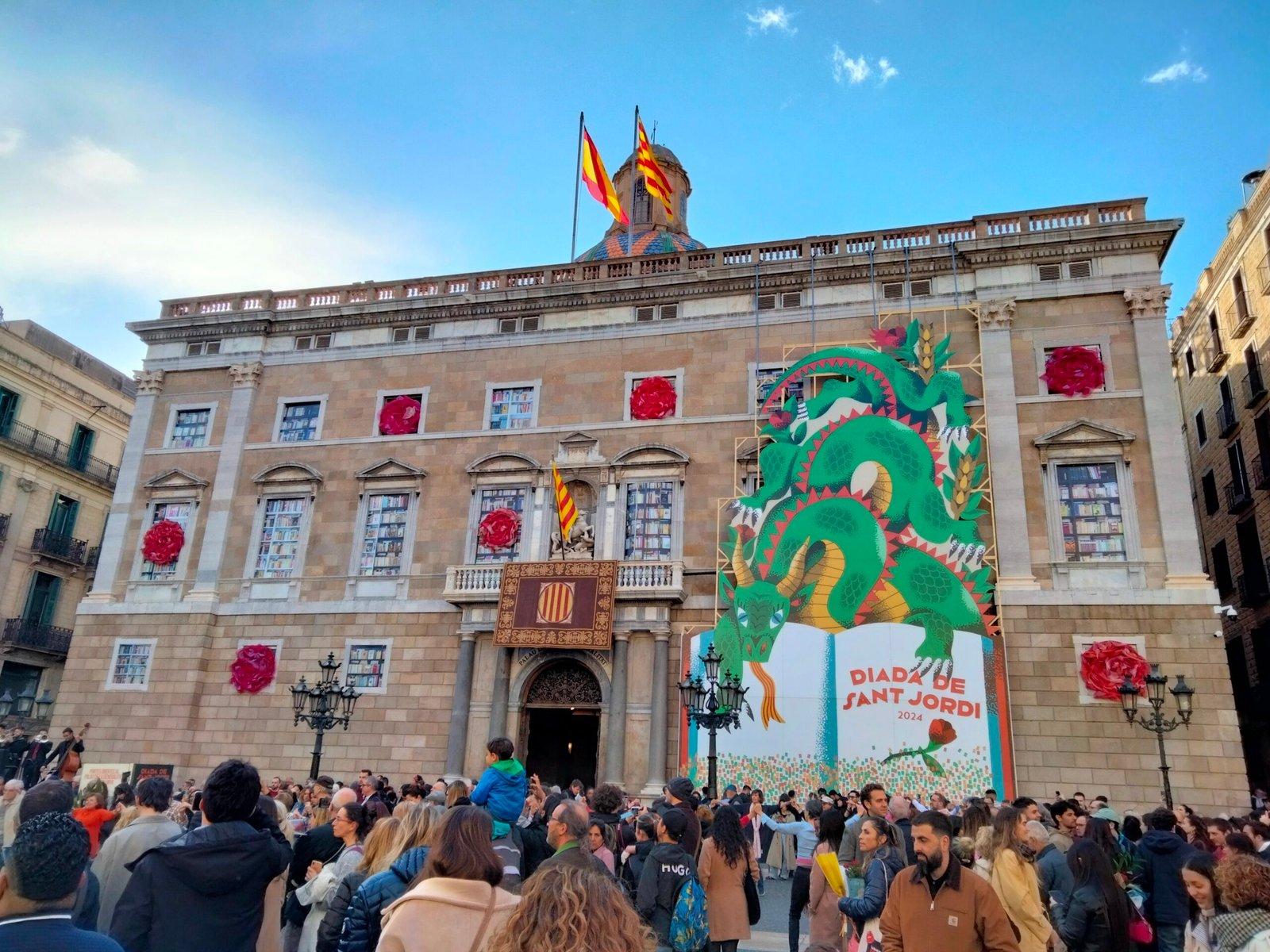
- Civic and Cultural Hubs: Plaça Sant Jaume becomes a focal point for traditional Catalan culture, hosting performances of sardanas (traditional dances) and castells (human towers).
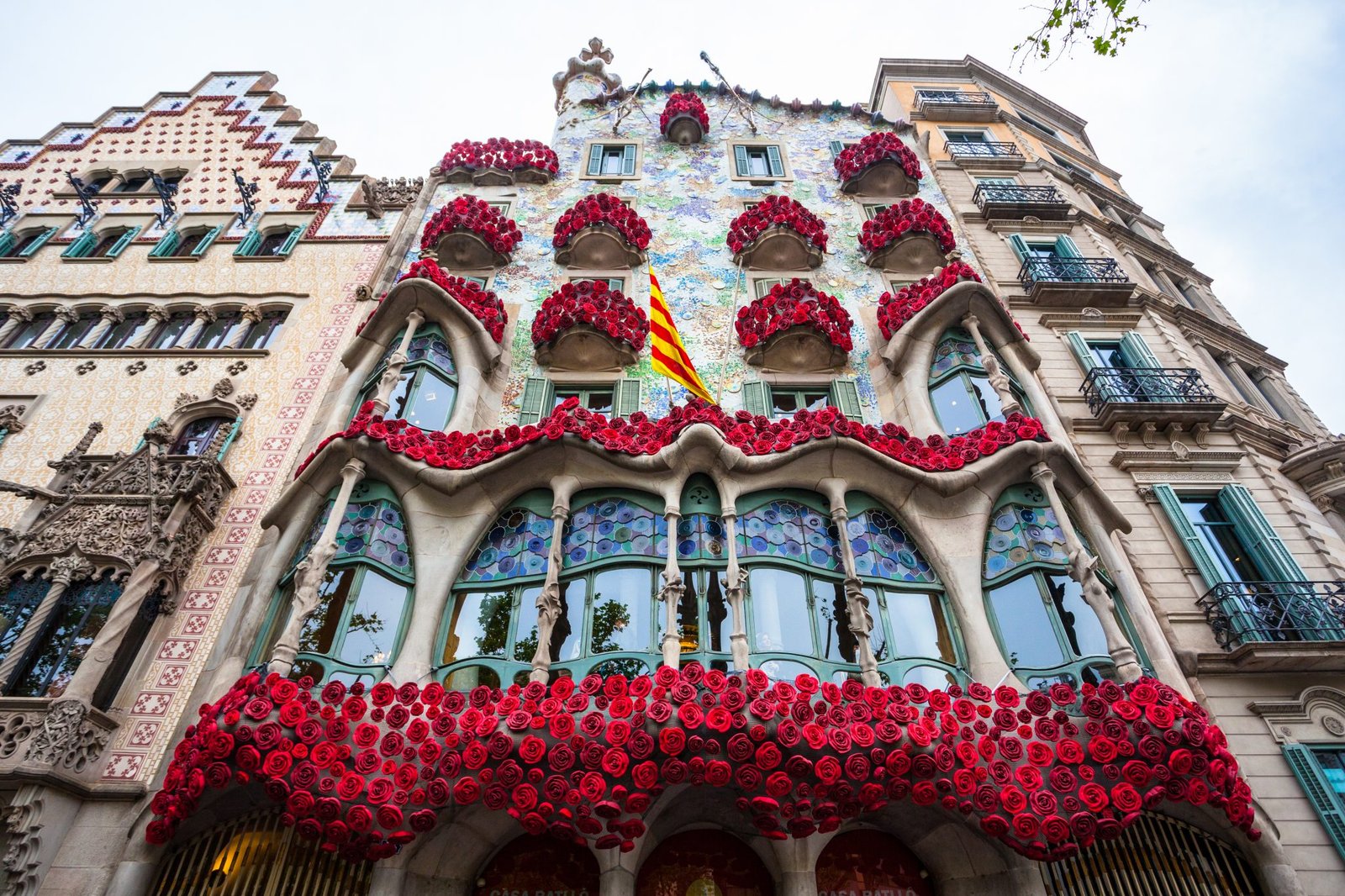
- Architectural Landmarks: Many historic buildings host open days with free tours. Key sites include the Town Hall, the Sant Pau Modernist complex, the Ateneu, and the Palau de la Generalitat, where the interior is adorned with roses blessed by the archbishop. Most notably, tourists flock to Antoni Gaudí’s Casa Batlló, whose very architecture was designed to visually depict the legend of Saint George and the dragon.
Expert Opinions and Contemporary Debates
While widely beloved, the festival is occasionally the subject of political and cultural debate among experts and activists. In 2017, a coalition of publishers, booksellers, and florists launched a formal bid to have UNESCO recognize the Day of Books and Roses as Intangible Cultural Heritage, emphasizing its unique global value.
However, the festival’s deep ties to Catalan nationalism occasionally clash with broader state initiatives. When the Spanish government successfully pushed the United Nations to declare April 23 as Spanish Language Day in 2021, various cultural activists and local media argued this move was a deliberate attempt to dilute the specifically Catalan character of the holiday. In response to concerns over the declining social use of the Catalan language, cultural platforms like Mantinc el català (“I maintain Catalan”) have used the visibility of Sant Jordi to launch campaigns urging citizens to default to Catalan in their daily interactions, proving that the festival remains an active battleground for linguistic preservation.