
The Crucible of the Clay Court
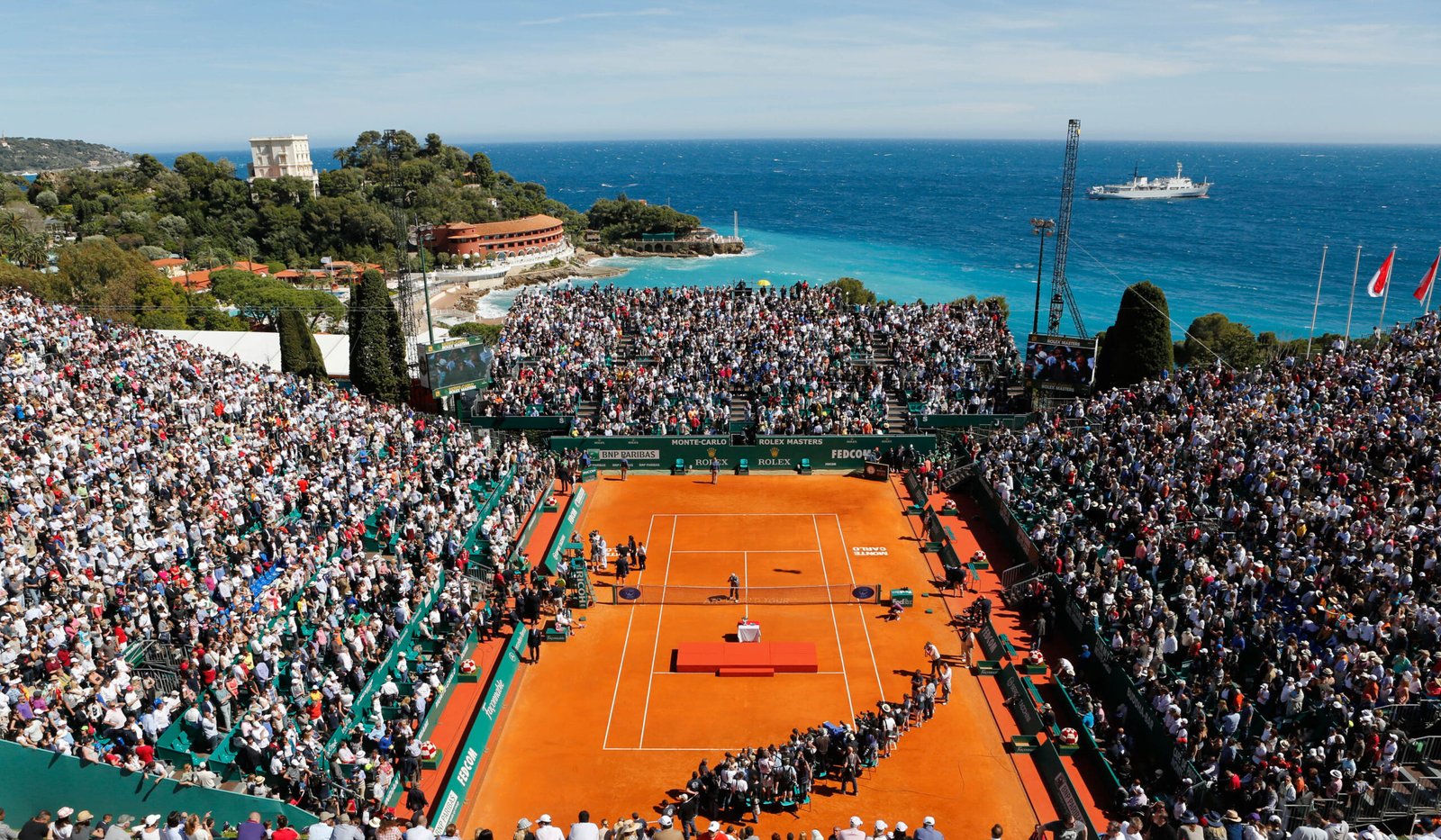
Within the professional tennis ecosystem, Monte-Carlo represents a critical strategic pivot. It marks the abrupt and demanding transition from the North American hard courts to the grueling intricacies of European clay. This surface demands immense physical endurance, defensive mastery, and tactical patience, serving as the ultimate proving ground ahead of the French Open. The 2026 tournament definitively cemented the transition between tennis epochs. With legendary figures who previously dominated the dirt stepping aside, the event officially served as the coronation ground for the sport’s next dominant generation.
Historic Milestones and Emotional Farewells
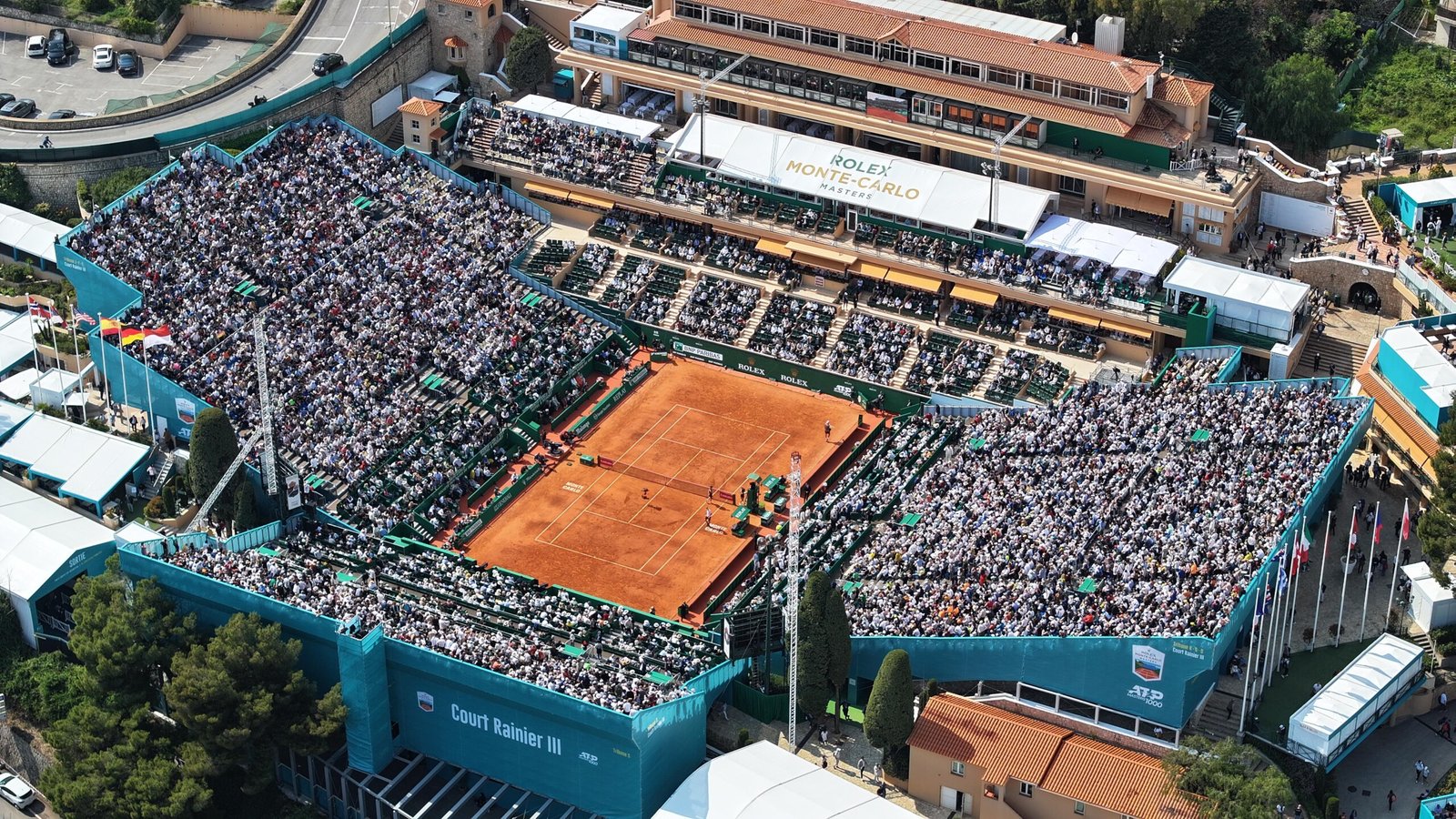
The cultural magnetism of this year’s event was quantified by an unprecedented milestone, as the tournament completely sold out every available ticket from the qualifying rounds through to the final. Tournament Director David Massey highlighted that this level of attendance was an “unbeatable” record, underscoring the surging global interest in the sport’s emerging rivalries. The passionate crowds were treated to spectacular breakthrough performances, most notably the unexpected run of Valentin Vacherot, who thrilled spectators by advancing to the semi-finals after overcoming highly ranked established competitors like Lorenzo Musetti and Alex de Minaur.
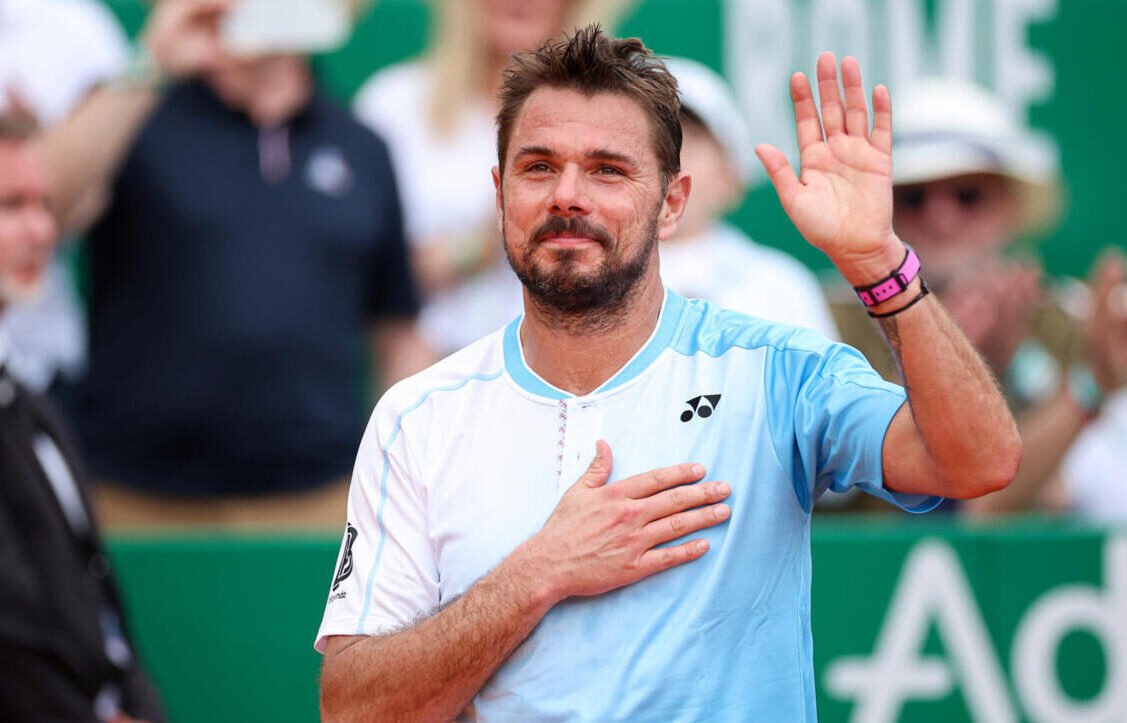
The week also provided a poignant stage for the final appearances of veteran entertainers and former champions, including Stan Wawrinka and Gael Monfils. Their matches allowed the public to express profound gratitude for their decades of contributions, highlighting the unifying and emotional power of the sport as a shared cultural experience before they step away from professional play.
The Coronation of a New King: Tournament Results
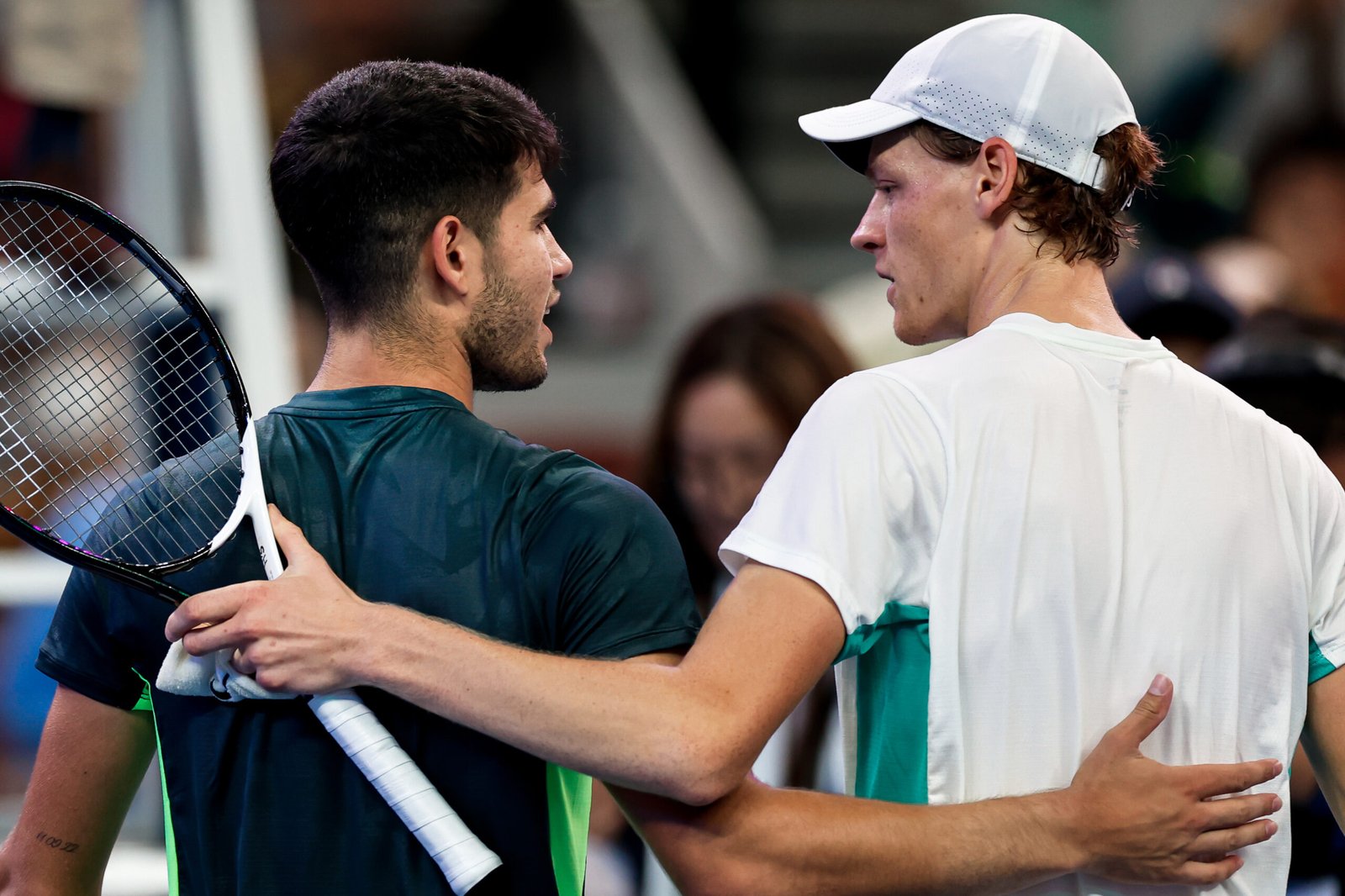
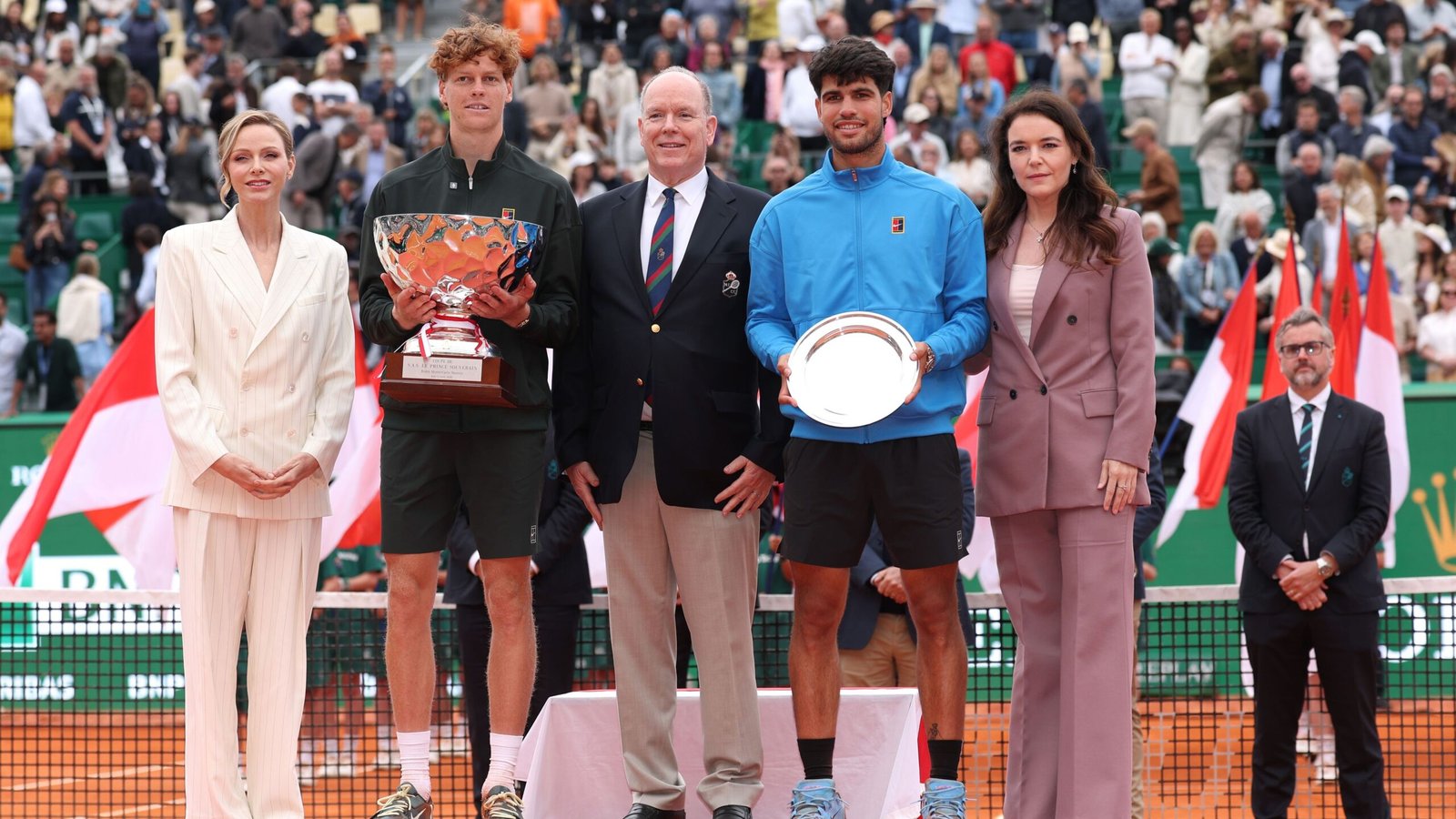
The climax of the week delivered a monumental showdown between Jannik Sinner and Carlos Alcaraz, the two defining figures of the contemporary era. Navigating swirling winds and tricky conditions on Court Rainier III, Sinner delivered a masterclass in baseline consistency and tactical serving. After a closely contested first set decided by a tie-break where flawless first serves proved decisive, the tension escalated in the second set. Despite facing a resilient opponent who initially secured a break of serve with spectacular crosscourt passing shots, the Italian maintained his composure to reclaim the momentum. Ultimately emerging victorious with a 7-6(5), 6-3 straight-sets triumph, Sinner avenged a previous high-stakes loss to his rival on clay and secured his first career title at the prestigious Monaco tournament.
Voices from the Court: Post-Match Reflections
Following his historic victory, Jannik Sinner expressed profound satisfaction with his breakthrough on the dirt. “We came here just trying to get as many matches as possible. I’m very happy to win one big trophy on this surface, which I hadn’t done before,” Sinner stated. He also acknowledged the emotional weight of his achievement, noting that “getting back to No. 1 means a lot” and highlighting how special it was to win a tournament where he could sleep at home.
Carlos Alcaraz was characteristically candid about his performance, admitting, “I didn’t play well” during the most crucial moments of the match, specifically pointing to missed opportunities on break points and a poor performance in the first-set tie-break. Both athletes acknowledged the difficult, breezy conditions that complicated the final, with Alcaraz noting the tricky, swirling winds that forced tactical adjustments. Despite the loss, Alcaraz praised Sinner’s baseline dominance and sent a warning to the rest of the tour, stating that Sinner’s level on clay is “going to be really, really dangerous for everybody”. Looking ahead, Alcaraz reaffirmed his commitment to competing throughout the European spring, stating, “The main goal is to play the full clay season calendar”.
Tactical Evolution and the New Era
Tennis experts and analysts viewed the 2026 Monte-Carlo Masters as a definitive shift in the sport’s landscape. With the impending end of the era dominated by Novak Djokovic, Rafael Nadal, and Roger Federer, analysts confirm that the sport has officially found its next generation, revolving squarely around the Sinner-Alcaraz rivalry.
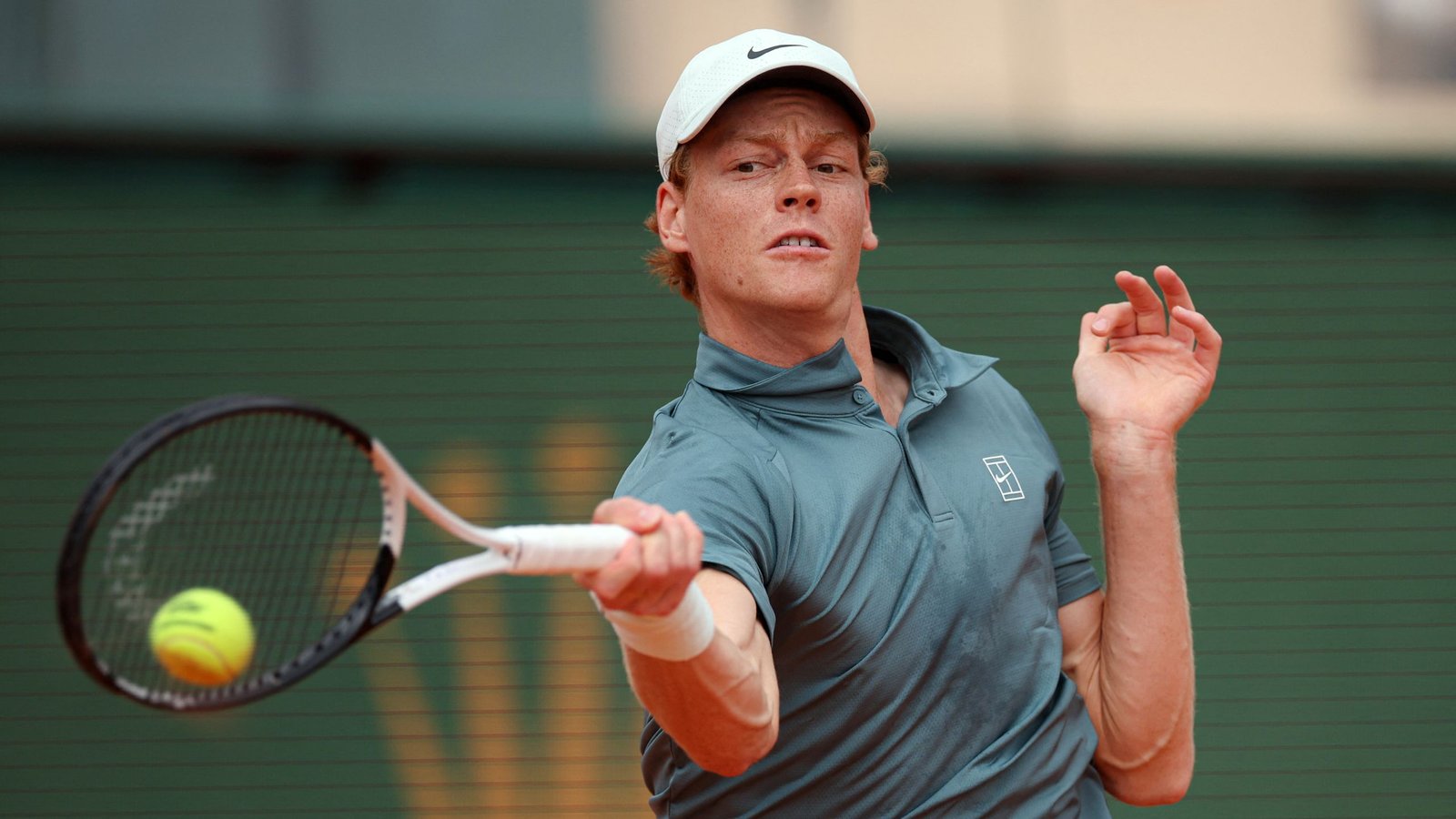
From a technical perspective, Sinner’s coach, Simone Vagnozzi, provided insight into the specific adjustments that led to the championship. Vagnozzi detailed how the team utilized a short preparation window to adapt Sinner’s game to the dirt, focusing heavily on sliding movements, adding spin to open court angles, and incorporating strategic drop shots. This focused tactical evolution paid immediate dividends. As Vagnozzi noted, “After the first two matches, he started to feel his game better… more dropshots, more variation with the height of the ball, with the serve”. Ultimately, experts agree that Sinner’s ability to seamlessly adapt his hard-court dominance to the demanding clay surface underscores a widening gulf between him, Alcaraz, and the rest of the ATP Tour.
This triumph represents a feat of historic proportions. By claiming the title, Sinner achieved a rare sweep of the season’s first three elite-level Masters 1000 events—a milestone untouched since 2015. As the circuit progresses deeper into the European spring, the 2026 Rolex Monte-Carlo Masters will be remembered not just for its flawless execution and sold-out stadiums, but as the definitive moment when a new, uncontested ruler of the clay-court season was officially crowned.