
Historical Roots and the Origins of Penance
The modern structure of Semana Santa traces its origins back to the 16th century when Spanish Catholic confraternities (cofradías) began organizing public processions. These brotherhoods, which are open to men and women of all ages today, form the backbone of the event.
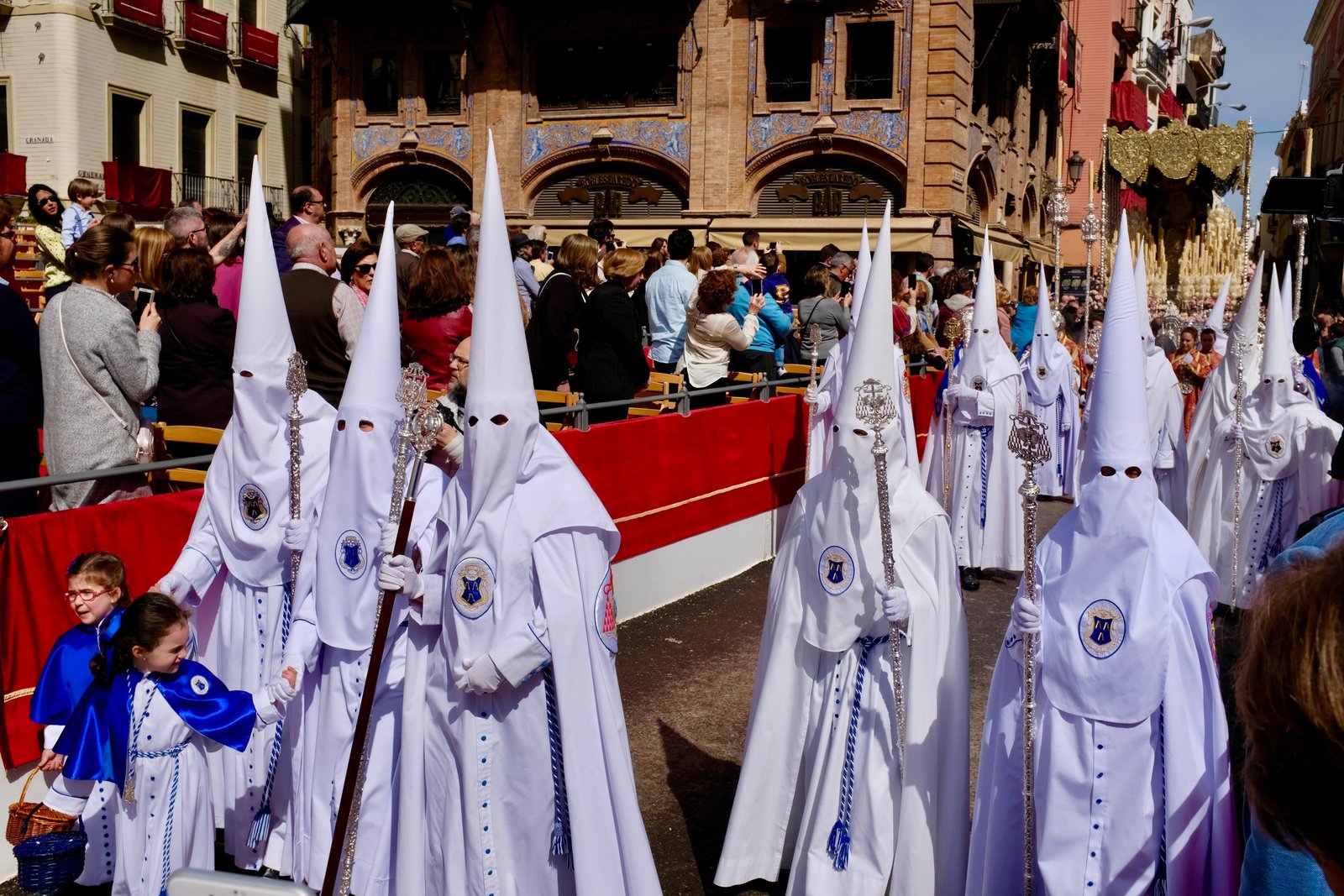
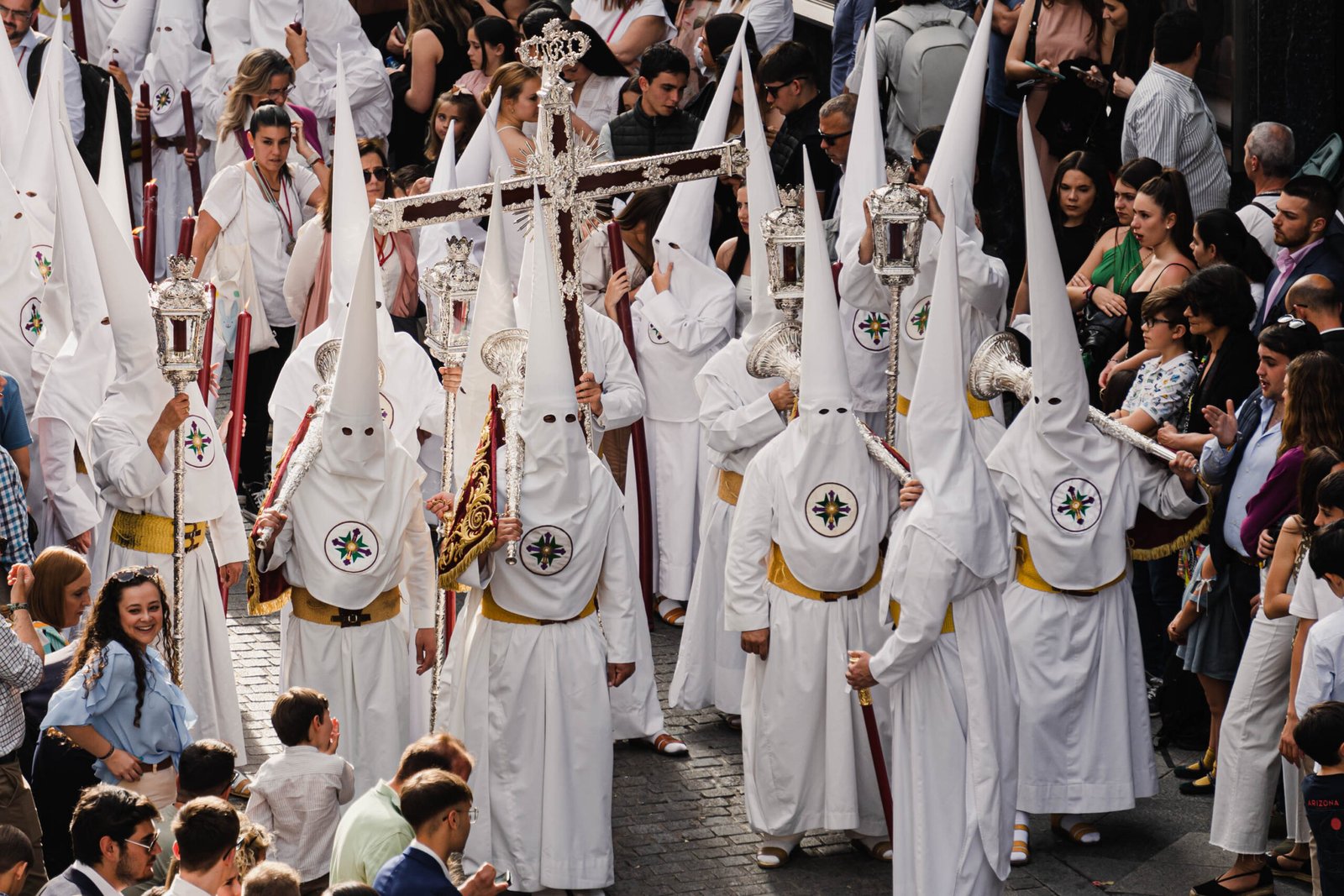
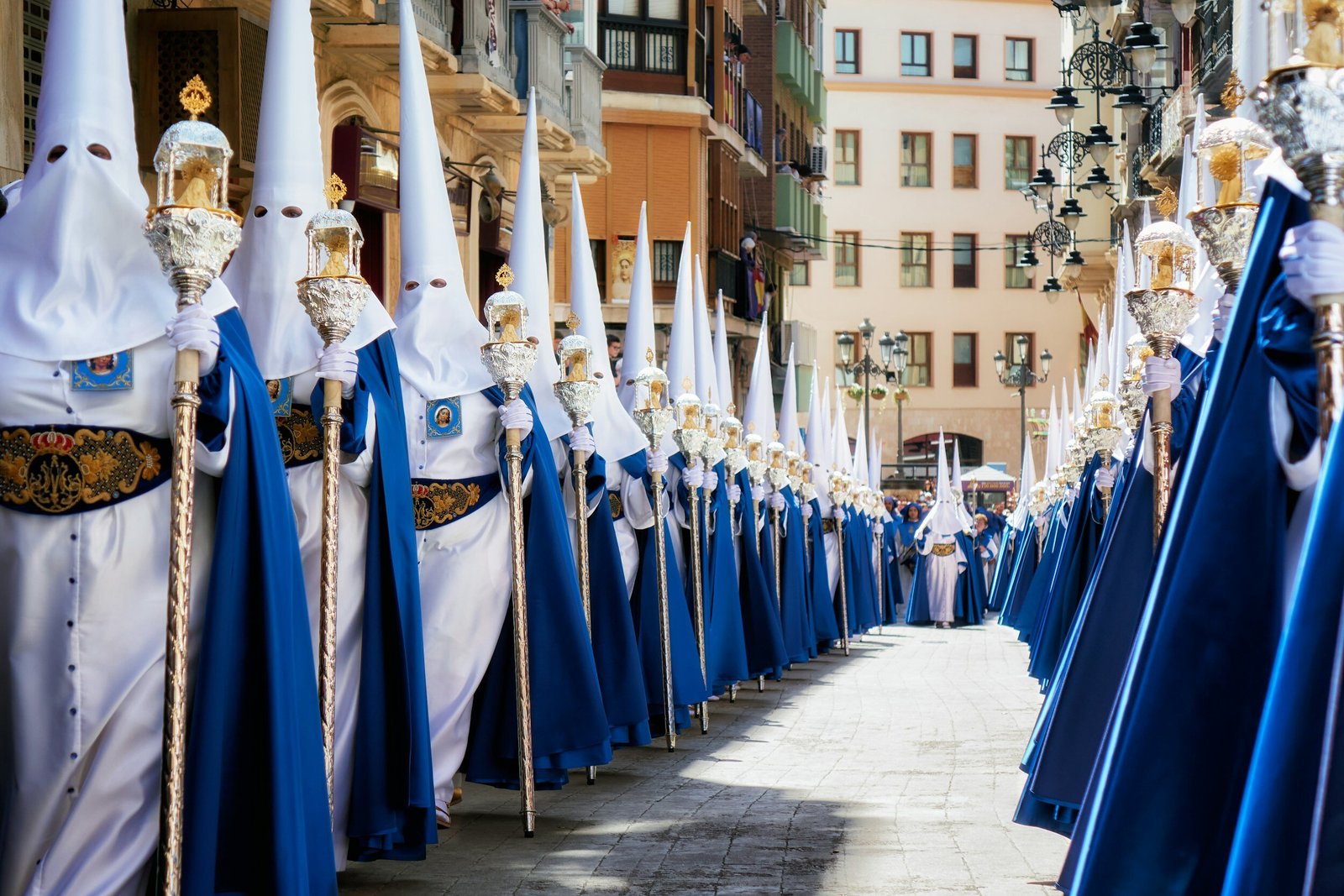
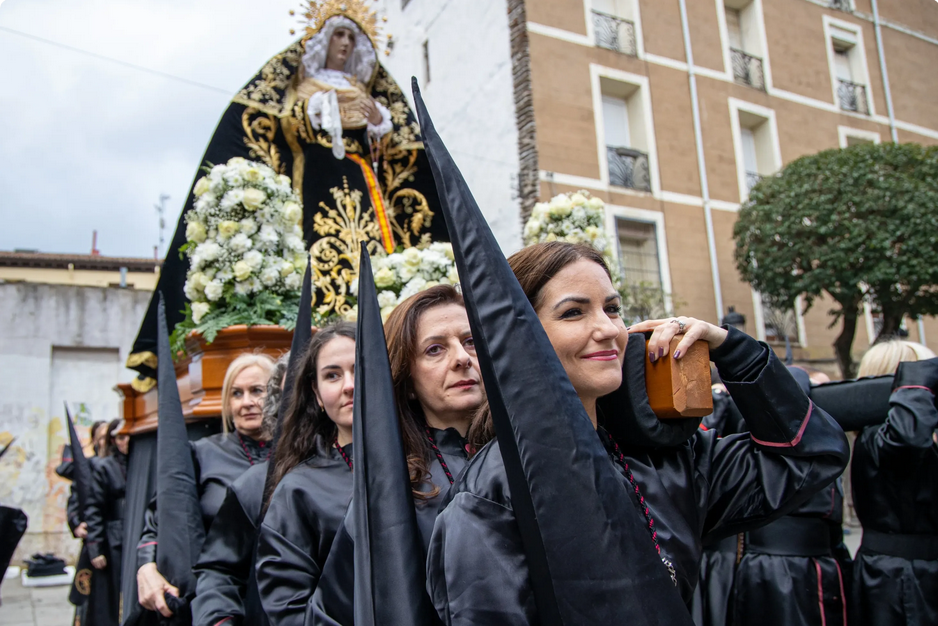
The visual hallmark of the festival is the nazareno (penitent), dressed in a tunic, cape, and a distinctive pointed hood (capirote). While this regalia might be startling to uninitiated international observers, its history is deeply tied to Spanish heritage. The pointed hoods were originally inspired by garments used to publicly shame sinners during the Spanish Inquisition. Over centuries, this symbol of disgrace was reclaimed by devotees, who now willingly wear the hoods to symbolize anonymity, penitence, and a desire to draw closer to God.
Religious Significance and Cultural Evolution
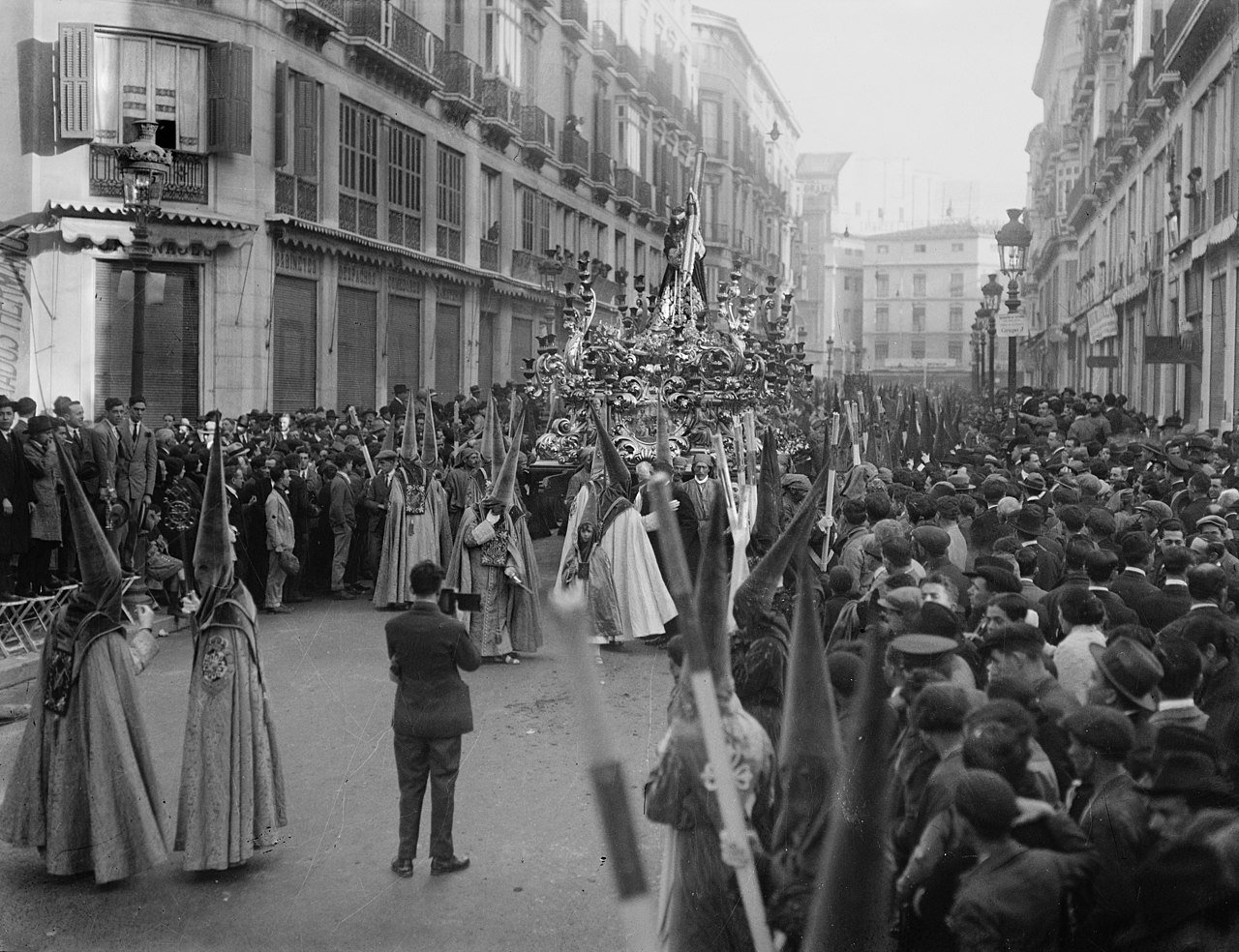
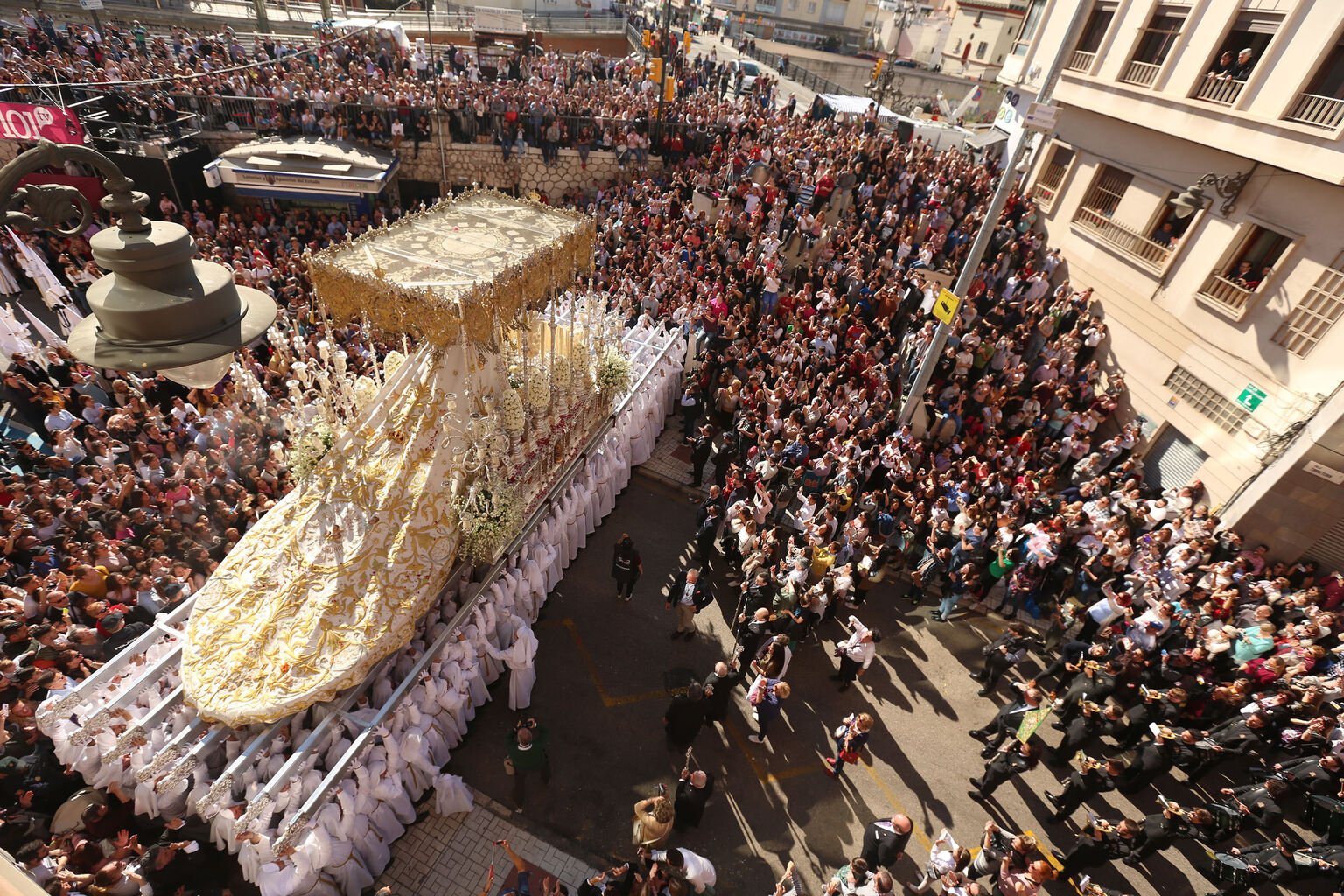
At its core, Semana Santa is a period of spiritual renewal and reflection. The festival’s physical manifestations are its pasos or tronos—immense wooden floats, some over a century old, bearing beautifully carved statues of Christ and the Virgin Mary. These floats weigh thousands of pounds and are carried through narrow cobblestone streets by teams of men working in shifts beneath the platforms.
Culturally, the event unites pageantry and devotion in a way that deeply moves even non-religious Spaniards. This emotional climax is often articulated through the saeta, an improvised, passionate, a cappella flamenco song dedicated to the statues as they pass beneath city balconies.
Analytically, the 2026 celebrations highlighted a shifting social dynamic within the traditions. The event saw a surge in diverse participation, notably the strengthening roles of women and youth. In Logroño, for instance, a defining moment of the 2026 processions featured twenty women carrying the image of the Virgen de Nuestra Señora del Rosario. Similarly, schools like Colegio El Buen Pastor in Seville organized their own processions, proving that the heritage remains vibrant among younger generations.
The Economic Engine of Heritage Tourism
Beyond its spiritual value, Semana Santa acts as a massive economic catalyst. The festival is a major driver of domestic and international tourism, drawing hundreds of thousands of visitors who flood city centers. In hubs like Seville, hotels reported near-full occupancy, bringing a vital surge of revenue to local restaurants, artisans, and hospitality sectors.
The economic footprint of the week is also tied to seasonal gastronomy. Bakeries across the country thrive by selling traditional Easter delicacies like torrijas (thick bread soaked in honey, milk, and spices, then fried) and pestiños (honey-glazed fritters). Ultimately, the tourist influx reshapes urban infrastructure, demonstrating how religious holidays can actively sustain local economies.
A Geographic Guide to the 2026 Celebrations
The beauty of Semana Santa lies in its regional diversity. Each city offered a distinct interpretation of the Passion this year:
- Seville and Málaga (Andalusia): Seville was the epicenter of the spectacle, with 61 brotherhoods navigating the city to the Gothic cathedral, featuring iconic processions like the Virgen Macarena. Málaga was known for its sheer scale, boasting massive thrones on Calle Larios and the famous Maundy Thursday procession where Spanish Legionnaires disembarked to carry the Cristo de la Buena Muerte.
- Zamora and León (Castile and León): These cities were defined by their solemnity and antiquity. Zamora’s traditions date back to the 13th century and prioritize austerity and silence. A notable exception was its 5:00 AM “Drunken Procession,” where thousands of brothers distributed caramelized almonds to the crowds.
- Murcia: Offering a stark contrast to the somber northern cities, Murcia’s celebrations were colorful and lively. Nazarenes wore vibrant tunics and carried large bags to hand out sweets, biscuits, and hard-boiled eggs to onlookers.
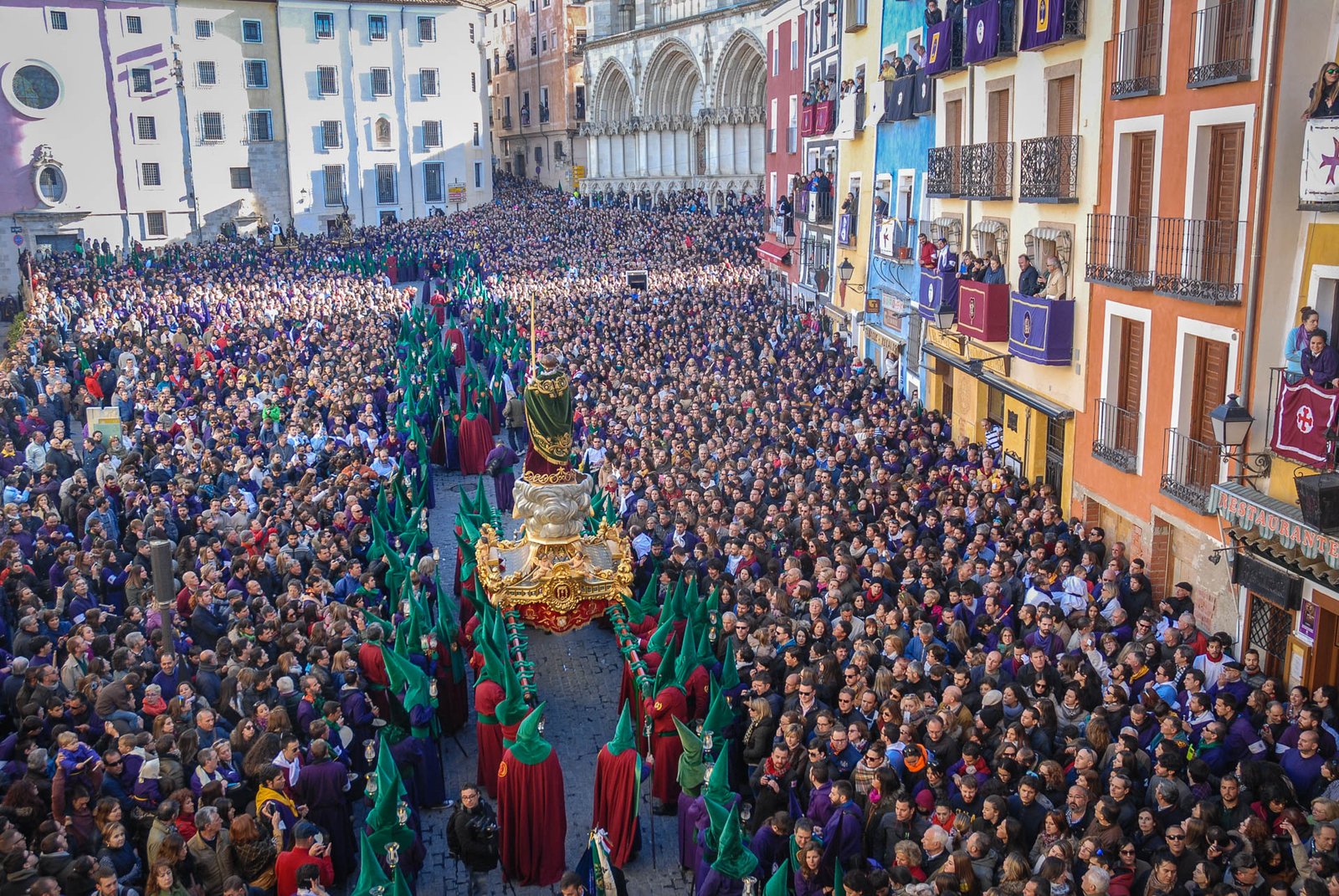
- Cuenca: This UNESCO-protected city leveraged its unique geography. Over 30,000 people participated in processions that navigated the city’s steep hills, narrow streets, and famous “hanging houses” (casas colgadas).
Expert Perspectives on a Living Tradition
Heritage professionals recognize Semana Santa as a masterclass in preserving intangible cultural history. Dr. Carmen López, a historian specializing in Spanish religious traditions, notes: “Semana Santa is a unique blend of devotion, artistry, and communal identity. Each procession is not merely a display, but a story told through centuries of craftsmanship and ritual.”
This preservation is made possible by the symbiotic relationship between faith and modern travel. As tourism consultant Javier Martínez explains: “The festival illustrates how heritage tourism can coexist with religious tradition. Visitors experience authentic culture while contributing to local economies, ensuring the sustainability of these centuries-old practices.”
Ultimately, Semana Santa 2026 proved that Spain’s Holy Week is not a static relic of the past, but a living, breathing cultural infrastructure. It seamlessly merged 16th-century penance with modern tourism, ensuring that the rhythm of the drums and the scent of incense will continue to define the Spanish spring for generations to come.