The Incident and the Security Imperative
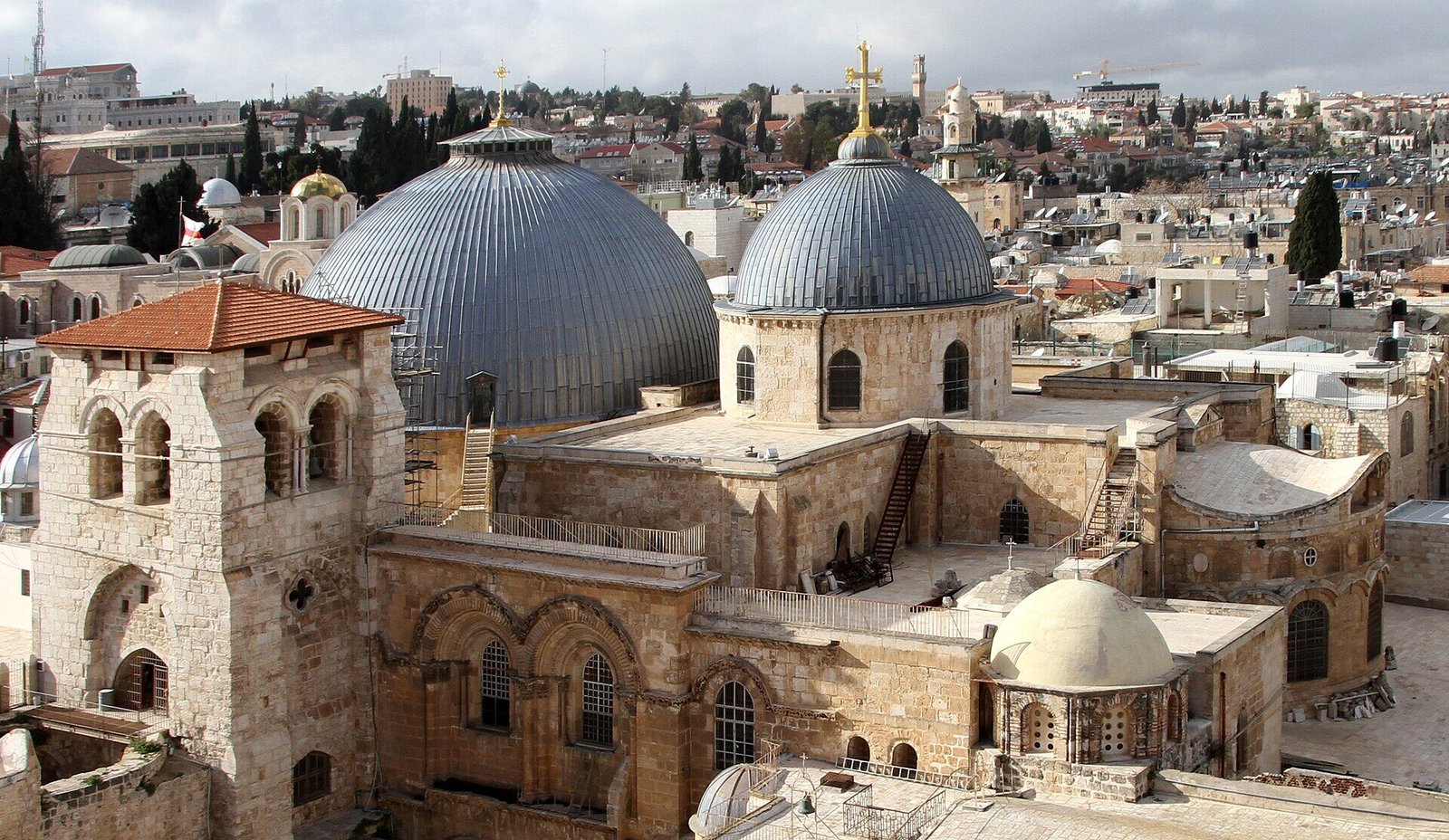
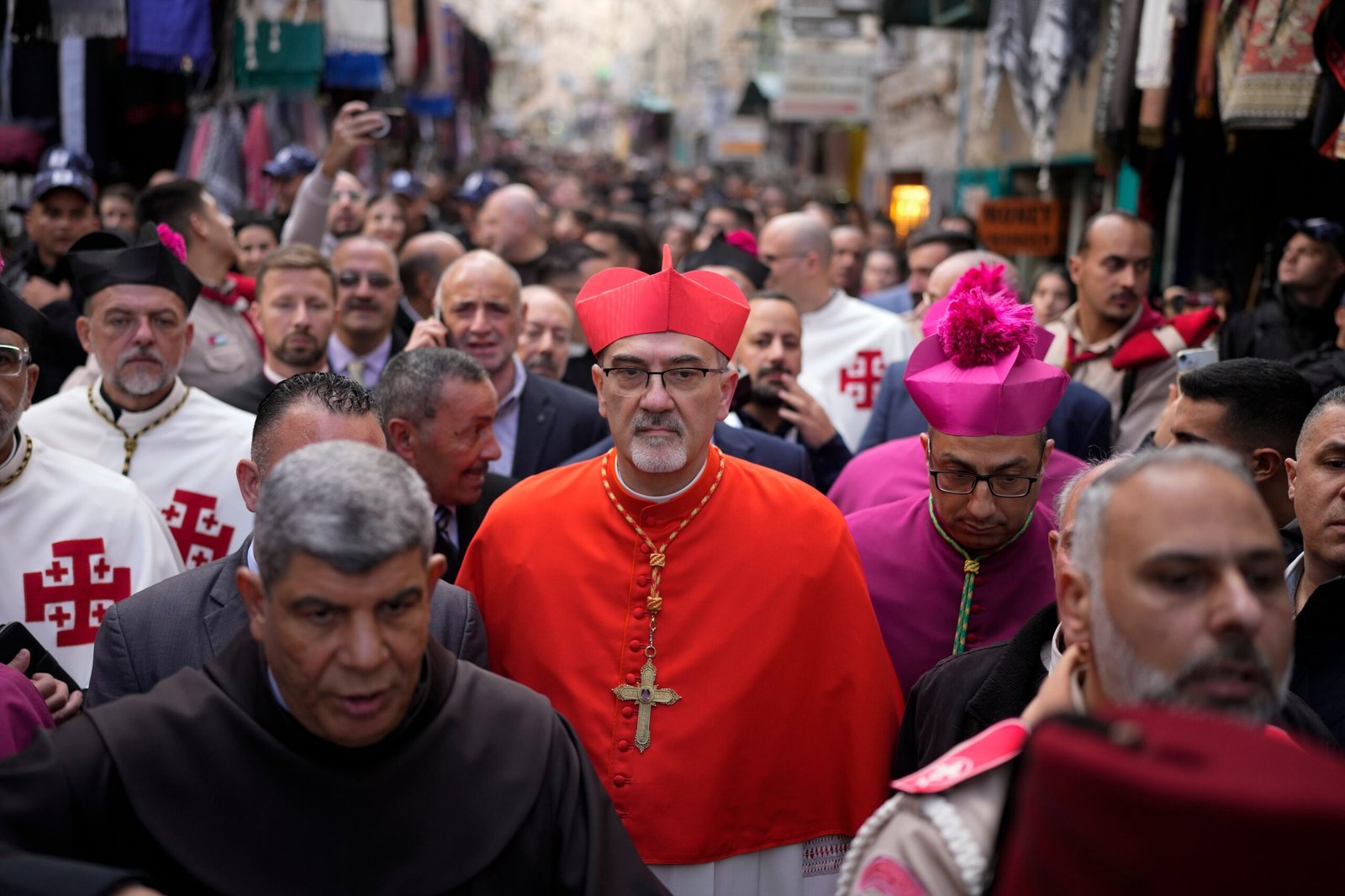
The crisis unfolded when Cardinal Pierbattista Pizzaballa, the head of the Catholic Church in the Holy Land, and the Reverend Francesco Ielpo were stopped by Israeli police outside the Church of the Holy Sepulchre. The clerics were traveling privately to celebrate Mass marking the start of Holy Week.
Israeli authorities justified the blockade by citing severe security concerns amid the ongoing war with Iran. Officials pointed to the risk of Iranian ballistic missile strikes, noting that missile and interceptor fragments had been found near the church just days prior on March 16. Police also highlighted the logistical dangers of the Old City, arguing that its narrow alleys lack adequate shelter and prevent access for large emergency and rescue vehicles in the event of a mass casualty incident.
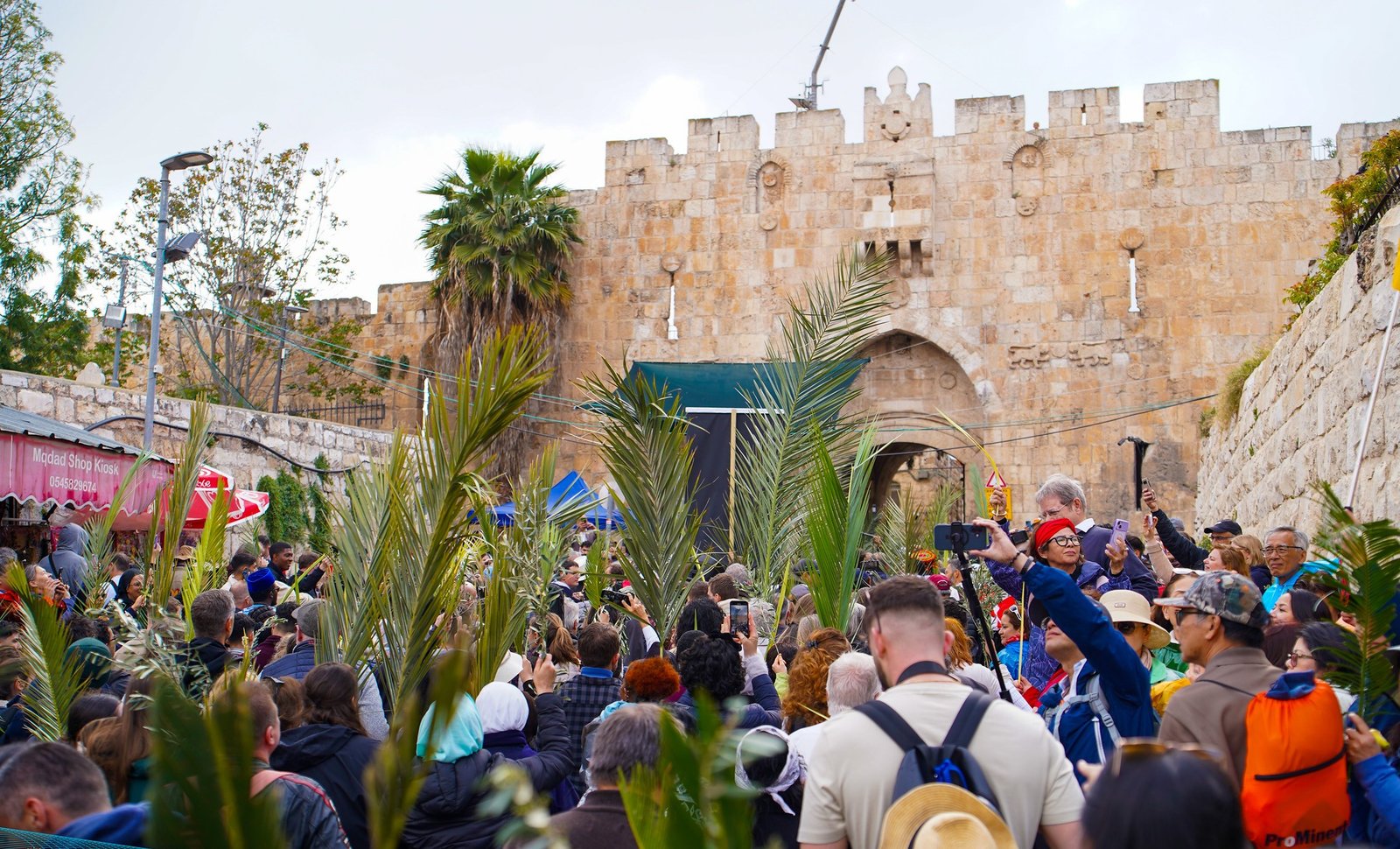
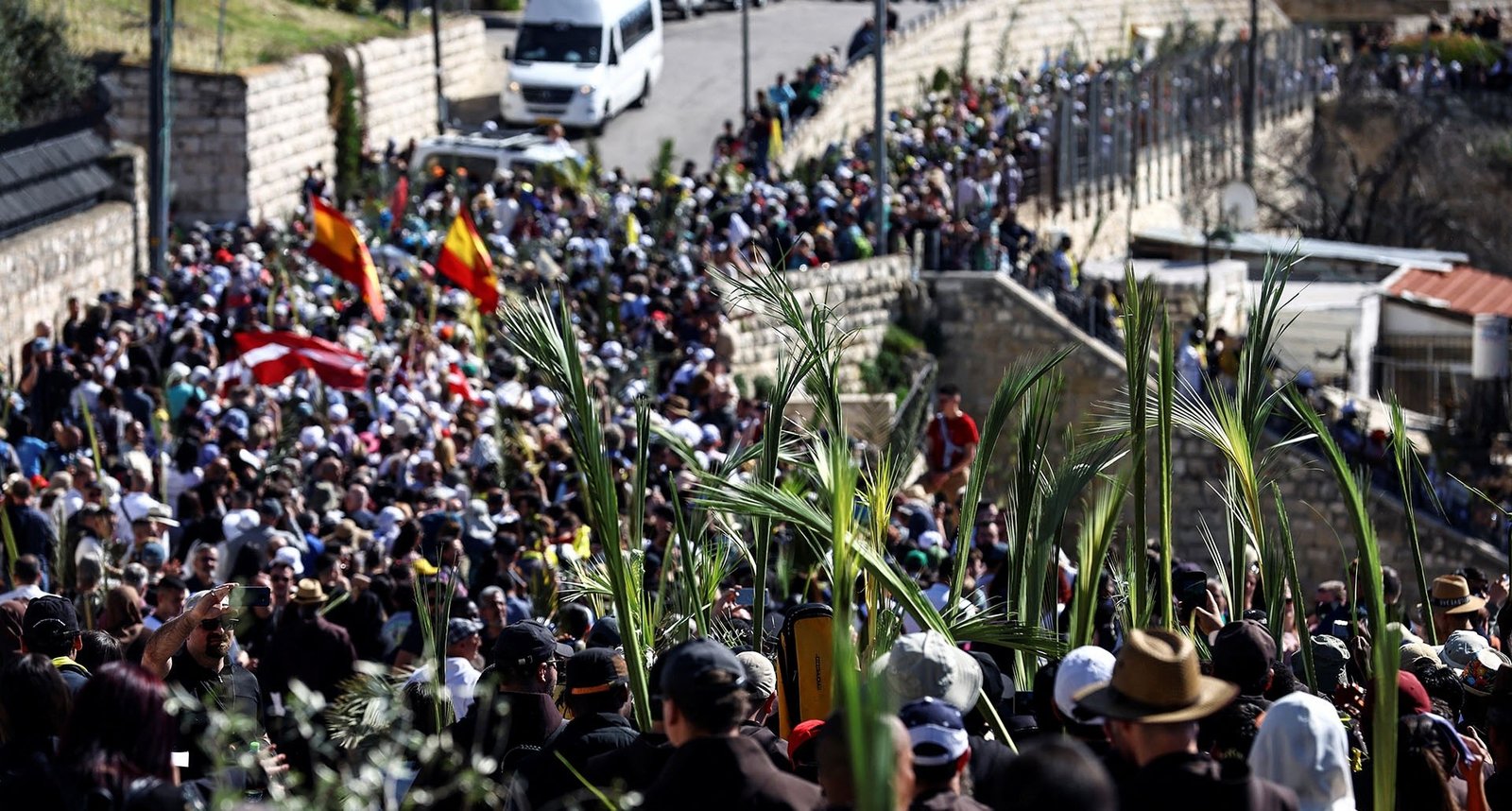
Despite these security justifications, the Latin Patriarchate fiercely condemned the move. The Church called the restriction a “manifestly unreasonable and grossly disproportionate measure” and warned that it set a “grave precedent” that disregarded the sensibilities of Christians worldwide. While the traditional large-scale Palm Sunday procession from the Mount of Olives had already been canceled by the Patriarchate in compliance with wartime restrictions on public gatherings, church officials argued there was no justification for barring a private, limited-attendance ceremony.
International Backlash and Diplomatic Resolution
The incident rapidly escalated from a local policing decision into an international diplomatic crisis, drawing the ire of several Western nations.
- Italy: Italian Prime Minister Giorgia Meloni condemned the police action as an “offence not only against believers but against every community that recognises religious freedom”. In a swift diplomatic maneuver, Italian Foreign Minister Antonio Tajani summoned Israel’s ambassador to Rome to demand clarification.
Spain: Spanish Prime Minister Pedro Sanchez denounced the blockade as an unjustified attack on religious freedom, stating that coexistence is impossible without tolerance.
- France and the U.S.: French President Emmanuel Macron condemned the restriction, citing a “worrying increase in violations of the status of the Holy Places”. U.S. Ambassador Mike Huckabee echoed this sentiment, calling the barring of the Patriarch “difficult to understand or justify” and an “unfortunate overreach”.
- The Vatican: Pope Leo XIV paid tribute to Middle Eastern Christians suffering through the conflict, noting that many could not fully participate in the holy rites.
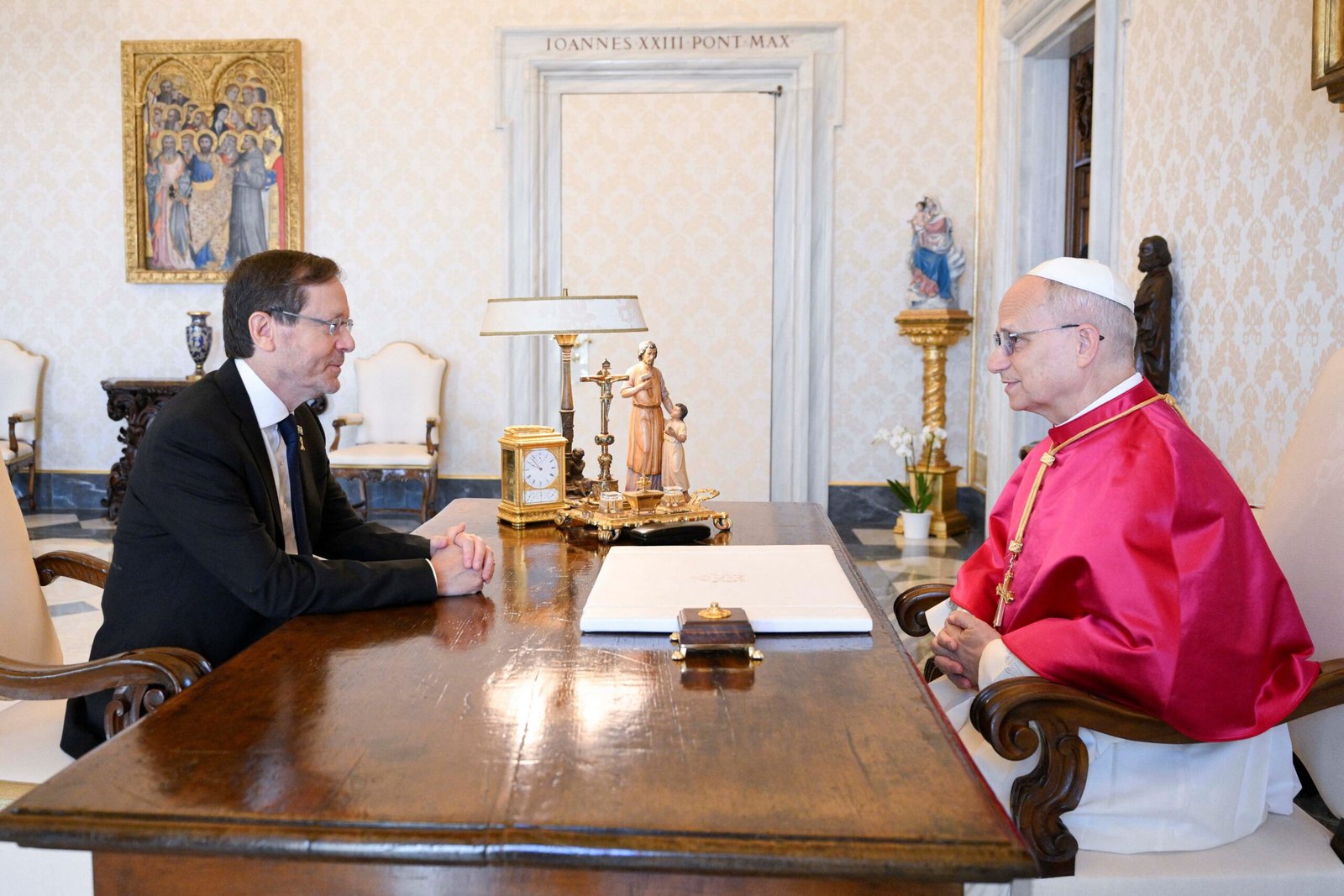
Following the intense global backlash, Israeli Prime Minister Benjamin Netanyahu intervened to defuse the situation. Netanyahu stated there was “no malicious intent whatsoever” behind the police’s decision and announced that he had instructed authorities to grant the Latin Patriarch “full and immediate access” to the site. Cardinal Pizzaballa’s office later expressed gratitude to Israel’s President Isaac Herzog for his intervention in resolving the matter.
Historical Background: A Structural Friction
To understand the gravity of the Palm Sunday crisis, it must be viewed through the lens of history. The relationship between the Catholic Church and political authorities in the Holy Land has been fraught for centuries, as control over sacred sites in Jerusalem has been fiercely contested by empires, religions, and modern nation-states.
In the modern era, the establishment of the State of Israel in 1948 added a new layer of complexity. The Vatican initially hesitated to formally recognize Israel due to unresolved questions regarding Palestinian displacement and the legal status of Jerusalem. Although the 1993 “Fundamental Agreement” formalized diplomatic relations, it left many core issues unresolved, including the control of holy sites and the economic and legal status of Church property.
At its core, the friction is structural. It stems from a fundamental mismatch of priorities: while the nation-state prioritizes sovereignty and security, the Church prioritizes moral authority and universal access to sacred spaces. Furthermore, the Vatican’s unique position as both a religious institution and a sovereign entity inevitably leads to diplomatic clashes with other governments. Cardinals in Jerusalem, acting as both spiritual leaders and de facto diplomatic intermediaries, frequently find themselves at the center of these political controversies.
Future Implications for Israel-Vatican-Europe Relations
The Palm Sunday incident exposes the extreme fragility of religious freedom in conflict zones and carries significant implications for future diplomatic relations.
First, it highlights the role of European nations—particularly Italy and Spain—as informal defenders of Catholic interests. By swiftly intervening, these nations demonstrated that local disputes over holy sites will immediately be internationalized and treated as major diplomatic concerns.
Second, the crisis threatens to further strain the “frosty” relationship between Israel and the Vatican. Disputes over the protection of Christian minorities, clerical political activity, and humanitarian concerns are likely to persist and complicate bilateral ties.
Ultimately, the blockade of the Holy Sepulchre serves as a reminder that in Jerusalem, religious sites are never merely physical locations. The conflict over access is an ongoing intersection of history, faith, and power—a dynamic that will continue to shape the geopolitical landscape of the Middle East and its relationship with the Western world in profound and unpredictable ways.