
The Technological Edge: Beyond Photovoltaics
To understand the significance of Noor Ouarzazate, one must understand the technology driving it. While standard photovoltaic (PV) panels simply convert sunlight directly into electricity, Concentrated Solar Power (CSP) captures the sun’s thermal energy.
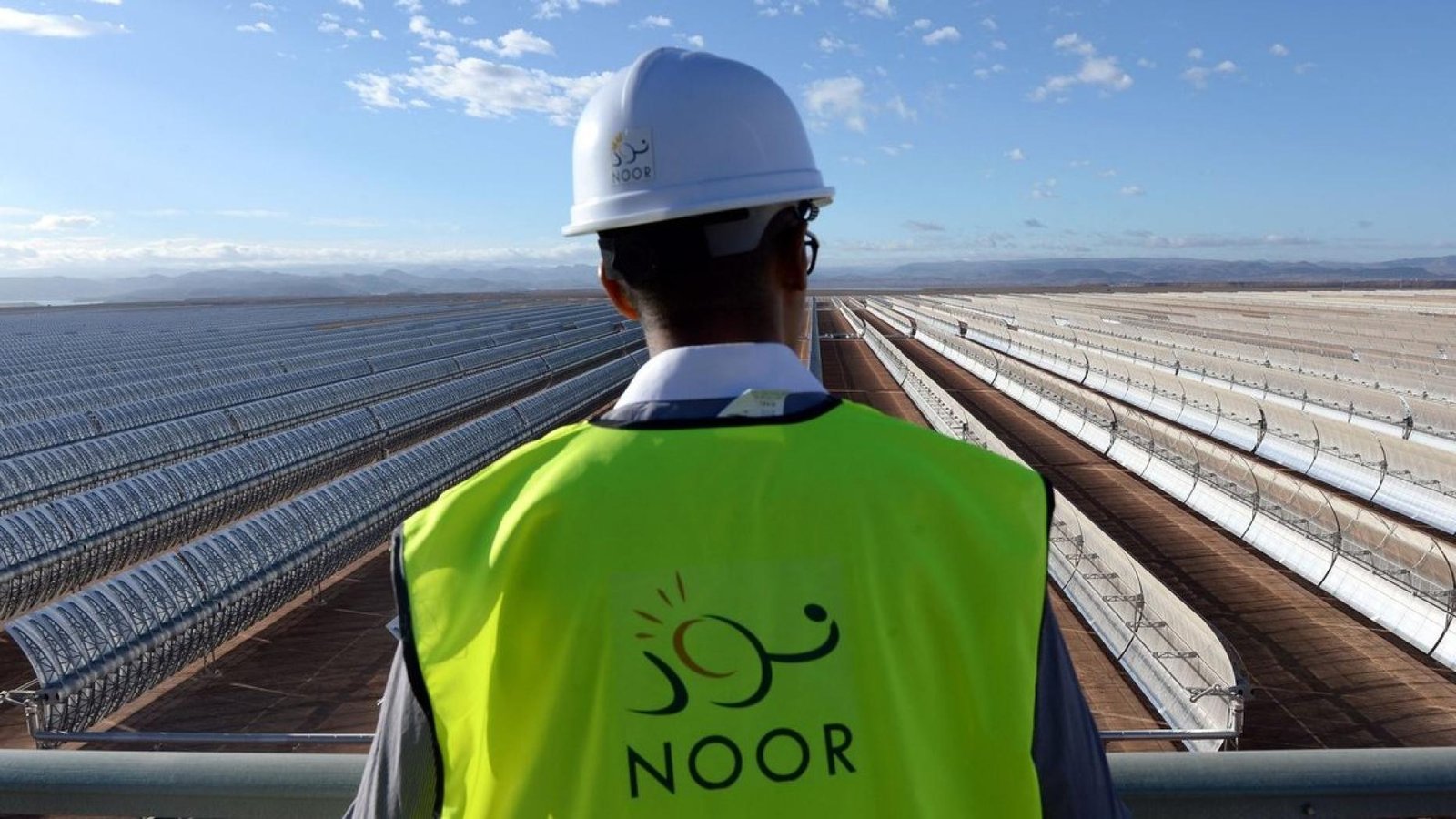
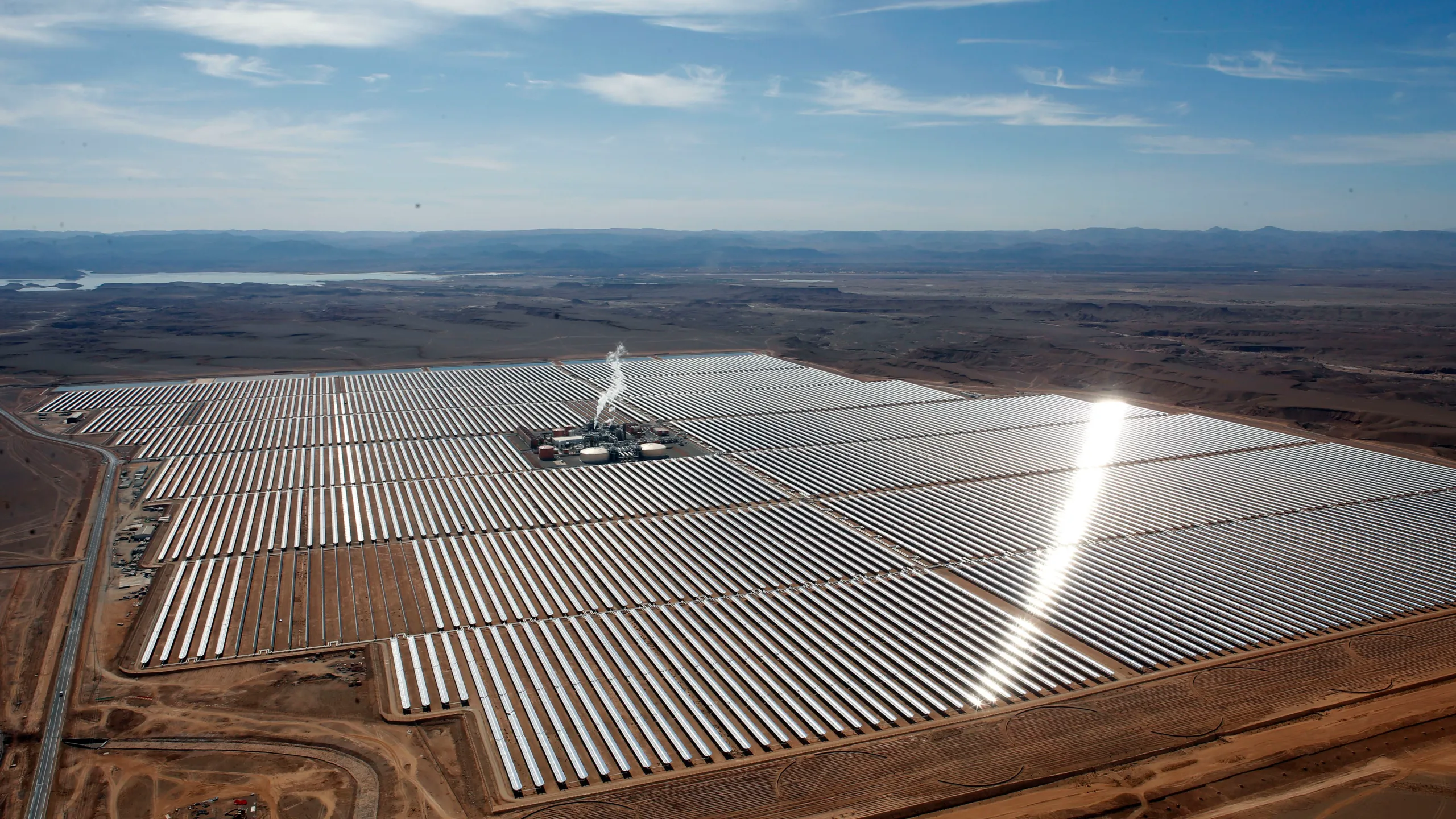
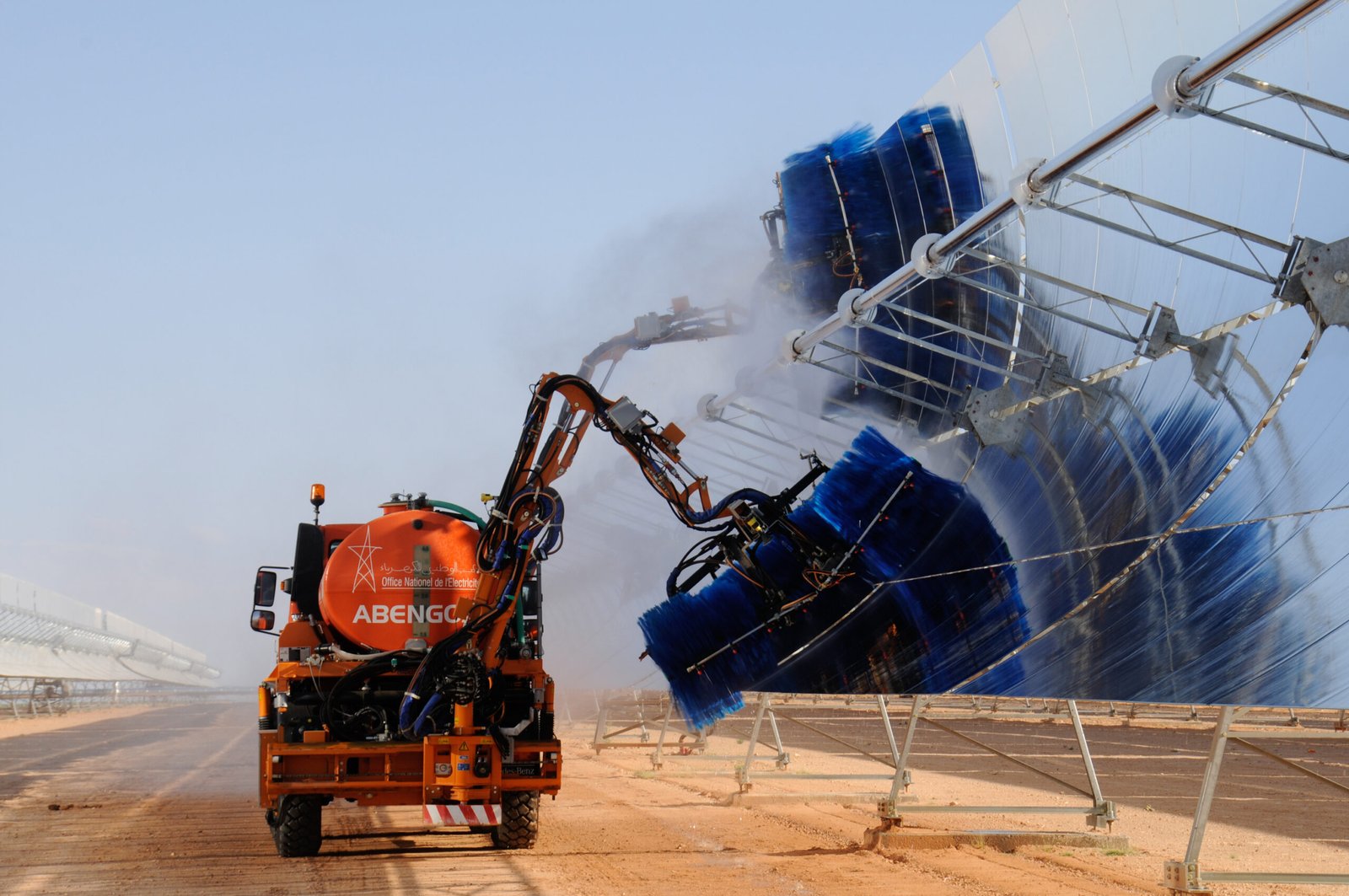
The facility utilizes hundreds of thousands of massive, curved mirrors—parabolic troughs—that track the sun like a giant field of sunflowers. These mirrors focus sunlight onto a network of pipes filled with synthetic oil, heating it to scorching temperatures of up to 350°C (662°F). This superheated oil produces high-pressure water vapor that drives turbine generators.
The true strategic advantage of CSP, however, is storage. The plant stores excess thermal energy in reservoirs of molten salts made of sodium and potassium nitrates. This allows the facility to continue generating electricity for up to eight hours after the sun sets, perfectly aligning with peak evening energy demands. This capability is so highly regarded that even China—the world’s undisputed leader in solar PV manufacturing—sent a 30-member delegation to Morocco to study the CSP technology firsthand.
Phased Evolution and Financial Architecture
The development of the Noor complex was meticulously phased under a build, own, operate, and transfer (BOOT) model developed by ACWA Power Ouarzazate alongside the Moroccan Agency for Solar Energy (Masen):
- Phase 1 (Noor I): Commissioned in February 2016, this 160 MW CSP plant provides three hours of energy storage. Financed heavily by the African Development Bank (AfDB) at an estimated cost of €500 million, it set the baseline for the project.
- Phase 2 (Noor II): Commissioned in 2018, this 200 MW CSP plant expanded storage capabilities to seven hours.
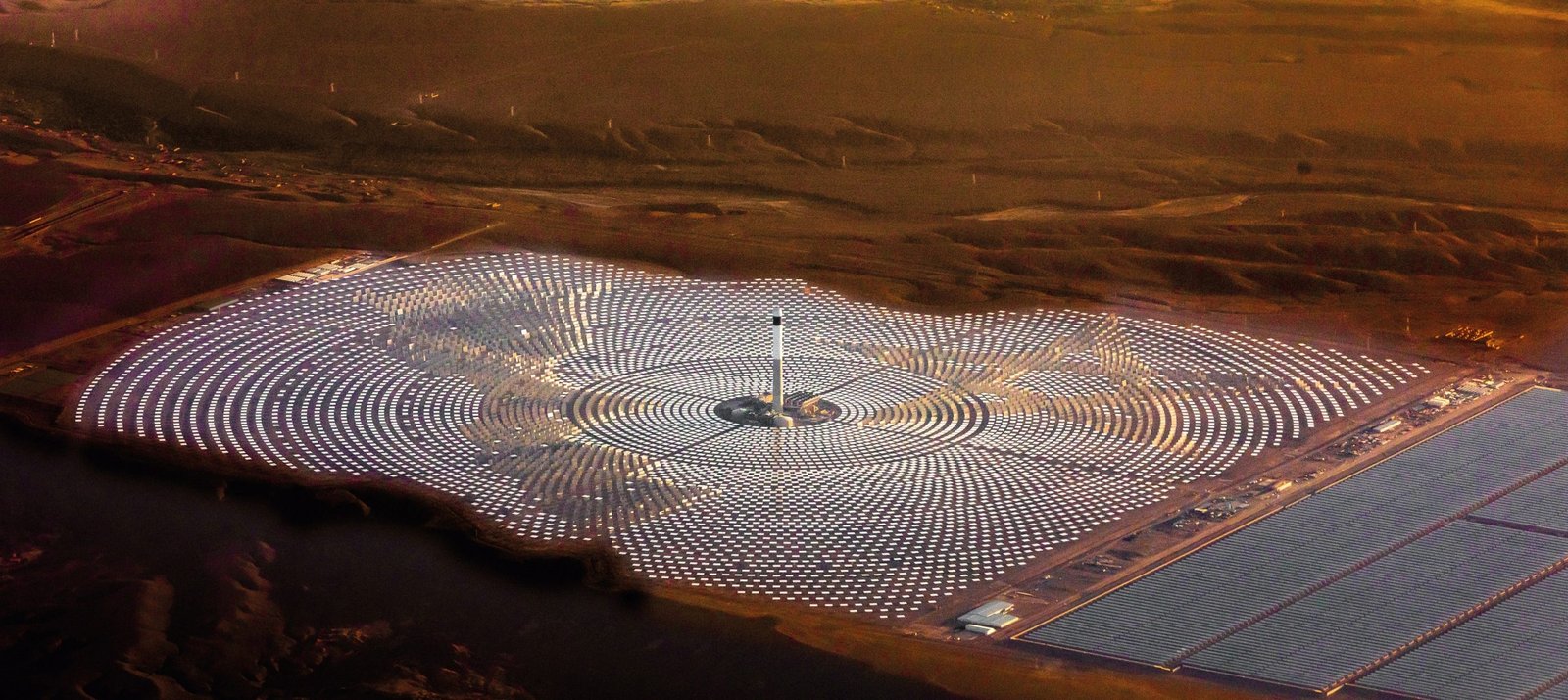
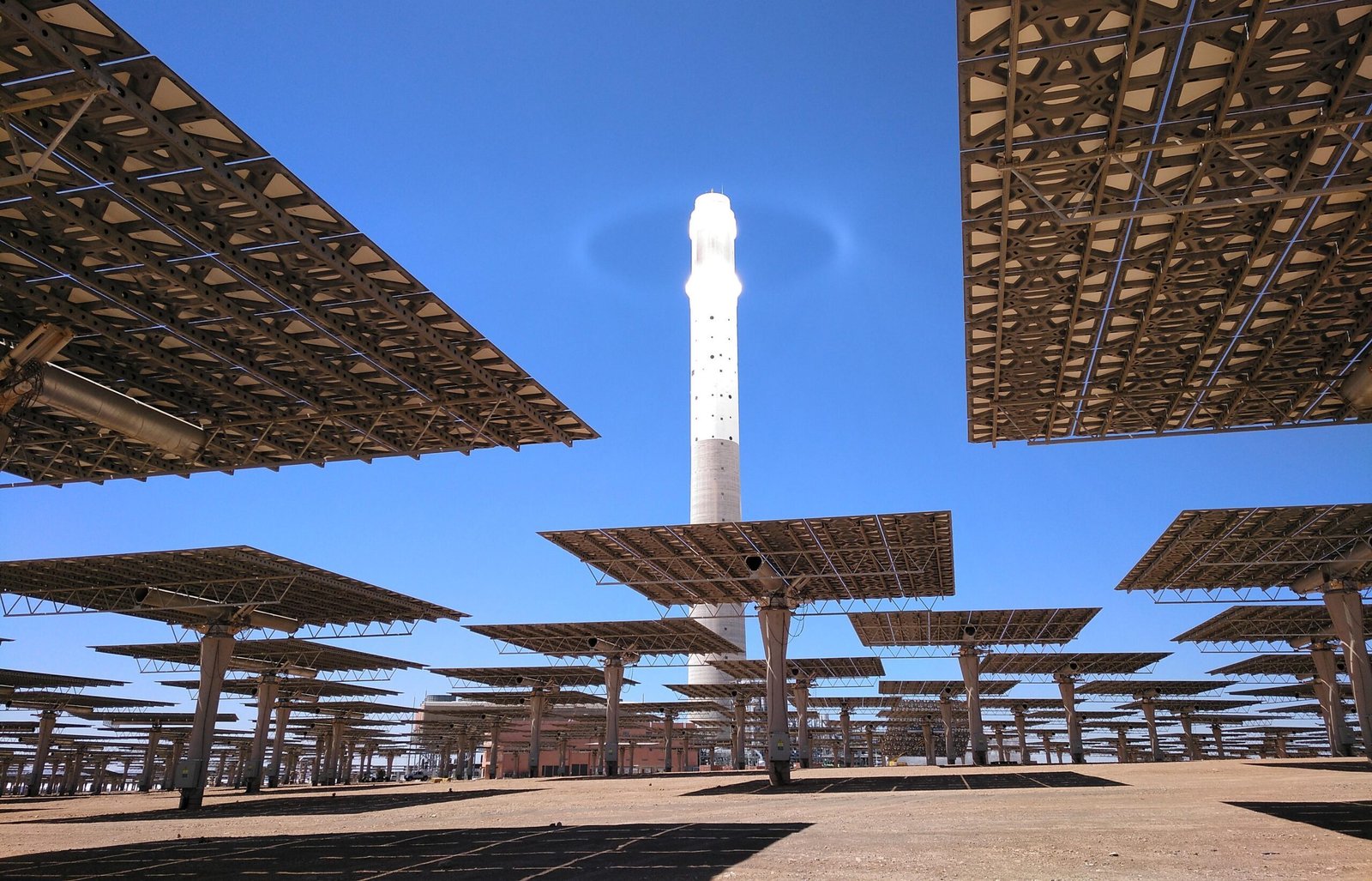
- Phase 3 (Noor III): Also commissioned in 2018, this 150 MW phase marked a major design evolution. Instead of parabolic troughs, Noor III utilizes a single 86-foot (26-meter) central tower surrounded by 7,000 tracking mirrors. This tower design is highly efficient and eliminates the need for synthetic oil by heating the molten salts directly.
- Phase 4 (Noor IV): A 70 MW addition utilizing traditional PV technology.
Securing the massive capital required relied on a robust mix of international backing, structured primarily through 80% debt and 20% equity. The Clean Technology Fund (CTF) alone provided $435 million in highly concessional finance, which dramatically reduced the cost of capital and ultimately lowered the price of the electricity generated.
Expert Perspectives: A Transformational Economic Catalyst
From a global finance and policy perspective, international energy authorities frequently cite the facility as a paradigm-shifting achievement for the region. Experts from leading developmental institutions emphasize that the financial and technological models pioneered at Ouarzazate offer a scalable blueprint for the Global South:
- Marie Francoise Marie-Nelly, World Bank Country Director for the Maghreb, highlighted the macro-level impact: “With this bold step toward a clean energy future, Morocco is pioneering a greener development and developing a cutting edge solar technology… the returns on this investment will be significant for the country and its people.”
- Yacine Fal, the African Development Bank (AfDB) resident representative in Morocco, pointed to the project’s broader regional significance, noting that the complex “stands to serve as an example for Africa and the world about how to create effective pathways to greener and more inclusive economies through renewable energy.”
- Mafalda Duarte, Head of the Climate Investment Funds (CIF), emphasized the crucial role of blended finance frameworks: “This launch shows that the low-cost, long-term financing provided by the CIF can serve as the spark that attracts the public and private investments needed to build massive CSP production facilities at an attractive cost.”
Locally, energy leaders view this impact as a deliberate strategy. The construction of Noor II and Noor III alone provided employment opportunities for 4,000 Moroccans. The project actively incentivized higher value-added manufacturing within the country, ensuring that the facility functions as a holistic economic engine rather than just an isolated power grid node.
Environmental Realities and Engineering Adaptations
Environmentally, the entire complex is projected to reduce global CO2 emissions by an estimated 760,000 tonnes annually, providing clean power to roughly 1 million residences. However, the facility has had to adapt to the harsh ecological realities of its semi-desert environment. CSP plants traditionally require massive amounts of water for cooling and cleaning—a major hurdle in a region reliant on the local El Mansour Eddahbi dam.
To ensure long-term sustainability, energy engineers proactively adapted the facility’s design. While Noor I utilized a wet cooling system, the newer phases replaced these with dry, air-based cooling systems. Furthermore, operators implemented pressurized air rather than water to clean the mirrors, demonstrating a critical evolution in sustainable CSP deployment that protects local agricultural water supplies.
A Blueprint for the Future
The Noor Ouarzazate Solar Complex is the cornerstone of Morocco’s aggressive national energy strategy, which targets producing 52% of its energy from renewable sources by 2030. With domestic energy needs growing by 7% annually, the kingdom is successfully insulating itself against volatile fossil fuel markets.
Looking outward, the facility positions Africa not just as a consumer, but as a future global exporter of clean energy. Site managers have noted that while the primary goal is energy independence, surplus production opens the door to supplying neighboring nations. Through immense technological ambition and strategic international financing, Morocco has provided a working blueprint for a future where European electric grids could be seamlessly powered by the relentless sun of the Sahara.