
A History of Mistakes and Masterpieces
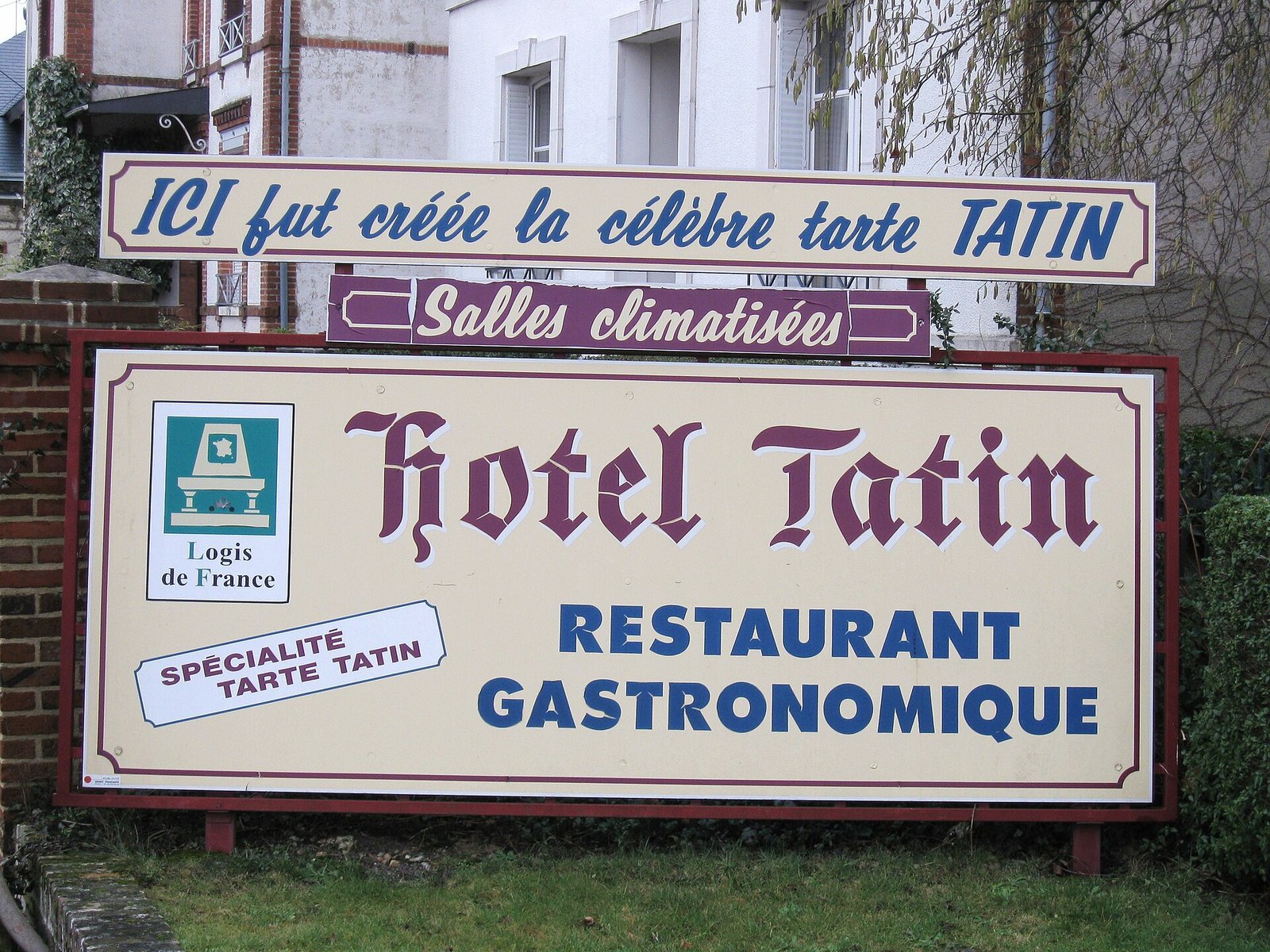
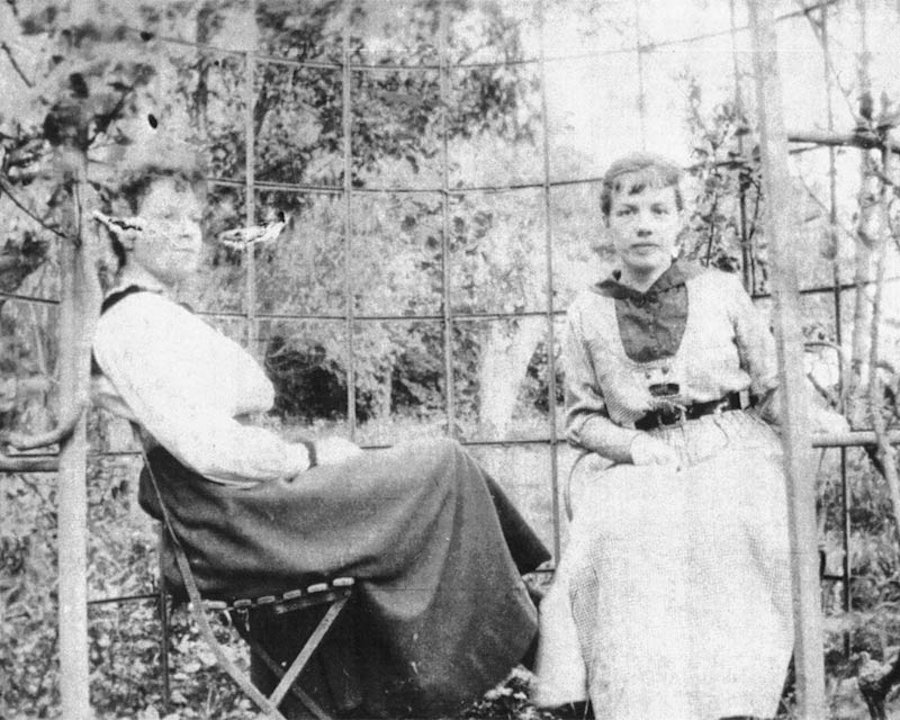
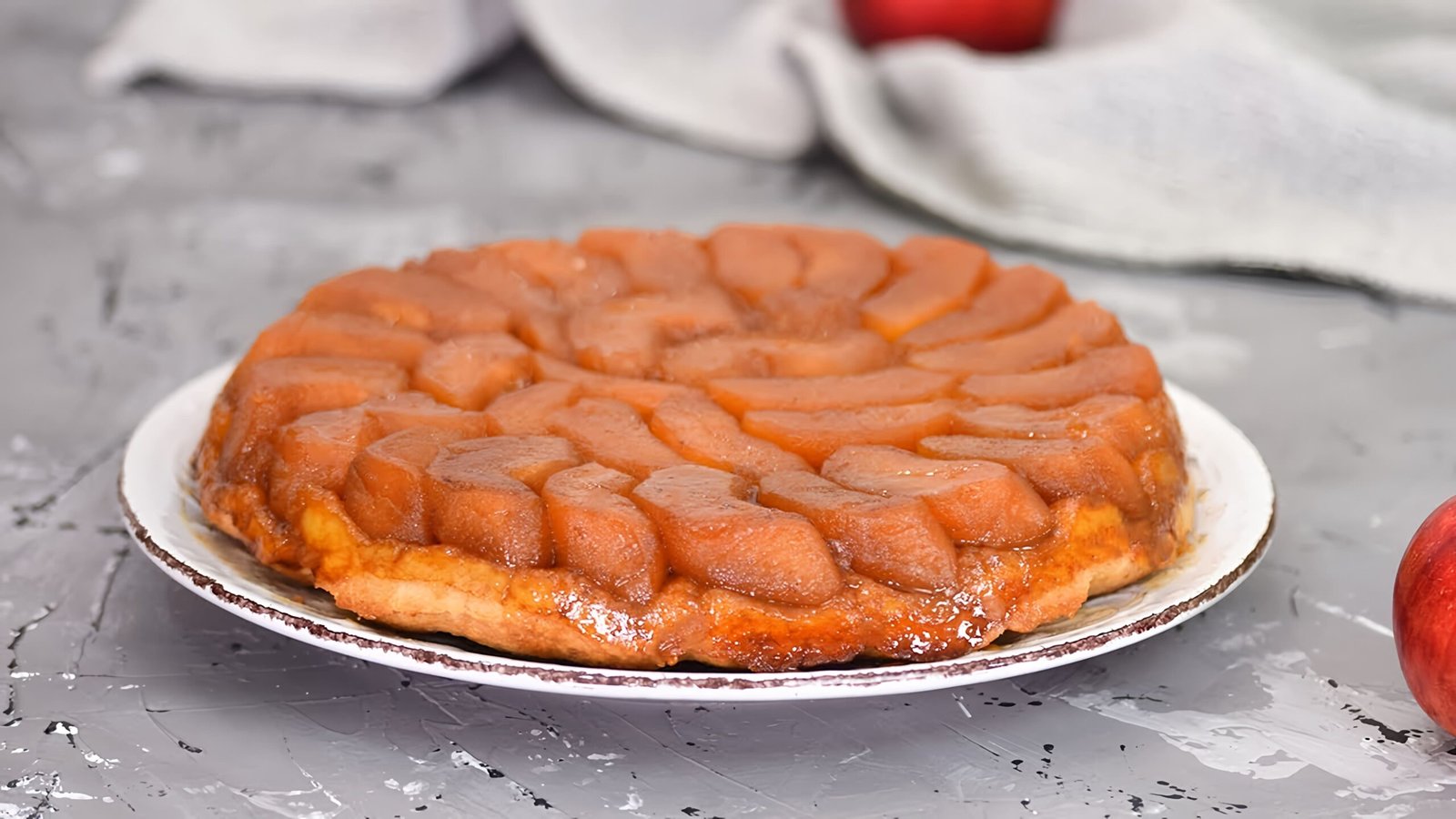
The universally beloved origin story of the tarte tatin traces back to the late 19th century—specifically the 1880s or 1889—at the Hôtel Tatin. Situated in the town of Lamotte-Beuvron in the Sologne region just south of Orléans, the hotel was run by two sisters: Caroline, who managed the reception, and Stéphanie, who ran the kitchen.
Legend has it that during a particularly hectic service during hunting season, Stéphanie was overworked and distracted while preparing a traditional apple pie. She left the apples cooking in butter and sugar for too long, and in a moment of panic, she simply threw the pastry dough on top of the fruit and shoved the pan into the oven. After baking, she carefully flipped the dish over to discover the apples had caramelized perfectly, creating an instant sensation among the unsuspecting guests.
However, culinary historians offer a more analytical perspective. Upside-down fruit tarts—known as gâteaux renversés—were an ancient specialty of the central Loire and Sologne regions long before the sisters opened their hotel. Celebrity chef Antonin Carême even referenced gâteaux renversés with glazed apples in his 1841 cookbook. Whether it was a genuine accident or an adaptation of a regional staple, it was the Tatin sisters who immortalized the recipe and lent it their name.
The Anatomy of the Perfect Tatin
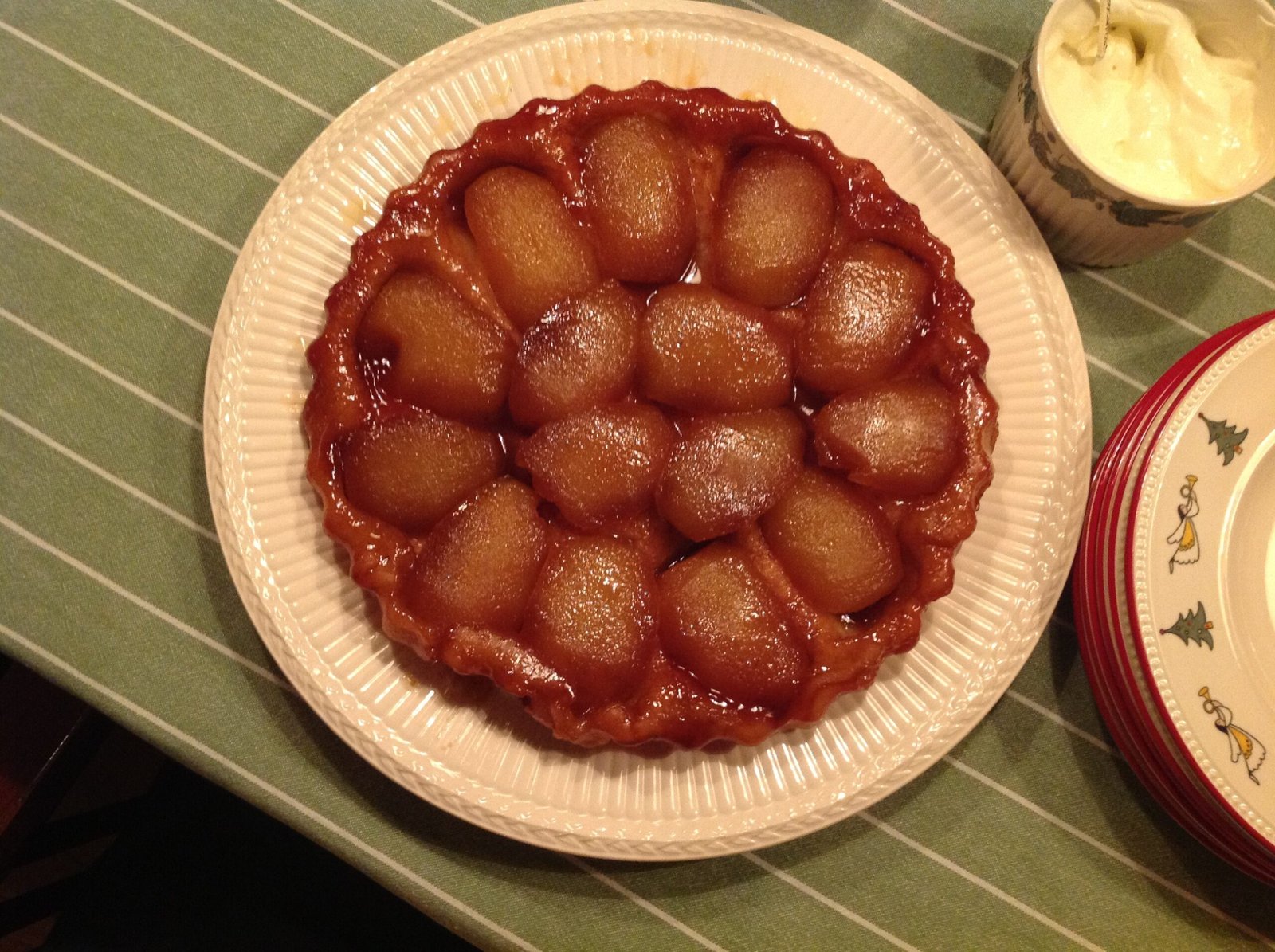
Despite its sophisticated reputation, a classic apple tarte tatin relies on just five simple ingredients: flour, butter, eggs, sugar, and apples.
- The Apples: The choice of apple is critical. They must be hard enough to hold their shape during the slow caramelization process and tart enough to offset the intense sweetness of the sugar. Ideal varieties include Braeburn, Cox, Northern Spy, Granny Smith, Pink Lady, and Honeycrisp. Conversely, varieties like McIntosh or Bramley should be avoided, as they will quickly break down into a mushy applesauce when heated.
- The Caramel: Creating the perfect wet caramel requires a generous amount of butter, sugar, and a pinch of salt, allowing the apples to slowly soften and absorb the smoky, bittersweet flavors.
- The Pastry: The type of pastry used is a matter of fierce debate. Stéphanie Tatin originally used shortcrust pastry, which is robust and can sit for hours without becoming soggy. Today, however, puff pastry has become the restaurant standard, prized for its crisp, buttery layers that provide an ideal textural contrast to the soft fruit.
- The Flip: The ultimate challenge is the inversion. The tart must sit just long enough for the caramel to cool and thicken—usually 5 to 10 minutes—but not so long that the caramel hardens and glues the fruit to the pan.
Cultural Significance and the Guardians of Tradition
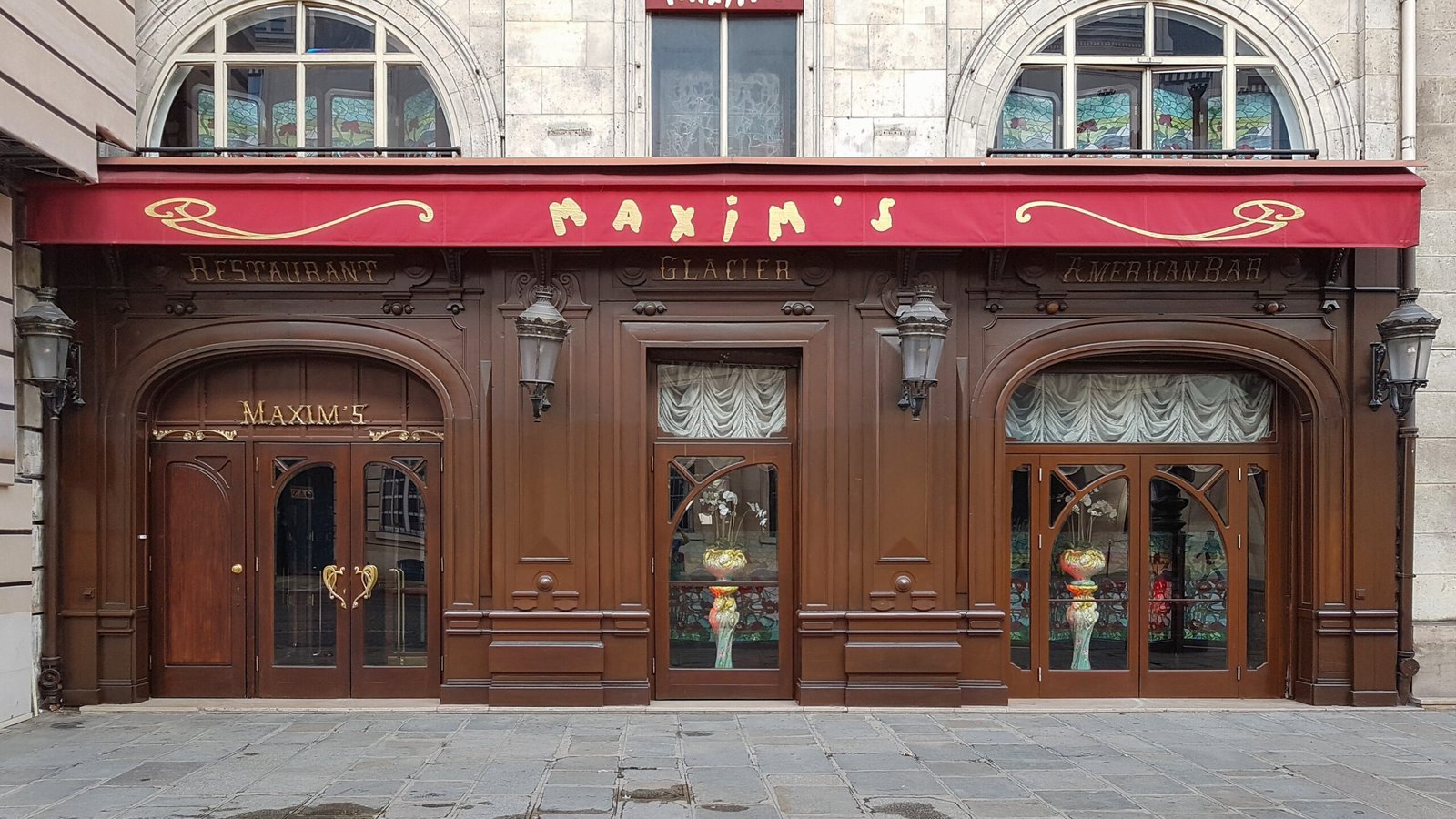
The dessert’s fame was propelled by 20th-century food critics and restaurateurs. In the 1920s, the renowned critic Curnonsky recommended the sisters’ tart in his travel guide. By the late 1930s, the dessert was a staple at Maxim’s, the legendary Parisian institution. Maxim’s owner, Louis Vaudable, famously claimed he stole the recipe directly from Stéphanie by posing as a gardener at her hotel, cementing the dessert’s mythos.
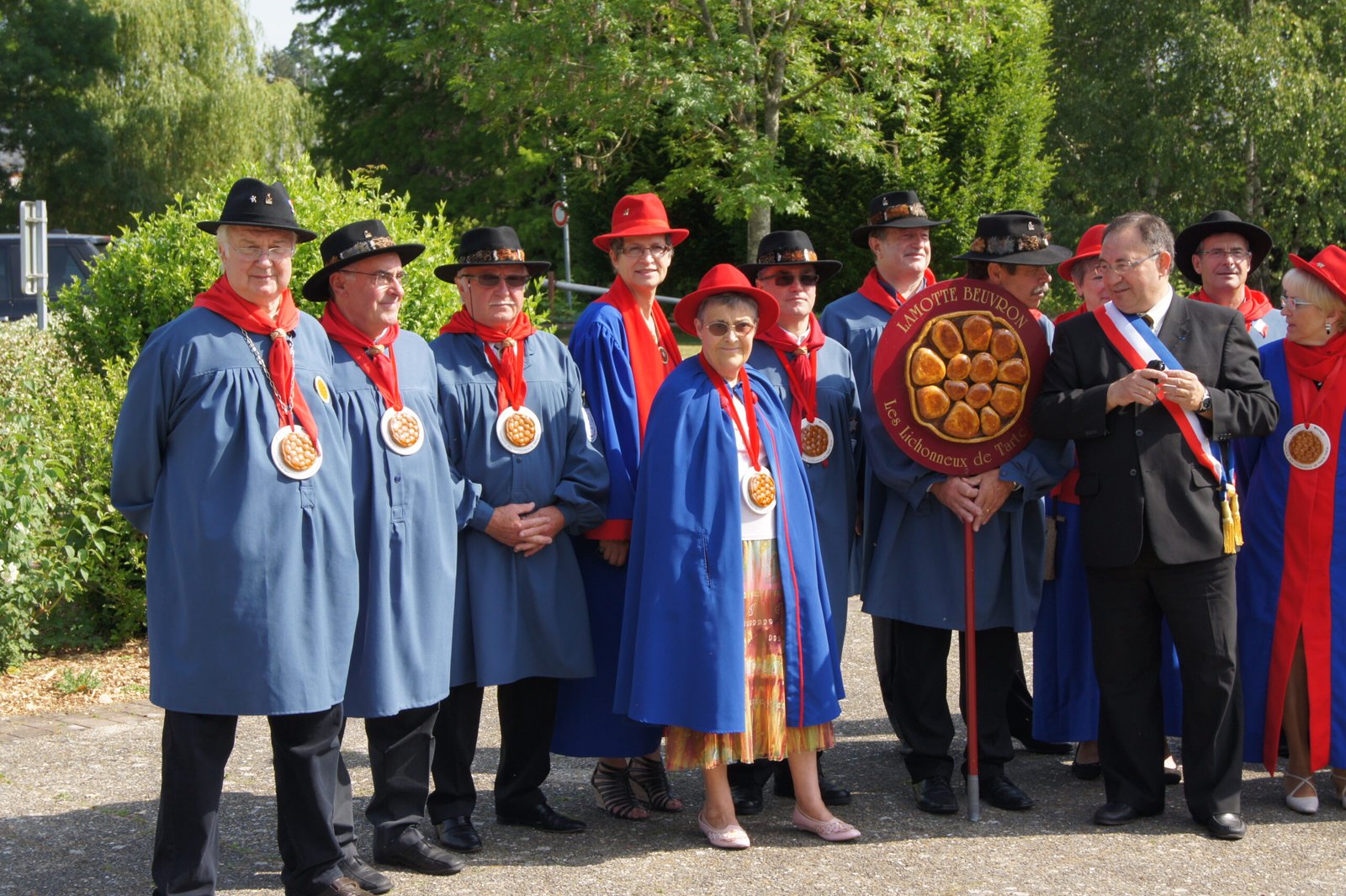
The tarte tatin is so deeply woven into French culinary heritage that it has its own gatekeepers. In 1979, the Confrérie des Lichonneux de la Tarte Tatin (Brotherhood of the Tarte Tatin Enthusiasts) was founded to protect the dish’s historical integrity. This brotherhood insists that the tart must be served completely plain, without any accompaniments. Nevertheless, culinary rebels often enjoy it with a dollop of crème fraîche or a scoop of vanilla ice cream to contrast the hot caramel.
Where to Experience the Legend
For those seeking to taste this iconic dish, several establishments stand out:
- Hôtel Tatin (Lamotte-Beuvron): The birthplace of the dessert is still in operation today, continuing to serve the tart in its purest, most traditional form as demanded by the Confrérie.
- Maxim’s (Paris): The restaurant that catapulted the tarte tatin to global high-society fame remains an iconic spot to enjoy the dessert.
- Modern Parisian Patisseries: Today, top-tier bakeries and cafes across Paris offer exceptional renditions. Esteemed locations like Ladurée, known globally for its macarons but heralded for its pastries, and Berthillon on the Île Saint-Louis, frequently receive high praise from contemporary food critics for serving some of the most perfectly caramelized, exquisite slices of tarte tatin in the modern culinary scene.
Whether it was the result of a frantic kitchen mistake or the refinement of an ancient regional recipe, the tarte tatin remains a brilliant testament to the magic of French pastry—a dessert where a few simple ingredients are transformed into a timeless masterpiece.