






The Core Issue: Why the Referendum Was Held
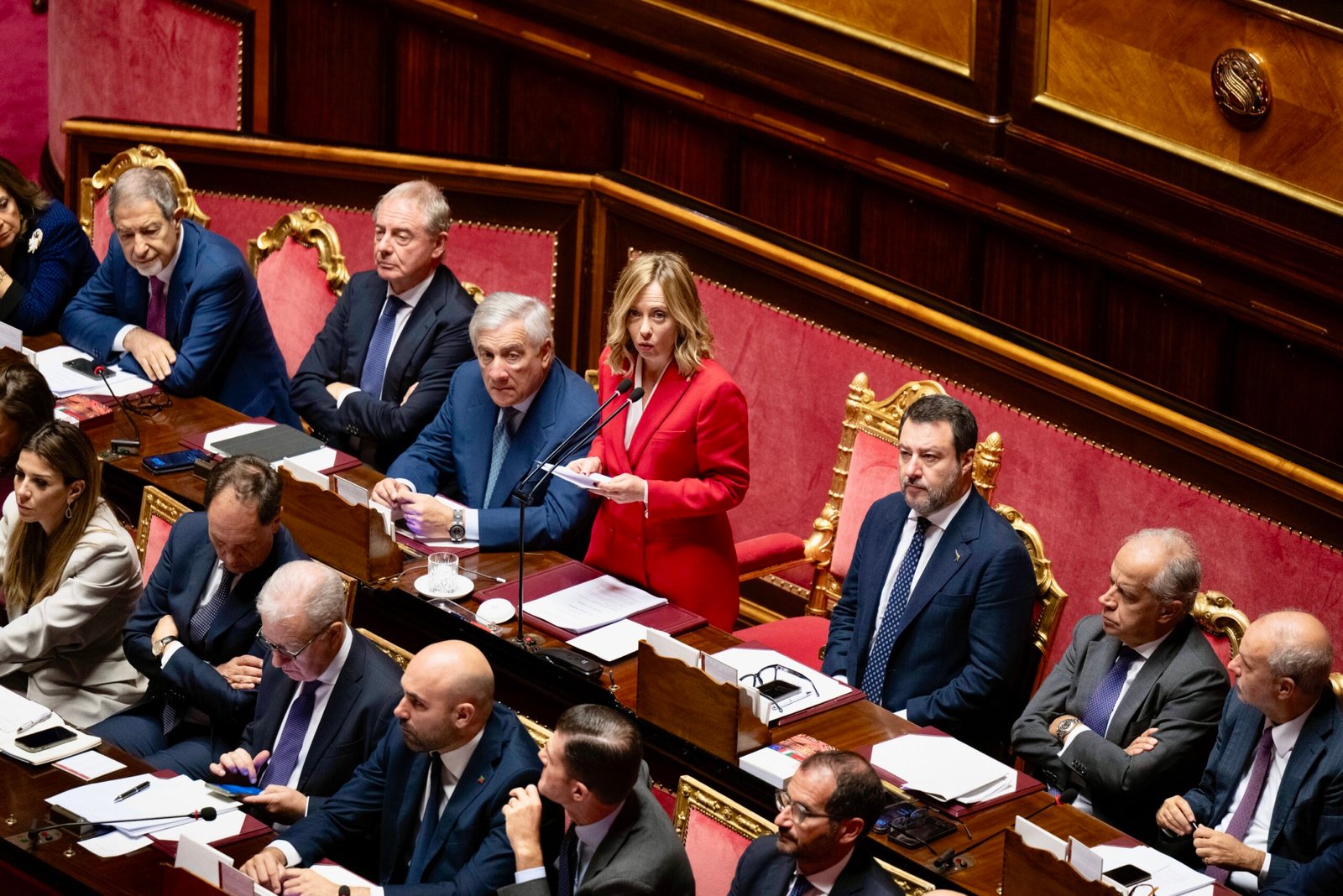
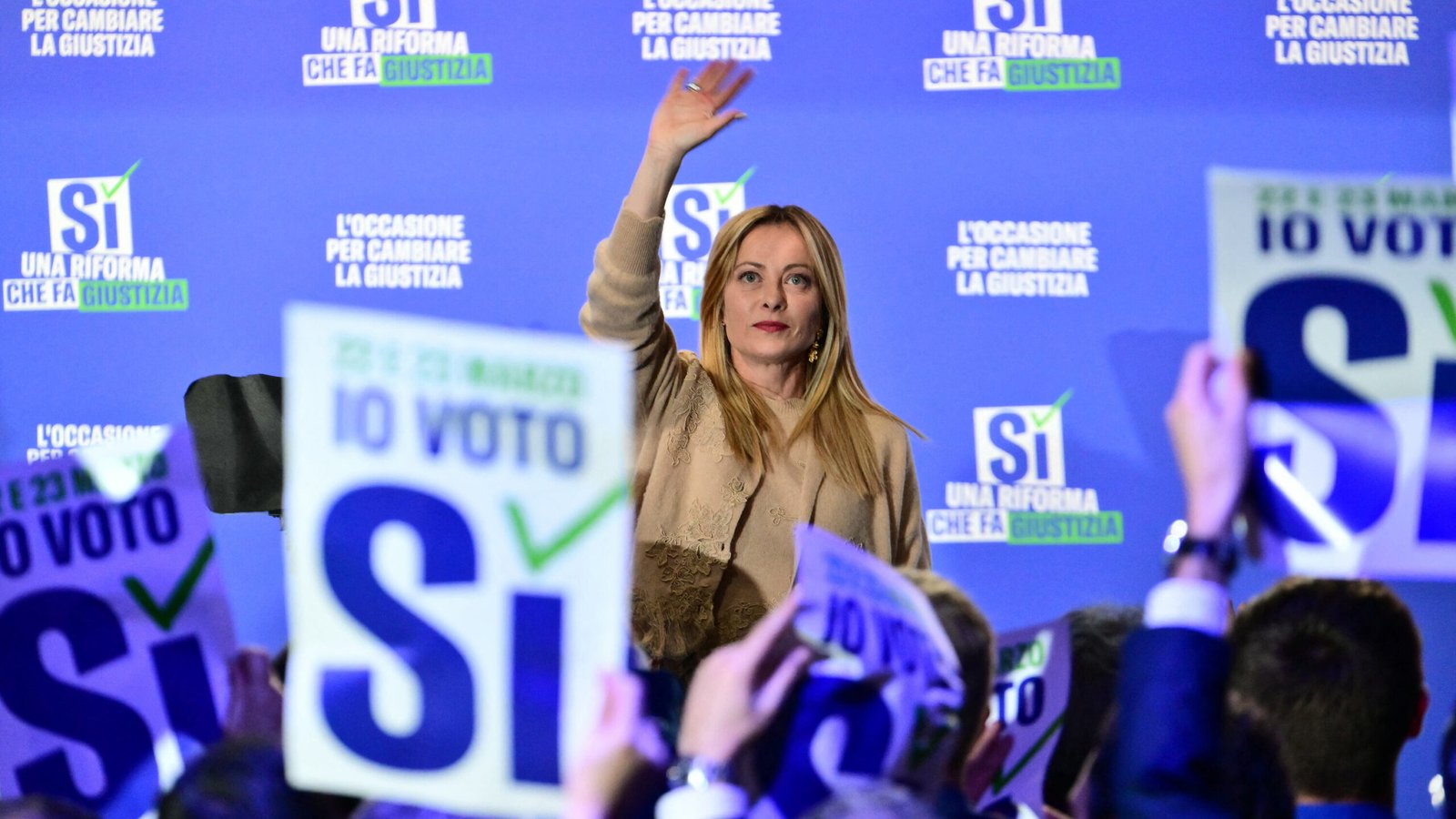
At its center, the referendum proposed a sweeping overhaul of how Italian judges and prosecutors are governed and disciplined. The Meloni government sought to amend the constitution to formally separate the career paths of judges and prosecutors, preventing magistrates from switching between the two functions. Additionally, the reform aimed to divide the Superior Council of the Judiciary (CSM) into two separate oversight councils and establish a new 15-member disciplinary court. Crucially, members of this new court would be drawn by lottery rather than voted on by their peers, with additional members selected by the Italian president and parliament.
The government framed the overhaul as a necessary step to guarantee impartiality and fix a system plagued by politicized legal factions. Tensions between the Italian right and the magistracy run deep, tracing back to the “Clean Hands” (Mani Pulite) corruption probes of the 1990s and the fierce legal battles of former Prime Minister Silvio Berlusconi. Justice Minister Carlo Nordio aggressively backed the reforms, referring to prosecutors as a “parallel mafia,” while his chief of staff likened parts of the judiciary to “an execution squad”.
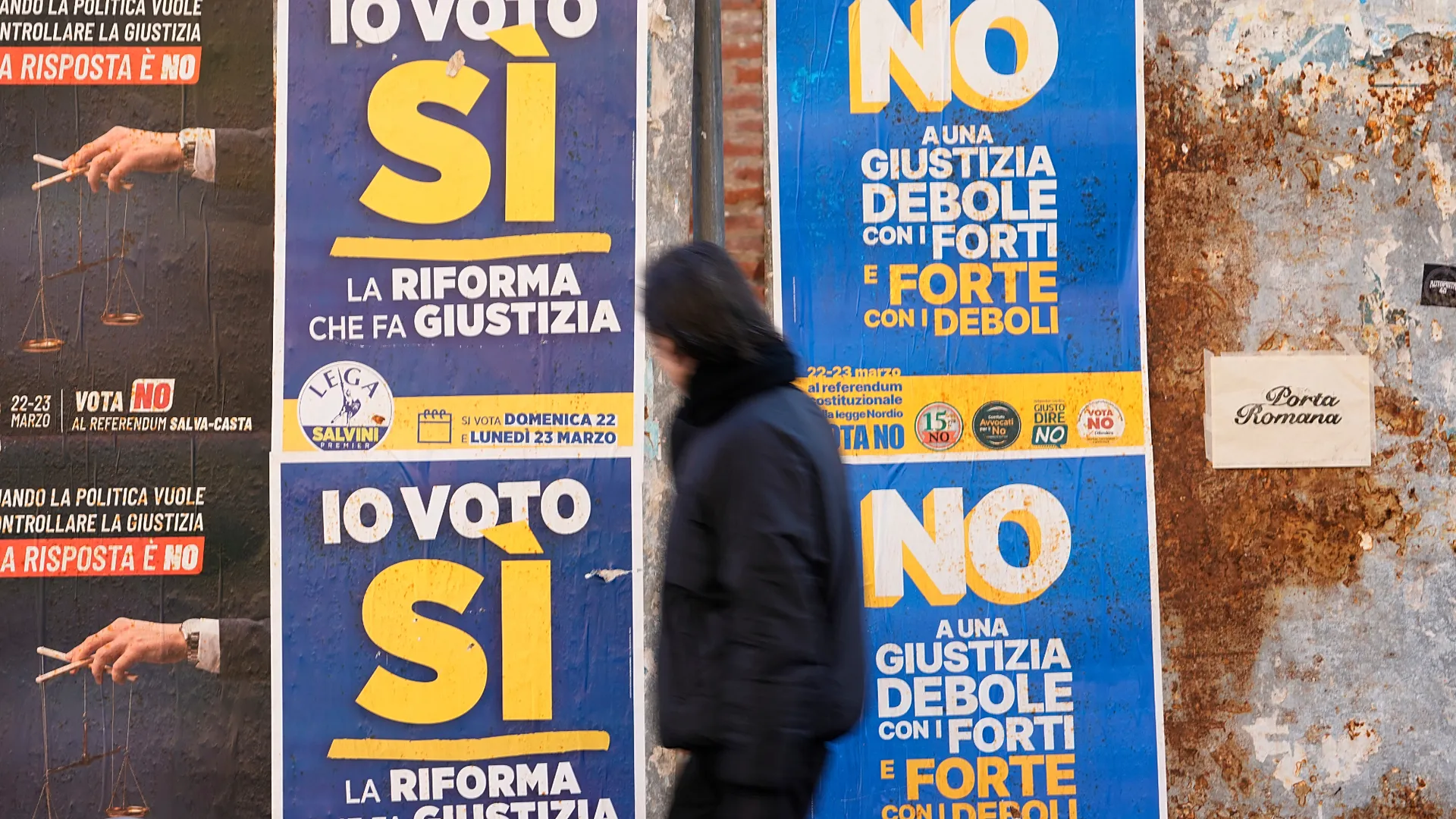
Conversely, the opposition and critics portrayed the reforms as a dangerous political power grab designed to weaken a fiercely independent judiciary and bring it under government control.
The “No” Vote: A Broader Vote of Confidence
What began as a highly technical vote quickly snowballed into a broader referendum on Meloni and her government. Ultimately, nearly 54 percent of voters rejected the reforms, driven by an unexpectedly high voter turnout of roughly 59 percent. The rejection was particularly severe in Italy’s major urban centers and the south. The “No” vote captured 54 percent in Milan, 57 percent in Rome, and a staggering 71 percent in Naples.
Reactions from Leadership: Defiance and Opportunism
Unlike former Prime Minister Matteo Renzi, who resigned after losing a constitutional referendum in 2016, Meloni has vowed to stay in power. Conceding the defeat in a video statement posted on social media, she put a brave face on the outcome.
“The Italians have decided. And we respect this decision,” Meloni stated. While she expressed bitterness over what she called “a lost opportunity to modernise Italy,” she affirmed her commitment to “go on as we always have with responsibility, determination and respect for Italy and its people”.
The opposition, having struggled for months to dent Meloni’s dominance, immediately seized the momentum. Elly Schlein, leader of the Democratic Party, declared, “We will beat [Meloni] in the next general election, I’m sure of that,” noting that the vote sent a clear political message to the government. Giuseppe Conte of the 5Star Movement heralded “a new spring,” while centrist leader Matteo Renzi predicted Meloni would become a “lame duck,” suggesting even her own followers would begin to doubt her.

Expert Analysis: A Perfect Storm of Bad Timing
Political analysts suggest that the defeat was not solely about the judiciary, but rather a perfect storm of geopolitical and economic headwinds. Roberto D’Alimonte, an emeritus professor of political science at the University of Florence, observed that Meloni’s “luck has run out because she had this referendum at a very bad time for her”.
The campaign coincided with intense domestic fears over rising energy and fuel prices, heavily exacerbated by the ongoing war in Iran. Furthermore, Meloni’s highly touted relationship with the Trump administration became a liability when it emerged that the U.S. began bombing Iran without warning Rome, placing immense pressure on Italy to respond.
Giovanni Orsina, head of the political science department at Luiss Guido Carli University, noted the immediate shift in political gravity. “Now there is a dent in her armor,” Orsina said. “Nothing changes immediately, but certainly the gears are in motion, and they are in motion against Meloni”.

Possible Consequences and the Path Forward
The immediate consequence of the “No” vote is the derailment of Meloni’s broader constitutional ambitions. The defeat knocks her off course just as she was preparing to push for major electoral reforms, including a shift to a fixed-term prime ministership elected by direct suffrage, and a proposal to award up to 70 bonus parliamentary seats to alliances winning 40 percent of the vote.
In the short term, Meloni may seek a scapegoat to absorb the political fallout, with technocrat Justice Minister Nordio seen as a likely candidate. She is also moving quickly to pivot the narrative back to economic and foreign policy, evidenced by an immediate trip to Algeria to secure energy cooperation.
Despite the opposition’s renewed vigor, an immediate collapse of the government remains unlikely. Chiara Gentile, an expert on Italian constitutional law, pointed out that the right’s core supporters are unlikely to abandon Meloni over a highly technical judicial issue. Furthermore, her coalition partners, such as the League, have little to gain from forcing early elections due to their own internal struggles, and the main opposition parties have yet to prove they can effectively govern together.
Nevertheless, the referendum serves as a stark reminder of the limits of executive power in Italy. As Professor Orsina concluded, Italians “want assertive leaders but it is quite clear they do not want a single politician to take too much power”. Meloni will now have to navigate a newly competitive political landscape, stripped of the invincibility that defined her first three years in office.