
The Economic Drivers: Arbitrage and the “All-Inclusive” Model
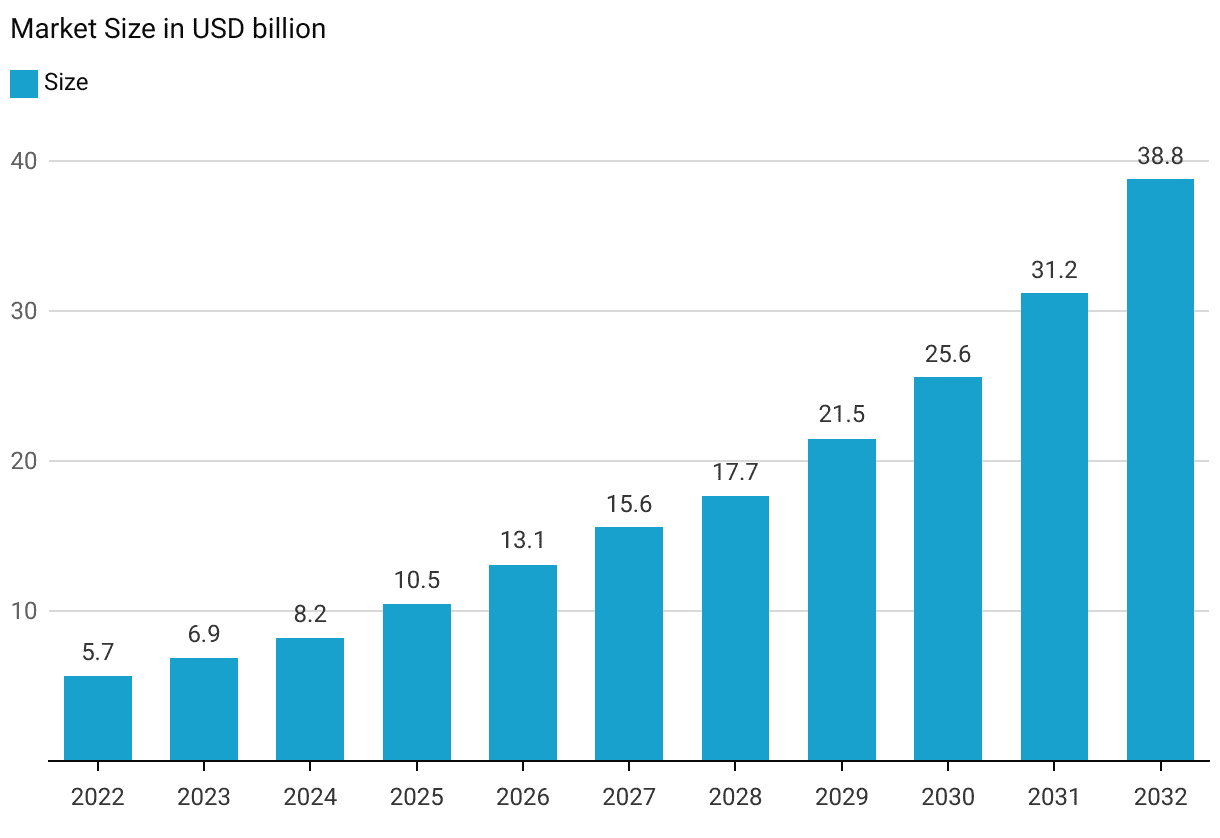
The sheer volume of Turkey’s hair transplant sector is staggering. Out of the approximately 1.8 million medical tourists who visit Turkey annually, estimates suggest that between 100,000 and 500,000 are seeking hair transplants. According to some industry data, the country performs over 500,000 hair transplant surgeries each year, making it the undisputed global leader in the procedure.
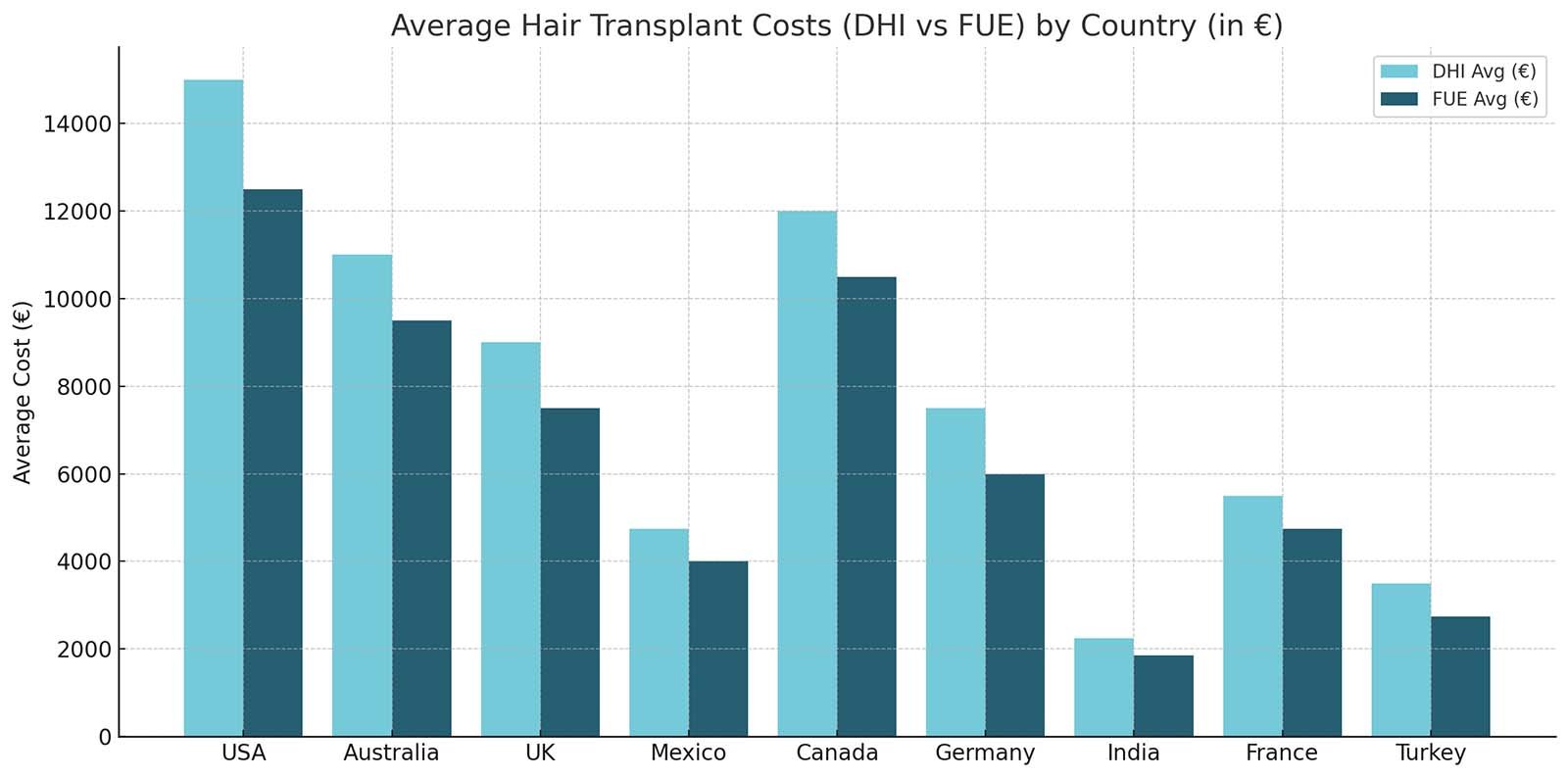
The primary catalyst for this mass migration of patients is profound cost arbitrage. In the United States, hair transplant procedures typically range from $4,000 to $15,000, with an average cost hovering around $13,500. In premium American markets like New York and Los Angeles, these costs can easily soar to $20,000. Similarly, patients in the United Kingdom face prices ranging from £1,000 to £30,000, according to the National Health Service.
By contrast, the exact same procedures in Turkey cost between $2,000 and $4,000. This represents a 50% to 90% cost reduction for international patients. However, Turkey’s true business innovation lies in its pricing model: clinics often offer flat rates regardless of the number of hair grafts required, bundled into highly appealing all-inclusive packages. These packages routinely cover the surgery, luxury hotel accommodations, airport transfers, and post-operative care, creating a seamless, consumer-friendly experience that successfully draws patients from North America, Europe, and the Middle East.
Technological Proficiency and Social Influences
While cost is the dominant factor, it is not the sole driver of Turkey’s market dominance. The country’s rise in the early 2000s coincided with the early adoption of advanced, minimally invasive surgical techniques, primarily Follicular Unit Extraction (FUE) and Direct Hair Implantation (DHI). These modern methods largely replaced older techniques like Follicular Unit Transplantation (FUT), offering patients faster recovery times, minimal scarring, and more natural-looking results.
Furthermore, the industry has benefited from a shifting cultural landscape. Decreasing social stigma surrounding male aesthetic procedures, combined with high-visibility celebrity endorsements, has amplified the appeal of hair restoration. Turkish clinics have capitalized on this by executing aggressive digital marketing campaigns, utilizing online platforms to broadcast before-and-after photos, video testimonials, and remote video consultations to a global audience. The presence of internationally recognized specialists has also helped legitimize the country’s medical expertise, allowing top-tier Turkish clinics to rival the reputation of high-end facilities in the West.
The Risks: Overcrowding and the Shadow Market
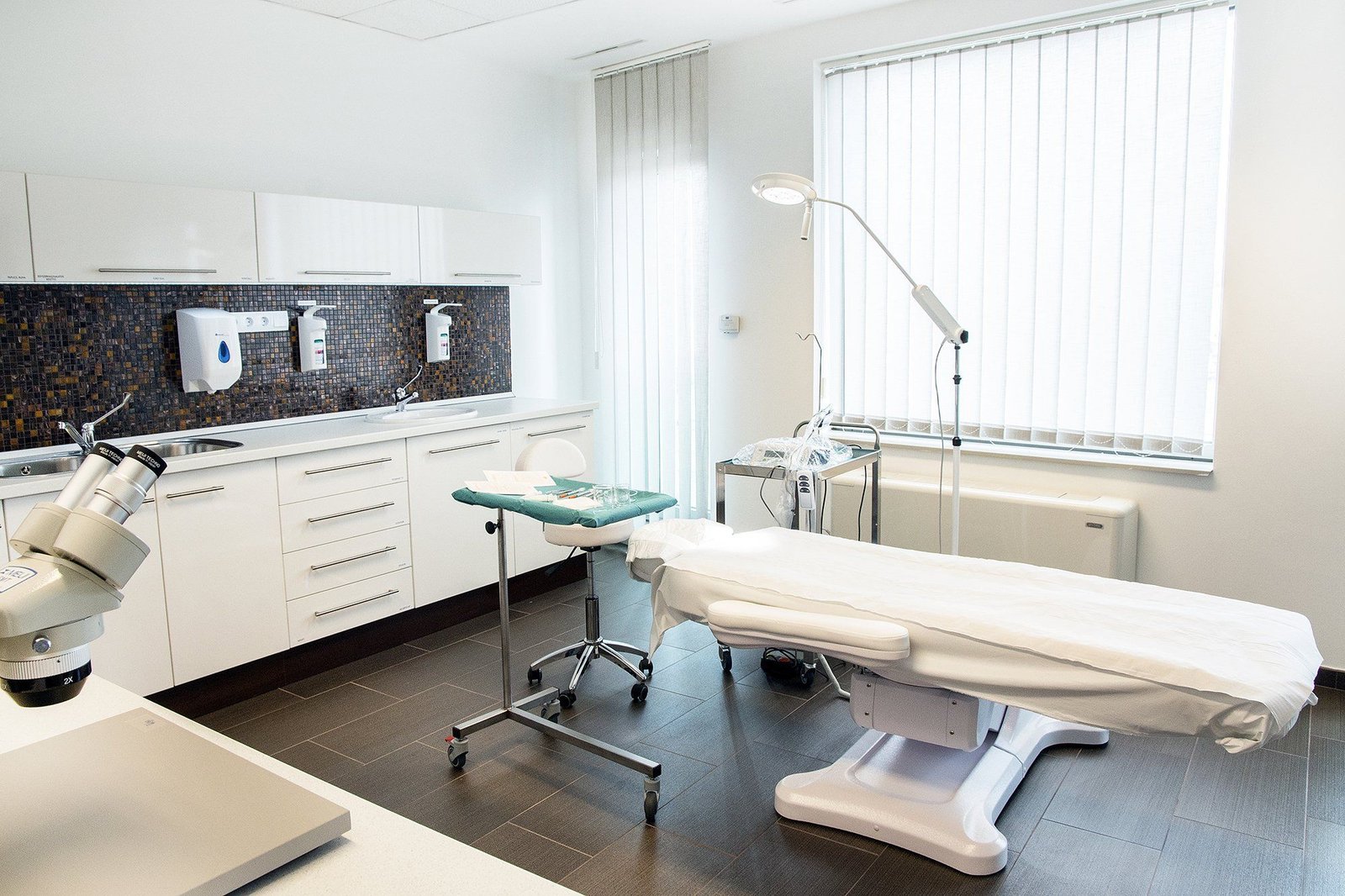
However, the rapid commodification of medical surgery carries inherent and severe risks. The explosion in global demand has led to overcrowding and a surge in unregulated or substandard clinics seeking to capitalize on the boom. Experts warn that the intense focus on cost savings often leads patients to prioritize perceived financial value over their own medical safety, accepting associated risks abroad.
In some low-cost, unregulated facilities, procedures are delegated to under-qualified technicians rather than certified surgeons, severely compromising patient safety and surgical quality. Furthermore, hair transplantation requires meticulous post-surgery care; experts note that patients frequently suffer complications or poor long-term aesthetic results because they fail to receive, or follow, proper post-operative guidelines once they return to their home countries. Consequently, medical professionals strongly advise prospective patients to rigorously research clinics and surgeons to ensure they have proven, successful track records.
Future Outlook and Global Competition
Looking ahead, Turkey’s dominance is not guaranteed. The country faces mounting competition from emerging medical tourism markets like India and Thailand, which offer competitive procedures priced between $1,000–$4,000 and $2,000–$5,000, respectively.
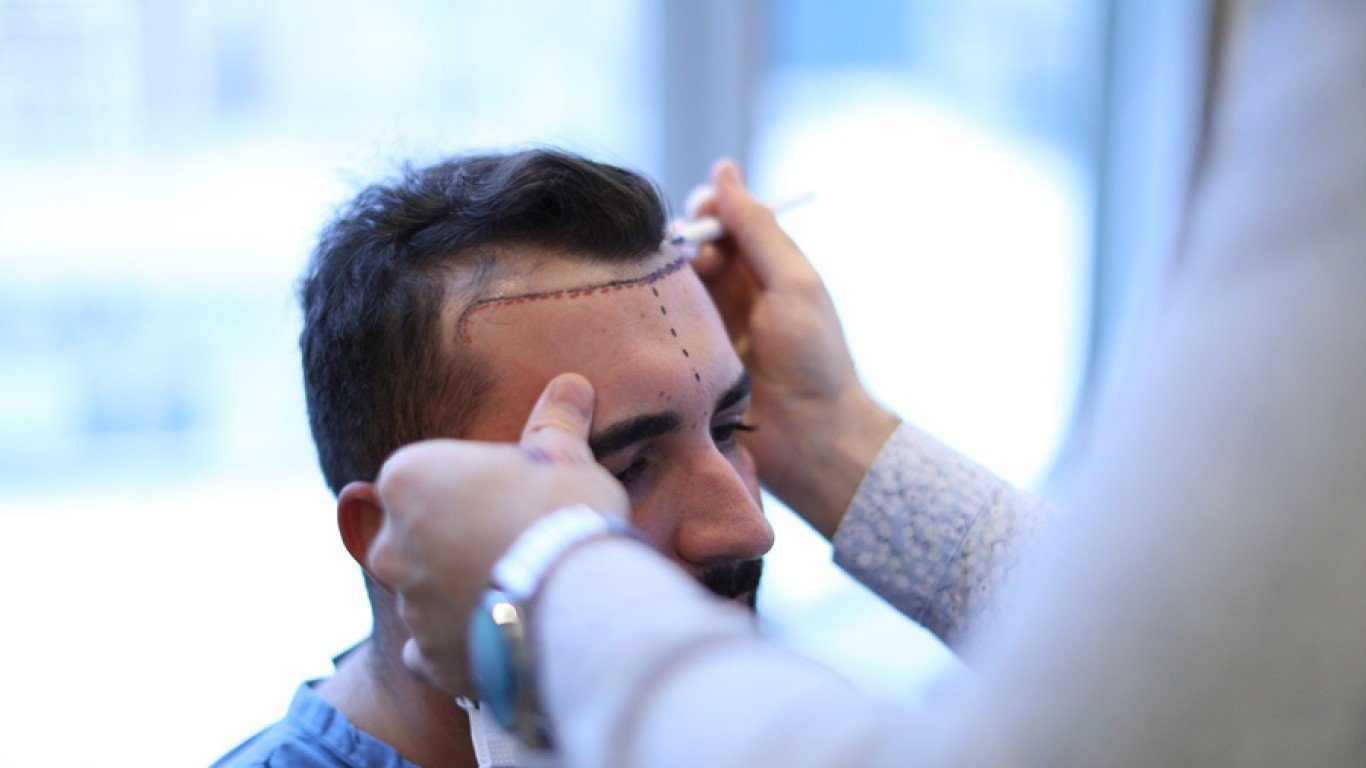
To maintain its leadership position, experts suggest that Turkey must enforce stricter industry regulations to protect patient safety and elevate the baseline of care across all operating clinics. Additionally, sustained dominance will require pivoting toward future innovations. The integration of sustainable, personalized treatments—such as stem cell therapies and hair cloning techniques—represents the next frontier for Turkish clinics aiming to diversify their offerings and retain their competitive edge in an increasingly crowded global market.