

Historical Context: From Chamonix to a New Paradigm
To understand the structural significance of Milano-Cortina 2026, one must look back to the origins of the Winter Games. The first Winter Olympics, held in Chamonix in 1924, were modest in scale and featured a limited number of disciplines. Over the ensuing decades, the event expanded dramatically to incorporate new sports like snowboarding and freestyle skiing, capturing massive global audiences.
However, this relentless growth birthed significant challenges, namely escalating costs, heightened environmental scrutiny, and a declining interest from potential host cities. Milano-Cortina 2026 served as a direct response to these pressures. Rather than pursuing centralized scale and spectacle, organizers prioritized adaptability and sustainability, signaling a shift toward a more flexible Olympic future.

The Decentralized Organizational Model
The most analytically fascinating aspect of the 2026 Games was its unprecedented infrastructure-light, multi-city approach. Milano-Cortina was the first Winter Olympics in history to be officially co-hosted by two major cities, making it the most geographically widespread Games ever. The Olympic footprint spanned nearly 8,500 square miles, with the two primary host cities separated by about 250 miles—roughly a five-hour drive. Even the opening ceremony embraced this distributed format, taking place across multiple locations to reflect a philosophy of decentralization and inclusivity.
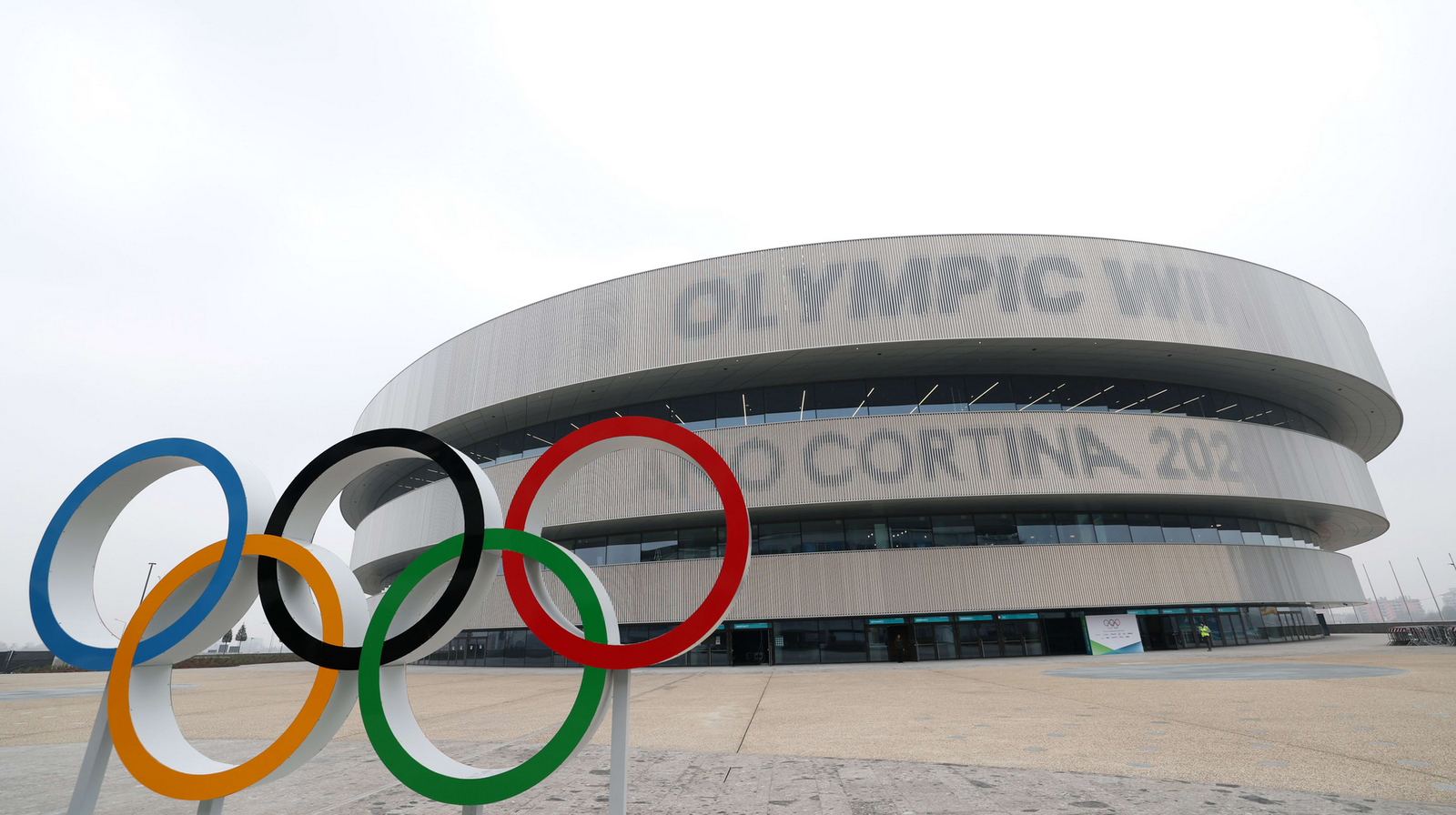
The core strength of this model was its unwavering commitment to sustainability and cost efficiency. Eleven out of the thirteen competition venues either already existed or were set up as temporary structures. The only major new permanent facility was a 16,000-seat ice hockey stadium, built to accommodate growing regional interest in winter sports.
Furthermore, urban revitalization took precedence over building “white elephant” facilities. Milan’s abandoned Porta Romana railway yard was brilliantly repurposed to serve as the Olympic Village. Following the Games, the IOC confirmed that the space will be converted into 1,700 much-needed student housing units, ensuring a lasting, practical legacy.
The Competitive Landscape: Continuity and Historic Triumphs
Athletically, the Games largely reaffirmed existing winter sports hierarchies while providing glimpses of incremental global parity. Traditional powerhouses dominated the medal tables, with Norway once again leading the world. Norway’s success is a testament to its deeply embedded winter sports culture, robust grassroots systems, and consistent investment in athletes, embodied perfectly by cross-country skier Johannes Høsflot Klæbo, whose dominant performances cemented his status as a generational great.
Team USA delivered a historic performance, earning second place overall in the medal standings and setting a U.S. record for the most gold medals obtained at a single Winter Games. The American delegation collected 33 total medals—consisting of nine bronze, twelve silver, and twelve gold—with dominant showings in freestyle skiing, speed skating, and alpine skiing.
Meanwhile, Italy capitalized on the well-documented “host nation effect”. Benefiting from venue familiarity and intense home support, Italy delivered a notably strong performance, particularly in alpine skiing and biathlon, showcasing the country’s growing technical sophistication.

The Official Consensus
Local authorities, including former Prime Minister Giuseppe Conte, Veneto Region President Luca Zaia, and Lombardy President Attilio Fontana, championed the Games as a major economic catalyst. Zaia highlighted the creation of thousands of jobs across the hospitality, construction, and tourism sectors.
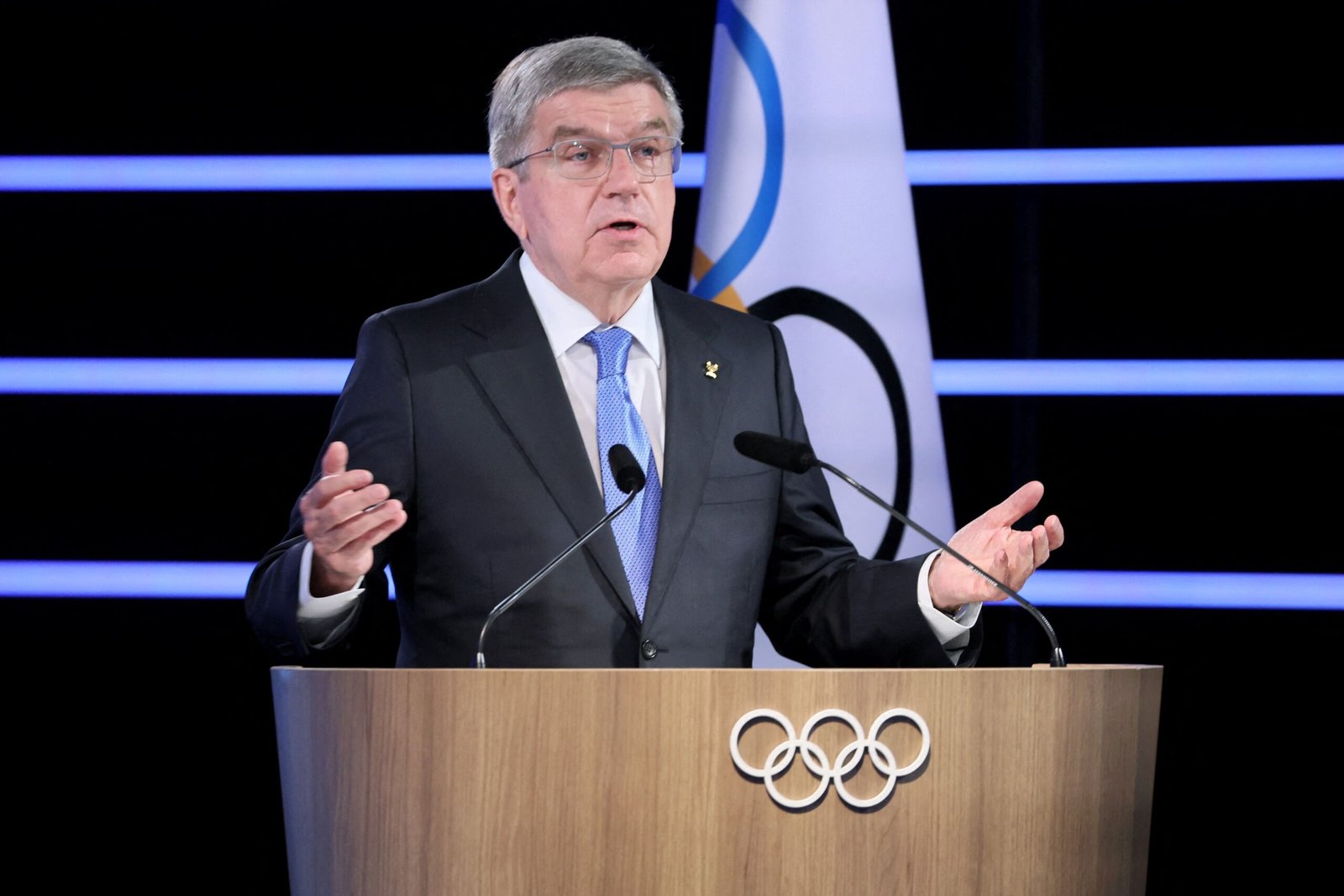
The International Olympic Committee praised the Games as a “successful model for the future”. IOC President Thomas Bach lauded the Italian bid as a “perfect balance between tradition and modernity,” heavily praising the multi-city approach for reducing costs and environmental impact. In 2025, the IOC Coordination Commission commended the event’s low-carbon footprint, reuse of existing venues, and significant reductions in construction waste.
Criticisms and Challenges
Despite the systemic shift toward sustainability, the massive geographic dispersion created undeniable logistical complexities. Ensuring consistency across sites required extreme operational precision, and the decentralized format occasionally diluted the unified Olympic atmosphere. Athletes voiced concerns over the sprawling map; in 2025, former skier Lindsey Vonn warned that the sheer travel distances between venues could disrupt athletes’ strict recovery routines.
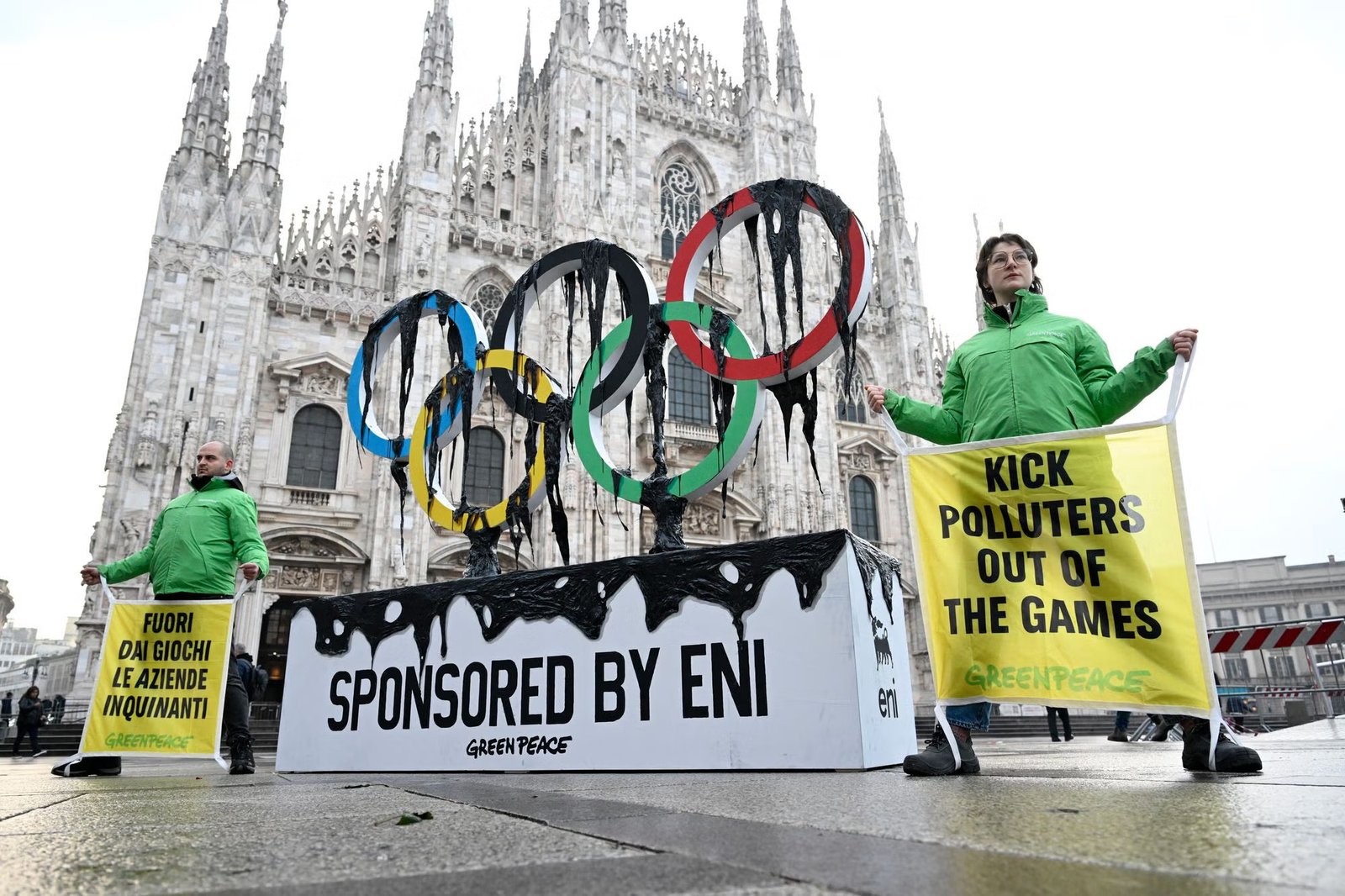
Environmental and economic debates also persisted. While environmental journalist Marco Gisotti praised the reduction of new construction, he urged continuous monitoring of the ecological footprint caused by Olympic transportation and temporary structures in the delicate ecosystems of the Dolomites. Groups like WWF Italy, Greenpeace and Legambiente raised red flags regarding potential disruptions to local mountain wildlife and the high carbon footprint of inter-city transit.
Economically, the Italian public generally supported the tourism boost, but publications like Corriere della Sera highlighted domestic concerns over the financial burden placed on a state already grappling with debt.