
From Ash Cakes to Neapolitan Street Food
While modern pizza traces its direct origins to early 19th-century Naples, its ancestral roots reach back to the 8th Century BC. The ancient Etruscans, who settled in Italy, baked thick dough made from ground grains beneath hot ashes. The Romans referred to these ash cakes as panus focus, a term that eventually evolved into the modern Italian word focaccia.
Interestingly, the word “pizza” predates the modern concept of the tomato-topped pie. Until the 19th century, the term was broadly applied to various round-shaped breads and sweet desserts, such as the cheesy Easter bread pizza di Pasqua or the layered sponge cake pizza dolce teramana. As late as the 1890s, Pellegrino Artusi’s famous cookbook, La Scienza in Cucina e l’Arte di Mangiar Bene, featured three pizza recipes that were entirely sweet.
The transition toward the modern savory pizza began in the early 1500s, when small, round flatbreads topped with herbs and oil became a popular street food among the urban poor in Naples. Because these working-class citizens needed inexpensive and filling meals, vendors sold these flatbreads to be eaten without utensils, effectively creating one of history’s first fast foods. The culinary landscape shifted dramatically in the 16th century with the introduction of the tomato from the Americas. Though initially viewed with suspicion and feared to be poisonous by many Europeans, tomatoes were readily embraced by the Neapolitan poor. This led to the creation of pizza marinara, historically prepared by a fisherman’s wife to welcome her husband home from the sea.
The Legend of 1889: Culinary Diplomacy
The elevation of pizza from a marginalized street food to a symbol of national pride occurred during a period of profound political change. Italy was unified in 1861 during the Risorgimento, but the country remained deeply fractured economically and culturally, particularly between the industrialized north and the agrarian south.
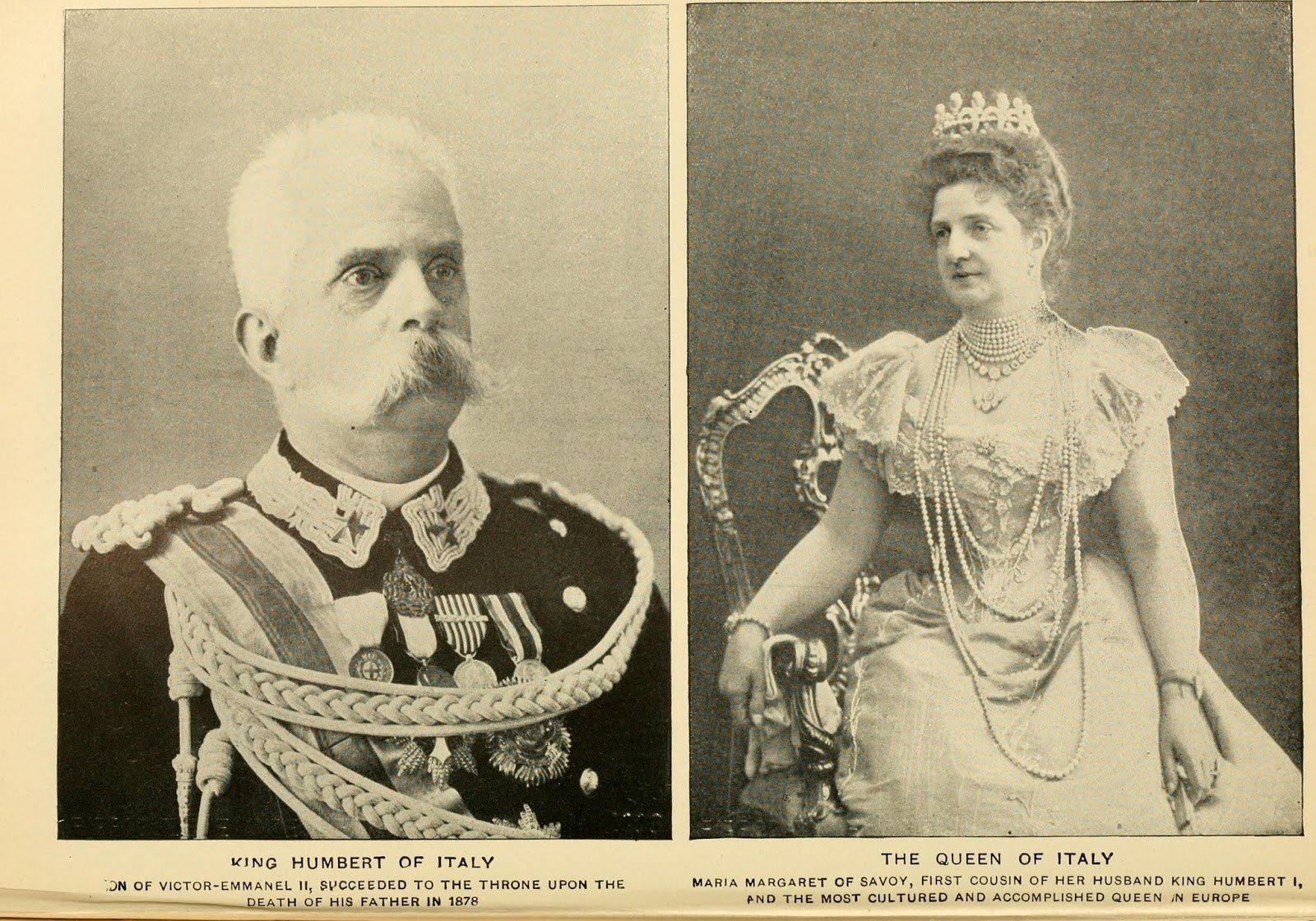
In 1889, King Umberto I and Queen Margherita of Savoy visited Naples in a bid to endear the monarchy to the southern populace. The Queen, reportedly tired of the heavy French cuisine dominant in European royal courts, requested to sample local Neapolitan specialties. Raffaele Esposito, a renowned pizza maker, was summoned to the Capodimonte Palace, where he prepared three different pizzas. The Queen’s favorite featured a topping of tomatoes, mozzarella, and fresh basil, deliberately mirroring the red, white, and green of the newly adopted Italian flag. In a masterstroke of diplomacy, Esposito named the dish “Pizza Margherita”.
While this event is a cornerstone of nationalist folklore, historical records reveal that the Margherita’s exact combination of ingredients was already being consumed by Neapolitans decades earlier. The author Francesco De Bourcard documented this specific preparation as early as 1866. Nonetheless, the royal encounter in 1889 remains a culturally significant milestone, transforming the Margherita into an edible flag and a unifying artifact for the young nation.
Terroir on a Plate: The Anatomy of a Masterpiece
The enduring legacy of Pizza Margherita lies in its adherence to the Mediterranean culinary philosophy of simplicity, balance, and absolute reverence for high-quality ingredients. To preserve this heritage, the Associazione Verace Pizza Napoletana (VPN or AVPN) was founded in 1984, establishing strict guidelines for authentic Neapolitan pizza.
The foundation of the Margherita is its dough, an exercise in restraint requiring only highly refined wheat flour (typically Type 00), pure water, sea salt, and yeast. Following traditional guidelines, this dough is hand-kneaded and undergoes a slow fermentation of up to 24 hours. This prolonged process breaks down complex carbohydrates, yielding a highly digestible, soft, and slightly elastic crust.
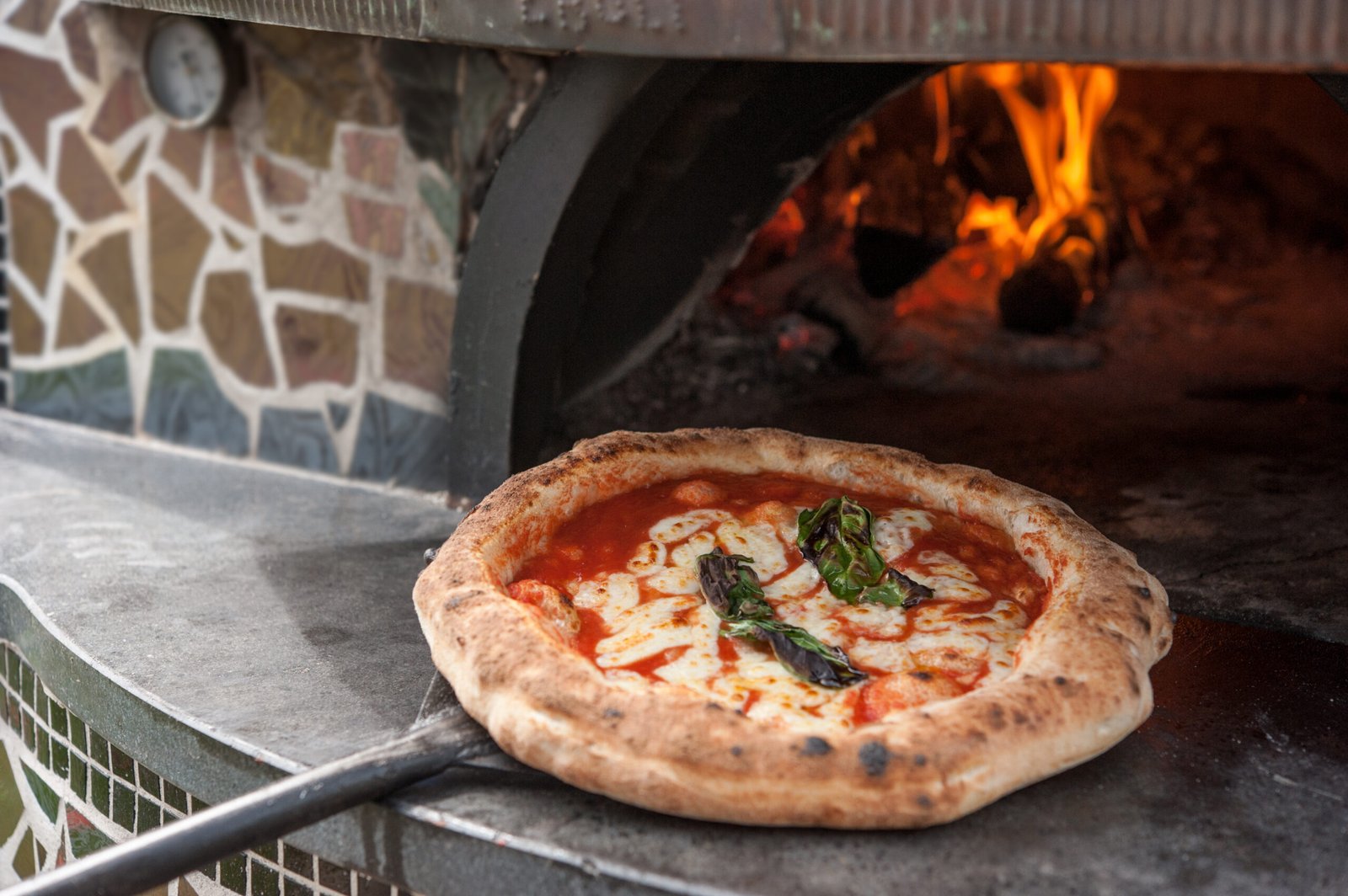
The toppings act as a canvas showcasing the agricultural wealth of the Campania region. The tomatoes must be of the San Marzano variety, grown in the volcanic soils deposited by Mount Vesuvius, which imparts a unique, low-acidity sweetness. The cheese is traditionally Mozzarella di Bufala Campana (water buffalo mozzarella) or high-quality Fior di Latte (cow’s milk mozzarella), both prized for melting seamlessly into the sauce. Fresh basil leaves provide aroma, while a drizzle of extra virgin olive oil unifies the flavors.
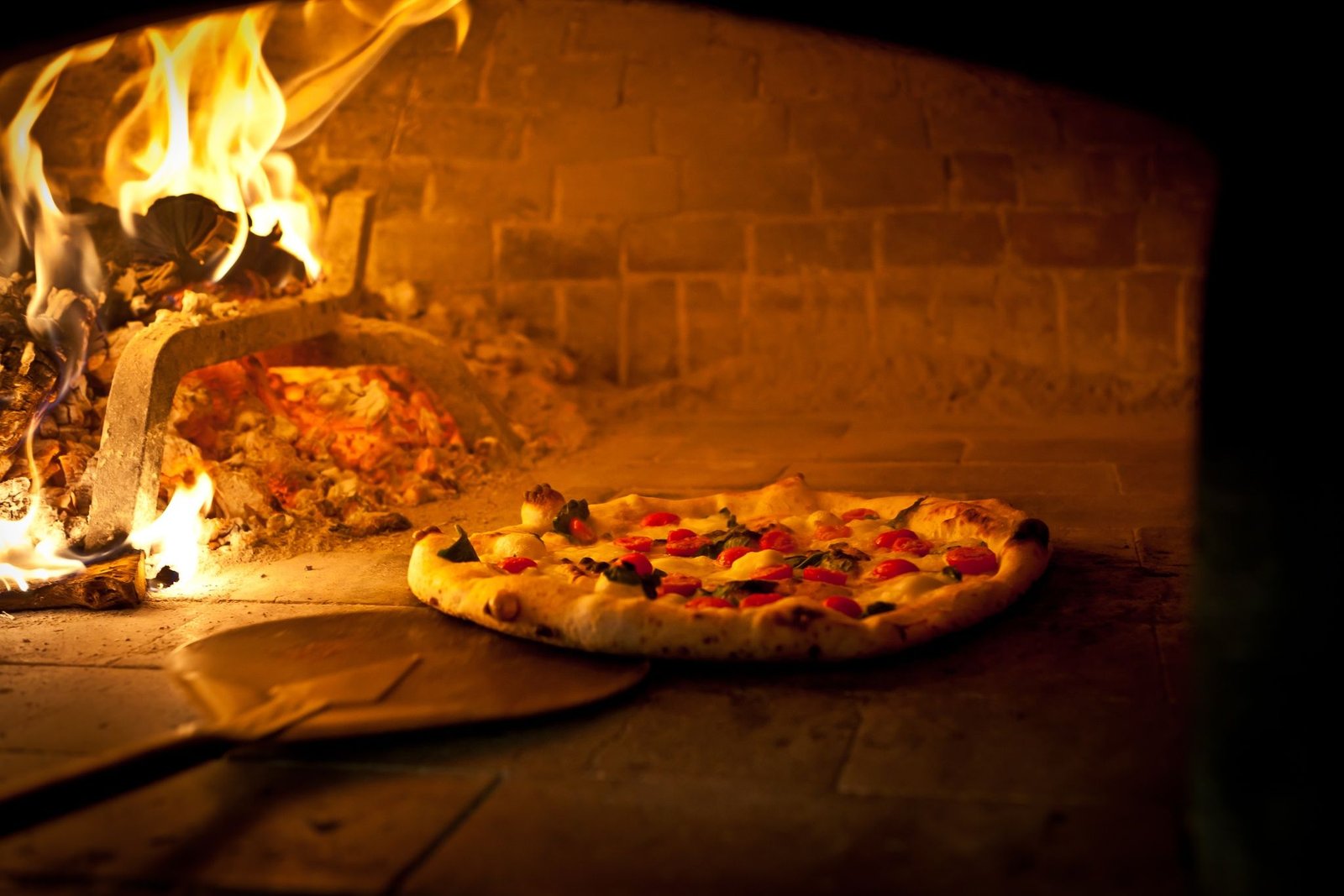
The baking process is an explosive alchemy. A true Neapolitan Margherita is cooked in a wood-fired, dome-shaped oven at scorching temperatures of roughly 485°C to 500°C (905°F). The pizza bakes in just 60 to 90 seconds, a rapid process that blisters the crust to create coveted “leopard spotting” (maculatura) while keeping the center deliciously soft and soupy.
Regional Variations and Global Domination
While the Neapolitan Margherita is the gold standard, pizza varies significantly across Italy. Northern Italian pizza features a thin, crisp crust and is baked in cooler electric ovens (around 320 degrees Celsius) for about five minutes. Furthermore, while southern pizza is typically sold whole as a single serving, cities like Rome and Sicily popularize pizza al taglio (“by the cut”), which is baked in sheet pans and sold in rectangular slices. Dining etiquette also differs; in Italy, pizza is traditionally eaten with a knife and fork, standing in stark contrast to the global habit of eating folded slices by hand.
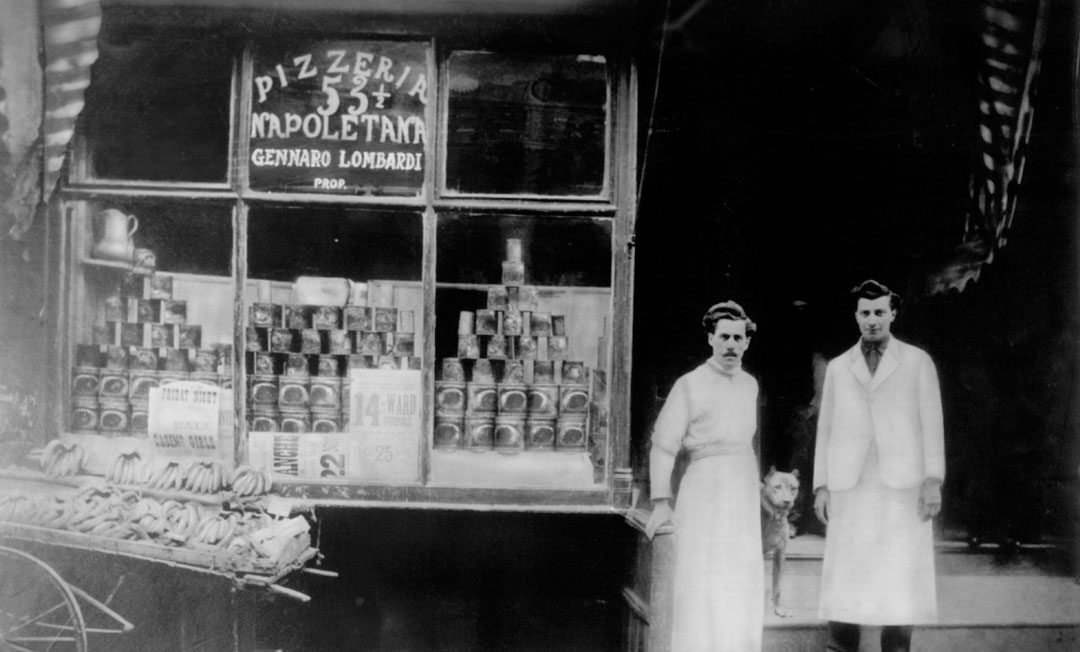
At the end of the 19th century, the influx of southern Italian immigrants introduced pizza to the New World, transforming it into North America’s most popular Italian food. This global migration spawned countless regional variations, ranging from Chicago deep-dish to the Canadian-invented Hawaiian pizza.
An Intangible Cultural Heritage
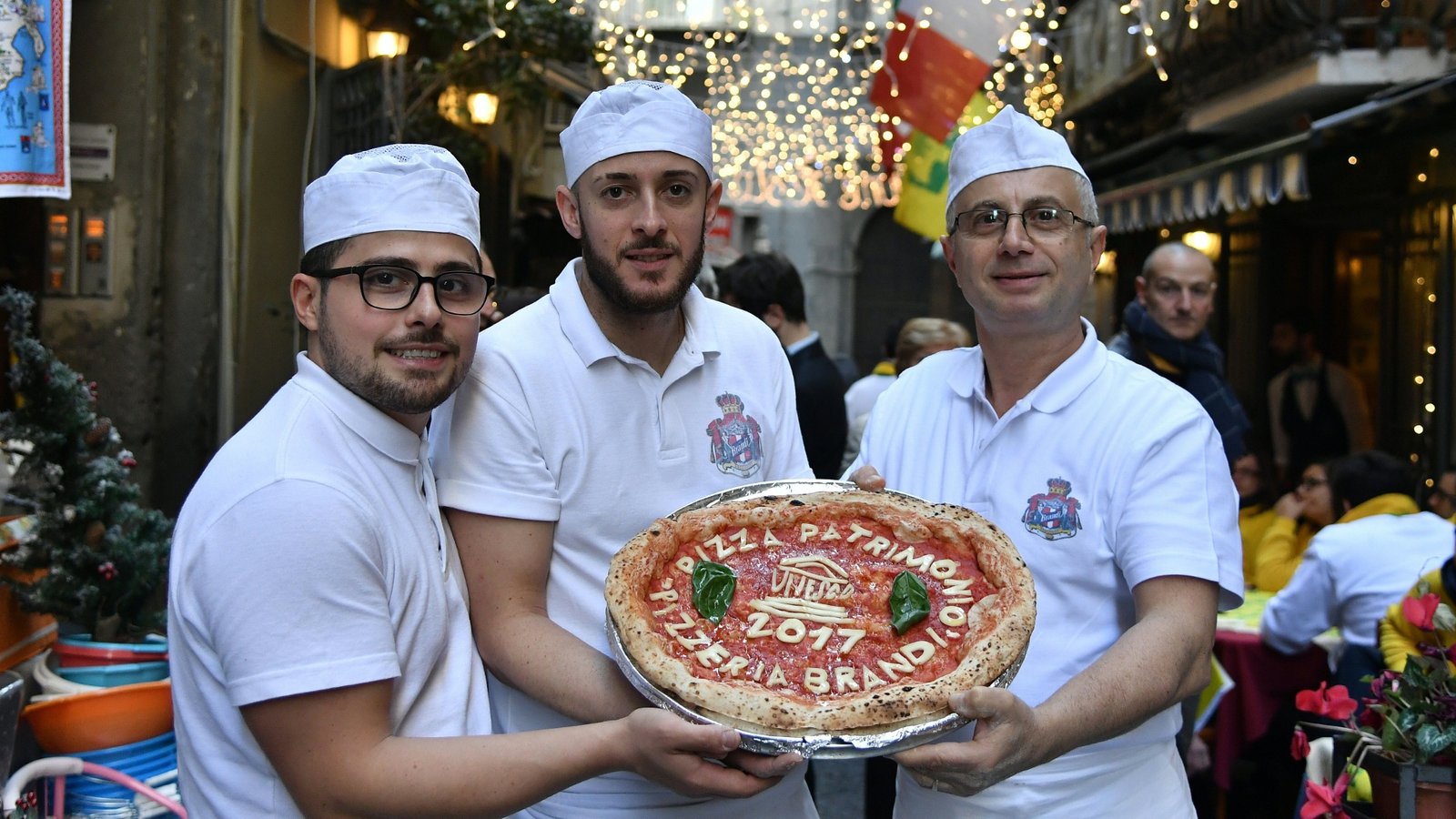
Despite centuries of global evolution, Pizza Margherita remains the purest expression of the pizza-making craft. Its profound cultural and historical weight has earned it the highest levels of institutional recognition. In 2010, Neapolitan pizza received the Specialità Tradizionale Garantita (STG) designation, and in 2017, the “Art of Neapolitan Pizzaiuolo” was officially inscribed on UNESCO’s list of intangible cultural heritage.
This recognition celebrates not just the physical dish, but the social rituals, the oral transmission of artisanal knowledge, and the community it fosters. Ultimately, Pizza Margherita is a brilliant paradox: a royal dish born from extreme poverty that has conquered the globe. In every bite, one tastes the history of a young nation, the richness of the volcanic earth, and the enduring beauty of the Mediterranean table.