The Landscape of Millennia
To hike in the Mediterranean is to engage in a profound physical dialogue with history. Long before the advent of modern highways or high-speed ferries, the basin was navigated on foot. The trails that crisscross the coastlines, scale the limestone peaks, and wind through fragrant pine forests were not created for recreation; they were carved by necessity. They are the ancient arteries of the region—shepherd routes, pilgrim paths, military roads, and smuggling trails. Today, these paths offer the modern traveler the most intimate way to experience the shared topography and enduring spirit of the Mediterranean.
Walking these routes reveals a unifying ecological identity. Whether you are trekking in the rugged mountains of the Balkans or the coastal cliffs of the Levant, the sensory experience is strikingly similar. The crunch of dry limestone underfoot, the sudden, brilliant flash of the azure sea below, and the pervasive scent of the maquis or garrigue—that resilient coastal scrubland rich with wild thyme, rosemary, and juniper—form a shared environmental language across three continents.
The Western Edge: Iberian Cliffs and Island Peaks
Our journey begins in the Western Mediterranean, where the mountains plunge dramatically into the sea. In Spain, the focus shifts from the crowded beaches to the spectacular coastal paths. The Camí de Ronda along the Costa Brava is a prime example, originally built to help the Guardia Civil control the maritime border and stop smuggling. Today, it offers a breathtaking, undulating hike connecting hidden coves and pine-shaded cliffs. For a more mountainous challenge, the island of Mallorca harbors the Serra de Tramuntana. A UNESCO World Heritage site, this mountain range features the Dry Stone Route (Ruta de Pedra en Sec), which guides hikers through ancient olive terraces, charcoal burners’ paths, and remote hilltop monasteries, perfectly illustrating the human adaptation to the rugged Mediterranean terrain.
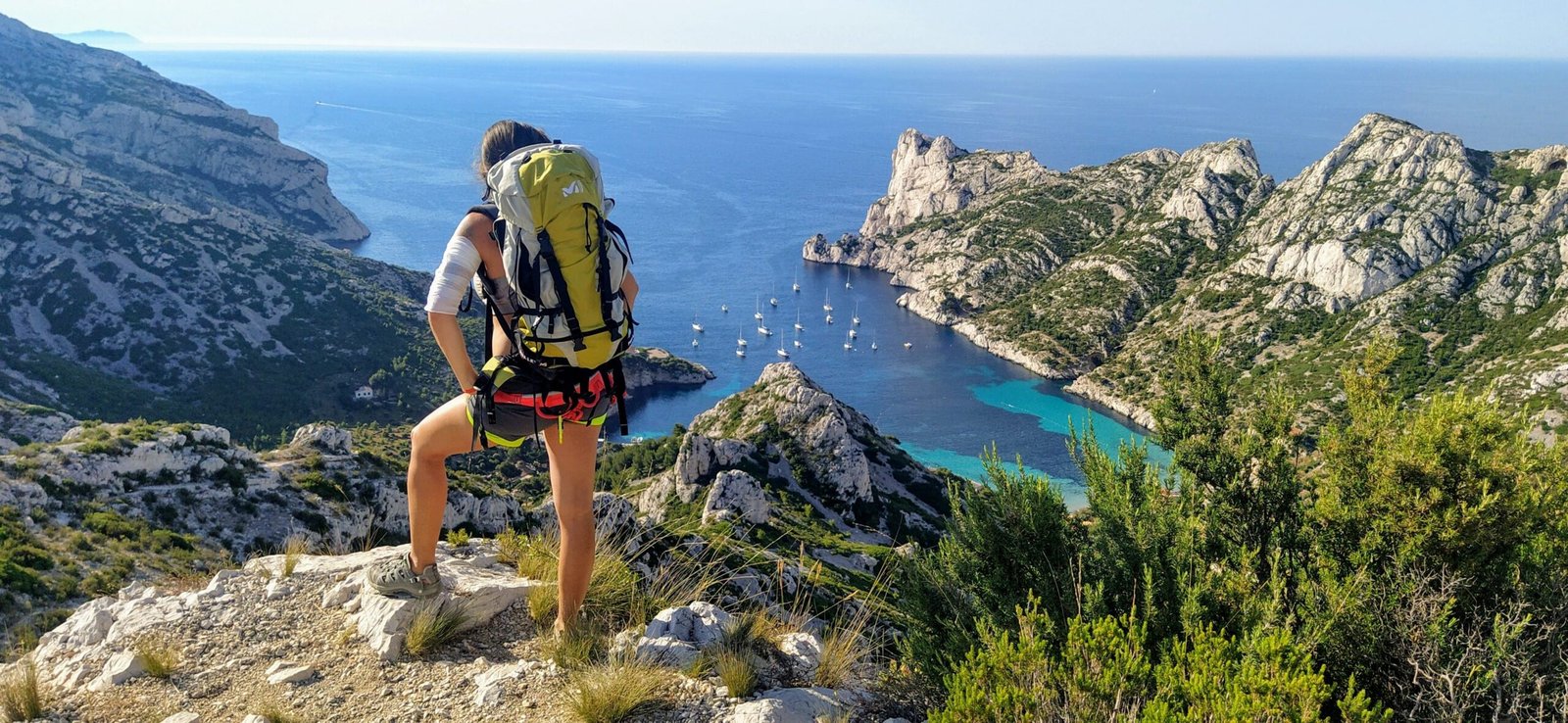
Just across the water, the French island of Corsica hosts what is widely considered the most difficult long-distance trek in Europe: the GR20. This trail is not for the faint of heart. It bisects the island diagonally, taking hikers over jagged granite peaks, through dense forests, and past glacial lakes. It is a wild, alpine experience in the middle of the Mediterranean, showcasing the extreme geographic diversity of the region. On the French mainland, the Calanques National Park near Marseille offers a different kind of drama. Here, hikers navigate deep, narrow limestone fjords that shelter crystalline waters, demonstrating the stark, blinding contrast between white rock and blue sea.
The Italian Peninsula: From the Alps to the Ashes
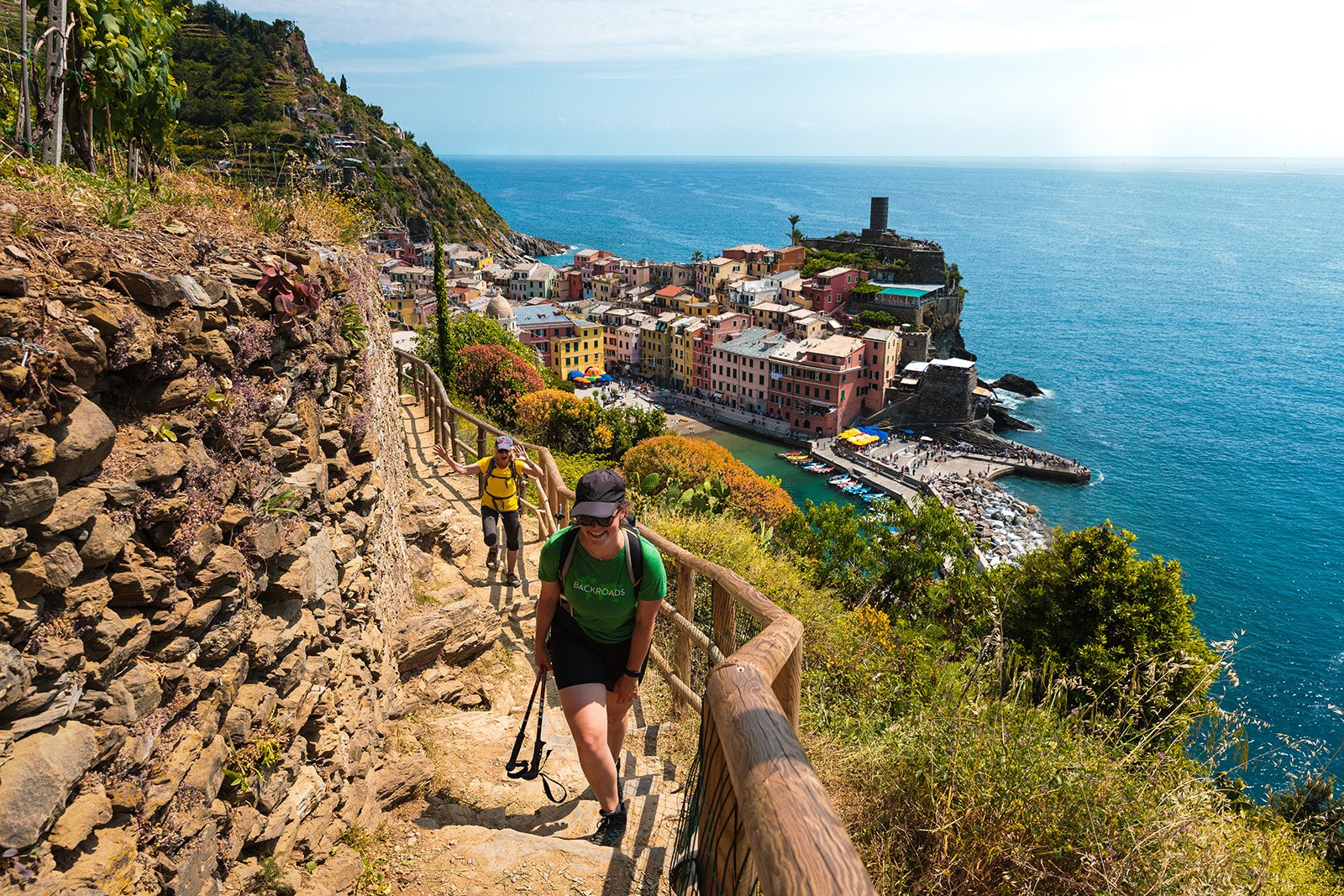
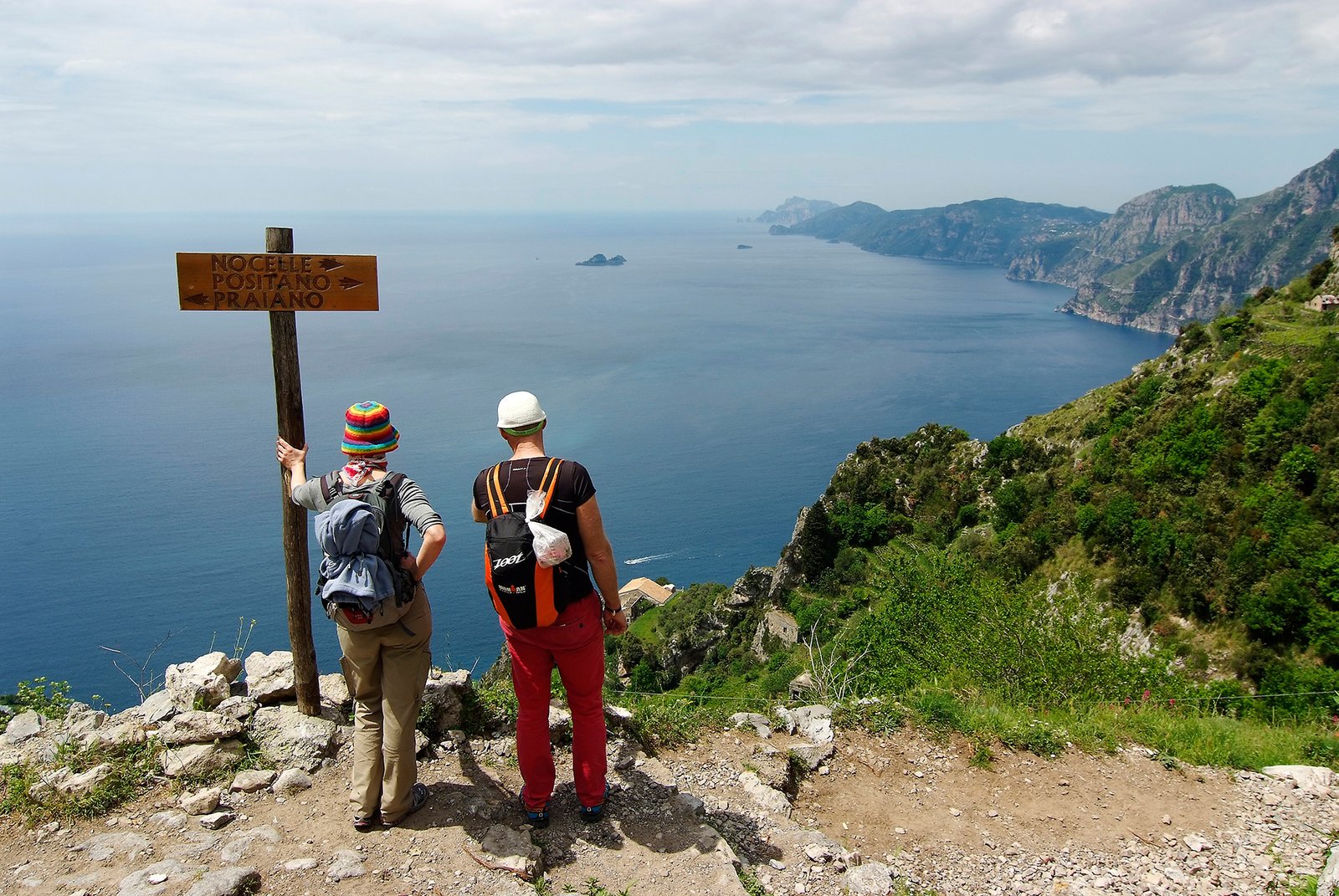
Italy’s geography offers a hiking experience that spans from the alpine borders down to the volcanic south. While the Cinque Terre’s Blue Trail is world-famous—connecting five pastel-colored fishing villages through terraced vineyards—it is often crowded. For a truly mythic experience, hikers head south to the Amalfi Coast to walk the Sentiero degli Dei, or the Path of the Gods. True to its name, this high-altitude trail offers a god’s-eye view of the Tyrrhenian Sea, winding past abandoned farmhouses and through fragrant lemon groves, far above the bustling coastal roads.
Further south, the hiking transforms from limestone to lava. Sicily offers the unparalleled experience of trekking on Mount Etna, Europe’s most active volcano. Guided hikes take adventurers through otherworldly landscapes of black ash, smoking craters, and sudden, vibrant bursts of endemic flora that have managed to colonize the basaltic rock. It is a visceral reminder of the tectonic volatility that shaped, and continues to shape, the entire Mediterranean basin.
The Adriatic and the Rugged Balkans
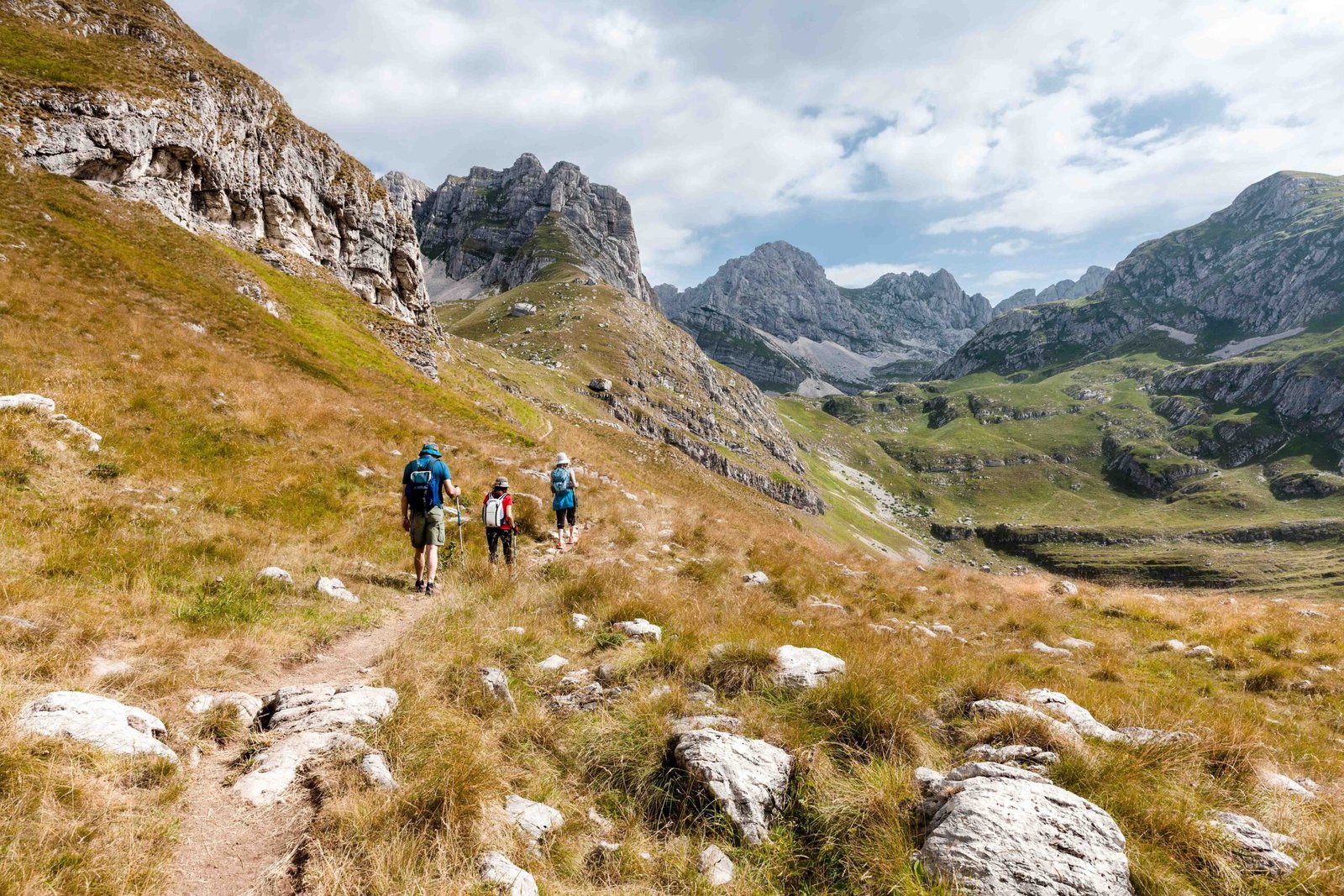
Crossing the Adriatic Sea, we encounter some of the most dramatic, yet least explored, trekking terrain in Europe. The Dinaric Alps stretch down the eastern coast of the Adriatic, and the ambitious Via Dinarica trail seeks to connect them all, running from Slovenia down through Croatia, Bosnia and Herzegovina, Montenegro, and into Albania.
This mega-trail is a masterclass in karstic geology, featuring deep river canyons, subterranean cave systems, and stark white peaks. In Montenegro, the trails of Durmitor National Park offer access to the Tara River Canyon, one of the deepest gorges in the world. As the trail moves south into the “Accursed Mountains” (Proletije) spanning the borders of Montenegro, Albania, and Kosovo, the terrain becomes wildly remote. Hiking the Peaks of the Balkans trail here is not just a physical challenge; it is an immersion into a highland culture where traditional hospitality and ancient codes of conduct still govern the isolated shepherd communities.
The Eastern Corridors: Hellenic Gorges and Anatolian Ruins
The Eastern Mediterranean marries spectacular hiking with dense archaeological richness. Greece, a country that is 80% mountainous, is a trekker’s paradise. While the ascent of Mount Olympus—the mythic home of the gods—attracts serious mountaineers, the island of Crete offers the legendary Samaria Gorge. Hiking down this 16-kilometer chasm, with vertical walls soaring hundreds of meters high, is a descent through geological time, eventually spilling out onto the shores of the Libyan Sea. For a more sustained cultural immersion, the Menalon Trail in the Peloponnese winds through the Lousios River gorge, connecting isolated mountain villages and stone monasteries that cling seemingly to thin air.
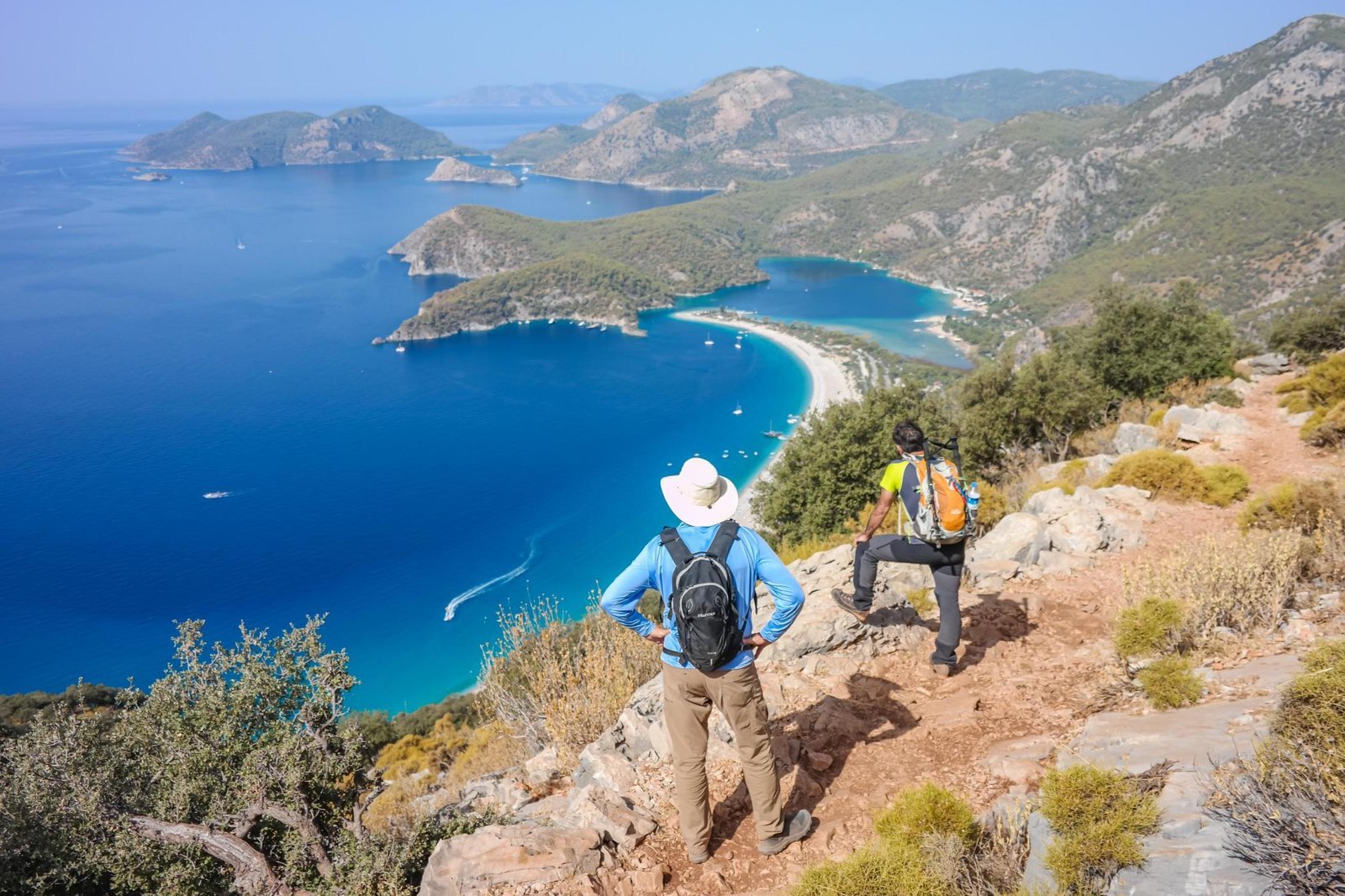
Across the Aegean, Turkey boasts one of the world’s greatest long-distance footpaths: the Lycian Way. Stretching over 500 kilometers along the Teke Peninsula, this route is the ultimate synthesis of nature and history. Hikers walk on original Roman roads, navigate through dense pine forests, and camp beside the deserted ruins of ancient Lycian cities, amphitheaters, and monumental rock tombs. The Lycian Way perfectly encapsulates the Mediterranean hiking experience: you are never simply walking through nature; you are walking through the layered ruins of civilization.
The Levantine and African Frontiers
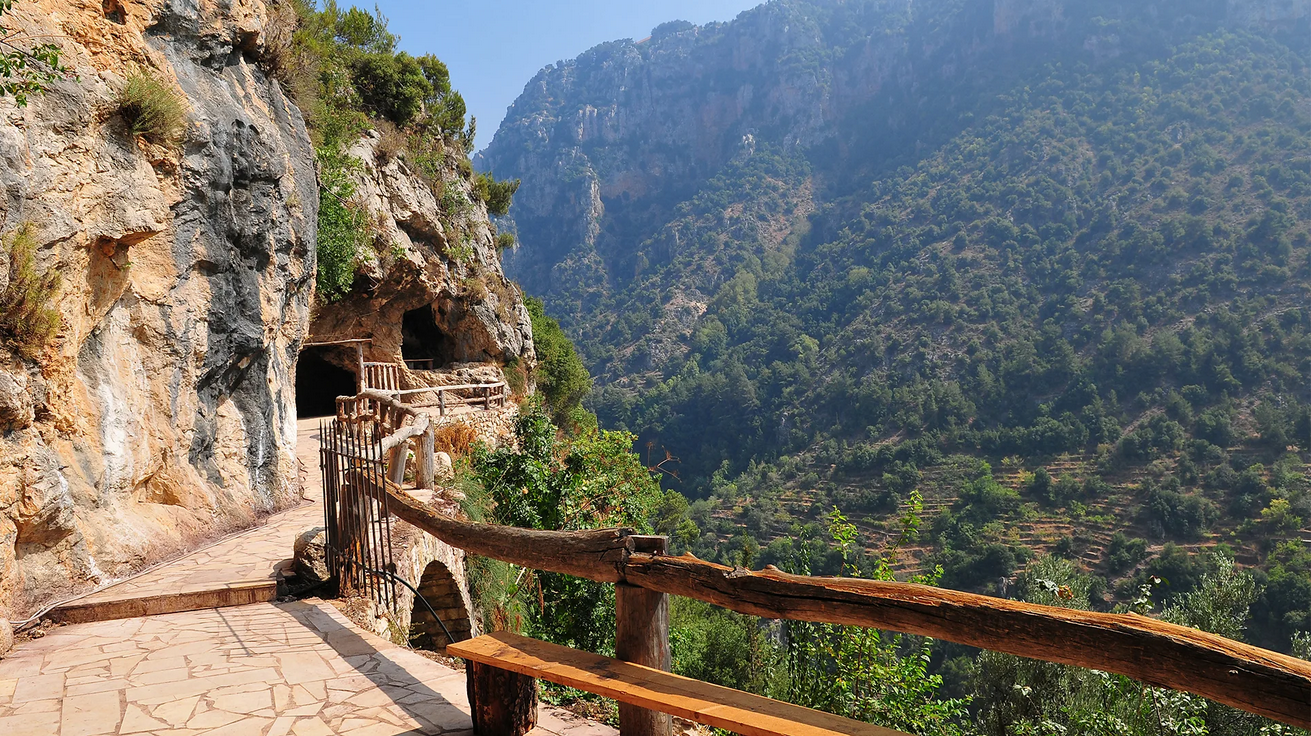
The eastern and southern shores offer trails that navigate complex geopolitical landscapes while revealing astonishing natural beauty and deep spiritual heritage. The Lebanon Mountain Trail (LMT) spans the length of the country, from north to south. It is a unifying project in a historically divided land, taking hikers through the legendary cedar forests of Bsharri, deep into the Qadisha Valley—a refuge for early Christian monks—and past Druze villages in the Chouf Mountains. The LMT is a testament to the fact that the mountains of the Levant have always served as sanctuaries and crossroads.
In North Africa, while the coastline is heavily populated, the immediate interior offers world-class trekking. Morocco’s Rif Mountains, rising just behind the Mediterranean coast, offer lush, green hiking trails centered around the famous blue city of Chefchaouen. Further inland, the High Atlas Mountains, while not strictly coastal, dictate the climate and culture of the region. Trekking to the summit of Mount Toubkal, the highest peak in North Africa, involves passing through ancient Amazigh (Berber) villages built from the red earth, offering a glimpse into an agricultural lifestyle that has sustained the southern Mediterranean for millennia.
The Rhythm of the Trail
To hike the Mediterranean requires an understanding of its seasons. The relentless summer sun makes mid-day trekking dangerous and exhausting in July and August. Instead, the hiking calendar revolves around the shoulder seasons. Spring brings an explosion of wildflowers and rushing rivers fed by snowmelt, while autumn offers warm seas for post-hike swimming and the communal joy of the olive and grape harvests.
Ultimately, trekking across these twenty-one nations reveals a profound truth about the Mediterranean. Despite the myriad of languages spoken in the villages along these routes, the physical act of walking the land connects the traveler to a shared heritage. To drink from a mountain spring in Albania, to rest in the shade of a carob tree in Cyprus, or to trace a Roman aqueduct on foot in Spain is to participate in the oldest and most authentic rhythm of Mediterranean life.