A Vision Born of the Sea
While the Olympic Games capture the attention of the globe, there exists a unique, regional celebration of athleticism that speaks directly to the soul of the Middle Sea. The Mediterranean Games are far more than a quadrennial sporting event; they are a physical manifestation of a shared cultural identity. Spanning three continents—Europe, Africa, and Asia—these games bring together nations that have traded, fought, and intermingled for millennia. In an era often defined by geopolitical division, the Mediterranean Games serve as a powerful, recurring reminder that the waters of this basin connect us far more deeply than national borders divide us.The Genesis of a Dream
The core mission of the Mediterranean Games is encapsulated in its enduring motto: “Amity and peace through sport.” Unlike global mega-events where the primary focus can sometimes shift toward intense national rivalries and commercial dominance, the Mediterranean Games maintain a distinct focus on fraternity. The event provides a vital neutral ground where athletes from nations that may be experiencing diplomatic tensions can meet on the track, the mat, or the field with mutual respect.
This philosophy of interconnectedness is beautifully illustrated by the official emblem of the games. Rather than the five rings of the Olympics, the Mediterranean Games feature three interlocking white rings representing the continents of Africa, Asia, and Europe. The lower half of these rings is rendered with a wavy line, symbolizing their reflection in the waters of the Mediterranean Sea. It is a visual promise that the sea is not a barrier separating these continents, but a shared mirror reflecting a common human endeavor.
The Mission and the Symbol
The concept of the Mediterranean Games was born in the aftermath of the Second World War, a period when the need for international reconciliation was paramount. The visionary behind this endeavor was Muhammed Taher Pasha, an Egyptian political figure and member of the International Olympic Committee. During the 1948 Summer Olympics in London, Taher Pasha proposed a regional competition specifically for the countries bordering the Mediterranean. His rationale was profound yet simple: despite differences in religion, language, and modern political alignments, the people of the Mediterranean share a distinct climate, a historical lineage, and a common temperament.
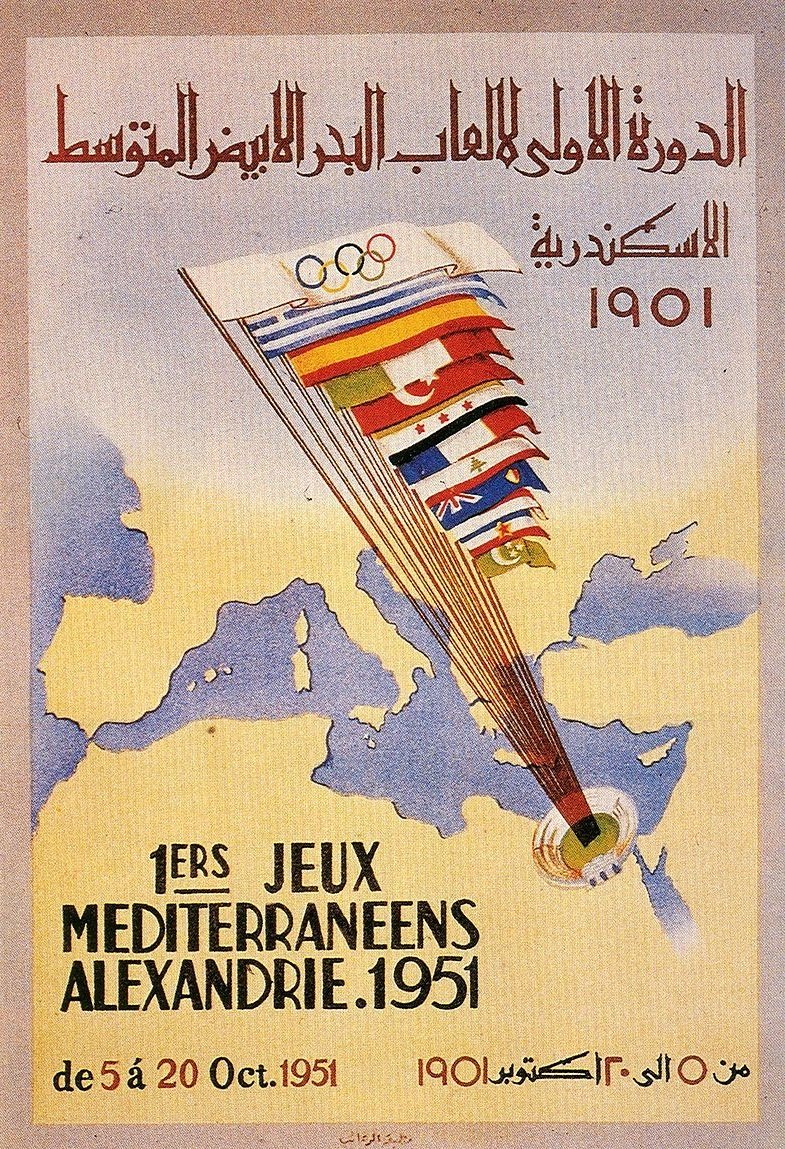
This vision materialized just a few years later. In the autumn of 1951, the inaugural Mediterranean Games were held in Alexandria, Egypt. The choice of Alexandria—a city founded by a Macedonian king, heavily influenced by Greek and Roman culture, and anchored in North Africa—was deeply symbolic. Athletes from ten nations gathered to compete in over a dozen sports, laying the foundation for a tradition that would steadily grow in prestige and participation over the ensuing decades.
Evolution and Historic Milestones
Over the past seven decades, the games have evolved significantly, reflecting the changing social and political landscape of the region. The early iterations were exclusively male domains, but a critical milestone was reached during the 1967 Games in Tunis, Tunisia, where female athletes were permitted to compete for the first time. This inclusion marked a vital step forward in modernizing the region’s sporting culture and providing a platform for female athletic excellence from North Africa to Southern Europe.
The roster of participating nations has also expanded, adapting to the geopolitical shifts of the late 20th century. The dissolution of Yugoslavia, for instance, led to the independent participation of newly formed Adriatic nations like Croatia, Slovenia, Montenegro, and Bosnia and Herzegovina, bringing fresh athletic powerhouses into the fold. Furthermore, the inclusion of non-coastal nations like San Marino, Andorra, and North Macedonia reflects an understanding that the “Mediterranean identity” extends geographically inland, influencing the culture and history of the broader basin.
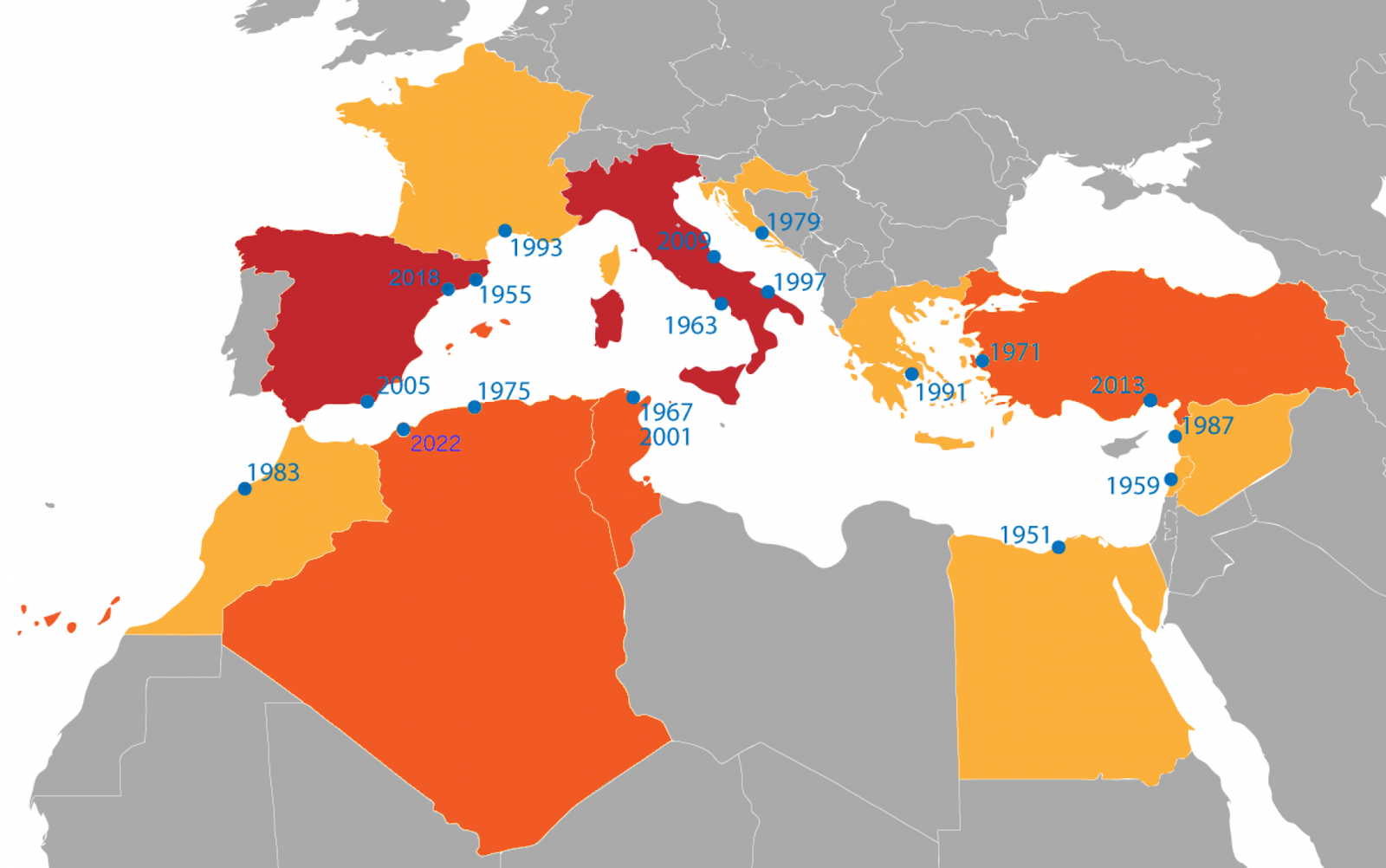
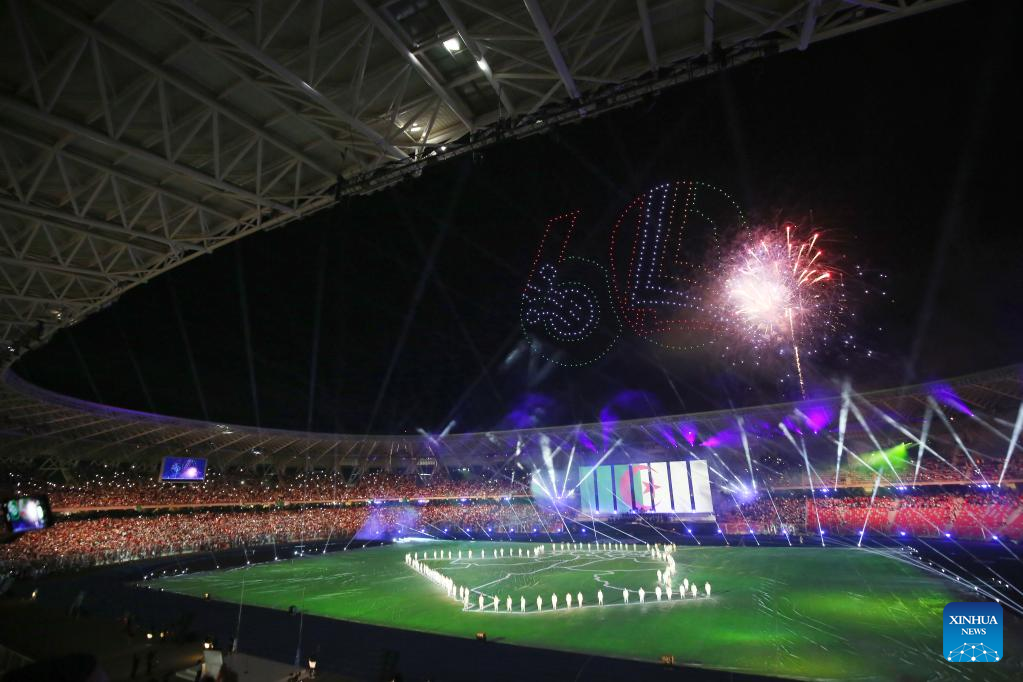
Recent decades have seen the games hosted across a diverse array of cities, from the coastal beauty of Pescara, Italy, to the historic port of Mersin, Turkey, and the vibrant streets of Oran, Algeria, in 2022. Each host city infuses the games with its own local flavor, turning the opening and closing ceremonies into spectacular showcases of regional music, dance, and history.
A Unique Sporting Culture
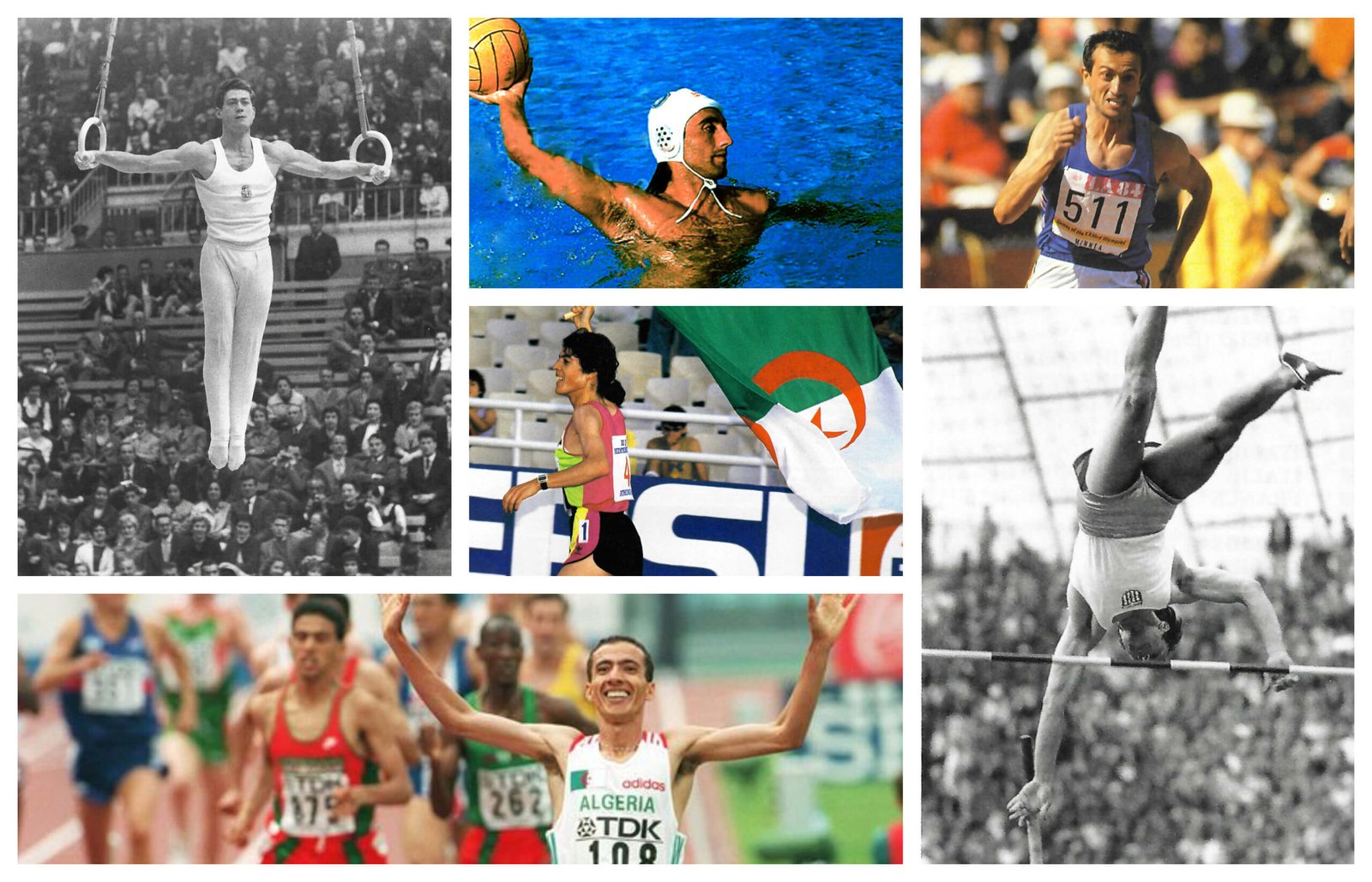
The athletic program of the Mediterranean Games is officially recognized by the International Olympic Committee and features many of the traditional Olympic staples, including athletics, swimming, gymnastics, and weightlifting. However, the true charm of the event lies in its inclusion of sports that hold specific cultural resonance within the basin.
For example, the inclusion of Boules (or Bocce/Pétanque) elevates a beloved, everyday Mediterranean pastime to the level of international competition. Similarly, combat sports like wrestling and judo often draw massive, passionate crowds, reflecting the deep historical roots of these disciplines in the region’s ancient cultures. The atmosphere in the stadiums is frequently described by athletes as more intimate and communal than the global Olympics. It is an environment where the shared understanding of a “Mediterranean temperament”—passionate, expressive, and deeply hospitable—permeates both the stands and the athletes’ village.
The Flame Continues
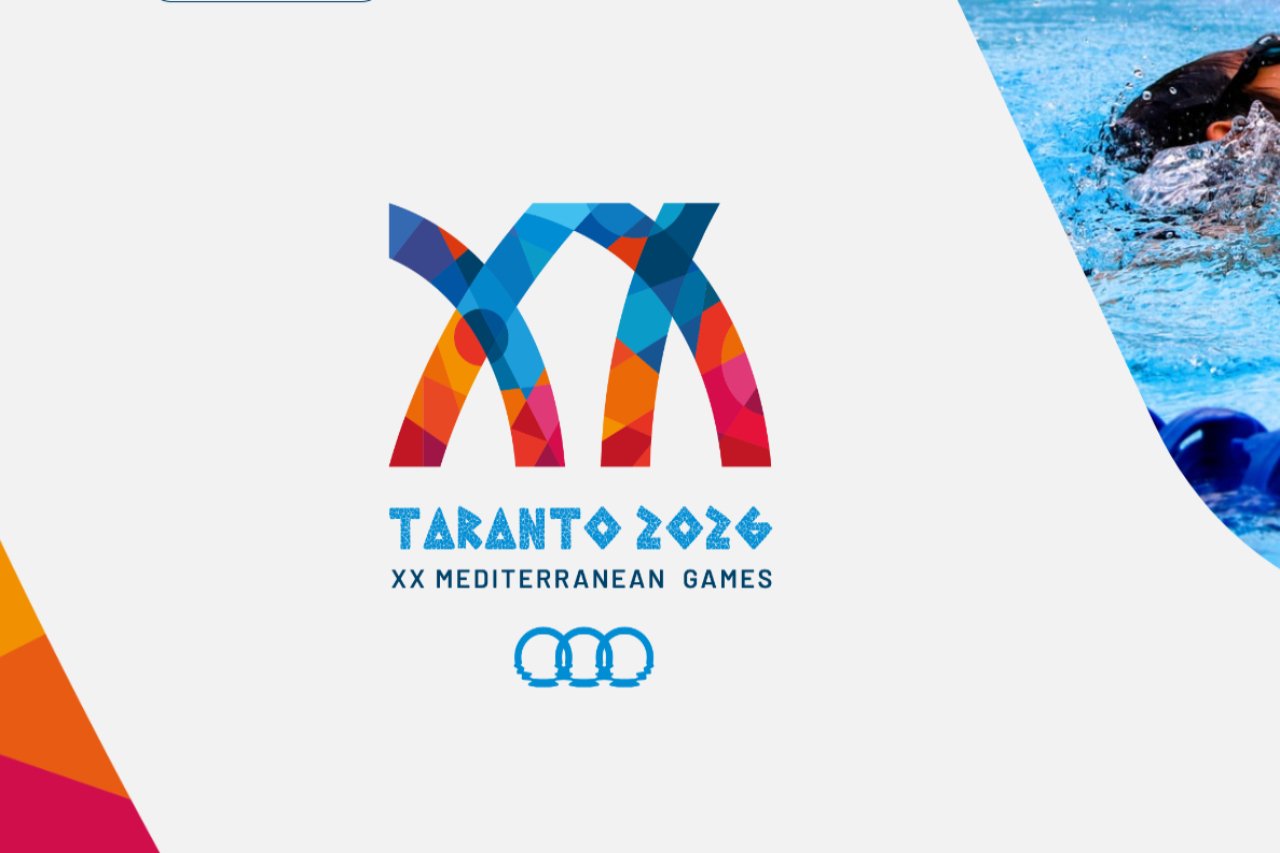
As we look toward the future, with the upcoming games slated for Taranto, Italy, in 2026, the relevance of the Mediterranean Games remains undiminished. In a world grappling with complex environmental, economic, and political challenges, the simple act of gathering the youth of three continents to compete under a single, unifying banner is an act of profound optimism. The Mediterranean Games stand as a testament to the belief that our shared heritage is our greatest strength, and that the shores of this ancient sea are meant to be a stage for collaboration, celebration, and enduring peace.