

The Ancient Vine
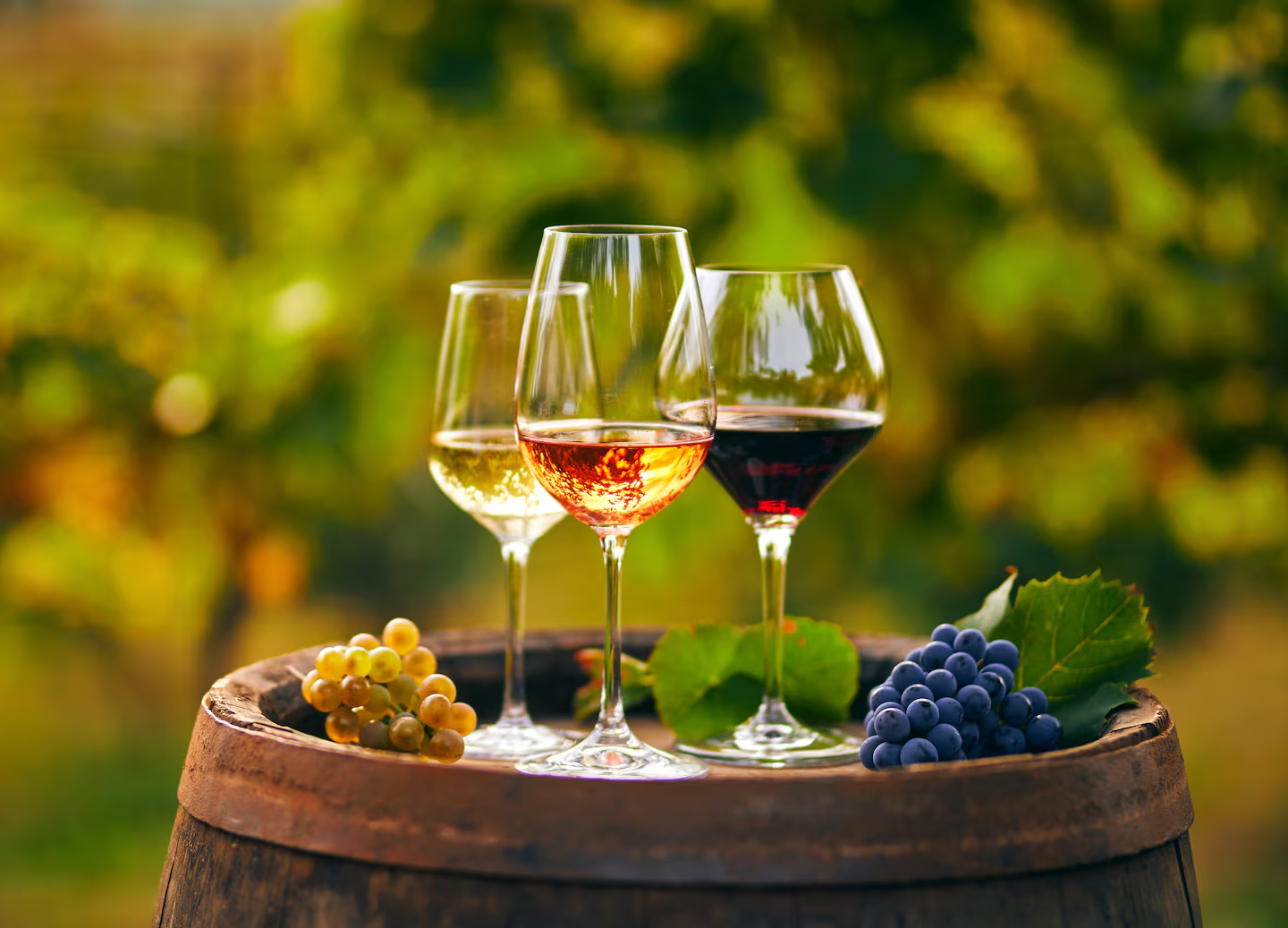
To speak of wine in the Mediterranean is to speak of the region’s very soul. Long before borders were drawn or modern languages were spoken, the grapevine was weaving a shared cultural identity across the shores of the Middle Sea. Wine is the blood of the Mediterranean earth, a liquid timeline that chronicles the rise and fall of empires, the spread of religions, and the enduring agricultural genius of its people.
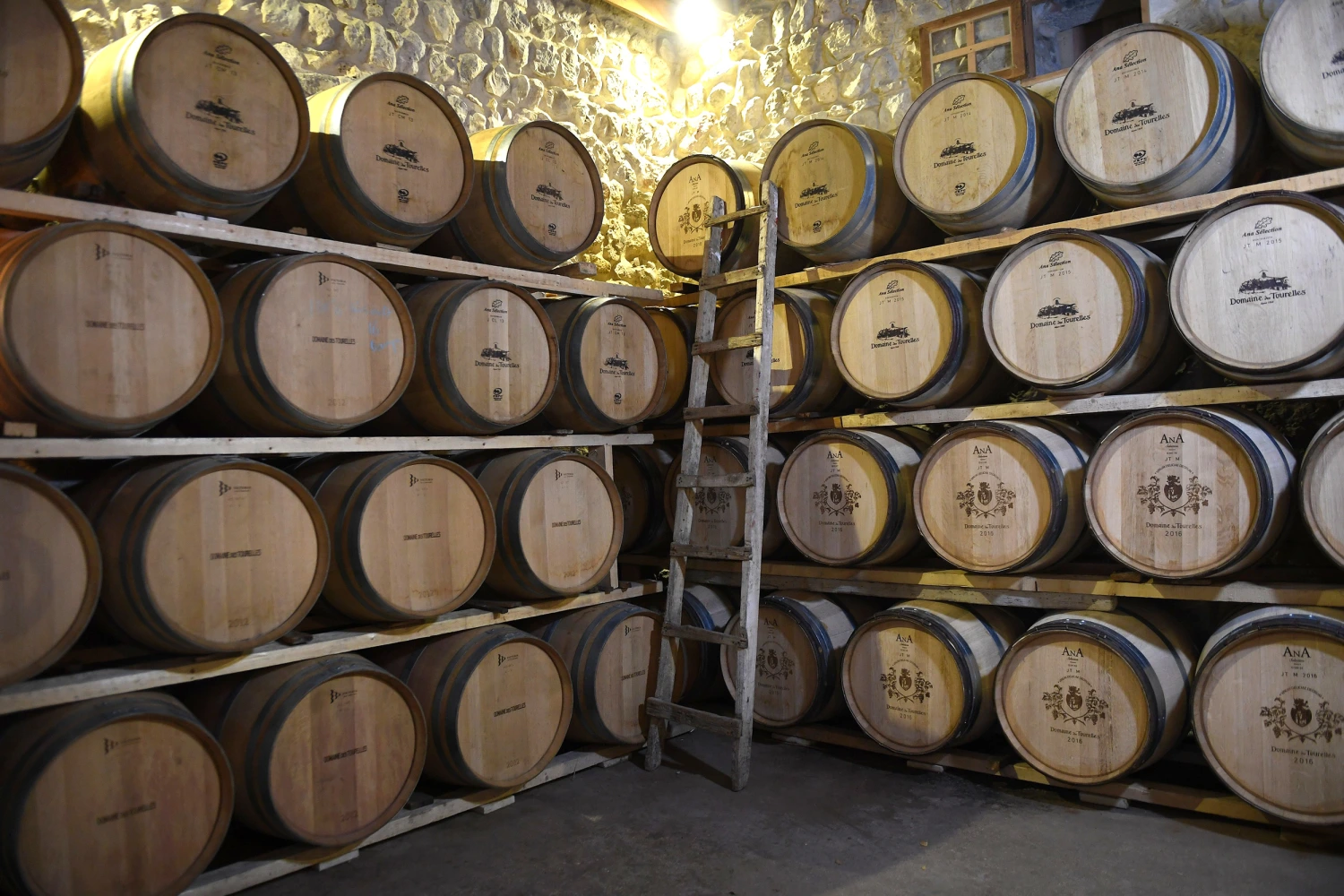
The story begins in the eastern reaches of the basin and the Levant, where the wild vine was first domesticated millennia ago. It was the Phoenicians, the great maritime merchants of antiquity, who first recognized the commercial and cultural power of wine, carrying vines and viticultural knowledge in their cedar ships to the coasts of North Africa, Sicily, and Iberia. The Greeks elevated wine from a mere beverage to a divine gift, placing Dionysus at the center of their mythology and establishing the symposium—a ritualized gathering where wine fueled philosophical debate and social cohesion. Later, the Roman Empire acted as the great consolidator, planting vineyards from the Levant to the Iberian Peninsula to supply their expanding legions. They revolutionized production with the wooden barrel and the glass bottle, creating a unified viticultural landscape. Even as empires fractured and religions shifted, wine remained deeply embedded in the Mediterranean psyche, transitioning seamlessly into the sacred rituals of the Christian Eucharist and surviving in the agricultural traditions and poetic legacy of the Islamic Golden Age.
The Western Powerhouses: Tradition and Terroir
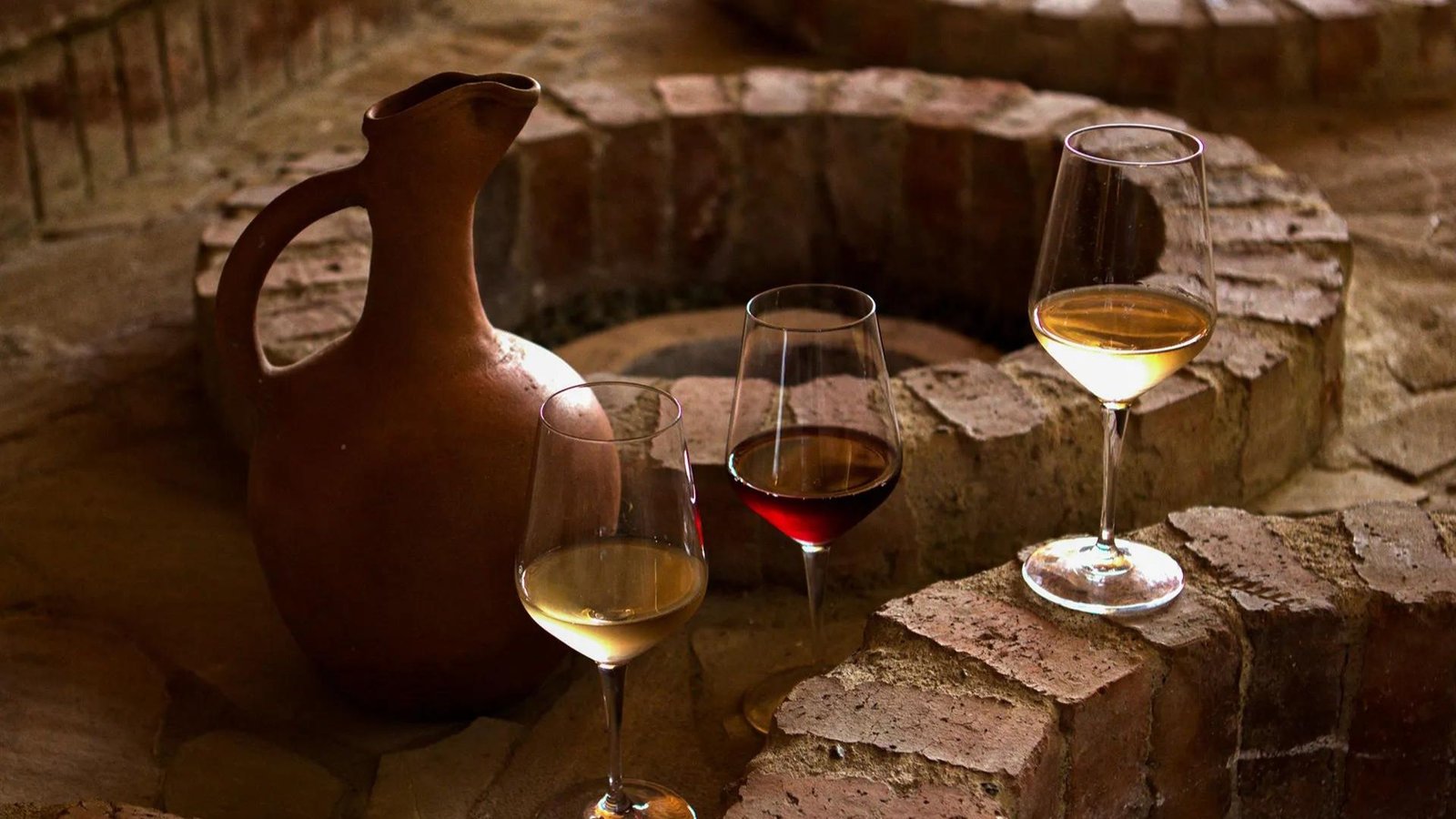
Today, the Western Mediterranean—specifically Italy, France, and Spain—dominates the global wine stage, producing a staggering percentage of the world’s supply. In this region, wine is not merely a sector of the economy; it is a fiercely protected cultural artifact. This is the birthplace of the terroir concept, the profound belief that a wine is the unrepeatable expression of its specific soil, climate, and topography.
In Italy, wine production is as geographically diverse as the country itself. From the Nebbiolo grapes cultivated in the misty hills of Piedmont to the sun-baked Primitivo of Puglia, the Italian approach is deeply regional. Consumption here is historically an everyday affair, an indispensable companion to food rather than a standalone luxury. Similarly, the Mediterranean coast of France, stretching from the robust reds of the Languedoc-Roussillon to the pale, elegant rosés of Provence, treats viticulture as an exact science and a high art. France gave the world the rigid appellation system (AOC), a legal framework that guards the authenticity of regional wines and has since been adopted basin-wide. Spain, possessing the largest surface area of vineyards in the world, offers a fascinating contrast. While historically known for bulk production, modern Spanish viticulture has undergone a massive quality revolution. The intense, arid climate of regions like Catalonia and Andalusia yields deeply concentrated wines, with traditional fortified wines like Sherry remaining a testament to historic Moorish and Christian blending techniques. Across all three nations, a significant shift in consumption patterns is underway: while the total volume of daily wine consumed has decreased over the last few decades, the demand for premium, organic, and hyper-local vintages has skyrocketed.
The Eastern Renaissance: Reclaiming Ancient Roots
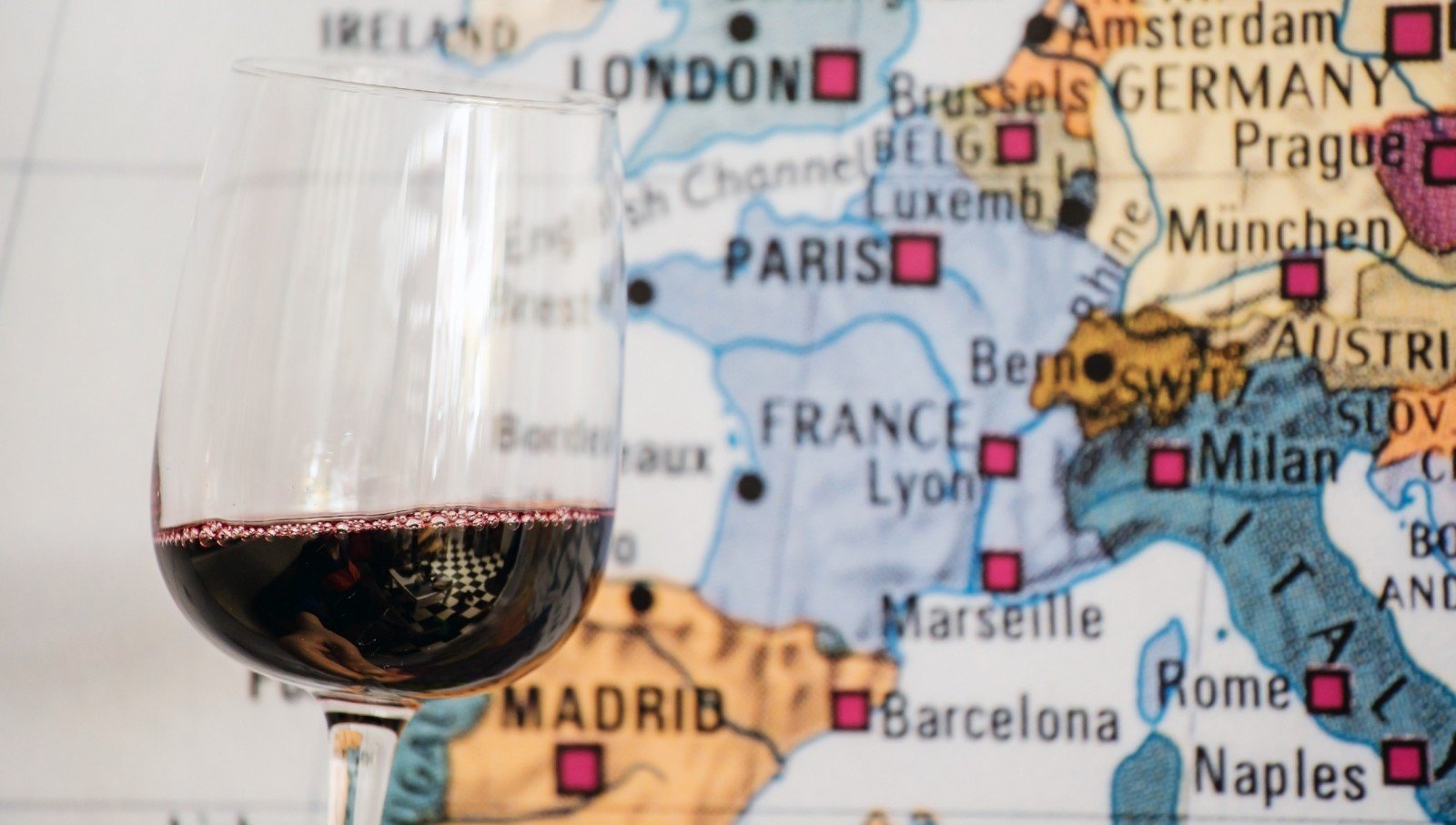
Moving eastward into the Aegean and the Adriatic, the wine culture is experiencing a thrilling renaissance. For centuries, the Eastern Mediterranean’s viticultural heritage was somewhat overshadowed by the West, but today, nations like Greece, Cyprus, and Croatia are reclaiming their status as the original masters of the vine.
Greece is leading this charge by proudly championing its indigenous grape varieties rather than relying on international imports. The volcanic soils of Santorini produce the world-renowned Assyrtiko, a white wine of piercing acidity and mineral depth that tastes unmistakably of the sea. Consumption in Greece mirrors its lifestyle: communal, joyful, and inextricably linked to the meze table. Further south, the island of Cyprus boasts Commandaria, a sweet dessert wine made from sun-dried grapes that holds the title of the world’s oldest named wine still in production. Tracing its origins back to the Crusades, it is a literal taste of medieval history. Turkey occupies a unique and fascinating space in this landscape. It is one of the largest producers of grapes in the world, yet only a tiny fraction is vinified into wine due to domestic religious and political complexities. Nevertheless, a passionate boutique wine movement is flourishing in regions like Thrace and the Aegean coast, reviving ancient Anatolian grapes such as Öküzgözü and Boğazkere to create complex, spicy reds that are slowly capturing the attention of the global market.
The Resilient South and Levant: Sands, Cedars, and Syrah
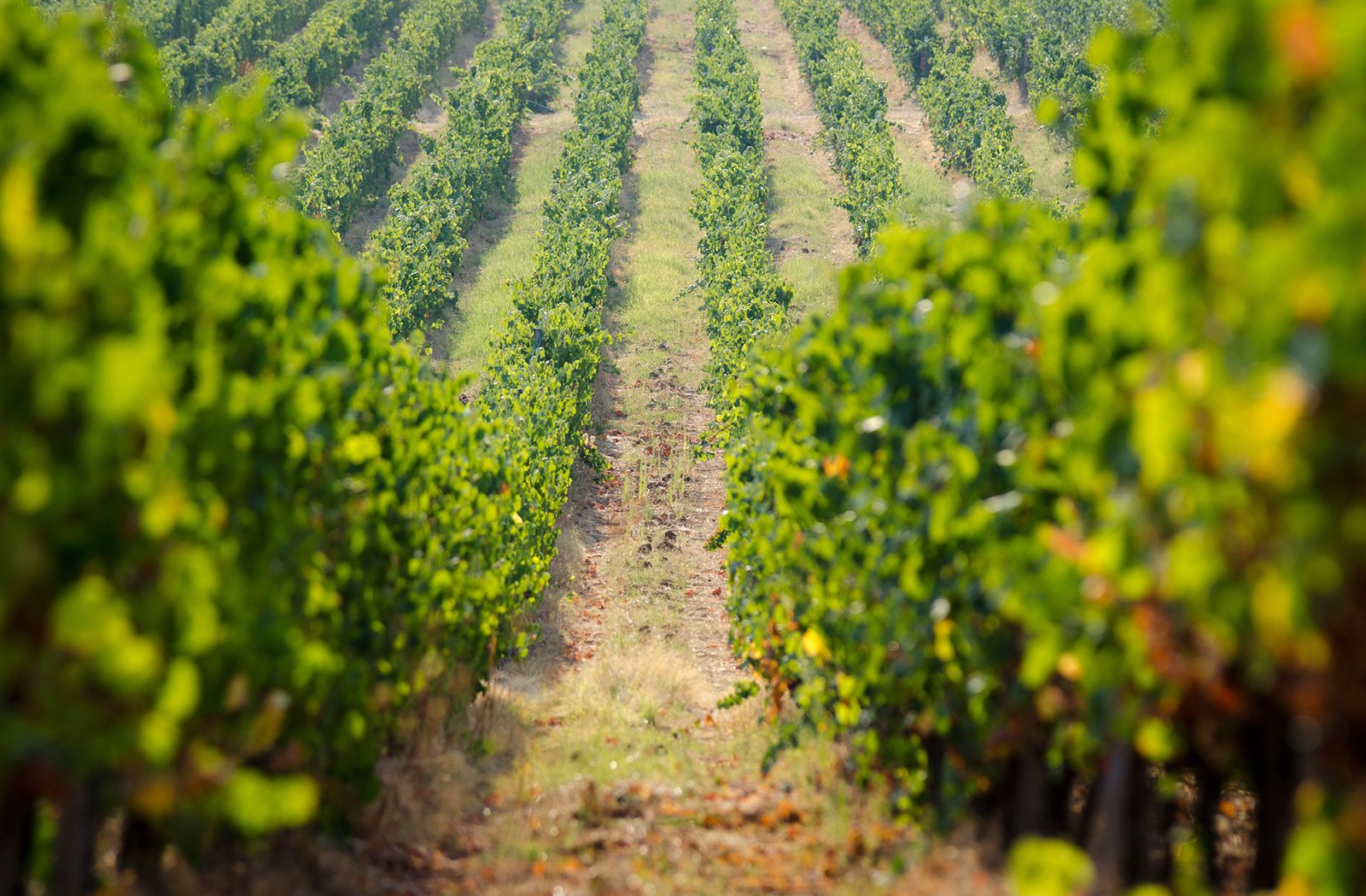
The southern and easternmost shores of the Mediterranean present a narrative of extraordinary resilience. Here, viticulture survives and often thrives against the backdrop of challenging climates and geopolitical turbulence.
Lebanon is the crown jewel of Levantine winemaking. The high-altitude Bekaa Valley, sheltered by the Mount Lebanon range, offers a near-perfect microclimate for viticulture. Estates like Chateau Musar have achieved legendary status not just for the exceptional aging potential of their Bordeaux-style blends, but for their sheer determination, having continued production through decades of civil war. Just down the coast, Israel has developed a booming, highly sophisticated wine industry. By combining its ancient winemaking heritage with cutting-edge agricultural technology—such as advanced drip irrigation—Israel has transformed the arid Negev desert and the rolling Galilee into highly productive vineyards, excelling in robust Cabernet Sauvignons and Syrahs.
In North Africa, the story is one of post-colonial reinvention. During the late 19th and early 20th centuries, Algeria was one of the largest wine exporters in the world, acting as the primary supplier to France. Following independence, the industry largely collapsed. However, a quiet revival is happening, particularly in Morocco. High-altitude vineyards in the Atlas Mountains are utilizing the cooling ocean breezes to produce excellent, fruit-forward Syrahs and crisp whites. While domestic consumption in North Africa remains very low due to Islamic traditions, these vineyards are carving out a niche export market, proving that the agricultural potential of the southern shores remains as potent as ever.
A Shared Chalice
To study the wine of the Mediterranean is to realize that the grapevine respects no political borders. The Grenache grape of Spain is the Garnacha of France and the Cannonau of Sardinia. The ancient techniques of sun-drying grapes or aging wine in amphorae are re-emerging simultaneously in Italy, Lebanon, and Greece. Despite vastly different modern economies and religious demographics, the fundamental rhythm of the harvest—the crushing of the grapes, the alchemy of fermentation, and the shared joy of the finished glass—remains a unifying pulse across the region. Every bottle produced along these shores is a liquid testament to the Mediterranean’s enduring, shared identity.