
The construction landscape within Egypt’s ambitious New Administrative Capital (NAC) is showing significant signs of stabilization, marking a turnaround from previous delays. According to recent data from the Administrative Capital for Urban Development (ACUD), the entity responsible for managing the mega-project, the percentage of developers struggling to meet completion deadlines has been cut in half over the past two years. This improvement is largely attributed to a strategic package of financial and regulatory incentives designed to mitigate economic headwinds.
A Sharp Decline in Stalled Projects
Internal figures from ACUD indicate that the proportion of stalled development companies dropped to approximately 15% in late 2025, a stark improvement from the 30% recorded in 2023. In absolute numbers, this represents a decrease to roughly 75 companies currently facing delays, out of a total pool of approximately 500 developers operating within the capital. Collectively, these developers manage around 600 individual projects.
This contrasts sharply with the situation in November 2023, when approximately 130 out of 400 active developers were flagged as stalled, prompting a wave of requests for assistance to meet construction targets. While the remaining stalled companies are still behind schedule—with completion delays ranging between 30% and 60%—the overall trajectory points toward recovery.
Strategic Interventions and Financial Relief
The reduction in delayed projects is the direct result of ACUD’s interventionist policy over the last 24 months. Recognizing the pressure exerted by global inflation and the flotation of the Egyptian pound in March 2024, which spiked building material costs, ACUD rolled out a tiered support system based on each developer’s specific completion status.
Key measures included:
Timeline Extensions: Developers were granted extended deadlines for project completion and longer grace periods for land installment payments, easing immediate cash flow pressures.
Penalty Waivers: To encourage financial settlements, ACUD waived late-payment penalties by up to 50% for developers who cleared their dues in a single cash lump sum.
Performance Bonuses: Incentives were not just remedial; they were also prospective. Companies that had completed at least 85% of their construction were granted specific bonuses to ensure they crossed the finish line.
Vertical Expansion as Compensation
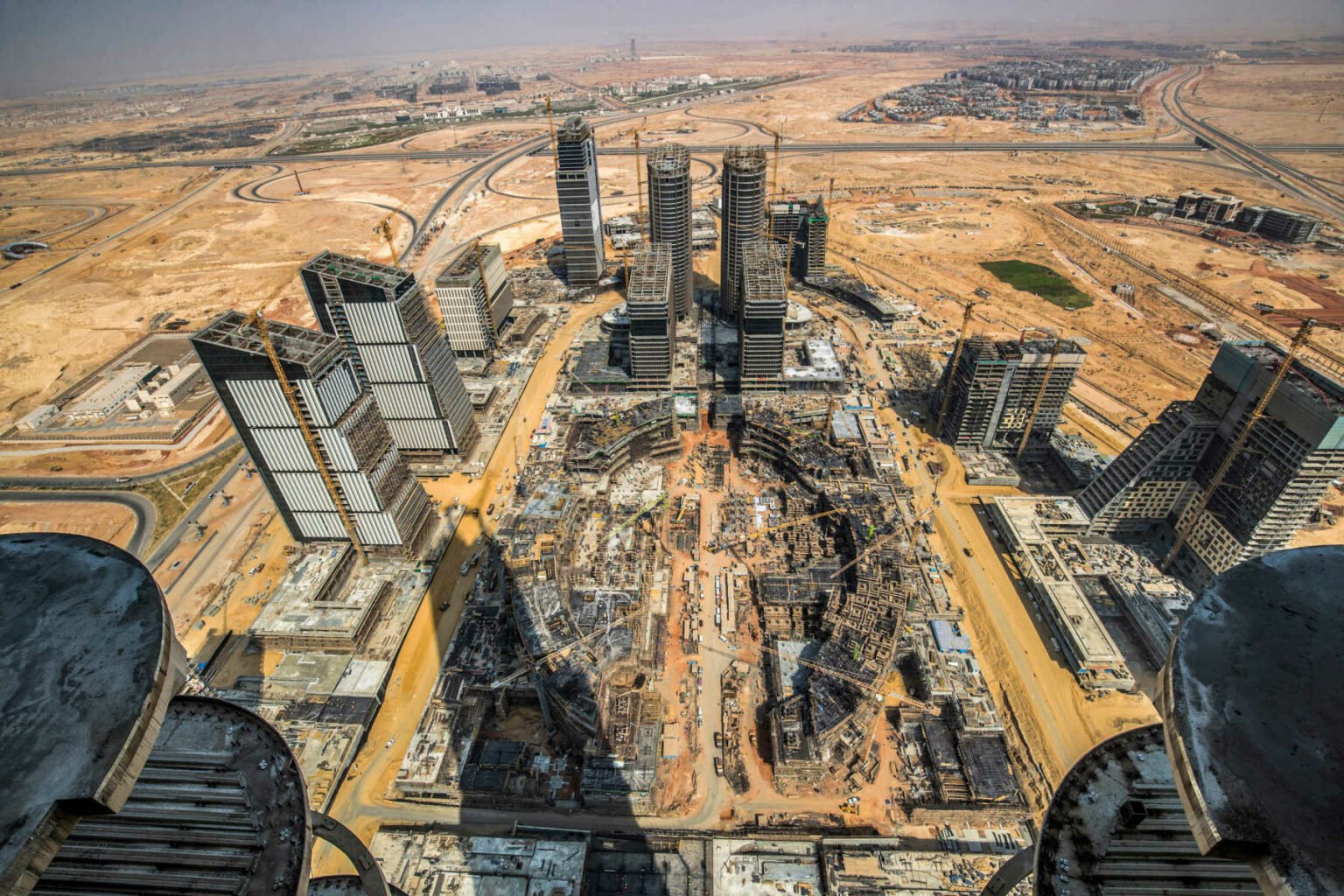
Perhaps the most significant regulatory shift occurred in August 2024, when ACUD revised building height restrictions. In a move designed to offset the disparity between initial contracting prices and final delivery costs, developers were permitted to increase building heights significantly—by up to 10 additional floors in certain instances, a major leap from the single-floor increases previously allowed.
Crucially, ACUD confirmed that it would not levy additional fees for these height increases. This decision effectively allowed developers to add sellable inventory without incurring further land costs, acting as a direct compensation mechanism for the inflationary losses sustained during the economic volatility of 2024.
The proactive approach taken by the Administrative Capital for Urban Development appears to have successfully insulated the New Administrative Capital’s construction timeline from broader economic instability. By combining fiscal leniency with regulatory flexibility, ACUD has not only reduced the backlog of stalled projects but has also re-energized the development cycle, ensuring that Egypt’s new administrative hub continues its march toward completion.