
Redefining Climate Security: The Water-Energy Nexus
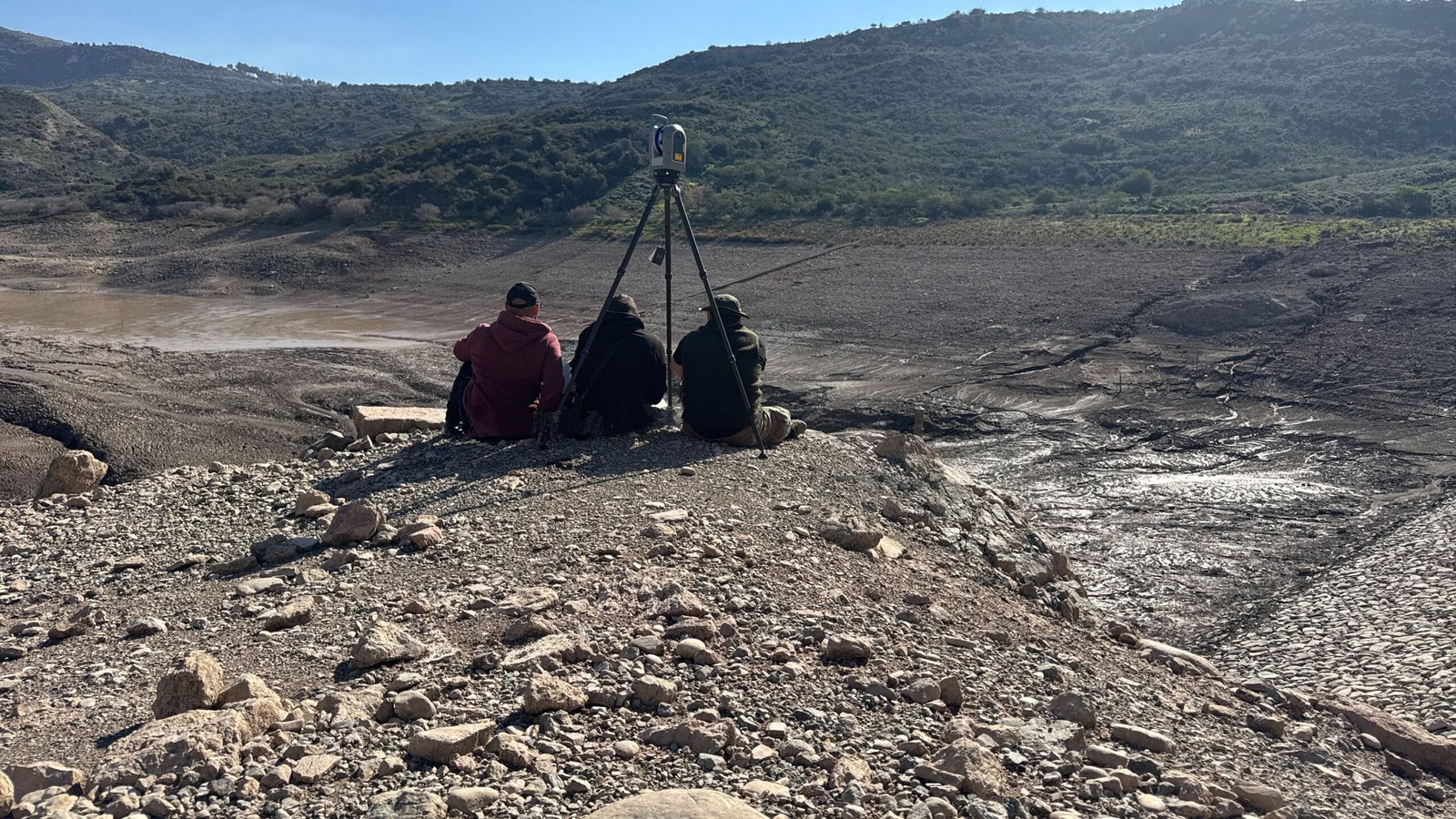
One of the central ambitions of the Cyprus Presidency is to elevate water scarcity from a regional concern to a Union-wide strategic priority. As an island grappling with acute water stress—driven by persistent droughts and saline intrusion—Cyprus is uniquely positioned to lead this dialogue.
To this end, the Presidency proposes the establishment of a Water & Climate Security Forum. This platform would convene Member States and regional authorities to coordinate strategies on desalination, water reuse, and smart irrigation. Furthermore, Cyprus advocates for an Innovation Hub for Water & Climate, linking EU research funding (Horizon Europe) with practical pilot projects in semi-arid regions. This initiative aims to treat water management not merely as an environmental issue, but as a critical component of national security and economic stability.
Advancing Adaptation and Resilience
With the Mediterranean designated as a global climate change hotspot, Cyprus intends to place adaptation at the heart of its Presidency. A flagship initiative is the proposed Mediterranean Resilience Summit, which would focus on cross-border cooperation for managing heatwaves, wildfires, and coastal erosion.
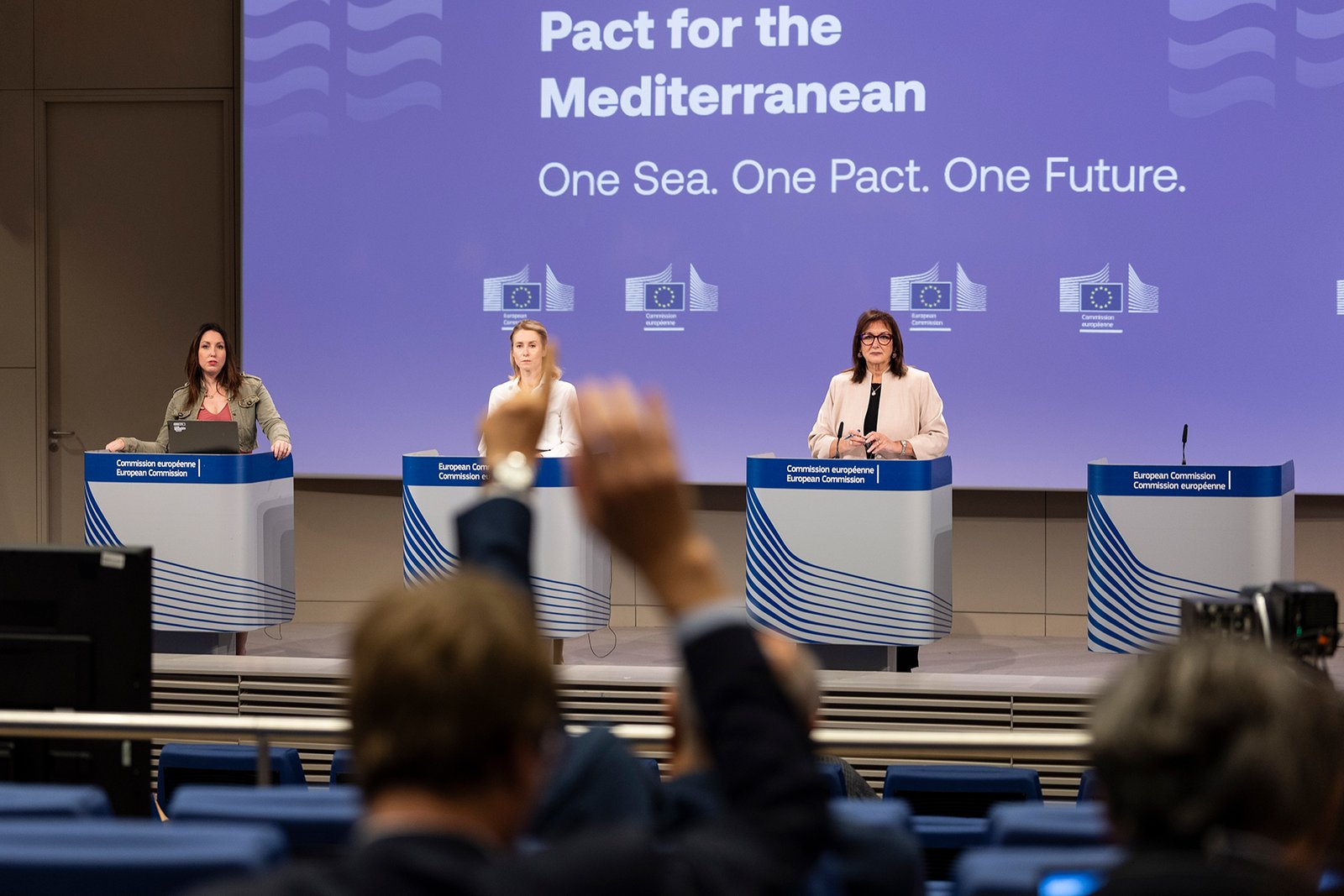
This focus extends to the creation of an EU Island Climate Resilience Task Force, designed to provide technical assistance and investment guidance to island regions often disproportionately affected by climate extremes. By championing a “Mediterranean Resilience Pact,” Cyprus aims to reinforce the implementation of the EU Adaptation Strategy, ensuring that the bloc’s southern flank is prepared for the escalating physical risks of climate change.
Energy Security: Connectivity and Electrification
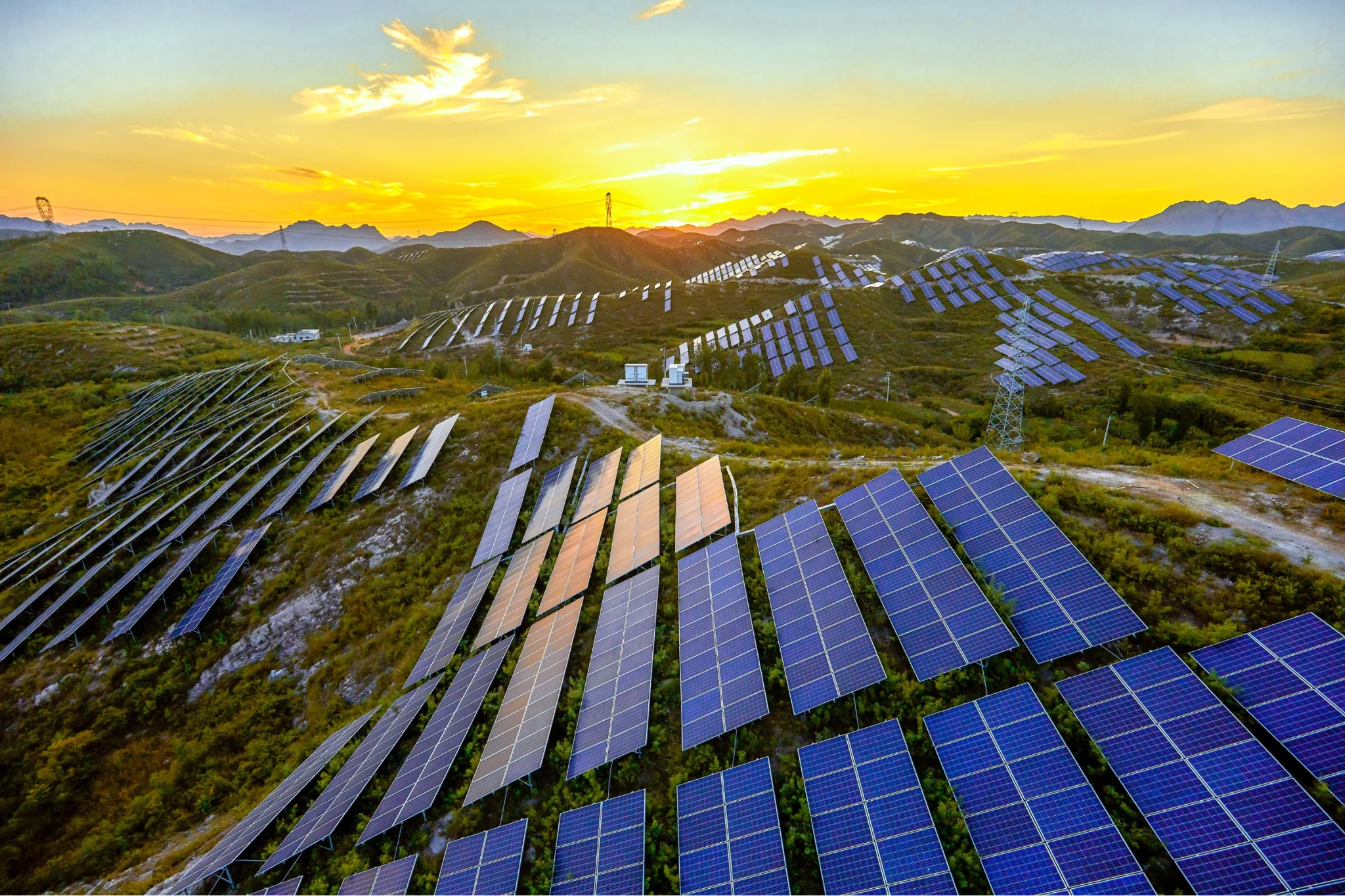
Historically reliant on imported heavy fuel oil, Cyprus is accelerating its transition to a high-renewables system, serving as a test bed for solar deployment and smart-grid innovation. The Presidency will oversee the launch of the revised Energy Security Framework, prioritizing long-distance interconnections and the cybersecurity of energy grids.
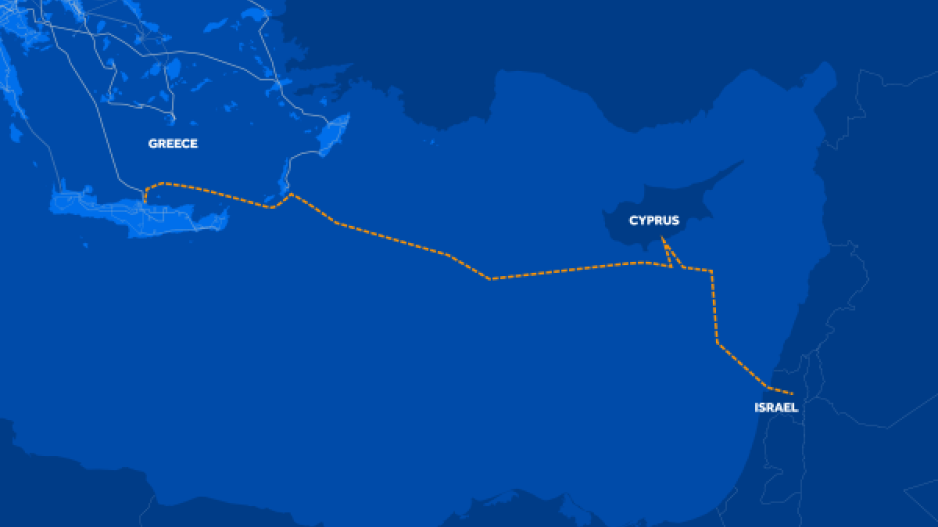
A key strategic goal is to advance the Black Sea-Mediterranean energy corridor. By facilitating offshore wind integration and submarine HVDC (High Voltage Direct Current) cables—such as links connecting Greece, Cyprus, Israel, and Egypt—Cyprus seeks to position itself as a connectivity hub. This vision aligns with the energy pillar of the India-Middle East-Europe Corridor (IMEC), reducing fragmentation and enhancing the EU’s access to clean energy from the Global South.
Decarbonizing Transport: An Island Perspective
As an island state dependent on aviation and maritime transport, Cyprus brings a pragmatic yet ambitious perspective to mobility decarbonization. The agenda includes an Island Mobility 2030 Conference to address electric vehicle (EV) deployment and charging infrastructure in isolated regions.
In the maritime sector, the Presidency will push for the acceleration of clean fuel uptake—such as methanol and ammonia—while addressing the sensitivities of Member States regarding global shipping competitions. For aviation, the focus will be on scaling Sustainable Aviation Fuels (SAF) and exploring cargo-drone corridors to service remote areas.
Bridging the EU and the Global South
Cyprus’s geographical proximity to the Middle East and North Africa offers the EU a strategic diplomatic bridge. The Presidency plans to convene a Mediterranean Summit, bringing together Southern EU states and coastal partners from the Middle East and North Africa to deepen cooperation on energy, water, and stability.
Moreover, Cyprus aims to act as a focal point for the EU’s engagement with Small Island Developing States (SIDS) ahead of COP31. By proposing an EU-SIDS Compact 2030, the Presidency seeks to align EU positions with the priorities of vulnerable island nations, focusing on adaptation finance and debt sustainability.
Social Resilience and Affordability
Recognizing that the green transition must be just, Cyprus plans to shift the narrative on the new Emissions Trading System (ETS2) from “delay” to “delivery.” The Presidency will champion affordability measures, including the expanded use of the Social Climate Fund and front-loaded investments in building renovation.
To address the intersecting challenges of housing and energy poverty, Cyprus proposes hosting a Housing Summit. This event would highlight the role of energy efficiency and electrification in lowering household costs, ensuring that the drive toward net-zero does not leave vulnerable citizens behind.
The 2026 Cyprus Presidency is poised to be more than a procedural rotation; it is an opportunity to anchor long-term structural change in Europe’s climate and energy architecture. By integrating regional diplomacy with internal solidarity, Cyprus aims to demonstrate how a small island state can drive large-scale transformation, positioning the Mediterranean as a resilient and strategic pillar of the European Union.