







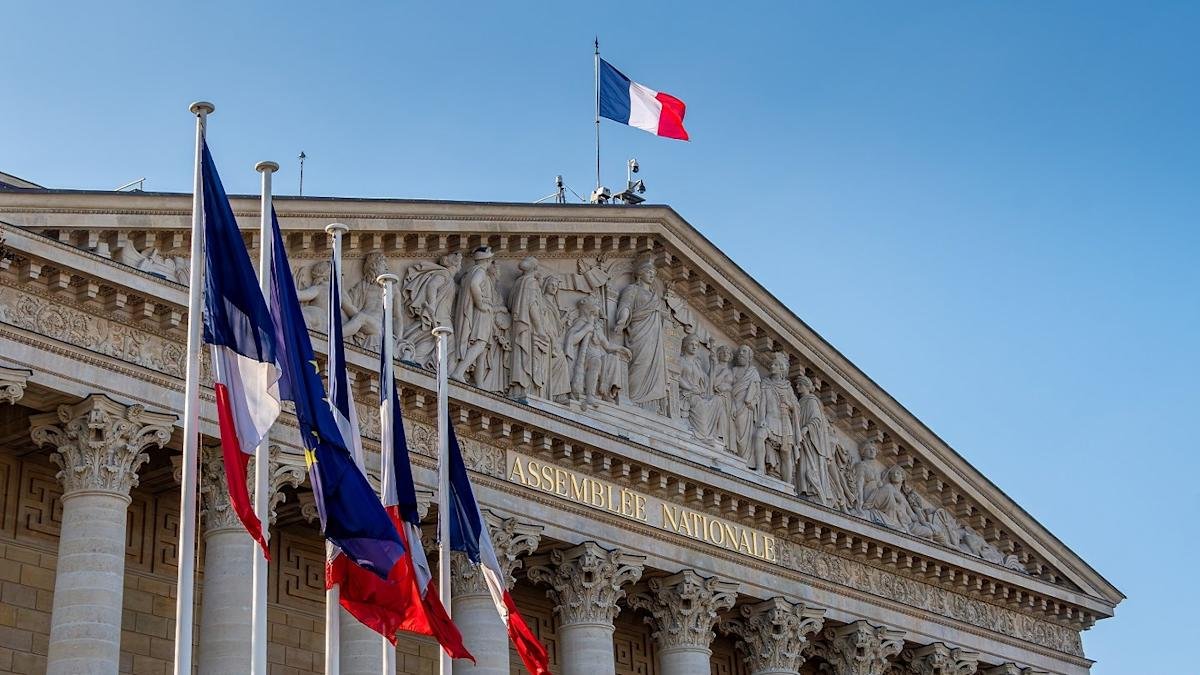
The narrative surrounding French politics is often grim: a fracturing republic, a surge in far-right support, and a populace seemingly tempted by authoritarianism. However, a closer look at the data suggests that this diagnosis is fundamentally flawed. France is not suffering from a rejection of democracy, but rather from an acute crisis of expectations.
According to recent sociological data, including findings from the European Social Survey, the French electorate remains overwhelmingly committed to democratic ideals. The turmoil visible in the streets and at the ballot box does not signal a desire for less democracy, but a demand for more.
The Rise of the “Dissatisfied Democrat”
The core of the French political malaise lies in a specific demographic: the “dissatisfied democrat.” Nearly half of the population falls into this category—citizens who consider living in a democracy vital yet are deeply unhappy with how it functions in practice.
This distinction is crucial. Unlike anti-democratic forces that seek to dismantle the system, these voters are driven by high standards. The more they value the concept of democracy, the more critical they become of its implementation. This gap between the ideal and the reality has become the defining friction point of the Fifth Republic.
From the Ballot Box to the Street
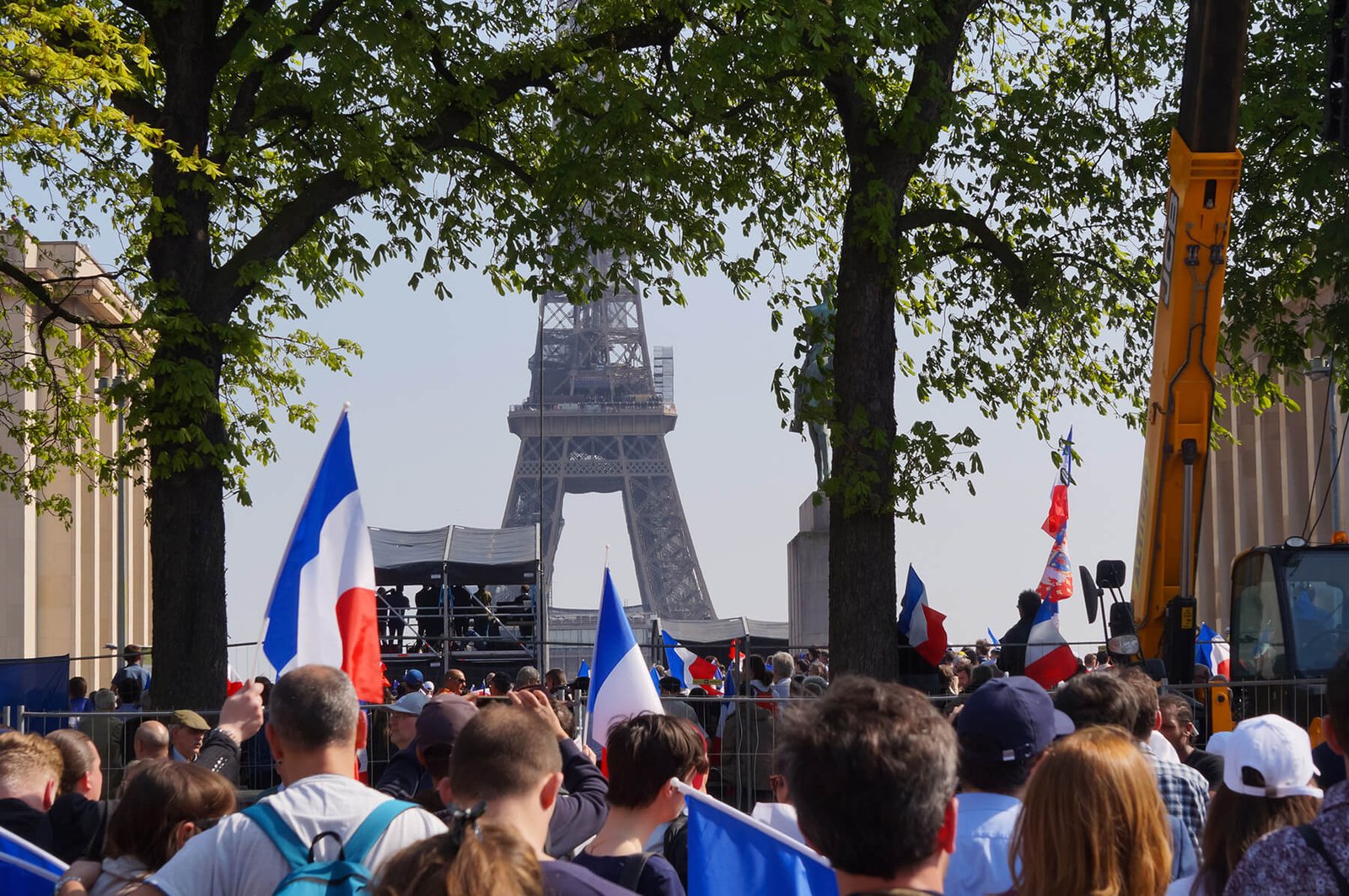
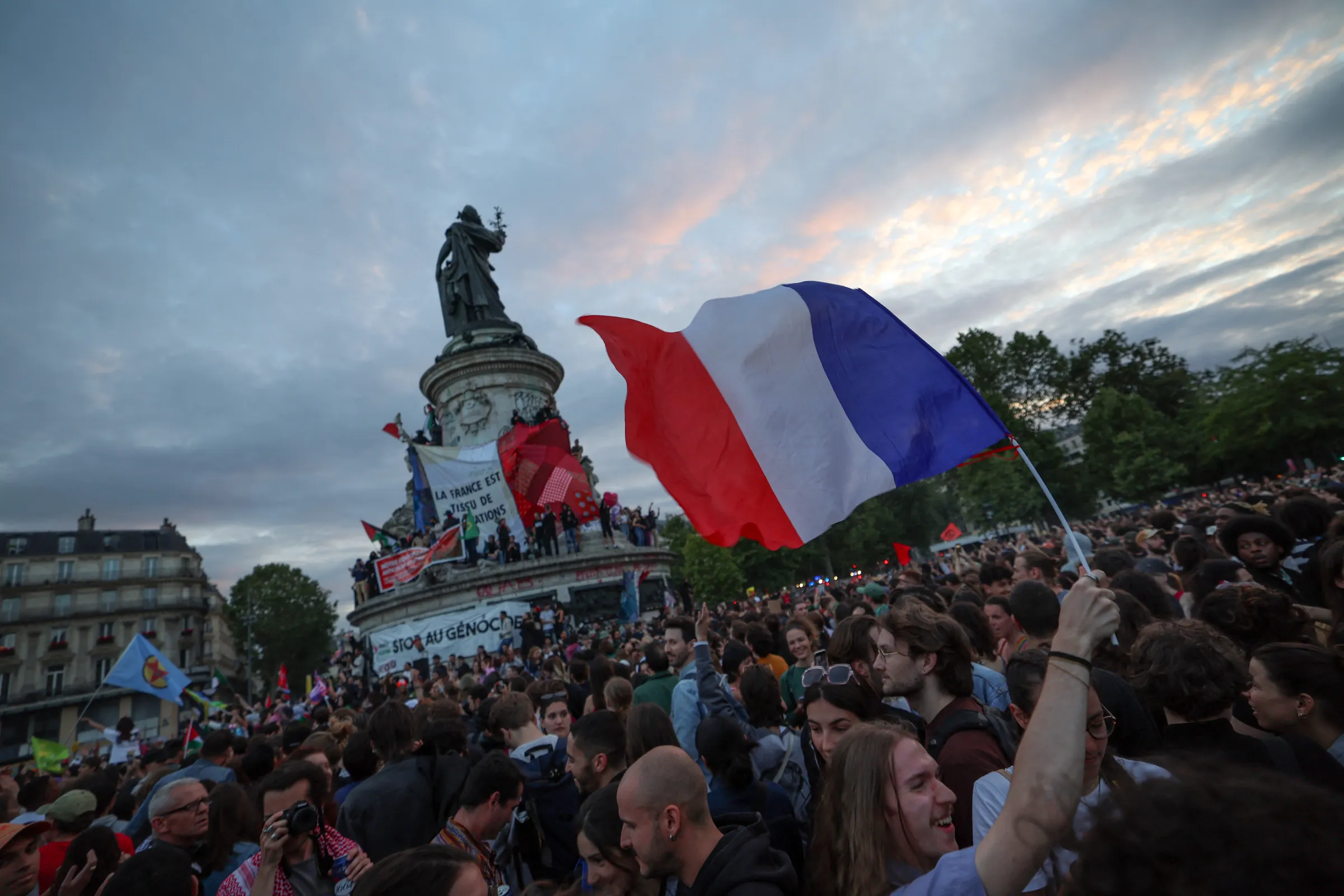
For the past decade, this frustration has increasingly bypassed traditional institutions. Social movements ranging from Nuit Debout to the Yellow Vests (Gilets Jaunes) have rejected standard political mediation. Their unifying demand has been to “return power to the people,” challenging the legitimacy of a system they view as overly elitist and disconnected.
The government has attempted to bridge this gap through “democratic innovations” such as the Grand National Debate and Citizens’ Conventions on climate and end-of-life care. While these initiatives introduced deliberative processes into the mainstream, they also highlighted the limitations of such experiments when the state fails to fully implement the citizens’ recommendations.
Weaponizing Sovereignty
Political parties have been quick to capitalize on this sentiment, positioning themselves as the true guardians of the people’s will. However, the “popular sovereignty” argument is wielded differently across the spectrum:
The Radical Right (Rassemblement National): Frames the issue as a confiscation of power by elites. They advocate for a “referendum democracy” to bypass parliament and directly impose the “will of the people.”
The Radical Left (La France Insoumise): Argues for a deepening of democracy through the expansion of rights and greater institutional accountability.
The Three Deficits Driving the Vote
To understand the current electoral landscape, it is necessary to dissect exactly what voters feel is missing. The French electorate distinguishes between three distinct democratic pillars:
Liberal Democracy: Free elections, rule of law, and civil liberties.
Social Democracy: Economic equality and state protection.
Popular Democracy: Direct sovereignty and the feeling that the people’s voice matters.
The data reveals that the most explosive political behavior is driven by the “Popular Deficit.” When voters feel that the people have no say, they do not just get angry—they change how they vote.
Crucially, a perceived lack of liberal democracy does not drive voters toward the far right. On the contrary, those who fear for civil liberties tend to vote left or abstain. It is specifically the sense that popular sovereignty is being denied that fuels the vote for the radical right and drives mass abstention.
A Crisis of Performance
Ultimately, the instability in French politics is a crisis of performance, not values. The French are not sleepwalking into authoritarianism; they are waking up to a system that they feel no longer serves them.
The “dissatisfied democrat” is not an enemy of the republic but a demanding customer. Until the political establishment can bridge the chasm between the high expectations of its citizens and the reality of governance, the cycle of protest and polarization is likely to endure.