







The Implosion of Iran
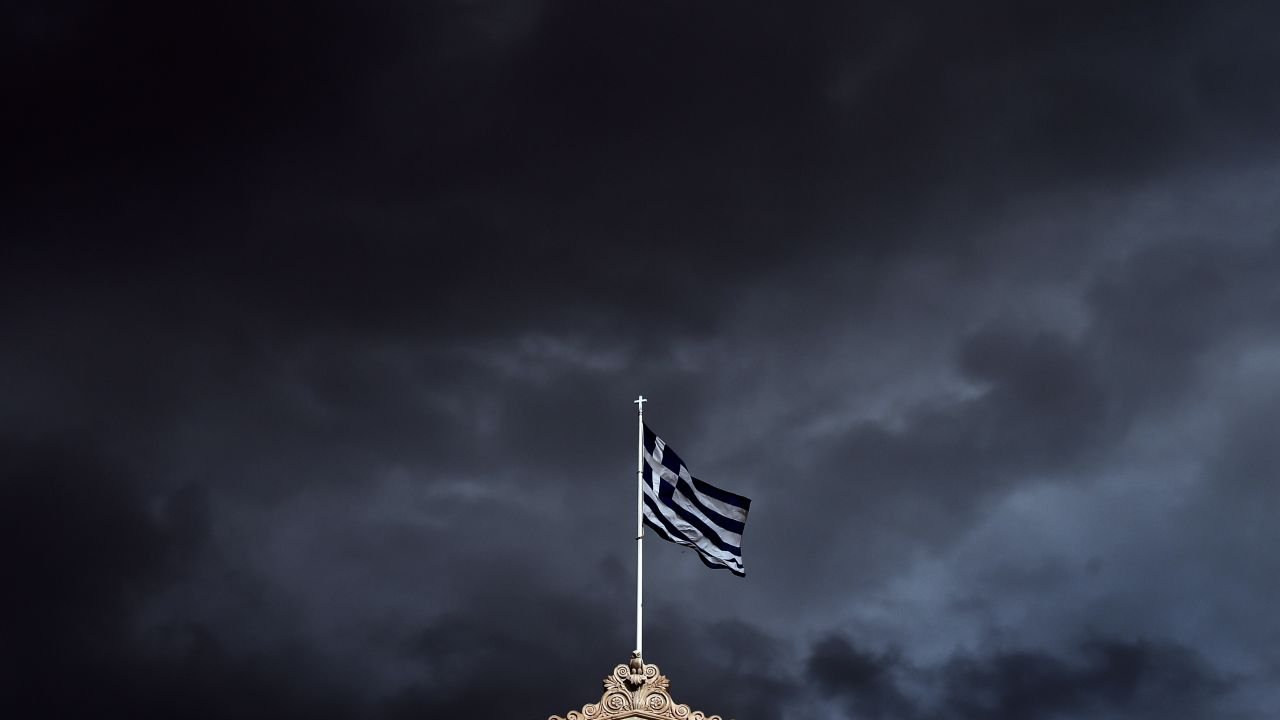
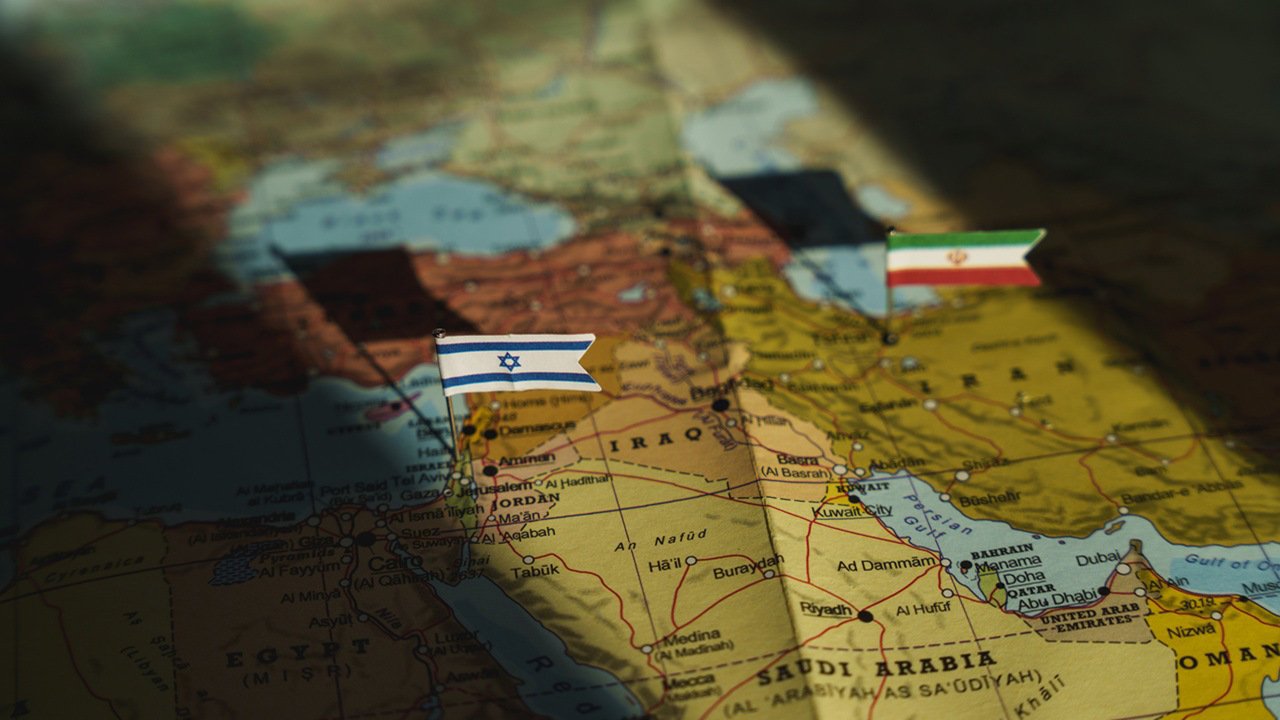
The situation in Iran remains precarious, with the potential for a “worst-case scenario” that turns the country into a “black hole” of insecurity similar to Syria. If a new wave of protests is met with violent suppression, the situation could spiral into an armed uprising or civil war, drawing in regional proxies. Such chaos might trigger a U.S. military intervention, prompting the Iranian regime to retaliate against American or Israeli targets and sparking a broader conflict.
Refugee Crisis: A civil conflict would displace hundreds of thousands of Iranians, creating intense migratory pressure on Mediterranean frontline states, particularly Greece and Italy.
Terrorism and Radicalization: There is a risk of radicalization within migrant populations, potentially leading to attacks on targets associated with Israel and the U.S.. Furthermore, global jihadist groups like ISIS and Al Qaeda could exploit the vacuum to incite “lone wolf” attacks.
Asymmetric Threats: The regime may attempt to use criminal networks to orchestrate attacks in Europe—a tactic previously attempted but thwarted by Greek authorities.
Transatlantic Rift and Hybrid Warfare
Divergences between the U.S. and the EU on issues ranging from climate change to the war in Ukraine are widening. Tensions have flared over incidents like the “Greenland crisis,” and the threat of a U.S. withdrawal from NATO under President Trump remains a looming destabilizer. If the transatlantic bond fractures, authoritarian powers may seize the moment to test European resolve.
Turkish Aggression: A paralyzed NATO, lacking the U.S. as a stabilizer, could embolden Turkey. Ankara might replicate the 2020 Evros crisis, weaponizing migration flows to pressure Greece.
Russian Interference: Russia would likely exploit Western disarray to launch extensive hybrid operations. For Greece, this could mean large-scale cyberattacks on critical infrastructure and disinformation campaigns designed to destabilize the political climate ahead of the 2027 elections.
Post-War Instability in Ukraine
Even if a ceasefire or peace agreement ends the war in Ukraine, the “day after” poses severe security questions. The primary concern is the massive proliferation of weaponry and the presence of combat-hardened personnel with no clear future.
Organized Crime: The illicit arms trade remains a major threat in Southeastern Europe. A post-war influx of weapons flooding the black market via the Balkans or Turkey would drastically empower organized crime groups operating in Greece.
Imported Violence: Experienced fighters with criminal backgrounds could integrate into existing criminal organizations, increasing the lethality and intensity of gang violence.

Surge in Anti-Western Sentiment
The fallout from conflicts in the Middle East has already fueled a global rise in anti-Semitism. Furthermore, U.S. foreign policy moves, such as interventions in Latin America (e.g., Venezuela), could reinvigorate global anti-American sentiment.
Targeting of Alliances: With Greece having upgraded its strategic relations with both Israel and the U.S., international terrorist groups may view the country as a legitimate target.
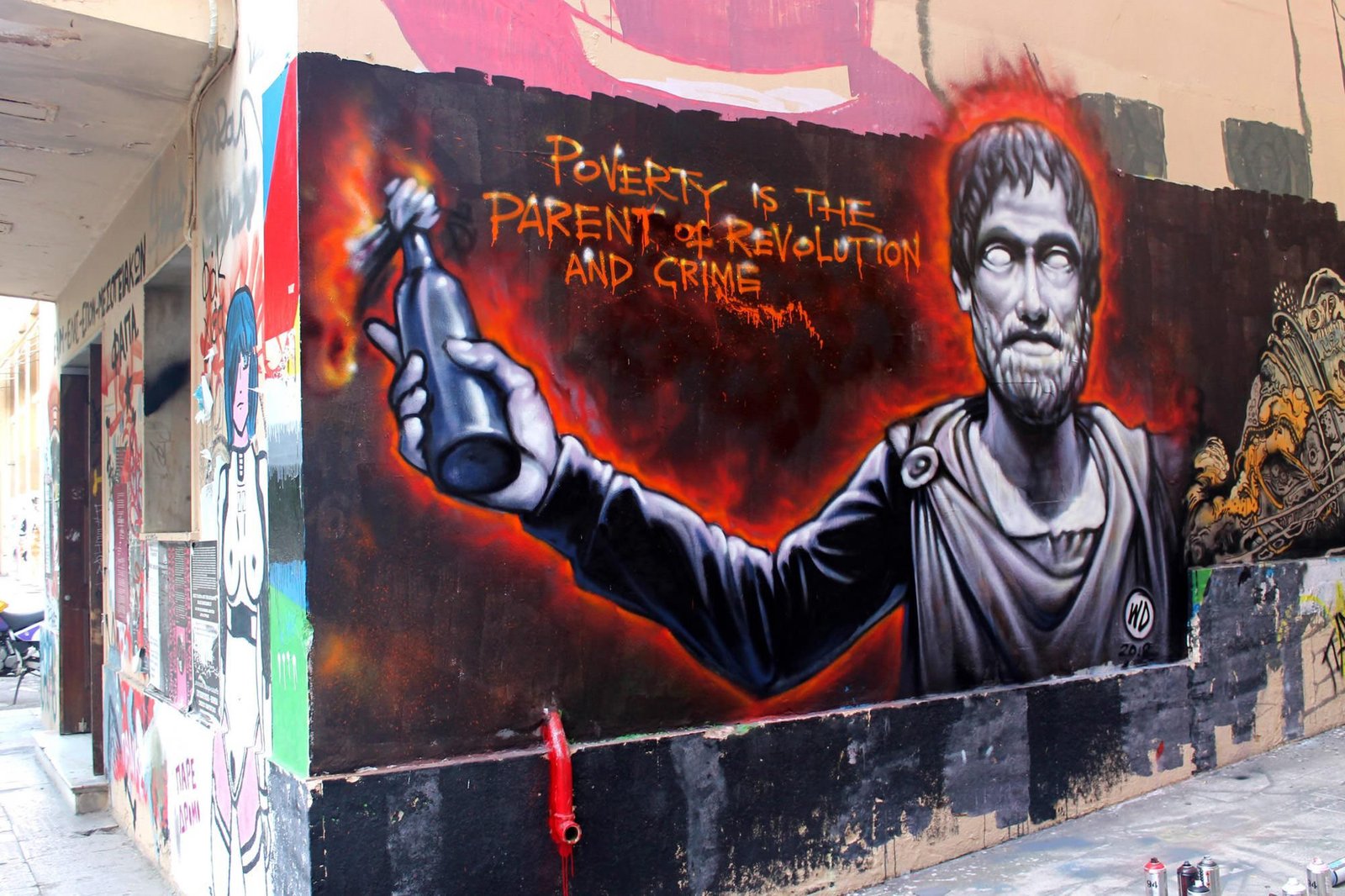
Domestic Extremism: Greece has an active far-left and anarchist milieu influenced by anti-American narratives. Deepening geopolitical polarization could embolden these groups to carry out attacks or violent protests.
The Path Forward
The early days of 2026 have proven that linear predictions are insufficient for modern geopolitics; “Black Swan” events can occur at any moment. While Greece has successfully managed complex crises in the past, from border stand-offs to counter-terrorism, complacency is not an option.
National security planning must leverage new technologies and analytical tools to anticipate these threats. As the ancient Gauls feared the sky falling on their heads, modern states must prepare for the worst to ensure they are never caught unaware.