The Fevered Basin: Climate Change Impacts
The most immediate and pervasive threat to the region is the shifting climate. The Mediterranean is drying out and heating up at an alarming rate. The famous “Mediterranean climate”—defined by mild, wet winters and hot, dry summers—is becoming more extreme. Heatwaves, once occasional summer occurrences, are transforming into prolonged endurance tests that threaten public health, agriculture, and the power grid.
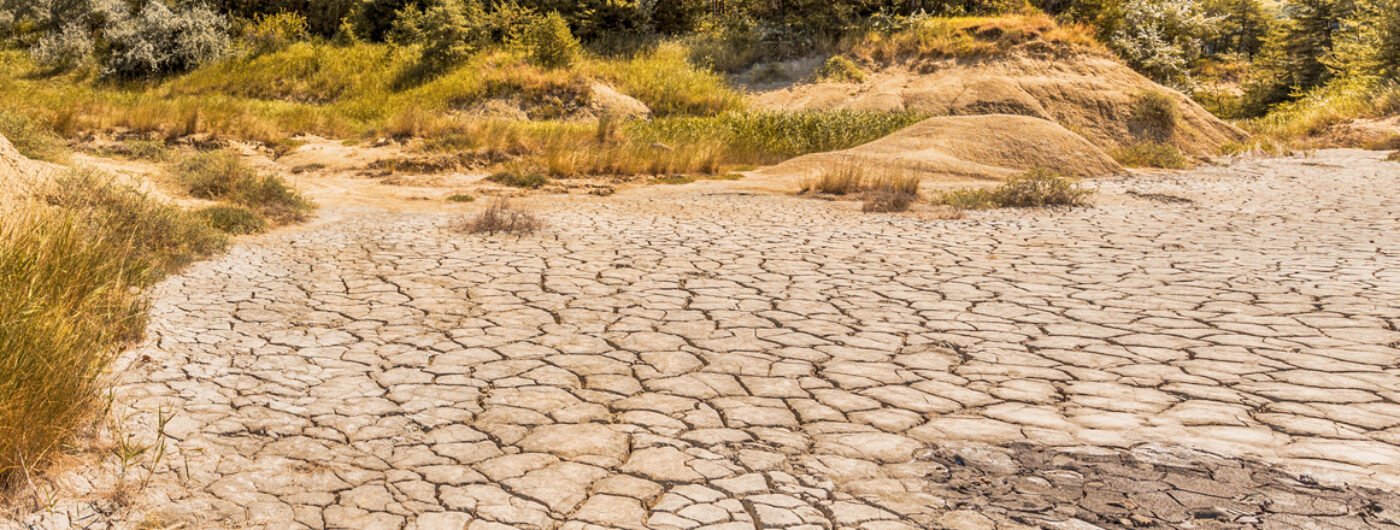
Water scarcity is perhaps the most critical dimension of this shift. As rainfall patterns become erratic and snowpack in mountain ranges like the Atlas and the Pyrenees diminishes, the freshwater that feeds the basin’s great rivers—the Po, the Rhône, the Nile—is dwindling. This “desertification” is creeping northward, turning the fertile soils of Southern Europe into arid landscapes resembling North Africa. Furthermore, the phenomenon of “Medicanes” (Mediterranean hurricanes)—intense, tropical-like cyclones—has begun to appear with increasing frequency, battering coastlines that were never built to withstand such ferocity. This climatic volatility destabilizes not just the ecosystem, but the very economic foundations of the countries that border the sea.
Beneath the Surface: Marine Life and Conservation
Below the waterline, the Mediterranean is a biodiversity hotspot, hosting up to 18% of the world’s known marine species in an area covering less than 1% of the global ocean surface. However, this underwater kingdom is under siege. Overfishing has long been a plague, with stocks of hake and bluefin tuna pushed to the brink of collapse before recent quotas offered a glimmer of recovery. Yet, a newer, more insidious threat has emerged: the invasion of alien species.
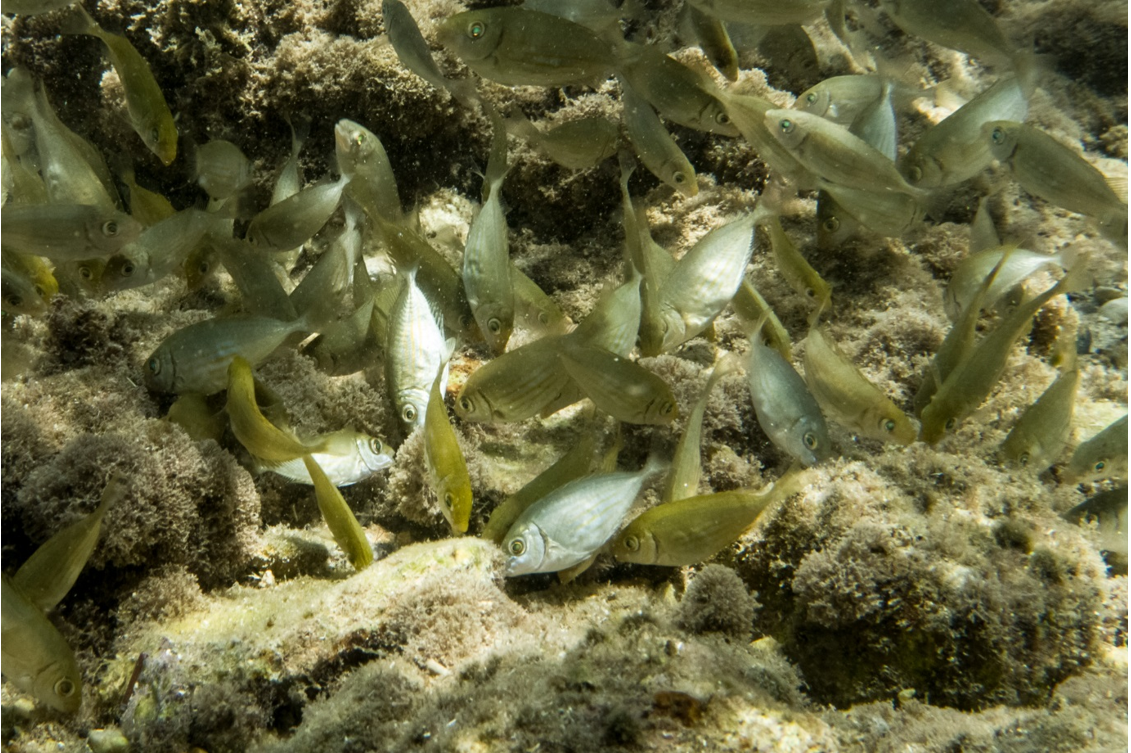
The expansion of the Suez Canal and rising sea temperatures have accelerated the “Lessepsian migration”—the influx of tropical species from the Red Sea into the Mediterranean. Invasive species like the lionfish and the silver-cheeked toadfish are outcompeting native fauna, creating “dead zones” where local biodiversity vanishes. In response, conservationists are fighting a rear-guard action. The expansion of Marine Protected Areas (MPAs) has been a key strategy. Sanctuaries like the Pelagos Sanctuary for Mediterranean Marine Mammals between France, Italy, and Monaco offer a safe haven for fin whales and dolphins. However, scientists argue that “paper parks”—protected areas without effective enforcement—remain a significant hurdle. True conservation success relies on the health of Posidonia oceanica, the endemic seagrass meadows. These underwater forests are the lungs of the Mediterranean, sequestering carbon at a rate far higher than the Amazon rainforest and acting as nurseries for fish, yet they are disappearing due to trawling and pollution.
The Crumbling Edge: Coastal Protection
The Mediterranean coastline is a battleground between the rising sea and human development. Centuries of building directly on the water’s edge have left cities from Venice to Alexandria uniquely vulnerable to rising sea levels. Coastal erosion is swallowing beaches that are vital for both tourism and turtle nesting. In the past, the solution was “hard” engineering: concrete sea walls and breakwaters. However, these structures often disrupt natural sediment flow, exacerbating erosion elsewhere.
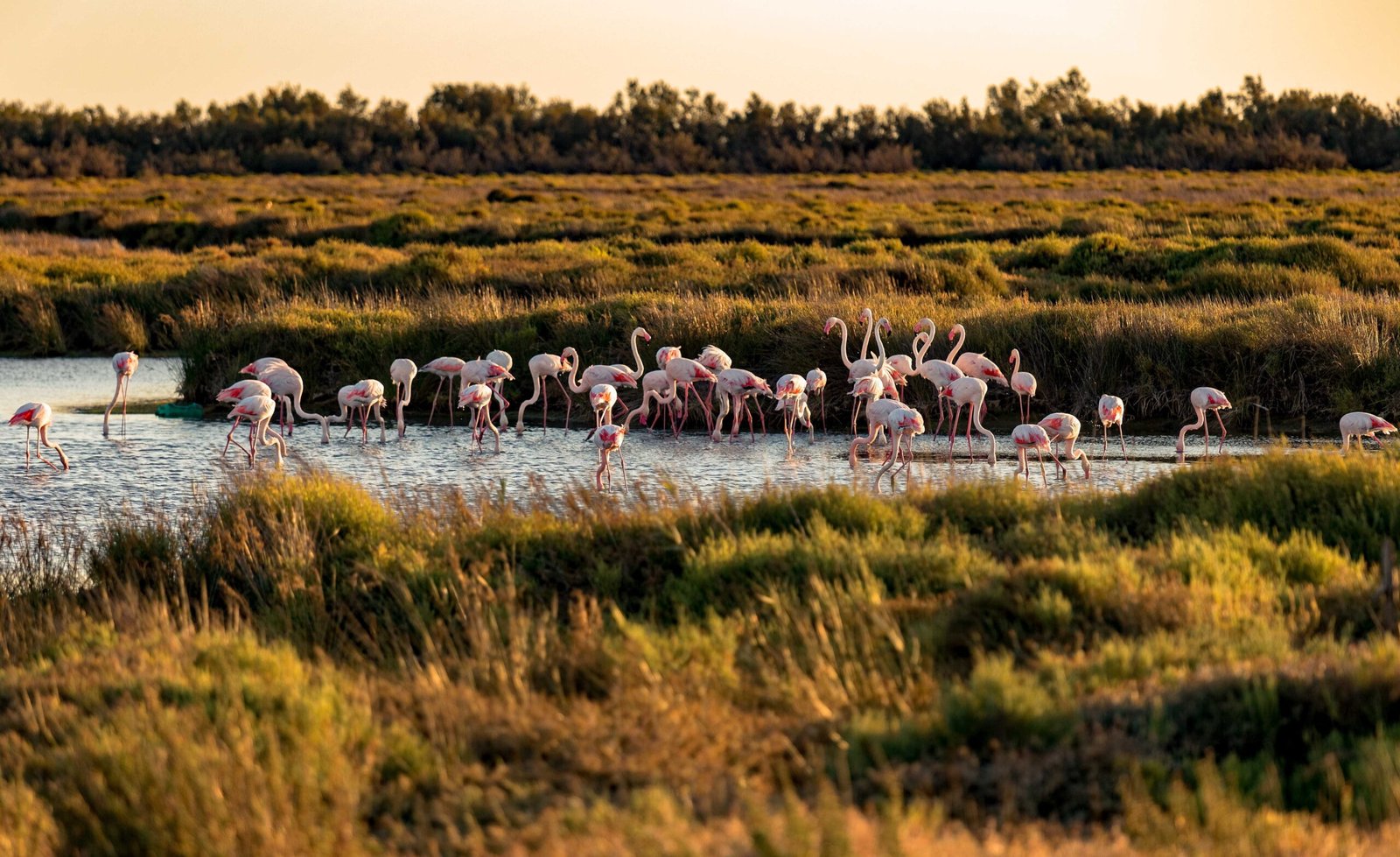
A paradigm shift is now underway toward “soft” or nature-based solutions. In regions like the Ebro Delta in Spain and the Camargue in France, authorities are experimenting with “managed realignment,” allowing the sea to reclaim certain areas to create natural buffer zones of salt marshes and dunes. These wetlands act as sponges, absorbing storm surges more effectively than any concrete wall. However, the political will to implement these strategies is often tested when it requires relocating lucrative beachfront real estate or infrastructure.
The Green Gavel: Environmental Politics
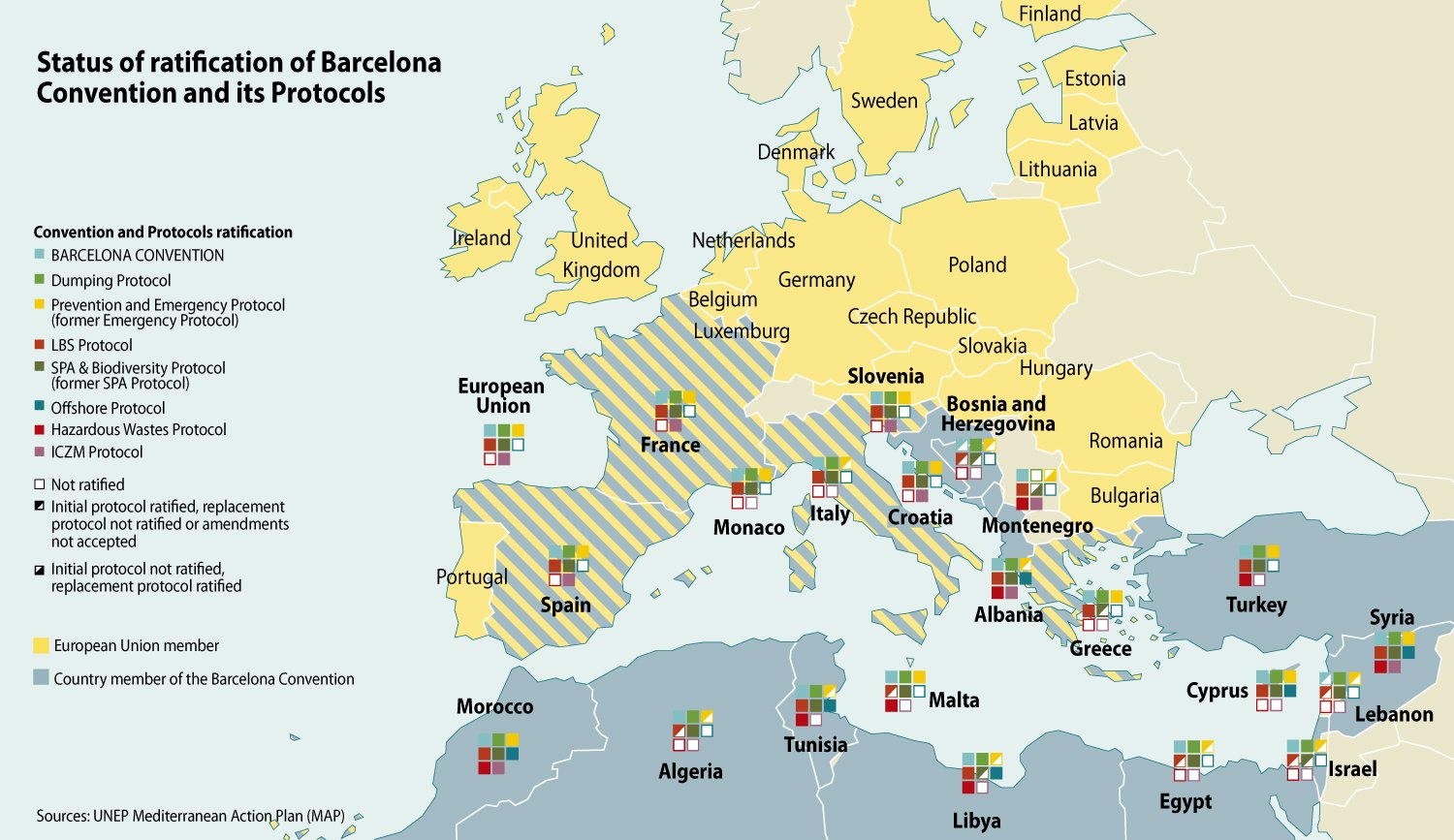
Governing the Mediterranean environment is a diplomatic tightrope walk. The sea is shared by twenty-one nations with vastly different economic capabilities and political systems. The primary legal framework binding these nations is the Barcelona Convention, adopted in 1976 to protect the Mediterranean Sea against pollution. While it has been successful in reducing industrial discharge and oil spills, it struggles to enforce compliance across the board.
A clear “North-South” divide often complicates environmental politics. European Union nations are bound by strict directives like the European Green Deal and the Blue Economy strategy, forcing them to invest heavily in wastewater treatment and plastic bans. Conversely, nations on the southern and eastern shores often prioritize rapid economic development and industrialization, sometimes at the cost of environmental regulation. Bridging this gap requires significant technology transfer and financial aid. Recent “debt-for-nature” swaps and EU-funded initiatives in North Africa aim to harmonize standards, recognizing that pollution respects no maritime borders—a plastic bag dropped in Lebanon can easily wash up on the shores of Cyprus or Turkey.
A New Way to Travel: The Rise of Eco-Tourism
Tourism is the lifeblood of the Mediterranean economy, but the traditional “sun, sea, and sand” mass tourism model is ecologically unsustainable. The influx of millions of visitors during the peak summer months places immense strain on water resources, waste management systems, and local habitats. In response, a robust eco-tourism sector is emerging, driven by a traveler demographic that values sustainability over excess.
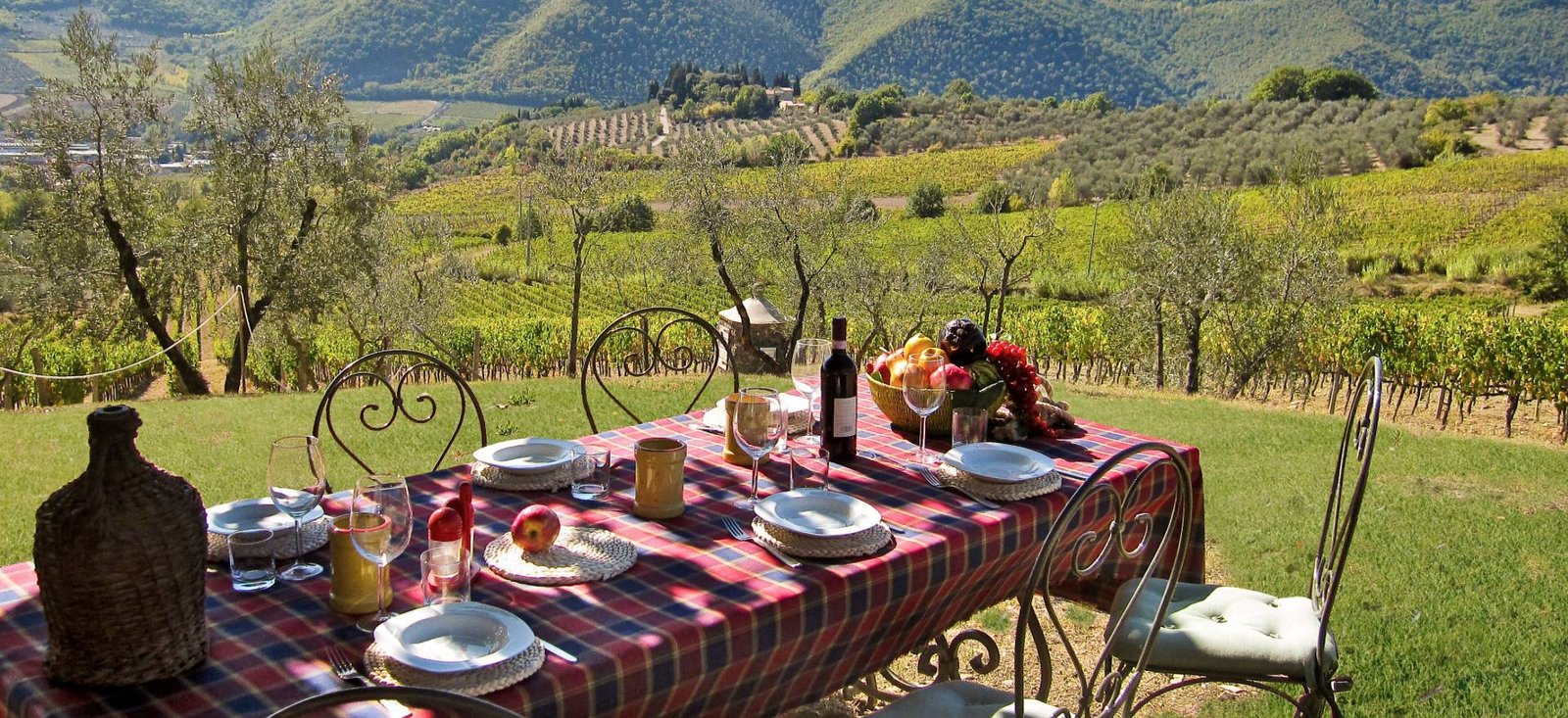
This new model prioritizes “slow travel” and off-season exploration. We are seeing a rise in “agritourism” in places like Tuscany and Crete, where visitors stay on working organic farms, directly supporting sustainable agriculture. In the Balearic Islands, a “sustainable tourism tax” is levied on visitors, with the revenue ring-fenced for environmental preservation projects. Meanwhile, destinations like the Alonissos Marine Park in Greece offer visitors the chance to participate in citizen science, monitoring monk seal populations rather than simply sunbathing. This shift attempts to turn tourism from a predator of the environment into its benefactor, proving that economic prosperity does not have to come at the cost of the landscape.
A Sea at the Crossroads
The Mediterranean stands at a critical juncture. The environmental challenges it faces are severe, cumulative, and accelerating. Yet, the region also possesses a deep reservoir of resilience. From the ancient terrace farming techniques that prevent soil erosion to the modern solar farms of the Sahara and the cutting-edge marine research in Trieste, the solutions exist. The future of the Mediterranean depends on a unified recognition that the environment is not a backdrop to human activity, but the very foundation upon which the region’s rich history, culture, and economy rest. The task for the 21st century is to forge a new covenant with the sea—one of stewardship rather than extraction.