
The Call of the Middle Sea
To travel the Mediterranean is to embark on a journey that is as much temporal as it is geographical. This is not simply a collection of vacation spots; it is a pilgrimage through the cradle of Western and Near Eastern civilizations. For the modern traveler, the Mediterranean offers a unique proposition: the ability to wake up in the shadow of a Roman ruin, swim in waters that have borne Phoenician trade ships for millennia, and dine on cuisine that tells the story of empires. While the region is politically divided into twenty-one distinct nations, the traveler quickly realizes that the sea acts as a unifier. The limestone cliffs of Croatia mirror those of Mallorca; the souks of Tunis share a vibrant DNA with the bazaars of Istanbul. To explore the Mediterranean is to pull at a single, golden thread that unravels a tapestry of shared heritage across three continents.
The Western Gate: Iberia and the French Riviera
Our journey begins in the west, where the Atlantic meets the Mediterranean at the Pillars of Hercules. Spain serves as a magnificent introduction to the region’s dual nature. The Costa Brava, with its rugged pine-clad coves and surrealist legacy of Salvador Dalí, offers a wild beauty that contrasts sharply with the refined urbanism of Barcelona. Yet, to truly understand the Mediterranean soul of Spain, one must travel south to Andalusia. Here, the Alhambra in Granada and the Mezquita in Córdoba stand as breathtaking monuments to the Al-Andalus era, reminding travelers that this sea has always been a bridge between Islam and Christianity. The Balearic Islands—Mallorca, Menorca, Ibiza, and Formentera—offer their own microcosm, blending hedonistic nightlife with tranquil, olive-grove interiors that have remained unchanged for centuries.
Moving eastward, the coastline refines itself into the French Riviera. This is the Mediterranean of the “Belle Époque,” a land of glamour and literary history. From the promenades of Nice to the principality of Monaco, the coast is a testament to the 19th-century invention of leisure tourism. However, the true adventurer seeks the island of Corsica. Known as the “Mountain in the Sea,” Corsica offers a wilder, more primal experience. Its granite peaks and impenetrable maquis shrubland protect a culture that is fiercely independent, offering a stark, beautiful contrast to the manicured luxury of the mainland coast.

The Adriatic and the Italian Peninsula
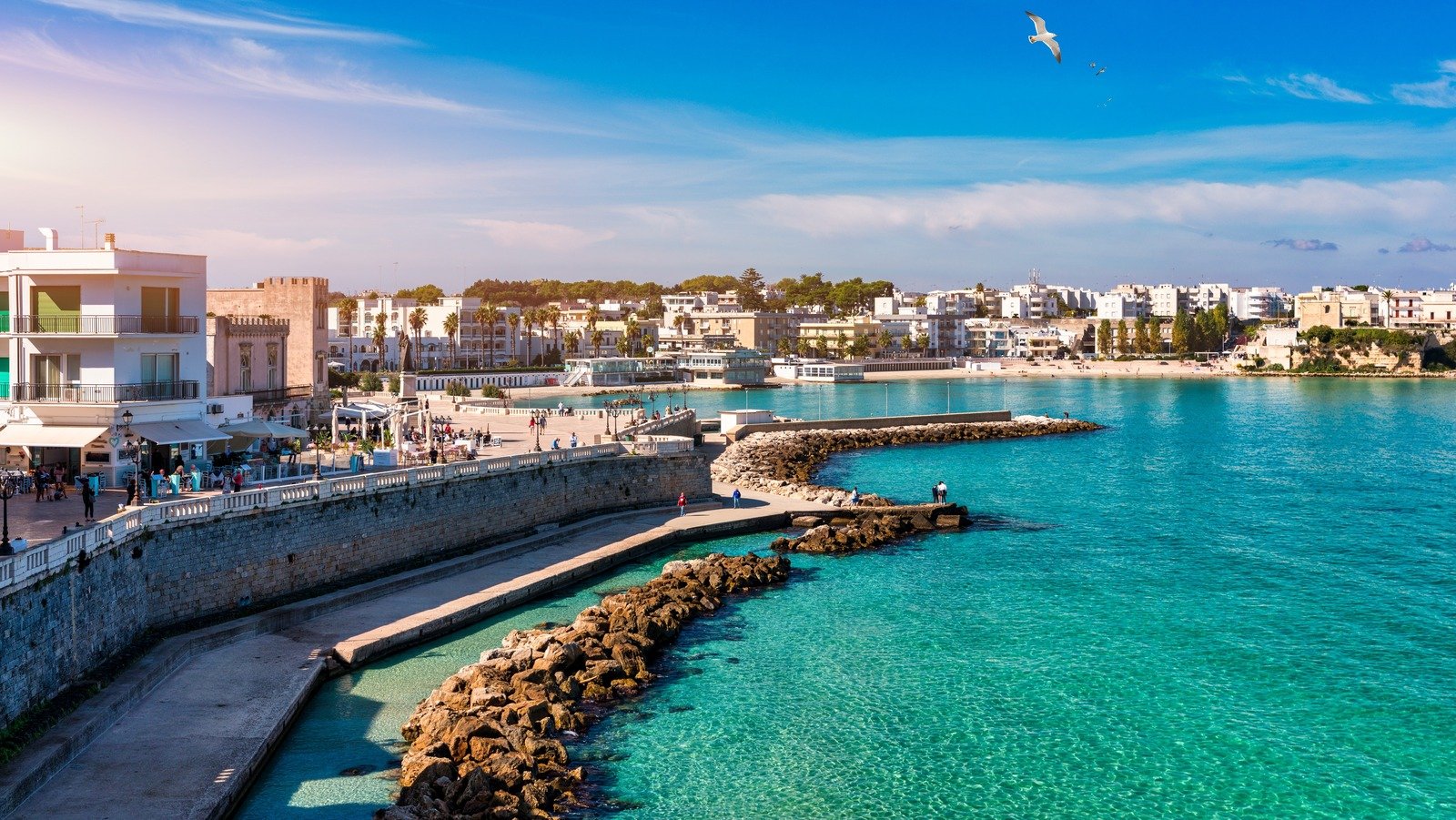
Tracing the arch of the sea, we arrive at the Italian peninsula, the boot that kicks into the heart of the Mediterranean. While Rome, Florence, and Venice are the stalwarts of the Grand Tour, the coastal traveler looks to the Amalfi Coast and the Cinque Terre, where pastel villages cling precariously to vertical cliffs, defying gravity and offering vistas of infinite blue. Yet, the true crossroads of the central Mediterranean is the island of Sicily. Here, Greek temples in Agrigento rival those in Athens, and the street food of Palermo betrays a heavy Arab influence. It is a land where Norman cathedrals are adorned with Byzantine mosaics, perfectly encapsulating the region’s layered history.
Across the Adriatic Sea lies a coastline of startling drama. Slovenia’s short but precious coast offers Venetian charm in Piran, acting as a gateway to the Balkans. Traveling south, the Croatian coast creates a labyrinth of over a thousand islands. The walled city of Dubrovnik, the “Pearl of the Adriatic,” stands as a perfectly preserved medieval republic, its white stone fortifications rising starkly against the deep sapphire sea. Further south still, the Bay of Kotor in Montenegro offers a fjord-like majesty, where mountains plunge directly into the water, sheltering ancient towns that feel untouched by time. This stretch of coast, extending down into Albania’s rapidly emerging Riviera, offers some of the most pristine waters and dramatic landscapes in the entire basin.
The Hellenic World: Greece and Cyprus
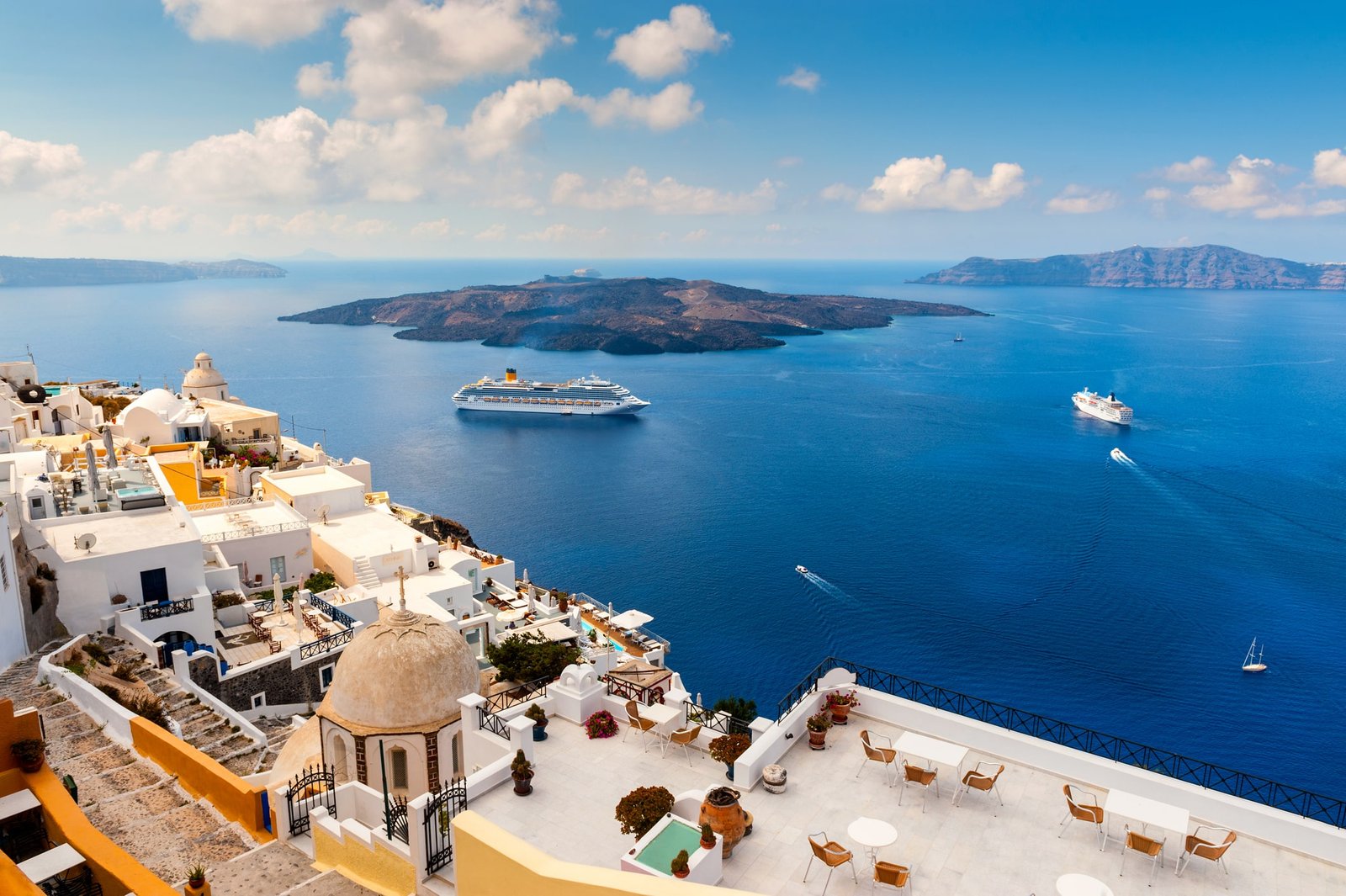
Rounding the Balkan peninsula, we enter the Aegean Sea, the mythic heart of the ancient world. Greece is not merely a destination; it is an archipelago of distinct worlds. While the whitewashed, cubic architecture of the Cyclades—epitomized by the caldera views of Santorini and the windmills of Mykonos—dominates the travel brochures, the true depth of the country lies elsewhere. Crete, the largest island, is a universe unto itself, home to the ancient Minoan civilization at Knossos and rugged gorges that attract hikers from around the globe. The Ionian islands to the west, such as Corfu and Zakynthos, display a greener, Venetian-influenced character, while the Dodecanese islands like Rhodes bear the heavy stone legacy of the Crusader Knights. In Greece, the concept of philoxenia—friend of the stranger—is not just a word but a palpable cultural practice, welcoming travelers into a rhythm of life that has persisted for millennia.
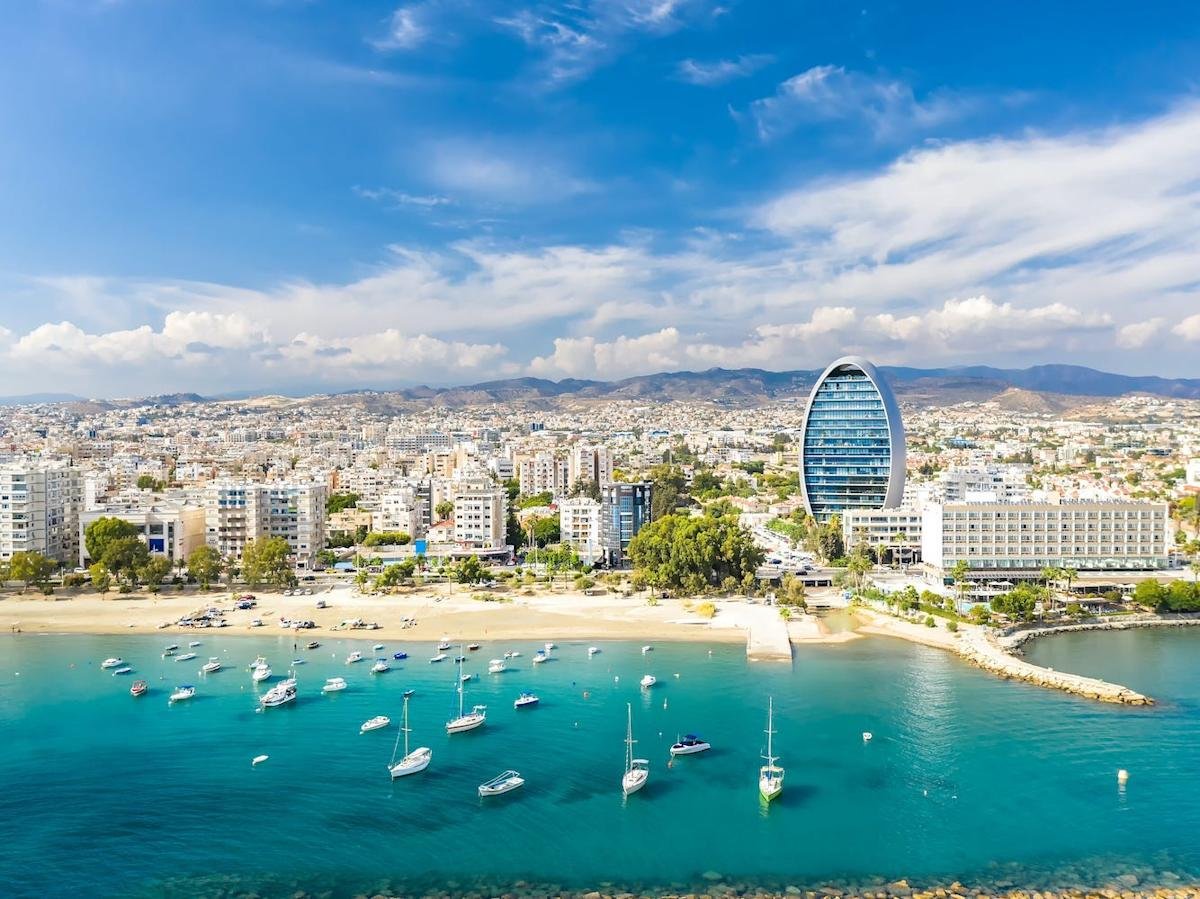
Further east, floating in the warm waters of the Levantine basin, lies Cyprus. Geographically in Asia but culturally a bridge to Europe, Cyprus offers a fascinating tapestry of history. The island is dotted with ancient Kourion’s Greco-Roman theatre overlooking the sea and the intricate mosaics of Paphos. Yet, Cyprus is also a place of mountains; the Troodos range offers cool respite and Byzantine churches hidden among cedar forests, a stark contrast to the sun-drenched beaches of Ayia Napa and Protaras. The capital, Nicosia, remains the last divided capital in the world, a poignant reminder of the region’s complex modern history, yet the island remains a beacon of hospitality, offering a cuisine that perfectly melds the grilled meats of the Levant with the fresh herbs of the Aegean.
The Levantine Coast and Asia Minor
Turning north and east, the turquoise coast of Turkey offers a Riviera that rivals any in the west. The stretch from Antalya to Bodrum is known as the “Blue Voyage,” a route best explored by gulet (traditional wooden schooner). Here, Lycian rock tombs are carved directly into cliff faces above pristine beaches, and the sunken ruins of Kekova can be seen through crystal-clear waters. Istanbul, straddling the Bosphorus, serves as the ultimate cosmic city, where the call to prayer from the Blue Mosque mingles with the bustle of a modern European metropolis.
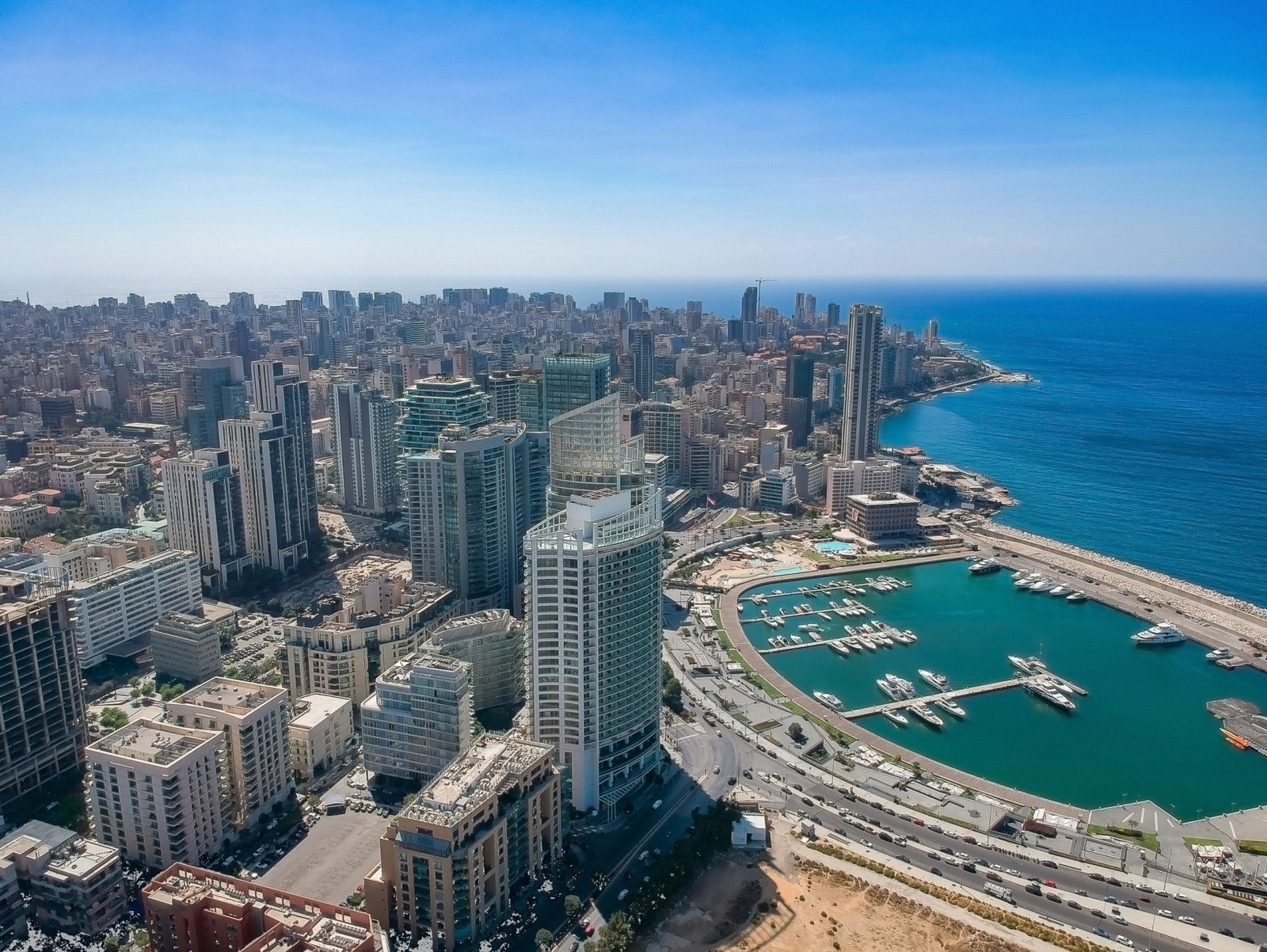
Descending the Levantine coast, the history becomes incredibly dense. Lebanon, despite its turbulent recent history, remains a jewel of the Mediterranean. Beirut, often called the “Paris of the Middle East,” offers a vibrant arts scene and nightlife that defies the odds, while the ancient port of Byblos claims to be the oldest continuously inhabited city in the world. Further south, the coast of Israel and Palestine offers a journey through faith and time. The ancient port of Jaffa, with its stone alleyways, contrasts with the Bauhaus modernity of Tel Aviv, while the Crusader walls of Akko (Acre) stand as a testament to the fierce battles fought for this strip of holy land.
The Southern Shores: North Africa
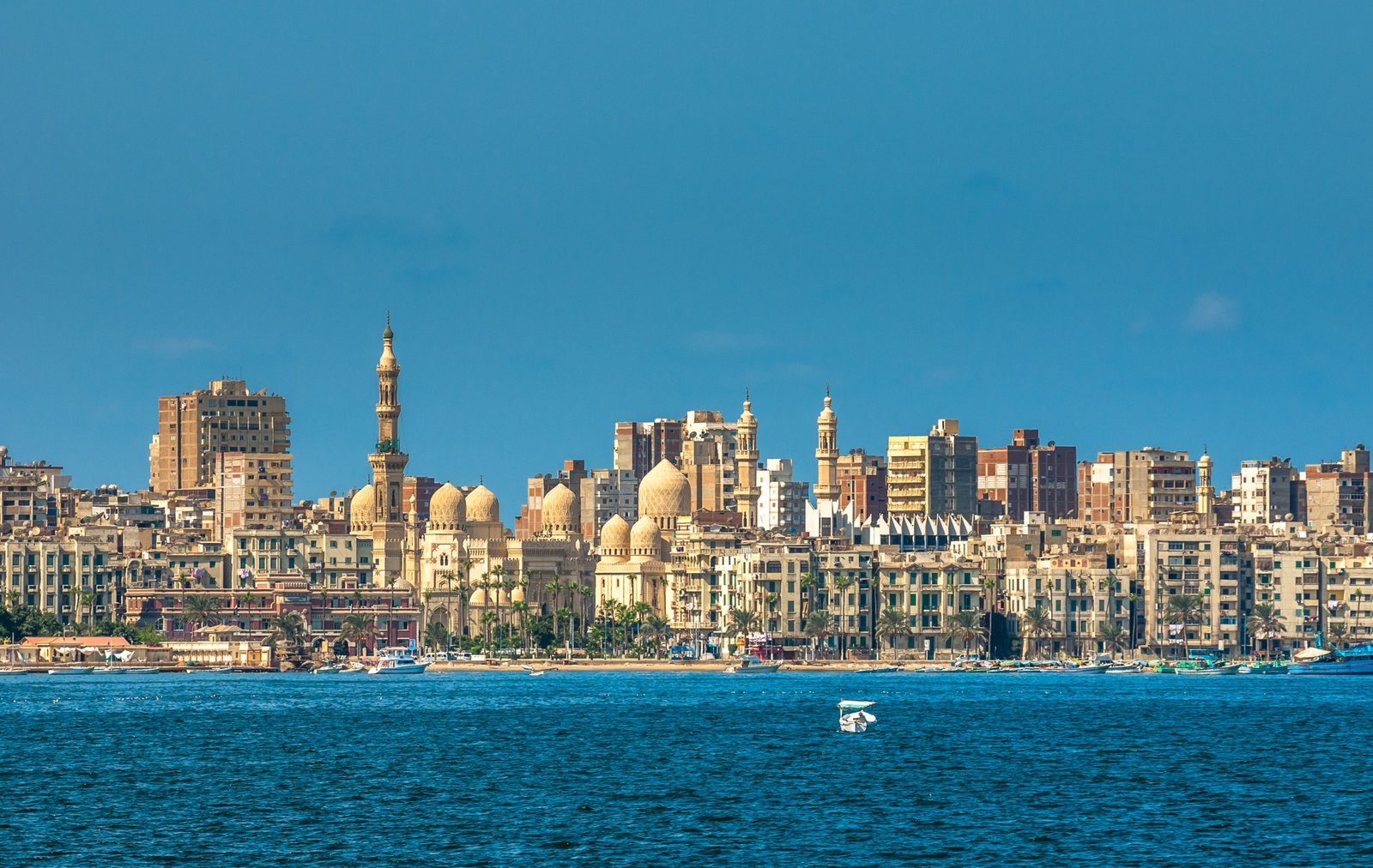
Finally, the circle closes along the shores of North Africa, a region that is fundamentally Mediterranean yet distinctly African and Arab. Egypt, often associated primarily with the Nile and the Pyramids, possesses a vibrant Mediterranean identity centered on Alexandria. Founded by Alexander the Great, this city was once the intellectual capital of the world. Today, the Corniche of Alexandria offers a breezy, seaside atmosphere that feels worlds away from the desert heat of Cairo. The North Coast of Egypt has also developed into a premier summer destination, with pristine white sands and turquoise waters that rival the Caribbean, stretching towards the Libyan border.
To the west, Tunisia acts as a quiet keeper of history. The ruins of Carthage stand as a reminder of the great empire that once challenged Rome, while the blue-and-white village of Sidi Bou Said offers a visual echo of the Greek islands, proving the aesthetic unity of the sea. Algeria, with its expansive coastline, holds some of the best-preserved Roman ruins in the world at Tipaza and Timgad, largely free of mass tourism. Morocco, though facing the Atlantic as well, anchors the Mediterranean entrance with Tangier, a city of spies, writers, and artists that has long served as the gateway between Africa and Europe.
A Unified Voyage
To travel these twenty-one nations is to realize that the Mediterranean is not a barrier that separates people, but a liquid plaza that brings them together. Whether one is eating tapas in Valencia, meze in Limassol, or antipasti in Naples, the ritual is the same. The sun that bleaches the ruins of Ephesus is the same sun that warms the stones of the Pyramids. The traveler who circumnavigates this sea does not just visit different countries; they explore the different rooms of a single, sprawling, and magnificent home.