
A Liquid Continent
The Mediterranean Sea has never been merely a body of water separating continents; rather, it is a liquid continent in itself, a historic bridge that connects the diverse cultures of Europe, Africa, and the Middle East. For millennia, this basin has served as a crucible of civilization, where empires rose and fell, and where trade routes carried not just silk and spices, but ideas, philosophies, and seeds. In the modern era, as we look for threads of a shared Mediterranean identity, there is perhaps no stronger evidence of this unity than cuisine. While national borders define political distinctions, the kitchen reveals a deeper, older truth: that the people of the Mediterranean, despite their unique local traditions, are bound together by a shared landscape, a shared history, and a shared reverence for the table.
The Agricultural Foundation
To understand this culinary identity, one must first look at the land itself. The Mediterranean climate—characterized by hot, dry summers and mild, wet winters—dictates what grows, and therefore, what is eaten. This shared climatological destiny has fostered a nutritional foundation that has sustained the region since antiquity, often referred to as the “Mediterranean Triad.”
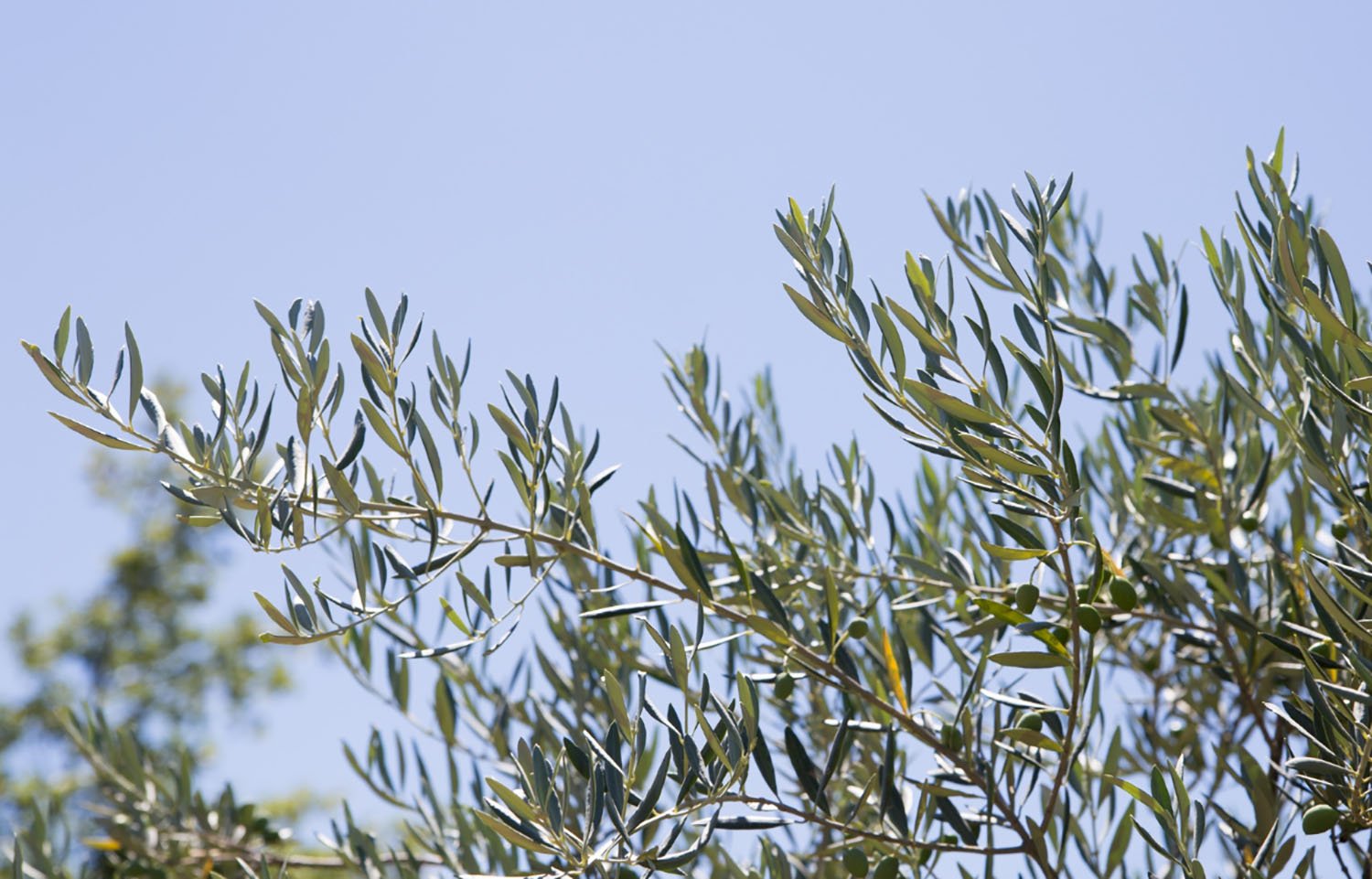
At the heart of this foundation is the olive tree. If one were to map the boundaries of the Mediterranean world, they would likely align perfectly with the regions where the olive tree flourishes. From the terraced hills of Tuscany to the groves of Andalusia and the rocky soils of the Peloponnese, olive oil is the ubiquitous lifeblood of the cuisine. It acts as the primary fat, a preservative, and a flavoring agent that creates a sensory link between a Spanish gazpacho and a Lebanese tabbouleh. Alongside the olive stands the grape and the grain. Wheat is a vital pillar of this identity, though it takes on wondrously different forms depending on where you stand. In Italy, it is worked into hundreds of shapes of pasta; in the Maghreb, it is rolled into couscous; in France, it rises as crusty baguettes; and in the Levant, it is flattened into pita and lavash to scoop up dips. The vine, too, has intertwined with Mediterranean culture since the dawn of history, serving as a constant companion to the meal across the region.
Regional Nuances: West, East, and South
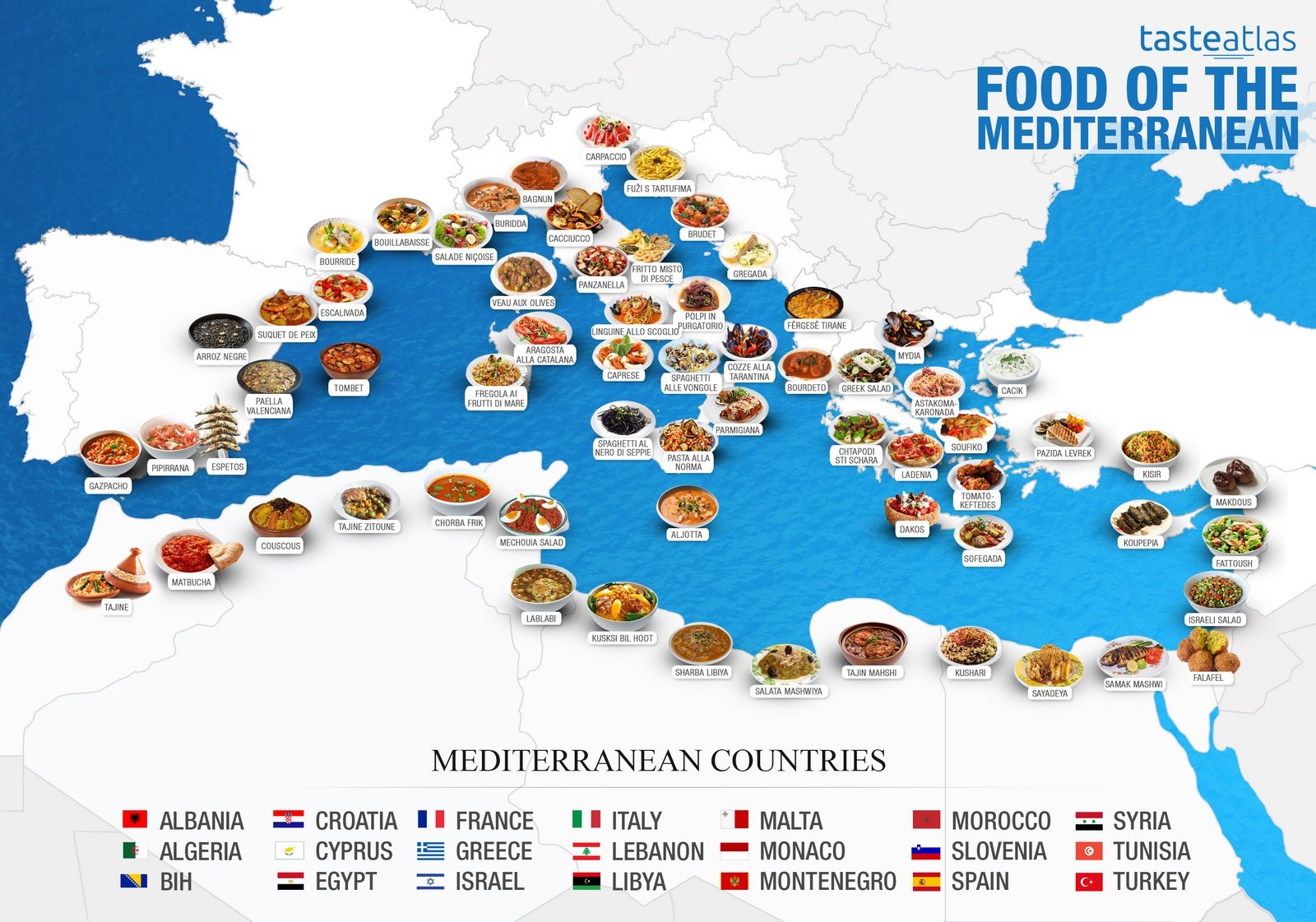
However, to claim that Mediterranean cuisine is a monolith would be to ignore the vibrant cultural distinctions that give the region its richness. As one travels the coastline, the flavors shift subtly, like dialects of a common language. In the Western Mediterranean—encompassing Spain, France, and Italy—the cuisine is often defined by the distinct handling of these core ingredients. Italian cuisine, with its fierce regional pride, balances the butter-rich dishes of the north with the olive-oil-drenched, tomato-centric cooking of the south. Just across the border, the cuisine of Southern France, particularly Provence, mirrors this but introduces its own refinement with mixtures of wild herbs and sophisticated vegetable stews. Spain adds another dimension, where the legacy of exploration introduced distinct flavors such as smoked paprika, and where rice takes center stage in dishes like paella, distinct from the risottos of its eastern neighbor.
Moving eastward toward Greece, Turkey, and the Levant, the palate transforms. Here, the influence of the Ottoman Empire remains palpable. The cuisine becomes more aromatic, utilizing spices like cinnamon, allspice, and cloves even in savory meat dishes. Dairy shifts from the cow milk cheeses of the west to the tangier sheep and goat milk products like feta and halloumi, and yogurt becomes a staple sauce rather than a breakfast item. This is the land of the “meze”—a style of dining where the meal is composed of many small, shared plates such as hummus, baba ghanoush, and dolmas. This communal style of eating is a hallmark of the Eastern Mediterranean, emphasizing the social aspect of food as much as the nutritional.
Crossing the sea to the southern shores of North Africa, the cuisine of the Maghreb—Morocco, Algeria, Tunisia, and Libya—offers perhaps the most complex flavor profiles. Here, the sweet and the savory are frequently married; a lamb tagine might be cooked with prunes, apricots, and toasted almonds, spiced with the complex ras el hanout blend. The heat level also rises, particularly in Tunisia, where the fiery chili paste harissa is a table staple. Yet, even here, the connection remains: the couscous that serves as the canvas for these stews is the cousin of the Italian pasta, both born from the same durum wheat.
A History of Exchange and Fusion
This culinary diversity is not accidental; it is the result of a layered history of conquest and exchange. The current Mediterranean diet is actually a “fusion” cuisine that has been evolving for thousands of years. The ancient Greeks and Romans laid the foundation by spreading viticulture and olive cultivation across their empires. Later, during the Middle Ages, the Arab agricultural revolution brought new irrigation techniques and introduced crops from the East, including citrus fruits, eggplants, spinach, rice, and sugar, which fundamentally altered the diet of Spain and Sicily.
Perhaps most surprisingly, some of the ingredients we consider most quintessentially Mediterranean are relatively recent arrivals. The tomato, now inseparable from Italian pasta sauce and Greek salad, only arrived from the Americas in the 16th century via the Columbian Exchange, as did the potato, the chili pepper, and corn. This demonstrates the adaptability of the Mediterranean spirit; these cultures took foreign ingredients and adopted them so thoroughly that they became symbols of national identity.
The Table as the Center of Life
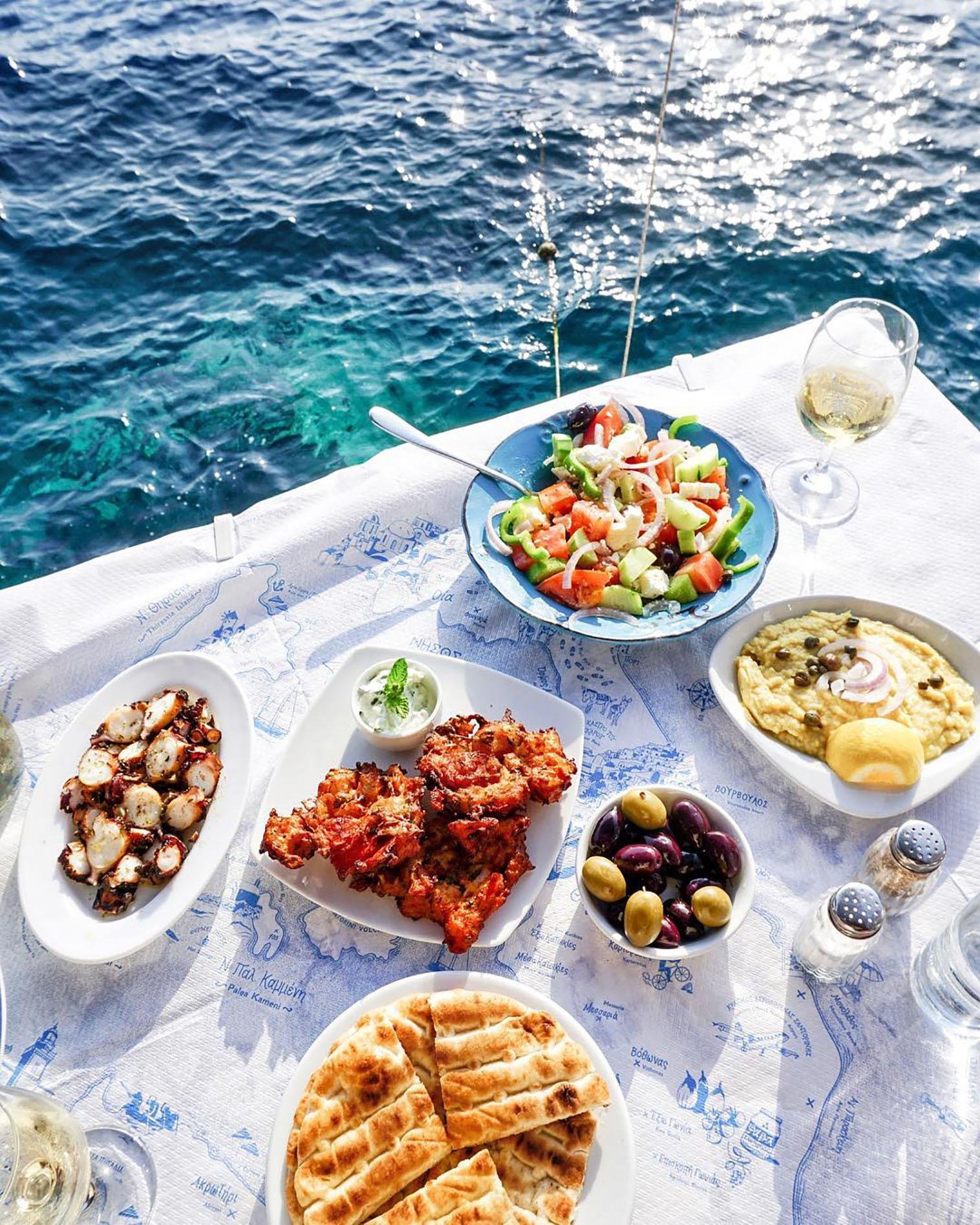
To define Mediterranean cuisine solely by its ingredients is to miss its very heart; the true identity of this region is found not just in what is eaten, but in how it is eaten. Across the basin, the act of dining is rarely a solitary pursuit of sustenance. Instead, it acts as the primary social adhesive, a ritualized pause in the day that reinforces the bonds of kinship and community. This shared philosophy of the table—the “Mediterranean Way”—transcends linguistic and religious barriers, creating a distinct rhythm of life that is recognizable from the bustling tavernas of Thessaloniki to the family-filled terraces of Beirut.
In this cultural context, time is an ingredient as crucial as salt or oil. Meals are not rushed affairs squeezed between appointments; they are prolonged engagements where conversation flows as freely as the wine. This reverence for the moment is deeply rooted in the concept of hospitality, which is considered a sacred duty across the Mediterranean. Whether it is the Spanish concept of sobremesa—the time spent chatting at the table long after the food is gone—or the Levantine tradition of laying out a feast for an unexpected guest, the message is identical: food is the medium through which we offer respect, love, and connection.
Furthermore, this culinary ethos is inextricably linked to the rhythm of the seasons. In a world increasingly dominated by industrial agriculture and year-round availability, the traditional Mediterranean kitchen remains a stubborn guardian of seasonality. The anticipation of the first spring artichokes in Rome, the summer abundance of tomatoes in Provence, or the autumn olive harvest in Kalamata provides a cyclical structure to life. This profound connection to the local landscape fosters a unique kind of culinary patriotism, where the identity of a village or a region is proudly displayed on the plate.
Ultimately, while the spices may change from cumin in the south to basil in the north, and the staple grain may shift from couscous to pasta, the soul of the cuisine remains singular. It is a testament to a shared heritage where the meal is the anchor of the day, a celebration of the land’s generosity, and a daily reaffirmation that we are part of a community. In exploring the vast and varied recipes of the Mediterranean, we are not just tasting food; we are partaking in a thousands-year-old conversation about what it means to live well together.